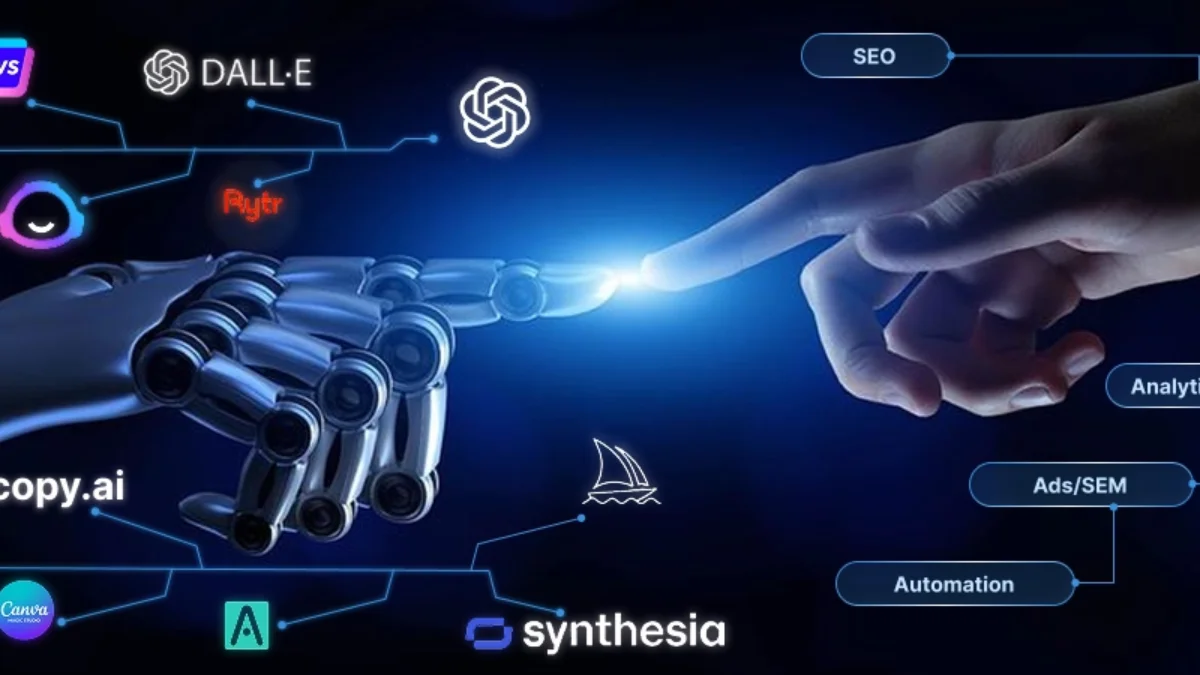
The 2026 Creative Economy has reached a breaking point, talent is no longer enough. AI has flooded every platform with good enough content, making pure skill a commodity. To survive, you have to outmaneuver the machine.
At marianoIduba, we have tracked the exact strategies modern creators use to win attention when everyone else is blending in. This is not a collection of generic advice it is a tactical playbook for the new reality. We are breaking down the high-stakes math of AI search visibility, the power of sub-niche playbooks, and the cold, hard monetization formulas that other guides skip.
What Makes a Strong Personal Brand Creative Professional in 2026
In 2026, a strong personal brand creative professional is a specialist who blends unique human intuition with technical precision to provide the final layer of quality that AI cannot replicate.
The game has changed completely over the last few years:
-
From Volume to Voice: Before 2024, branding was about being everywhere at once. Now, it is about having a voice that stands out in a crowded digital room.
-
The Trust Factor: Current data shows a 74% trust factor for creators with established personal brands. People are tired of generic, bot-written advice and are actively seeking human-verified expertise.
-
The Authority Anchor: In 2026, your brand acts as an anchor. It is the only thing that stops your work from being viewed as just another disposable file in a saturated market.
This shift is why building a recognizable identity is no longer optional, it is the foundation of a sustainable career. For more on navigating these changes, check out our Creative Professional Guide 2026.
How to Build Personal Brand Creative Foundations That Actually Convert
Building a brand that pays the bills requires more than just a nice logo; it requires a strategy that connects your specific skills to a market need. Here is how to lay a foundation that turns a casual follower into a client.
Define Your Creative Niche and Personal Brand Voice
Forget trying to be everything to everyone. Use this three-question framework to find your high-value territory:
-
The Edge: What is the one thing I can produce that AI or a cheaper competitor consistently gets wrong?
-
The Demand: Who is currently losing money or time because they don’t have access to that specific solution?
-
The Value: Is this a problem people are already spending their budget to solve?
Craft Your One-Line Brand Statement
In 2026, clarity wins. You need a hook that explains your value in seconds. Use this formula: I help [audience] achieve [outcome] through [unique skill].
For Example: I help sustainable fashion startups double their conversion rates through high-end, 3D-rendered storytelling.
Build a Visual Identity That Feels Like You
Your visuals should be a shortcut for your personality. Consistency is key because humans are wired for visual memory in fact, research shows that color increases brand recognition by 80%.
-
Color: Pick two primary tones that evoke the right mood (e.g., trust, energy, or luxury).
-
Typography: Stick to two fonts one for impact, one for readability.
-
Logo: Keep it simple enough to work as a tiny social media profile picture and a large website header.
Professional Branding Artists and Designers Are Using to Stand Out
In 2026, the most successful professional branding artists have stopped trying to compete with AI on speed. Instead, they are winning by leaning into tactile credibility using intentional imperfections, hand-drawn elements, and complex storytelling that a generator simply can not conceptualize.
The strategy is simple, if the market is flooded with clean digital perfection, you stand out by being noticeably human. Modern creatives are now using specific sub-niche playbooks to dominate their corners of the internet.
Sub-Niche Branding Playbook Table
| Creative Sub-Niche | Best Primary Platform | Brand Focus | Key Asset |
| Graphic Designer | Behance + LinkedIn | Visual consistency & logic | Process-driven case studies |
| Illustrator | Instagram + Dribbble | Signature imperfect style | Style sheet + character library |
| Photographer | Instagram + Personal Site | Mood & raw lighting | Editorial-quality digital gallery |
| UX/Product Designer | LinkedIn + Medium | Problem-solving narrative | Interactive logic breakdowns |
| Copywriter | LinkedIn + X (Twitter) | Voice & conversion proof | Swipe file + proven client wins |
| Video Editor | YouTube + TikTok | Pacing & technical flair | Before/after edit breakdowns |
| Concept Artist | Instagram + Patreon | Personal world-building | Behind-the-scenes messy sketches |
Designer Brand Visibility in the AI Search Era
The biggest mistake you can make right now is building a brand for humans while completely ignoring the bots. To keep your designer brand visible in 2026, you have to play the Generative Engine Optimization (GEO) game. AI search engines do not just crawl your site anymore, they actively look for proof that you are a real expert before they recommend you to a user.
How AI Search Engines Rank Designer Brand Authority
Platforms like ChatGPT, Perplexity, and Google AI Overviews prioritize creators with clear authority signals. They scan for structured bios and consistent NAP data your Name, Portfolio, and Profile links need to match across every platform you touch.
If you are relying solely on a link in bio tool, you are essentially invisible to deep AI indexing. A dedicated personal website gives the AI the rich context and metadata it needs to cite you as a trusted source.
Make Your Personal Brand Creative Professional Profile AI-Readable
You want the AI to understand exactly who you are and what you offer. Here is how you do it:
-
Use Schema Markup: Add Person and CreativeWork tags to your site. This tells search engines which projects belong to you without them having to guess.
-
Create a Canonical Hub: Your website should be your home base. Link all your social profiles back to it and keep your bio consistent across LinkedIn, Behance, and Instagram.
-
Write Citation-Worthy Content: Share original insights or unique case studies. When other sites link to your work, it sends a massive signal to AI engines that you are the real deal.
Real Monetization Math: What a Strong Personal Brand Creative Professional Earns
Building a brand is not about vanity, it is about your bank account. In 2026, the pay gap between anonymous freelancers and a strong personal brand creative professional is massive. When people know who you are, you stop defending your rates and start charging for your perspective.
Clients pay for certainty. Your brand proves you can deliver before you even pick up the phone, which kills the risk for them.
The Brand Premium: By the Numbers
| Metric | Unbranded Freelancer | Branded Professional |
| Average Rate Uplift | Base market rate | 40% – 150% Premium |
| Inbound/Outbound Ratio | 20% Inbound / 80% Outreach | 85% Inbound / 15% Strategic |
| Project Type | One-off, gig tasks | Long-term strategic retainers |
| Sales Cycle | 2–4 weeks of convincing | 48 hours (Authority-led) |
The ROI Timeline: Expect a six-month seeding phase to build authority. By the one-year mark, the inbound flywheel usually takes over. Making this jump requires a total shift in how you value your time. So of you are ready, check out our Creative Innovator Mindset.
5 Mistakes That Kill Your Brand
Even top-tier talent can fail if their brand foundation is shaky. In 2026, these five traps are the fastest way to become invisible:
-
Chasing Trends: Mimicking what’s viral kills your signature style. If you look like everyone else, you are easily replaced by a bot.
-
Visual Chaos: If your LinkedIn does not match your website, you lose professional trust. Consistency equals credibility.
-
The Generalist Trap: Trying to please everyone means you appeal to no one. A blurry niche repels high-paying clients who want experts.
-
Hiding Your Face: People connect with people, not anonymous portfolios. If there’s no story or face behind the work, you are just a commodity.
-
Static Branding: Your brand is not a one-and-done project. Without a quarterly refresh, you will feel outdated faster than you think.
Conclusion
In 2026, becoming a high-authority personal brand creative professional is your only defense against AI-generated noise. Winning is not about out-posting the machines, it is about owning a specific niche, cementing a human identity, and staying visible in AI search results.
By following this playbook, you stop being a replaceable vendor and start being a sought-after expert. For more ways to scale your influence, check out the career and creative insights at MarianoIduba. Start treating your brand as a permanent asset rather than a temporary tactic it is the foundation of everything you build next.
Frequently Asked Questions
What is personal branding for a creative professional?
It is the intentional practice of showcasing your unique perspective, skills, and personality. While a portfolio shows your work, your brand explains your why. It transforms you from a commodity into a trusted authority that AI cannot easily replicate.
How do I build a personal brand as a creative with no experience?
Focus on learning in public. Document your process, share your unique take on industry shifts, and build a signature style through personal projects. By showing how you think and solve problems, you create a footprint of expertise before your first real client.
How long does it take to build a personal brand as a creative professional?
Typically, it takes six to twelve months of consistent effort. The first few months are for seeding your presence. By the one-year mark, your authority usually hits a tipping point where inbound leads start replacing the need for constant outreach.
What is the difference between a personal brand and a portfolio for creatives?
A portfolio is a collection of past results; a brand is a promise of future value. A portfolio proves you have the technical skill, but your brand tells the client what it is actually like to work with you and why your vision matters.
Do creative professionals really need a personal brand in the AI era?
Absolutely. In a market flooded with good enough AI content, your brand is your human-verified trust signal. It’s the only thing an algorithm can not automate, making it your primary tool for standing out and commanding higher rates.