An autobiography is a nonfiction account of a person’s own life, written by that person. It usually tells the story in the first person, using “I” and “my,” and covers important parts of the writer’s life from childhood or early years through later experiences. Unlike a biography, where someone else tells the subject’s story, an autobiography comes directly from the person who lived it.
Key Takeaways
- An autobiography is a nonfiction account of a person’s own life.
- It is usually written in the first person.
- The author and the main subject are the same person.
- It focuses on real experiences, important events, and personal reflection.
- A biography is written by someone else about the subject.
- A memoir usually focuses on a selected period or theme rather than the writer’s whole life.
- Famous examples include works by Benjamin Franklin, Frederick Douglass, and Maya Angelou.
- You do not need to be famous to write an autobiography.
What Is an Autobiography?
The word autobiography comes from Greek roots connected with “self,” “life,” and “writing.” In literary terms, it means a person writes an account of their own life. The Poetry Foundation defines autobiography as a biography narrated by the person themselves, while major writing references describe it as a first-person nonfiction life story.
An autobiography is not simply a long list of dates and achievements. A useful one connects events so the reader can understand how one experience led to another. Childhood, education, family, work, relationships, struggles, achievements, and major turning points may all appear, but they are usually chosen because they help explain the person’s life.
What Are the Main Features of an Autobiography?
A good autobiography has a few features that make it different from other forms of nonfiction. You can usually spot them quite quickly once you know what to look for.
It Is Written by the Person Being Described
This is the defining feature. The author and the main subject are the same person. If a writer is telling their own life story, the work can be described as an autobiography.
It Uses a First-Person Voice
Most autobiographies use first-person language such as “I,” “me,” “my,” and “we.” This makes the narration feel direct.
For example, instead of saying, “She moved to London when she was twenty,” an autobiographical writer might say, “I moved to London when I was twenty.” The second version makes it clear that the person telling the story experienced the event themselves.
It Focuses on Real Life
An autobiography is generally nonfiction. The people, places, experiences, and major events are presented as part of the writer’s real life.
That does not mean every memory will contain perfect detail. Human memory can be incomplete, and writers may remember the same event differently years later. Still, an autobiography is expected to present the author’s life as a true account rather than an invented fictional story.
It Includes Important Life Experiences
Not every day needs a full chapter. Good autobiographies usually give more space to experiences that shaped the writer.
These might include:
- Childhood and family background
- Education and early interests
- Important friendships or relationships
- Career changes and achievements
- Difficult periods and failures
- Major opportunities or turning points
- Lessons the writer took from those experiences
It Contains Reflection
An autobiography is not only about what happened. It can also show what the writer thinks about those events now.
A person may describe a decision they made at twenty and then explain how they see that decision differently at fifty. That reflection gives the reader more than a timeline. It shows how experience changed the person.
How Is an Autobiography Different From a Biography?

The easiest way to remember the difference is to look at who is holding the pen.
In an autobiography, the subject writes their own story. In a biography, another person researches and writes about the subject. A biographer may use interviews, letters, records, diaries, photographs, and other sources to build the story.
For example, if a famous musician writes a book about their own childhood, career, and personal experiences, that is an autobiography. If a writer studies that musician’s life and publishes a book about them, it is a biography.
Autobiography vs. Memoir: Are They the Same?
They are closely related, but they are not always used to mean the same thing.
An autobiography traditionally aims to tell the writer’s life as a whole. It may begin with childhood and continue through major stages of life. A memoir is usually narrower. It often focuses on a particular period, experience, relationship, career, or theme.
Think of it this way: an autobiography is more like a full map of a life, while a memoir zooms in on one important part of that map.
What Are Some Famous Autobiography Examples?
Several well-known books show how different an autobiography can look depending on the writer and their life.
The Autobiography of Benjamin Franklin
Benjamin Franklin’s autobiography is one of the classic examples of the form. It presents parts of his life, education, work, ideas, and personal development.
It is especially useful for understanding how an autobiography can combine life events with lessons and reflections.
Narrative of the Life of Frederick Douglass
Frederick Douglass’s autobiography gives a firsthand account of his life under slavery and his journey toward freedom and public activism. It is also an important historical document because it presents those experiences through the voice of someone who lived them.
I Know Why the Caged Bird Sings
Maya Angelou’s well-known autobiographical work focuses on her childhood and young life. It shows how an autobiography can tell deeply personal experiences while also exploring identity, family, racism, and growing up.
These examples also show how an autobiography can preserve personal experience while giving readers a view of a particular time and place.
Why Do People Write Autobiographies?
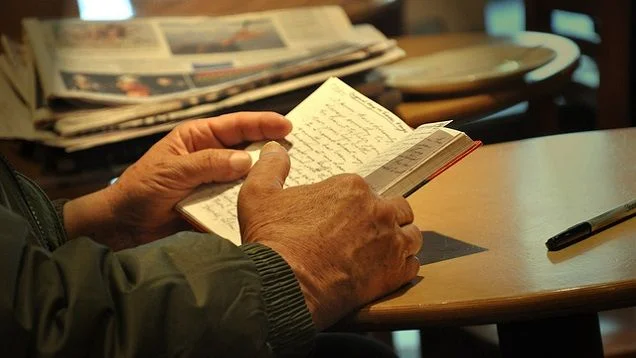
People write autobiographies for many different reasons. Some want to record their life for family members. Others want to share experiences that may help readers understand a difficult period, career, movement, culture, or historical moment.
For an ordinary person, the reason can be much simpler. You do not have to be famous to have a story worth recording. Family history, education, work, personal challenges, or a major life change can all become meaningful material when told clearly.
What Makes an Autobiography Interesting to Read?
A long list of events can become tiring quickly. The most engaging autobiographies usually make the reader feel that each important experience has a purpose.
One useful approach is to show the moment rather than only reporting it. Instead of writing, “I was nervous about starting school,” a writer can describe the first morning, the unfamiliar classroom, the people around them, and what was going through their mind.
A strong autobiography also needs a clear structure. The reader should be able to follow where the writer came from, what happened along the way, and how those experiences affected them.
How Do You Start Writing an Autobiography?

Start with memories instead of trying to write the whole book immediately.
Make a simple list of moments you still remember clearly. Add childhood memories, family events, school experiences, friendships, failures, achievements, moves, jobs, and turning points. Then look for connections between them.
You can ask yourself:
- Which experience changed the way I think?
- What was one of the hardest periods of my life?
- Which decision changed my direction?
- Who influenced me and why?
- What do I understand now that I did not understand then?
That is what gives a life story its lasting human appeal.
Sources Note
This article is based on established literary definitions and examples from reference sources including the Poetry Foundation and established writing resources. Definitions of autobiography and related genres can vary slightly across literary contexts, so the article uses the common modern meaning and explains areas where the genres overlap.
For readers using this guide through Marianoiduba, the focus is on clear literary information rather than a personal interpretation of any author or book.
Frequently Asked Questions
What is the simple definition of autobiography?
An autobiography is a nonfiction story about a person’s life written by that same person. It usually uses first-person language and describes important experiences, events, and personal reflections.
What are the three main features of an autobiography?
The three basic features are that the author writes about their own life, the story is usually told in the first person, and the content is presented as nonfiction based on the writer’s real experiences.
Is an autobiography written in first person?
Yes. Autobiographies are normally written in first person because the person telling the story is also the person whose life is being described.
What is the difference between autobiography and memoir?
An autobiography generally covers the writer’s life as a whole, while a memoir usually focuses on a specific period, experience, or theme. The two forms can overlap, so the terms are sometimes used more loosely.
Can a normal person write an autobiography?
Yes. You do not need to be famous. Anyone can write about their life, especially when they have experiences, memories, family history, or important lessons they want to preserve and share.
What is a famous example of an autobiography?
The Autobiography of Benjamin Franklin, Narrative of the Life of Frederick Douglass, and I Know Why the Caged Bird Sings are widely recognized examples of autobiographical writing.
Disclaimer:
This article is for general educational and informational purposes. Literary terms can sometimes be used differently by writers, publishers, and academic sources. When a specific assignment or academic style guide gives a different definition, follow that source’s requirements.