Yes, you can land acting roles with no experience, provided you know where to look and how to present yourself professionally. Every working actor started with an empty resume, and casting directors regularly hire beginners for specific types of productions where natural presence, reliability, and the right physical look matter more than formal training.
Breaking into the industry without credits requires a targeted strategy. Rather than auditioning for major studio leads right away, beginners gain traction by pursuing accessible entry points, such as background work, student films, commercials, and local theater, while building basic audition materials. Understanding how entry-level casting works will save you time, protect you from common scams, and help you book your first legitimate role.
Why Casting Directors Hire Actors With No Experience?

A multiethnic actor and actress passionately reviewing their lines during a stage rehearsal.
Film, television, theater, and commercial productions frequently need fresh faces. While speaking roles in major union productions typically require established representation and professional credits, many other projects actively welcome newcomers.
-
Authenticity and Naturalism: Commercials, corporate videos, and independent dramas often look for “real people” rather than polished performers who rely on theatrical habits.
-
Specific Physical Types: Casting calls frequently prioritize exact age ranges, ethnicities, heights, or unique skills—such as skateboarding, playing an instrument, or speaking a second language—over acting experience.
-
Budget and Scale: Student filmmakers, indie creators, and community theaters operate on tight or non-existent budgets, making them far more open to casting untrained talent with strong instincts and enthusiasm.
-
Volume Needs: Large productions require dozens or even hundreds of background performers to populate restaurants, streets, and stadiums, creating constant demand for beginners.
Best Types of Acting Roles With No Experience
Focusing on the right categories increases your odds of getting booked quickly. Studying the careers of Hollywood stars of the 1940s can also offer beginners historical insight into how actors built their careers. Below is a comparison of the most accessible entry-level opportunities for new actors.
| Role Type | Experience Required | Typical Pay | Key Benefits for Beginners |
| Background / Extra Work | None | Paid (usually hourly/daily minimum wage or flat rate) | Learn professional set etiquette, camera setups, and crew hierarchy without speaking pressure. |
| Student Films | None | Unpaid (usually includes meals and footage) | Gain speaking experience on camera and receive edited clips for your first demo reel. |
| Community Theater | None | Unpaid | Develop voice projection, script analysis, memorization, and live performance stamina. |
| Commercials & Print Ads | None to Minimal | Paid (often well-compensated) | High demand for everyday looks, expressive faces, and natural reactions. |
| Independent Short Films | None to Minimal | Unpaid or low-paid | Collaborate with emerging directors and build networking relationships for future projects. |
| Voiceover for Indie Projects | None | Unpaid to modest flat fee | Practice script interpretation and mic technique from home without on-camera pressure. |
Background Acting (Extras)
Background actors appear in non-speaking roles to make scenes look realistic. Casting agencies hire extras based almost entirely on appearance, wardrobe availability, and schedule flexibility. While background work does not count as principal acting credits on a resume, it is the fastest way to get paid to stand on a real film or television set and observe how directors and lead actors work.
Student Films
University film programs produce hundreds of short films every semester. Student directors rely heavily on new actors because they rarely have the budget to pay experienced professionals. In exchange for your time, you gain valuable on-camera experience and high-quality footage that you can later edit into an acting reel.
Community Theater
Local theater groups exist in nearly every town and city. Unlike professional Equity theaters, community productions hold open auditions where anyone can try out. Rehearsing and performing a full-length play teaches foundational skills—such as hitting marks, taking direction, and sustaining energy across multiple performances—that transfer directly to screen acting.
Commercials and Lifestyle Print
Advertising agencies constantly cast everyday people for television spots, social media ads, and brand photography. Commercial auditions rarely require dramatic monologues; instead, casting directors usually ask you to react naturally to a scenario, deliver one or two conversational lines, or simply smile and interact with a product.
Essential Preparation Before You Audition

An actress practicing line delivery and stage expression during a script reading session.
You do not need an expensive talent agent or a conservatory degree to start auditioning, but you do need a few basic tools to be taken seriously by casting directors.
1. Take Clean, Natural Headshots
A headshot is your primary calling card. When you are just starting out, you do not need to spend hundreds of dollars on a celebrity photographer. Ask a friend with a good camera or modern smartphone to take clear, well-lit photos of you from the chest up against a plain, uncluttered background. Wear solid, neutral colors, avoid heavy filters, and make sure the photo looks like you on a typical day.
2. Format a Beginner Acting Resume
Even without acting credits, you should create a clean, one-page resume so casting directors have your contact information and physical details. Include:
-
Contact Details: Name, phone number, email address, and city/region (never include your home street address).
-
Physical Stats: Height, hair color, eye color, and vocal range (if you sing).
-
Education and Training: Any acting workshops, improv classes, high school drama clubs, or public speaking courses.
-
Special Skills: Languages spoken, dialects, musical instruments, sports, dance styles, stage combat, or valid driver’s license.
3. Prepare Two Short Monologues
Many theater and indie film auditions ask you to perform a one-to-two-minute monologue. Choose two contrasting pieces—one dramatic and one comedic—from published plays or film scripts that fit your realistic age range and personality. Memorize them thoroughly so you can focus on listening and reacting rather than struggling to remember the next word.
4. Set Up a Basic Self-Tape Space
Most initial screen auditions happen via self-tape rather than in person. All you need is a blank wall or neutral backdrop, natural light from a window (or a simple ring light), a tripod or steady surface for your phone, and a quiet room.
As you gain experience, researching professional representation and agents for actresses can also help you understand how talent agents support actors in finding opportunities. Always film horizontally (landscape mode) unless the casting notice specifically instructs otherwise.
Where to Find Beginner Acting Auditions
Legitimate casting calls are posted daily across reputable platforms and local networks. Focusing on verified sources ensures you find real opportunities.
-
Reputable Casting Websites: Platforms like Backstage, Actors Access, Casting Networks, and StarNow allow actors to create profiles, upload headshots, and filter listings specifically for non-union, student, and background roles.
-
Local University Film Departments: Contact the film or media departments at nearby colleges to ask how they post casting calls for student thesis projects.
-
Regional Film Commissions: State, provincial, and city film offices frequently maintain public job boards listing local commercial shoots, indie productions, and extra casting calls.
-
Local Theater Groups: Check the websites and social media pages of community playhouses and fringe festivals in your area for seasonal audition announcements.
-
Background Casting Agencies: Search for established extras casting companies in your nearest production hub; registration is typically free and only requires submitting current snapshots and clothing sizes.
Common Mistakes Beginners Should Avoid

Actors reviewing their scripts and preparing their lines in the waiting room before an audition.
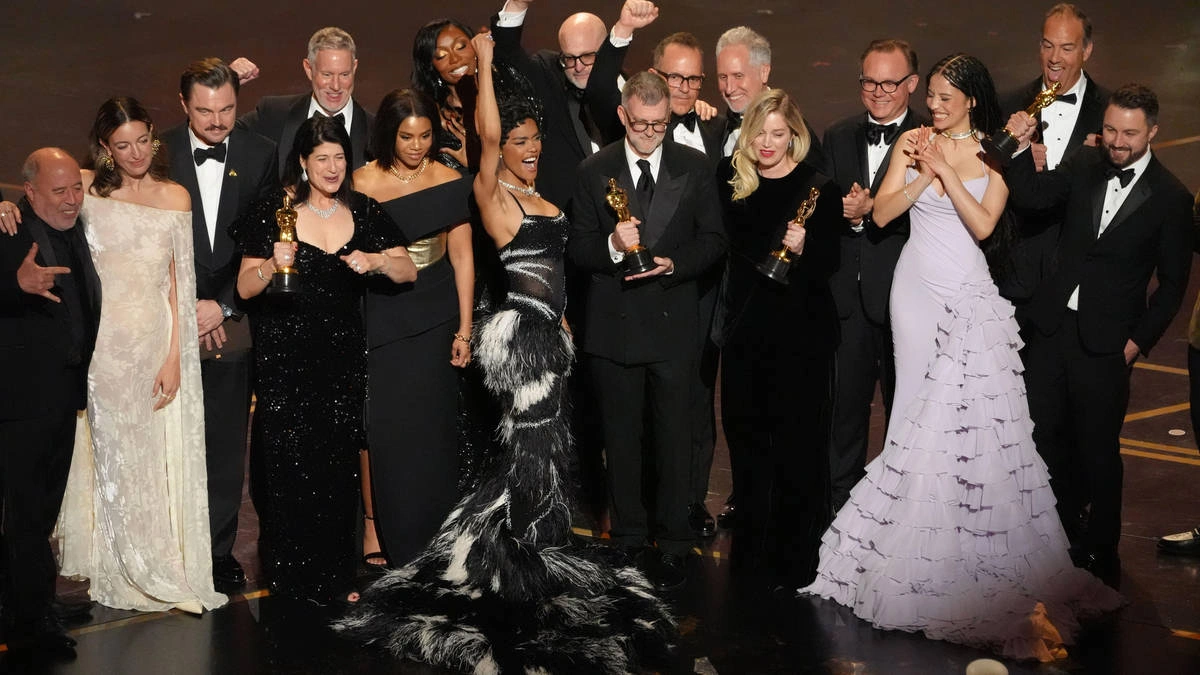
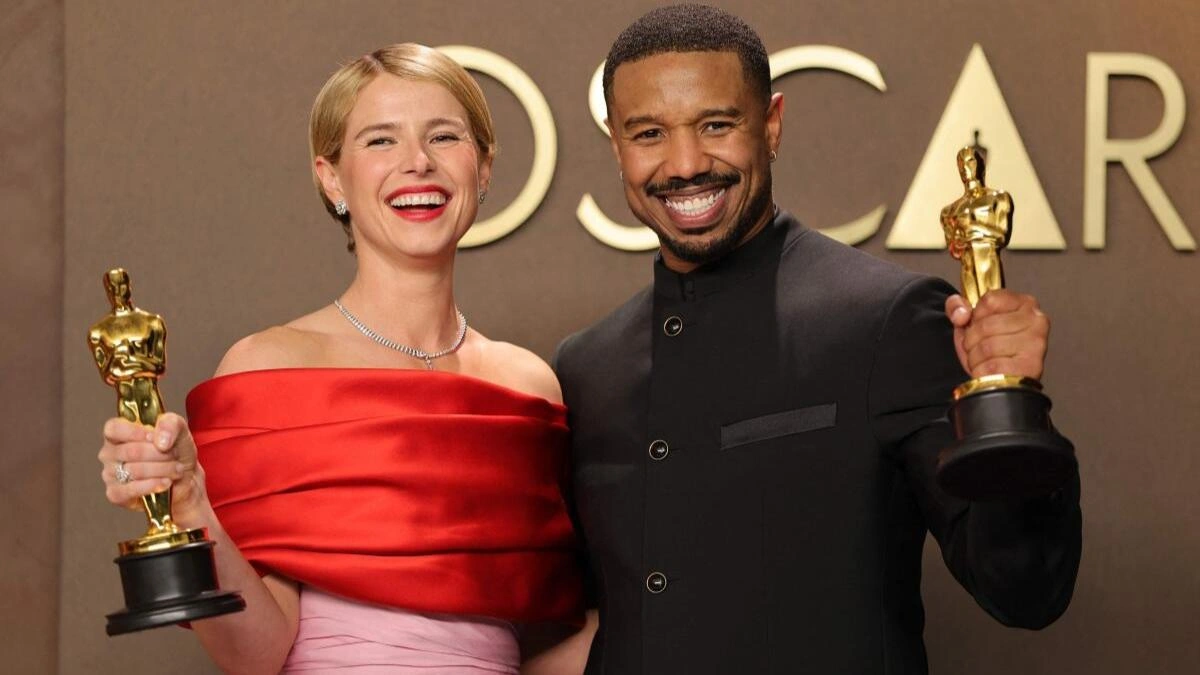
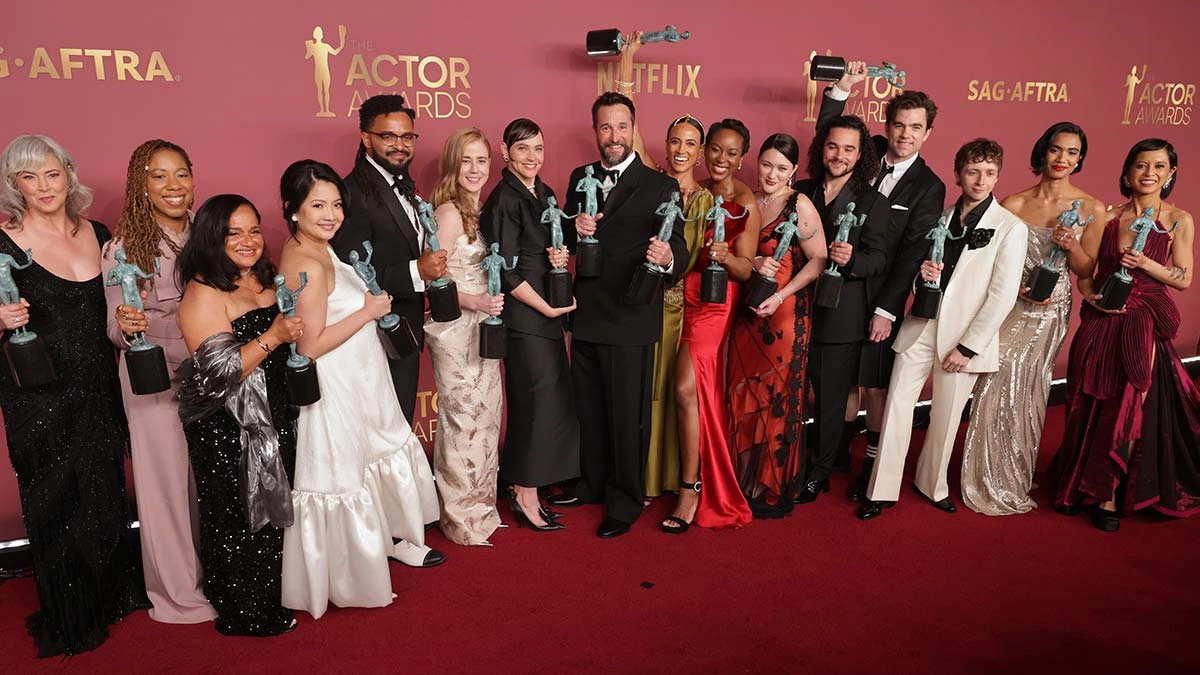
New actors often lose opportunities, or money, because they do not yet understand standard industry practices. Learning about industry recognition and awards for actors can also help beginners understand professional acting standards. Avoiding a few common pitfalls will protect your reputation and wallet.
-
Paying Upfront Fees to Agents or Managers: Legitimate talent agents never charge upfront fees, registration fees, or mandatory class fees. Agents earn a commission (typically 10% to 20%) only after they help you book paid work.
-
Submitting Over-Edited or Outdated Photos: If you walk into an audition looking completely different from your headshot, casting directors will immediately lose trust in your professionalism.
-
Ignoring Audition Instructions: Failing to follow basic guidelines—such as slating your name, framing the shot correctly, or submitting before the deadline—is the quickest way to have your audition skipped.
-
Turning Down Unpaid Credits Too Early: While you should never tolerate unsafe working conditions, refusing unpaid student films or community theater when you have zero credits deprives you of the footage and experience needed to qualify for paid work later.
-
Waiting Until You Feel “Ready”: Confidence in acting comes from auditioning and performing. Treat every audition as an opportunity to practice your craft rather than a pass-or-fail test.
Frequently Asked Questions
Can I become an actor with zero experience and no agent?
Yes. Almost all actors book their earliest roles without an agent by submitting themselves directly to open casting calls, student films, background roles, and community theater productions. Talent agents typically consider signing new clients only after those actors have built a basic resume and demo reel on their own.
How old is too old to start acting with no experience?
There is no upper age limit for starting an acting career. Film, television, and advertising constantly need actors across every age bracket—including middle-aged adults and seniors—and older beginners often face less competition than young adults in their twenties.
Do I need acting classes before auditioning?
You do not need formal classes to audition for background work, commercials, or community theater, though taking a beginner scene study or improv class is strongly recommended. Classes teach you how to break down a script, take direction, and manage audition nerves in a supportive environment.
How long does it take to get your first acting role?
Many beginners book their first background role or student film within a few weeks to a few months of actively submitting to casting calls. Landing paid speaking roles in professional film or television usually takes longer, often ranging from several months to a few years of consistent training and auditioning.
What should I wear to a beginner audition?
Wear clean, fitted, everyday clothing in solid colors that hints at the character’s vibe without turning into a full costume. Avoid bright white, pure black, busy patterns, or visible brand logos, as these can distract casting directors or cause visual distortion on camera.
How do I make an acting demo reel with no credits?
Start by acting in student films and independent short projects that provide copies of the finished footage. Once you have two or three short clips showing different emotional tones, edit your best 60 to 90 seconds of dialogue together, placing your strongest performance first.
Final Thoughts
Landing acting roles with no experience comes down to consistency, preparation, and realistic expectations. Start with accessible entry points like background work, student films, commercials, and local theater to learn how productions operate and gather your first credits.
Keep your headshots simple, learn to record clean self-tapes, and treat every audition as valuable practice. With steady effort and professionalism, your early credits will gradually open the door to larger, paid opportunities.