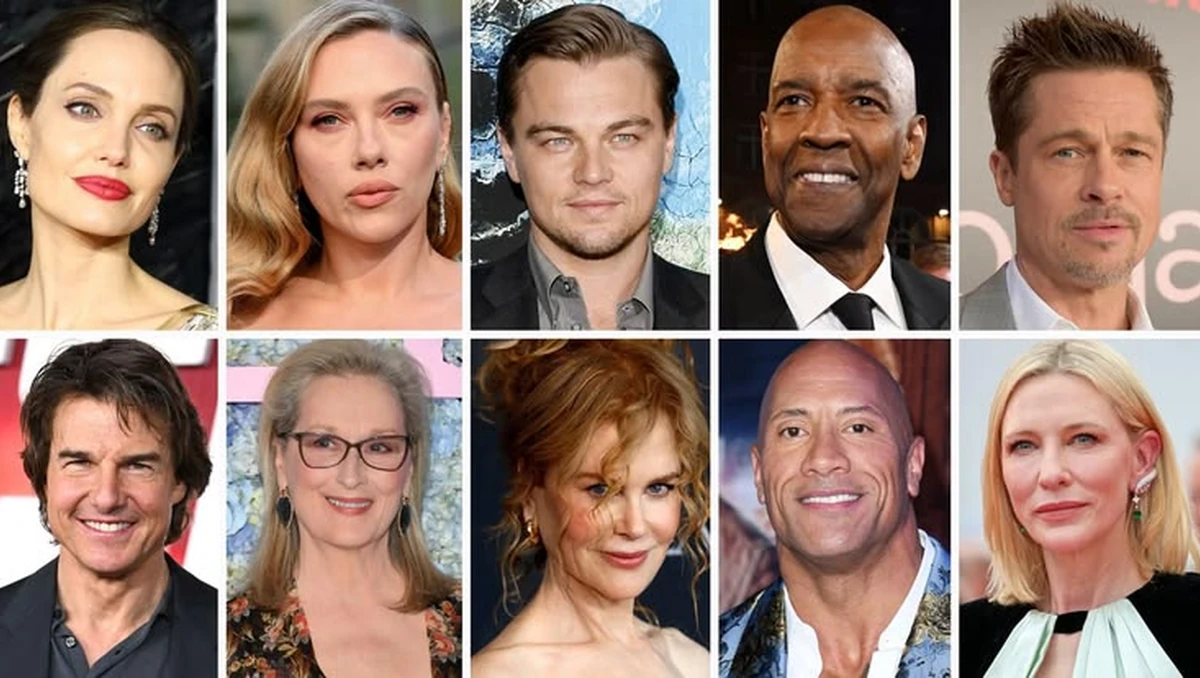
The most famous action actors in film history combine physical athleticism, screen charisma, and an ability to convey high stakes through movement rather than dialogue alone.
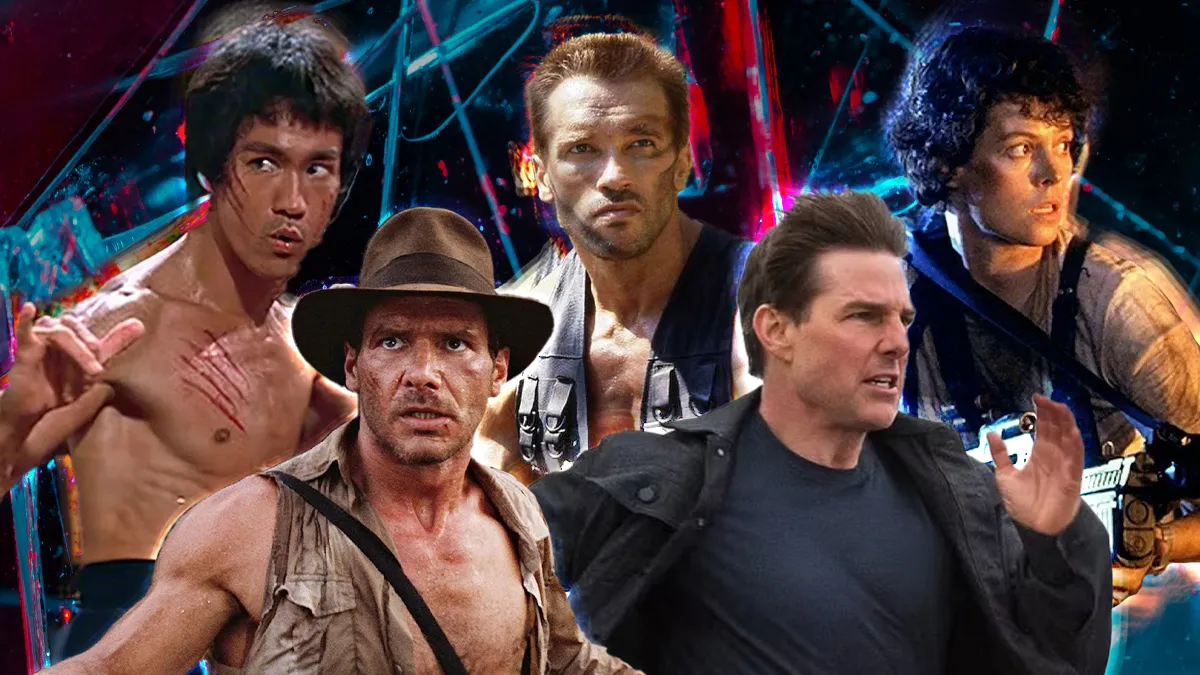
From martial arts pioneers like Bruce Lee and Jackie Chan to blockbuster titans like Arnold Schwarzenegger, Keanu Reeves, and Michelle Yeoh, these performers shaped global box-office culture and transformed how filmmakers choreograph and shoot physical storytelling.
Action cinema relies heavily on the credibility of its lead performer. When audiences watch a rooftop chase, a hand-to-hand brawl, or a high-speed stunt sequence, their emotional investment depends on whether the actor on screen feels capable, grounded, and present in the danger.
Over the decades, the definition of an action star has evolved from larger-than-life muscle heroes to versatile dramatic actors who undergo months of tactical and martial arts training.
What Makes a Great Action Actor?
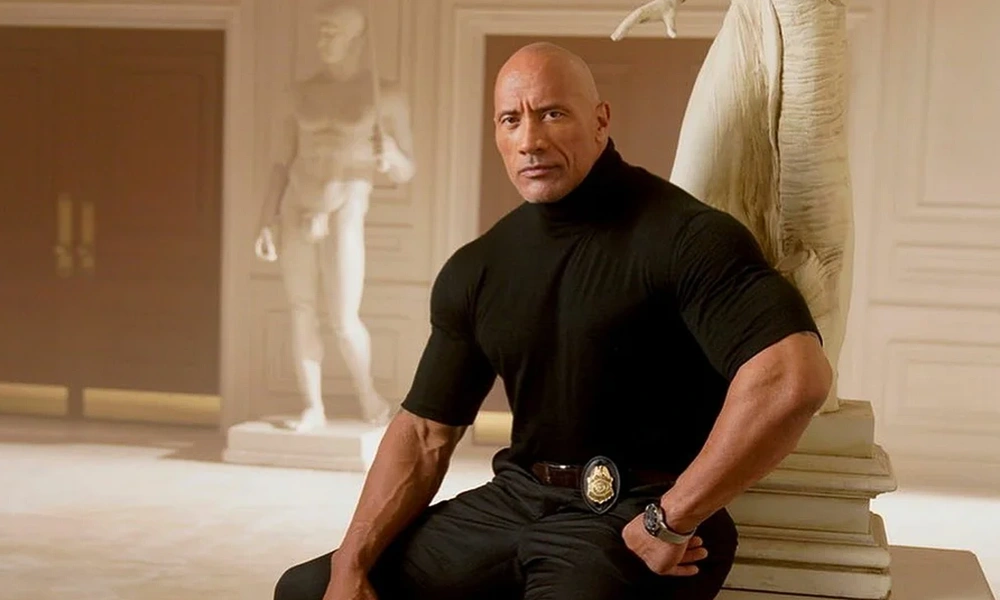
Dwayne Johnson brings intense presence and action star charisma to a sleek, museum-set scene.
Not every movie star can carry an action franchise. While drama relies primarily on vocal delivery and subtle facial expressions, action filmmaking demands a distinct set of physical and storytelling skills.
-
Physicality and Movement: Great action performers know how to tell a story with their bodies. Even without lines, their posture, footwork, and facial reactions communicate exhaustion, determination, or pain.
-
Screen Presence: Action films often pit a single protagonist against overwhelming odds. A memorable action star commands the frame effortlessly, making audiences believe they can survive impossible situations.
-
Stunt Commitment: While professional stunt doubles remain essential for safety, top action stars frequently perform much of their own choreography. This commitment allows directors to use wider shots and longer takes without cutting away to hide a double.
-
Emotional Grounding: The best action heroes are rarely invincible machines. Performers who show vulnerability, humor, or moral conflict make the physical spectacle matter to the audience.
Pioneers Who Built the Action Genre
Long before modern visual effects, early action stars established the physical vocabulary of the genre through silent comedy, swashbuckling adventure, and martial arts.
Bruce Lee
Bruce Lee revolutionized action cinema in the early 1970s by bringing authentic, high-speed martial arts to international audiences. Through films like The Big Boss, Fist of Fury, and Enter the Dragon, Lee replaced theatrical, exaggerated stage fighting with realistic, explosive choreography. His philosophy of adaptability and minimalist efficiency influenced generations of performers, stunt coordinators, and fight directors worldwide.
Jackie Chan
Where Bruce Lee represented unstoppable precision, Jackie Chan built his legacy on vulnerability, acrobatic ingenuity, and physical comedy. Drawing inspiration from silent film stars like Buster Keaton, Chan turned everyday environments—ladders, chairs, scaffolding, and folding tables—into dynamic props. Performing some of the most dangerous unassisted stunts in cinema history in films such as Police Story and Drunken Master II, he proved that humor and genuine physical peril could coexist on screen.
Toshiro Mifune
In Japanese cinema, Toshiro Mifune set the gold standard for the reluctant warrior. Collaborating frequently with director Akira Kurosawa in classics like Seven Samurai and Yojimbo, Mifune brought raw intensity, explosive swordsmanship, and grounded humanity to the screen. His performances directly inspired Western gunslingers and modern antiheroes.
The 1980s and 1990s Blockbuster Era
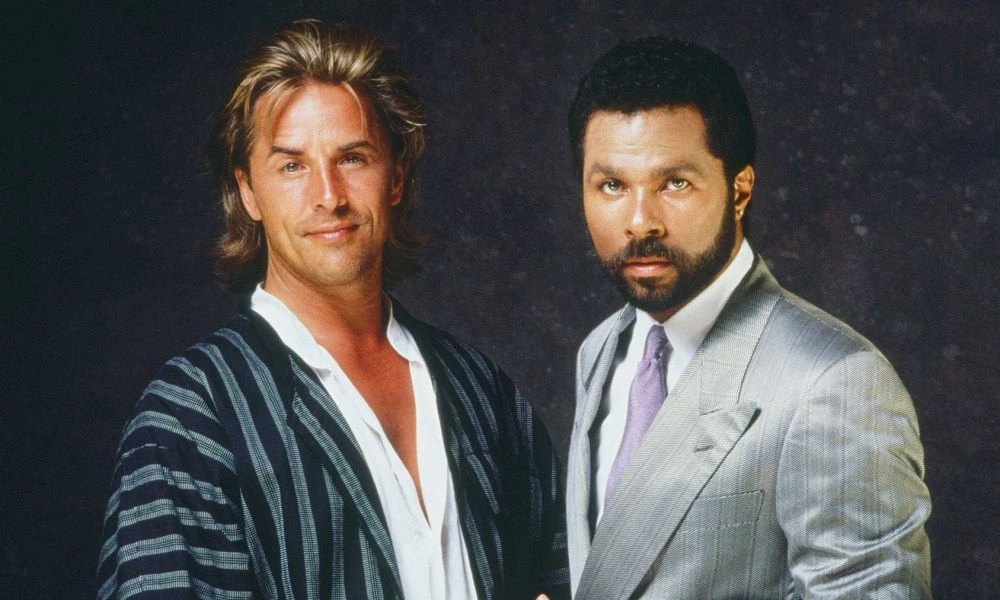
Relive the iconic style and timeless partnership of television’s most legendary crime-fighting duo.
During the 1980s and 1990s, action movies became the dominant force at the global box office. Studios built entire franchises around larger-than-life personalities whose physiques and one-liners became cultural touchstones.
Arnold Schwarzenegger
A former competitive bodybuilder, Arnold Schwarzenegger became the ultimate symbol of 1980s action cinema. His towering physique and deadpan delivery powered era-defining hits including The Terminator, Commando, Predator, and Terminator 2: Judgment Day. Schwarzenegger demonstrated a keen instinct for pairing his intimidating physical presence with self-aware humor and visionary directors.
Sylvester Stallone
Sylvester Stallone reshaped the genre by creating two of its most enduring characters: boxer Rocky Balboa and Vietnam veteran John Rambo. Unlike invulnerable heroes, Stallone’s characters often endured severe punishment before finding the resilience to fight back. His ability to write, direct, and star in his own vehicles gave his action films a distinct personal stamp.
Bruce Willis
When Bruce Willis was cast as New York police detective John McClane in 1988’s Die Hard, he subverted the muscle-bound template of the decade. Willis played an ordinary, vulnerable everyman—barefoot, bleeding, and sarcastic—trapped in a skyscraper with heavily armed terrorists. His grounded performance ushered in a wave of relatable, blue-collar action heroes throughout the 1990s.
Sigourney Weaver
Sigourney Weaver shattered gender barriers in action and sci-fi cinema as Ellen Ripley in Alien and James Cameron’s Aliens. Rather than imitating male action tropes, Weaver grounded Ripley in maternal protectiveness, intelligence, and sheer survival instinct, earning an Academy Award nomination for Aliens and proving that female-led action films could achieve massive critical and commercial success.
Linda Hamilton
Linda Hamilton delivered one of cinema’s most dramatic physical transformations for Terminator 2: Judgment Day. Evolving from a terrified waitress in the original film into a hardened, tactical survivor, Hamilton set a new benchmark for physical preparation and intensity in action roles.
Modern Action Icons and Martial Arts Masters
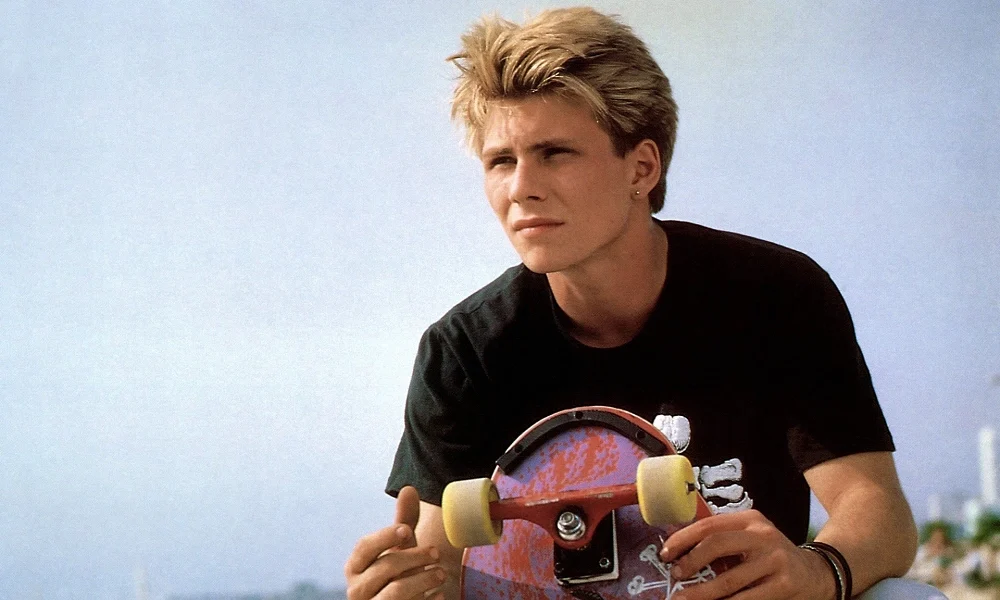
Capturing the effortless cool and rebellious spirit of classic youth skateboarding culture.
In the 21st century, action cinema shifted toward hyper-realistic fight choreography, practical stunt work, and seamless blending of dramatic acting with physical discipline.
Tom Cruise
Few actors in film history have matched Tom Cruise’s dedication to large-scale practical stunts. Particularly through the Mission: Impossible franchise and Top Gun: Maverick, Cruise has scaled the Burj Khalifa, hung onto the outside of a departing cargo plane, and piloted fighter jets on camera. His commitment to real-world physics gives his films a visceral tension that computer-generated imagery rarely replicates.
Keanu Reeves
Keanu Reeves has anchored multiple landmark action franchises across three decades, including Speed, The Matrix, and John Wick. In the John Wick series, Reeves revitalized American action filmmaking by mastering “gun-fu”—a fluid blend of judo, Brazilian jiu-jitsu, and tactical firearms handling—shot in clear, wide angles that highlight his real-time physical execution.
Michelle Yeoh
Michelle Yeoh’s career spans decades of Hong Kong action classics and international acclaim. Rising to fame in films like Yes, Madam and Supercop—where she performed daring stunts alongside Jackie Chan—Yeoh later captivated global audiences in Crouching Tiger, Hidden Dragon and Everything Everywhere All at Once. Her background in dance gives her martial arts choreography a rare grace and emotional resonance.
Donnie Yen
Donnie Yen is widely regarded as one of the finest martial arts choreographers and performers of the modern era. Best known for portraying Wing Chun grandmaster Ip Man in the Ip Man film series, as well as memorable turns in Hero, Rogue One, and John Wick: Chapter 4, Yen blends traditional Chinese martial arts with mixed martial arts (MMA) techniques to create crisp, hard-hitting fight sequences.
Jason Statham
A former competitive diver, Jason Statham emerged in the early 2000s as a reliable leading man in streamlined, hard-boiled action thrillers. Through series like The Transporter, Crank, and The Expendables, Statham built a loyal following thanks to his gruff charisma, dry wit, and proficiency in kickboxing and hand-to-hand combat.
Charlize Theron
Charlize Theron established herself as a premier modern action star through ferocious, physically demanding roles in Mad Max: Fury Road, Atomic Blonde, and The Old Guard. As Imperator Furiosa and Lorraine Broughton, Theron embraced brutal, exhausting close-quarters combat, demonstrating the visible toll of every punch and fall.
Dwayne Johnson
Transitioning from professional wrestling to global cinema, Dwayne Johnson brought unmatched charismatic energy and massive scale to franchises like Fast & Furious and Jumanji. Johnson represents the modern evolution of the classic 1980s powerhouse archetype, combining imposing size with approachable humor and family-friendly appeal.
Comparing Eras of Action Cinema
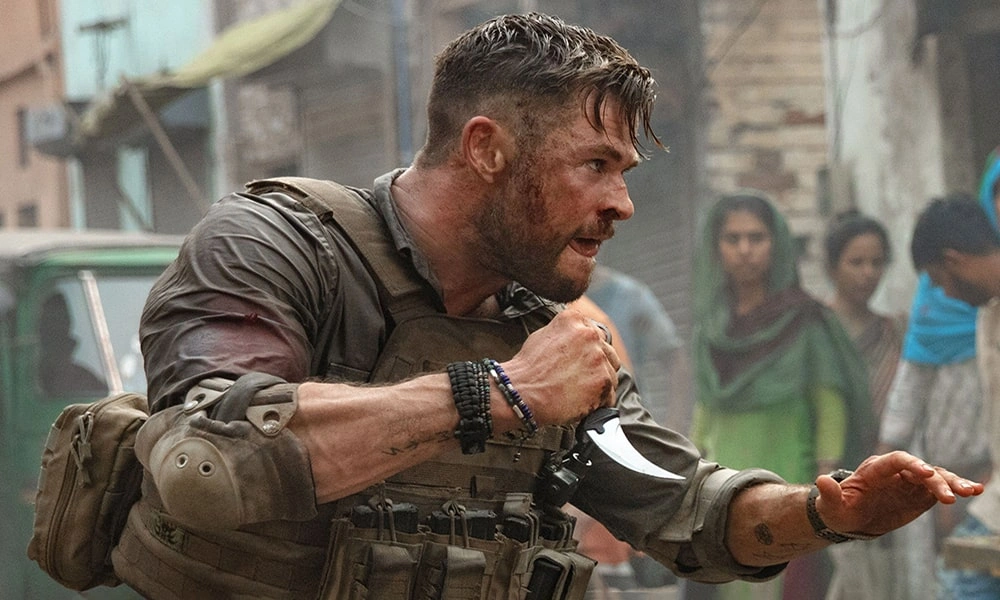
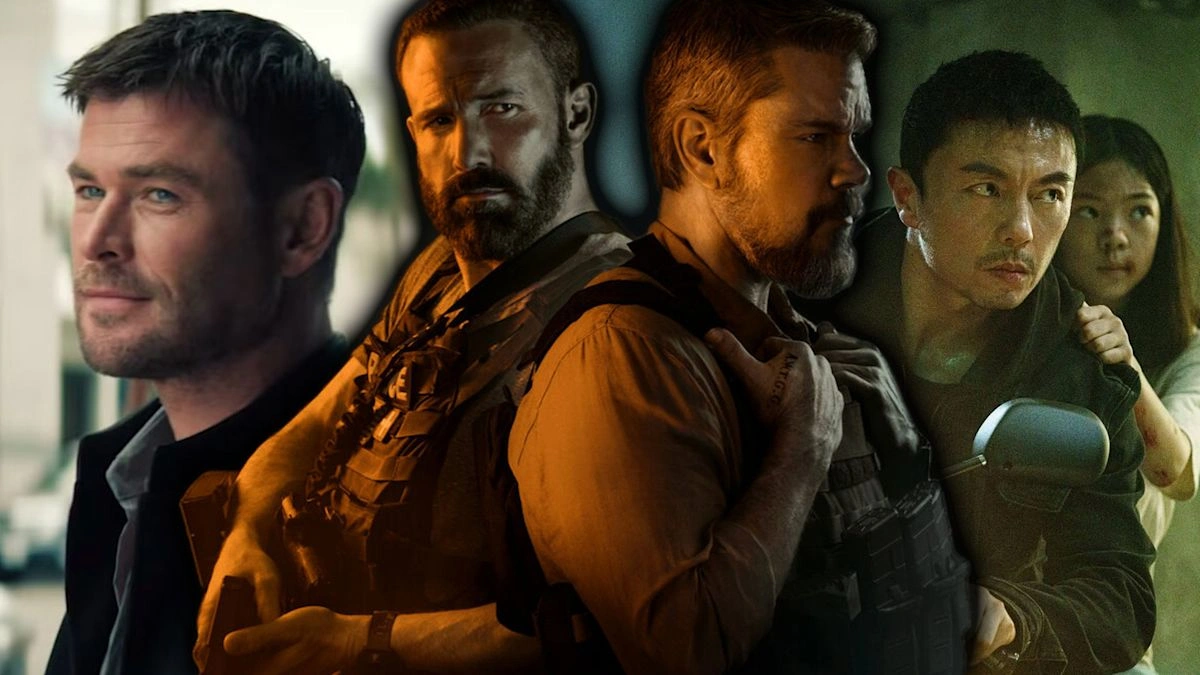
Experience high-octane cinematic action with Chris Hemsworth delivering an intense, gritty performance on the front lines.
Understanding how action stars have changed over time highlights how audience tastes and filmmaking technology evolve together. Their careers also reflect the wider acting industry, from the recognition celebrated through different types of awards for actors to the opportunities available through acting roles with no experience and acting jobs for beginners.
| Era | Defining Style | Key Characteristics | Notable Representatives |
| 1970s | Martial Arts & Gritty Realism | Fast, unedited hand-to-hand combat; authentic martial arts backgrounds | Bruce Lee, Jackie Chan, Sonny Chiba |
| 1980s | High-Concept Blockbusters | Larger-than-life physiques, heavy weaponry, iconic catchphrases | Arnold Schwarzenegger, Sylvester Stallone, Sigourney Weaver |
| 1990s | Everyman & Hong Kong Crossover | Relatable protagonists, high-octane gunplay (“heroic bloodshed”), wire-fu | Bruce Willis, Keanu Reeves, Jet Li, Michelle Yeoh |
| 2000s–Present | Practical Stunts & Tactical Combat | MMA-influenced fight choreography, real-world extreme stunts, long takes | Tom Cruise, Donnie Yen, Charlize Theron, Jason Statham |
Final Thoughts
The legacy of famous action actors rests on far more than explosions and fight scenes. Whether it is Bruce Lee’s philosophy of movement, Sigourney Weaver’s grounded resilience, or Tom Cruise’s fearless pursuit of practical spectacle, the best action stars turn physical motion into compelling storytelling. As filmmaking technology continues to advance, the performers who endure are always those willing to put real sweat, discipline, and humanity into every frame.
Frequently Asked Questions
Who is considered the greatest action actor of all time?
While rankings are subjective, Bruce Lee, Jackie Chan, Arnold Schwarzenegger, and Tom Cruise are most frequently cited at the top. Bruce Lee revolutionized fight choreography, Jackie Chan redefined physical stunt comedy, Schwarzenegger dominated global box-office culture, and Cruise set the modern standard for large-scale practical stunts.
Which action actors do their own stunts?
Jackie Chan and Tom Cruise are the most famous examples of actors who routinely perform their own high-risk stunts. Other performers known for executing the vast majority of their own fight choreography and physical sequences include Keanu Reeves, Michelle Yeoh, Donnie Yen, Jason Statham, and Charlize Theron.
How do actors train for modern action roles?
Modern action training typically lasts three to six months before filming begins. Actors work with stunt coordinators, martial arts instructors, and strength coaches to learn specific combat styles—such as judo, boxing, kickboxing, or swordsmanship—alongside weapons handling, wire work, and injury-prevention conditioning.
What is the difference between martial arts actors and traditional action stars?
Martial arts actors, such as Bruce Lee, Jet Li, and Donnie Yen, have decades of formal combat training before entering film, allowing them to design and execute complex physical choreography at high speed. Traditional action stars often come from dramatic acting, bodybuilding, or athletics and rely on targeted movie choreography, charismatic screen presence, and stunt teams to sell the action.
Why are practical stunts preferred over CGI in modern action movies?
Practical stunts, real vehicles, real physical combat, and real heights, engage audiences more deeply because viewers subconsciously recognize real weight, momentum, and danger. While CGI is useful for safety enhancements like removing harnesses, purely digital action often lacks the visceral tension of a real performer on screen.