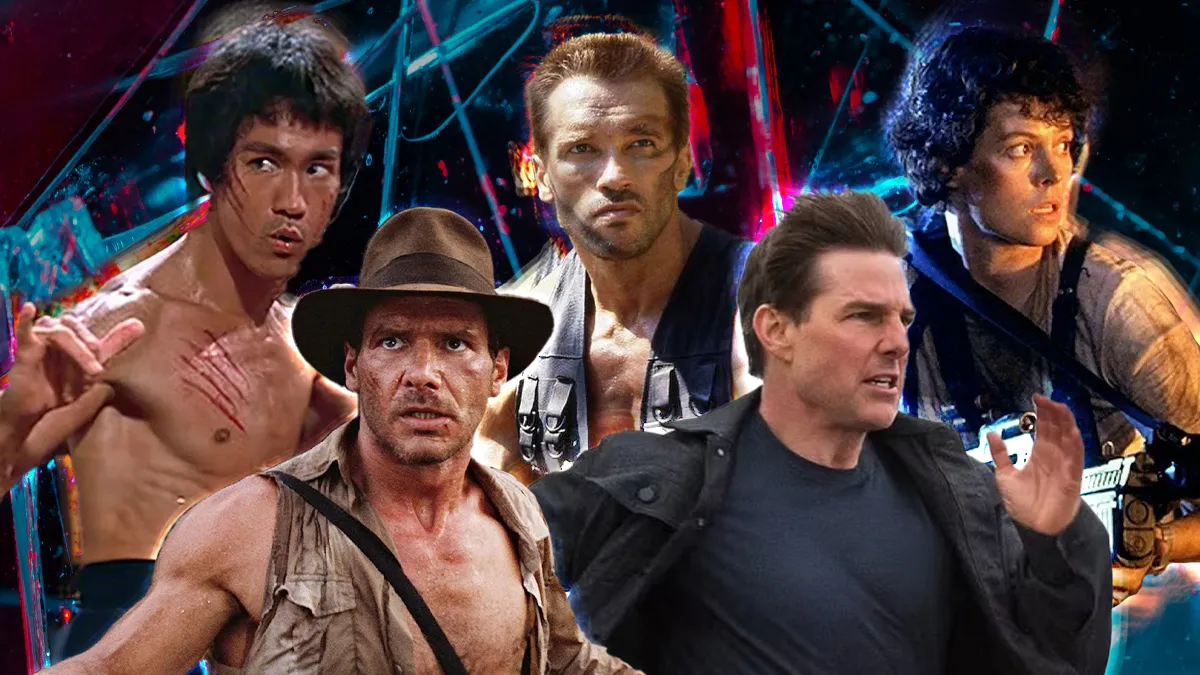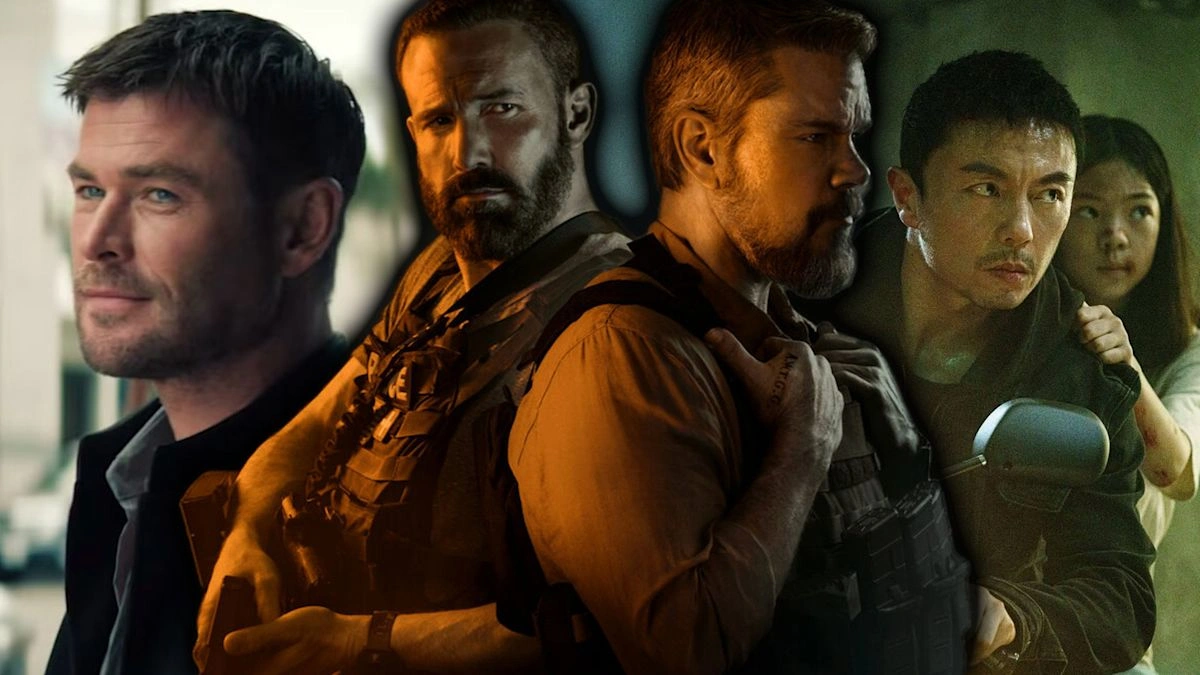
The best action movie actors combine physical athleticism, screen presence, and emotional conviction to make high-stakes thrills believable. Across decades of filmmaking, performers ranging from martial arts legends like Bruce Lee and Jackie Chan to modern stunt-driven stars like Tom Cruise and Keanu Reeves have shaped how audiences experience spectacle on screen.
Great action cinema relies on more than explosions and visual effects. When viewers genuinely care about whether a hero survives a rooftop chase or an outnumbered hand-to-hand fight, it is usually because the performer brings unmistakable charisma, discipline, and vulnerability to the role. Understanding what separates memorable action stars from forgettable ones reveals how the genre has evolved and why certain actors remain timeless box-office draws.
What Makes a Great Action Movie Actor?
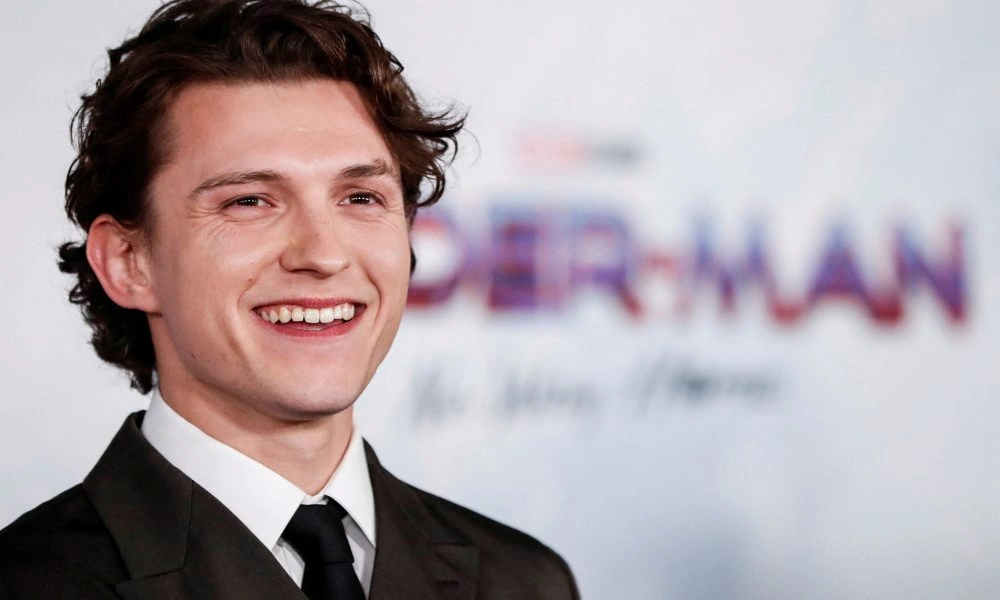
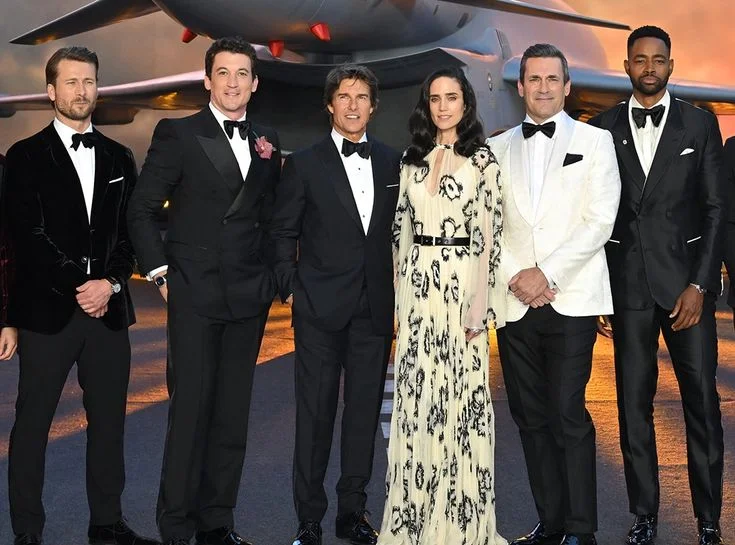
Tom Holland brings charm and excitement to the red carpet ahead of a major blockbuster premiere.
Not every charismatic actor thrives in physically demanding roles, and not every elite athlete translates well on camera. The most enduring action stars master a rare combination of physical and dramatic skills.
Physicality and Stunt Credibility
Audiences can immediately sense when a performer understands movement, balance, and combat rhythm. Actors trained in martial arts, gymnastics, dance, or military tactics bring authenticity to fight choreography and chase sequences. Even when professional stunt doubles handle the most hazardous moments, a lead actor’s spatial awareness allows directors to use wider shots and longer takes instead of relying on rapid, disorienting cuts.
Screen Presence and Charisma
Action heroes often communicate as much through posture, timing, and facial expression as through dialogue. Whether projecting quiet stoicism, dry humor, or relentless determination, top performers command attention even in silent sequences. That magnetism turns straightforward rescue missions or revenge plots into iconic cinematic moments.
Emotional Grounding and Vulnerability
Early action stereotypes favored invincible heroes who rarely showed fear or pain. Modern audiences, however, connect far more deeply with characters who bleed, exhaust themselves, and make mistakes. Actors who convey genuine exhaustion and emotional stakes make every punch and near-miss feel consequential.
Golden Age Pioneers and Martial Arts Legends
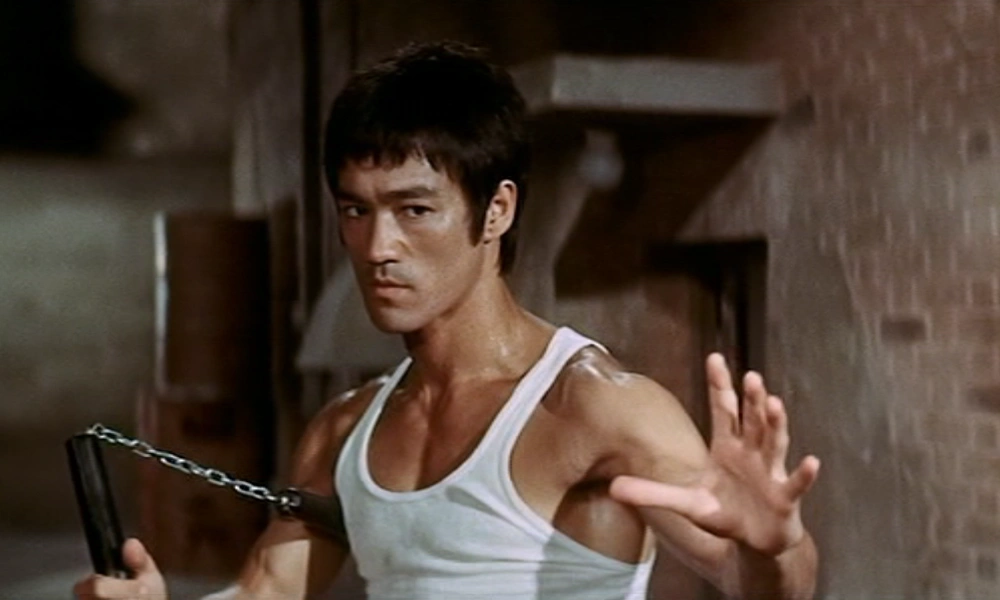
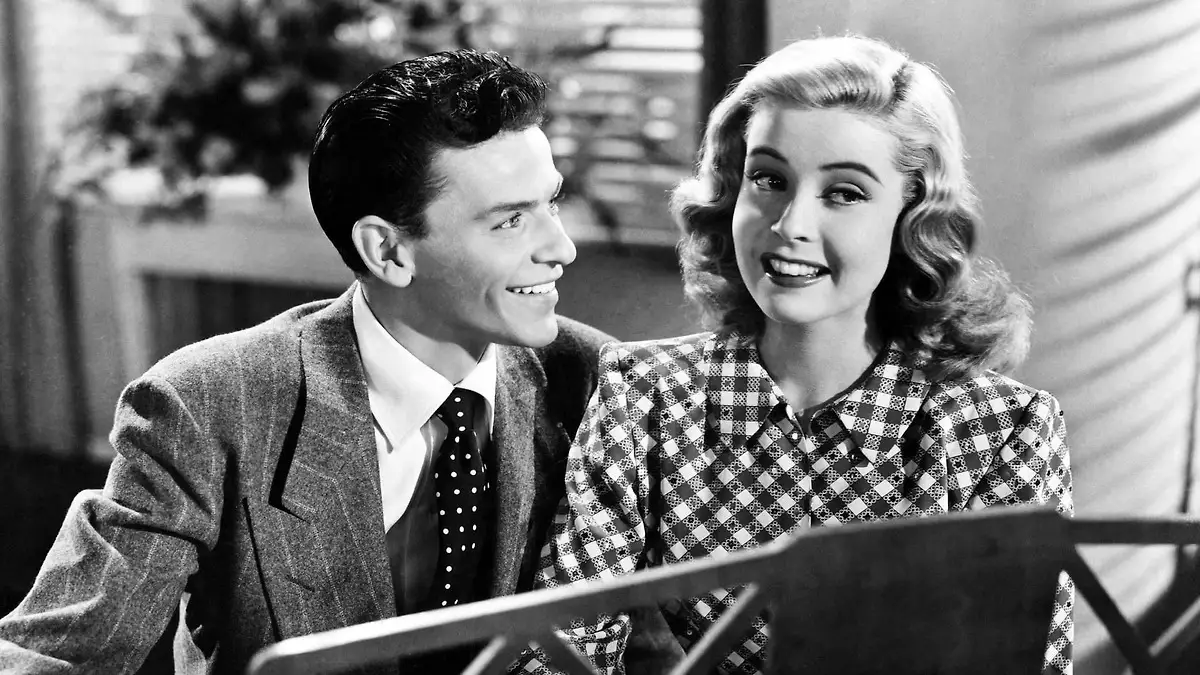
Unmatched focus, speed, and precision from martial arts legend Bruce Lee in an iconic action scene.
Before computer-generated effects reshaped filmmaking, early action movie actors built the genre’s foundation through acrobatic precision and daring physical commitment.
Bruce Lee
Bruce Lee transformed martial arts cinema in the early 1970s with films such as Enter the Dragon and Fist of Fury. Rather than relying on theatrical, slow-paced stage combat, Lee introduced fast, realistic Jeet Kune Do techniques paired with intense screen presence. His influence extends far beyond Hong Kong cinema, inspiring generations of fighters, stunt coordinators, and Hollywood leads.
Jackie Chan
Jackie Chan blended acrobatic martial arts with physical comedy inspired by silent-era stars like Buster Keaton. In classics such as Police Story and Drunken Master II, Chan famously performed dangerous stunts himself, turning everyday objects—ladders, chairs, and scaffolding—into inventive fight props. His willingness to show his characters getting hurt made his action sequences both thrilling and deeply relatable.
Michelle Yeoh
Michelle Yeoh broke barriers in Hong Kong action cinema during the 1980s and 1990s before gaining global acclaim in Crouching Tiger, Hidden Dragon and Everything Everywhere All at Once. Trained in ballet rather than traditional martial arts, Yeoh used rhythm, flexibility, and fearless stunt work to deliver some of cinema’s most graceful and punishing fight scenes.
The 1980s and 1990s Action Heavyweights
During the 1980s and 1990s, Hollywood action cinema shifted toward larger-than-life heroes, practical pyrotechnics, and quotable one-liners. This era also brought greater recognition to performers through different types of awards for actors, while inspiring aspiring performers to explore acting roles with no experience and acting jobs for beginners.
Arnold Schwarzenegger and Sylvester Stallone
Arnold Schwarzenegger and Sylvester Stallone defined the muscular action archetype of the 1980s. Schwarzenegger paired imposing physicality with unexpected comedic timing in The Terminator, Predator, and True Lies. Stallone brought gritty vulnerability and working-class resilience to First Blood and Cliffhanger, proving that tough-guy heroes worked best when audiences felt their emotional wounds.
Bruce Willis
Bruce Willis disrupted the invincible-hero formula in 1988 with Die Hard. Playing John McClane—an ordinary New York cop trapped barefoot in a Los Angeles skyscraper—Willis relied on wit, desperation, and improvisation rather than superhuman strength. His performance created the blueprint for the “reluctant everyman” action protagonist.
Sigourney Weaver and Linda Hamilton
Sigourney Weaver (Aliens) and Linda Hamilton (Terminator 2: Judgment Day) redefined female action leads by anchoring sci-fi spectacle in maternal ferocity and tactical competence. Their performances demonstrated that psychological transformation—watching an ordinary person harden into a survivor—is one of the most compelling arcs in action storytelling.
Modern Action Stars Pushing Practical Limits
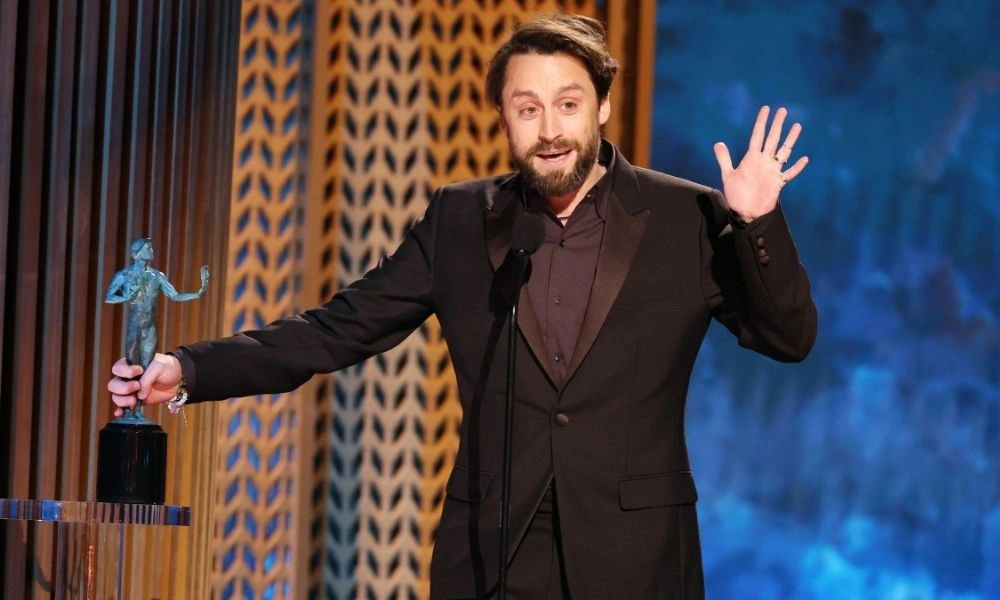
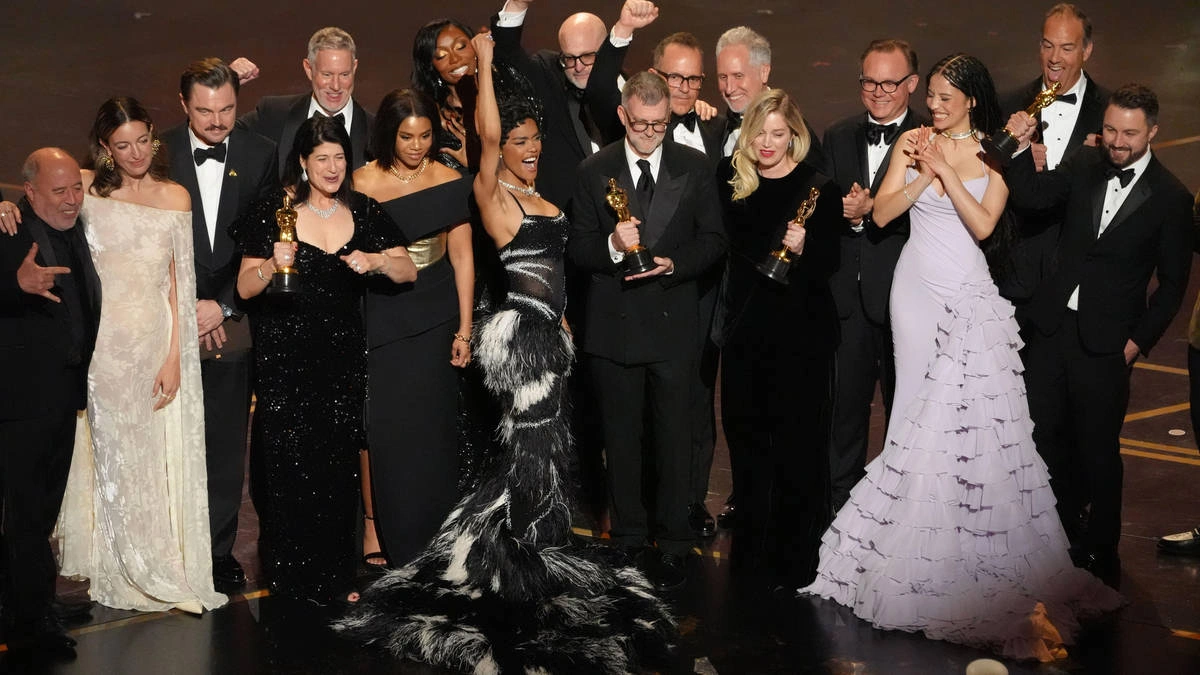
Celebrating a well-deserved award win with a joyful speech on the grand stage.
In an era dominated by digital effects, several contemporary actors stand out by emphasizing real-world stunts, rigorous combat training, and tactile filmmaking.
Tom Cruise
Tom Cruise has become synonymous with large-scale practical stunts in the Mission: Impossible franchise and Top Gun: Maverick. From scaling the Burj Khalifa to piloting real fighter jets and performing high-altitude parachute jumps, Cruise treats physical risk as a storytelling tool. Placing the lead actor directly inside real environments allows cameras to capture genuine physical tension that digital doubles cannot replicate.
Keanu Reeves
Keanu Reeves revitalized modern gun-fu and close-quarters combat through the John Wick series. Investing months into judo, Brazilian jiu-jitsu, tactical firearms handling, and stunt driving, Reeves enabled director Chad Stahelski to film intricate, long-take action choreography with minimal editing tricks.
Charlize Theron
Charlize Theron established herself among the premier modern action performers with Mad Max: Fury Road, Atomic Blonde, and The Old Guard. In Atomic Blonde, Theron executed grueling, realistic stairwell brawls that emphasized fatigue, bruising, and survival instincts over effortless perfection.
Donnie Yen and Tony Jaa
Donnie Yen (Ip Man, John Wick: Chapter 4) and Tony Jaa (Ong-Bak) kept traditional martial arts cinema at the forefront of global action. Yen is renowned for blending mixed martial arts realism with classic Wing Chun speed, while Jaa stunned audiences with gravity-defying Muay Thai acrobatics performed without wires or digital enhancement.
Comparing Classic and Modern Action Styles
Action cinema has evolved significantly in how performers prepare, how cameras capture movement, and what audiences expect from heroes.
| Feature | Classic 1980s–1990s Action | Modern Action Cinema |
| Hero Archetype | Larger-than-life, stoic, often muscle-bound | Grounded, flawed, emotionally complex |
| Combat Style | Heavy brawling, shootouts, explosive set pieces | Tactical gunplay, mixed martial arts, realistic grappling |
| Camera & Editing | Medium shots, practical explosions, steady pacing | Long takes for trained stars, immersive first-person angles |
| Actor Preparation | General bodybuilding and basic weapons handling | Months of specialized martial arts, firearms, and stunt training |
| Stunt Philosophy | Heavy reliance on stunt doubles for high-risk shots | Blend of practical actor-performed stunts and digital safety rigging |
How Action Actors Prepare for Demanding Roles?
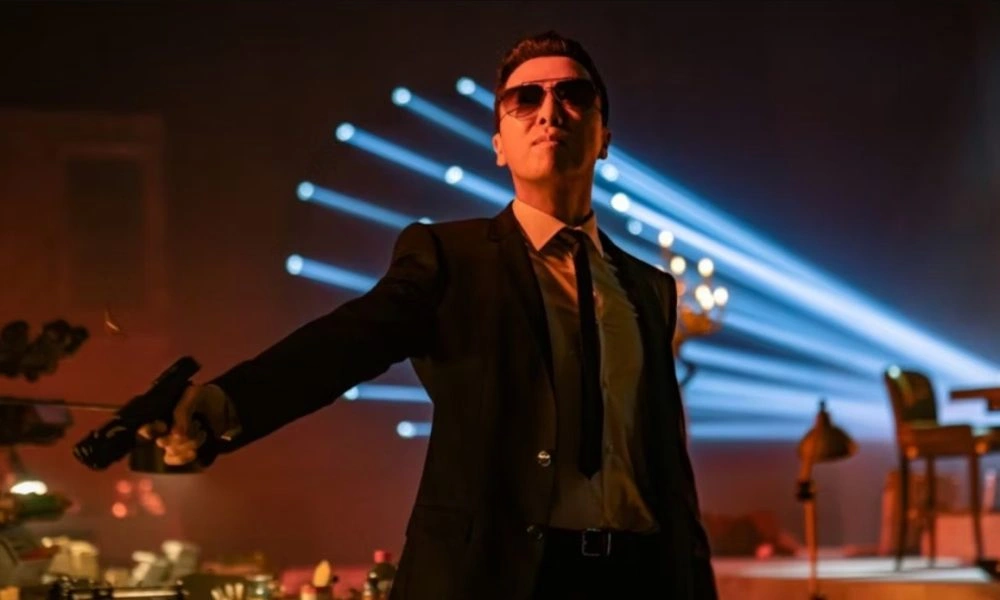
Yen commands the screen with effortless cool and precision in this high-action cinematic shot.
Behind every convincing two-minute fight scene lies months of structured physical and technical preparation.
-
Combat and Martial Arts Choreography: Actors work closely with stunt coordinators to memorize dozens of sequential movements, learning how to sell strikes safely while maintaining proper distance and camera angles.
-
Strength, Mobility, and Injury Prevention: Unlike purely aesthetic bodybuilding, modern action conditioning prioritizes joint stability, core endurance, and flexibility so performers can repeat exhausting takes across 12-hour shoot days.
-
Tactical and Vehicle Training: Roles involving firearms, motorcycles, or precision driving require extensive safety drills on closed courses so actors can operate equipment confidently while staying in character.
-
Mental Focus Under Fatigue: Performing complex choreography near heat, rain, wires, or moving vehicles demands calm concentration to protect both the actor and the stunt crew.
Common Misconceptions About Action Movie Stars
Because action films prioritize excitement, audiences often misunderstand what goes into making them work.
-
“Action acting requires less talent than drama.” Conveying fear, determination, and character motivation while sprinting, sparring, or hanging from harnesses requires tremendous physical and emotional control.
-
“Doing your own stunts is always better.” While practical stunts enhance realism, professional stunt performers exist for good reason. Production shutdowns caused by a lead actor’s injury can jeopardize hundreds of crew jobs, so smart productions balance star involvement with expert stunt doubles.
-
“Great choreography alone makes a great action movie.” Even the most technically impressive fight falls flat if the audience does not understand the character’s goal or care about the outcome.
Frequently Asked Questions
Who is considered the greatest action movie actor of all time?
There is no single consensus pick because different actors excelled in different eras and styles. Bruce Lee and Jackie Chan are widely regarded as the greatest martial arts pioneers, Arnold Schwarzenegger and Sylvester Stallone defined 1980s Hollywood blockbusters, and Tom Cruise and Keanu Reeves lead modern stunt-driven action cinema.
Which action actors do their own stunts?
Jackie Chan, Tom Cruise, Keanu Reeves, Michelle Yeoh, Charlize Theron, Donnie Yen, and Tony Jaa are well known for performing a high percentage of their own fight choreography and physical stunts. However, insurance rules and safety protocols still require professional stunt doubles for the most dangerous sequences.
What is the difference between an action star and a martial arts actor?
A martial arts actor possesses formal, lifelong training in fighting disciplines such as kung fu, karate, taekwondo, or Muay Thai, making hand-to-hand combat the centerpiece of their films. An action star may rely more on dramatic charisma, tactical gunplay, vehicle chases, or large-scale spectacle rather than traditional martial arts mastery.
How long do actors train for action movies?
Preparation typically lasts anywhere from eight weeks to six months before filming begins, depending on the complexity of the stunts. Intensive franchises like John Wick or Mission: Impossible often require months of daily martial arts, firearms, or specialized vehicle training prior to production.
Why do modern action movies use longer camera takes?
Longer camera takes allow audiences to clearly see the choreography, spatial geography, and physical skill of the performers. When actors train extensively in martial arts or stunt work, directors do not need rapid editing cuts to hide a lack of technique, resulting in more immersive action sequences.
Who are the top rising action movie actors today?
Performers such as Florence Pugh, Lewis Tan, Simu Liu, Dev Patel, and Scott Adkins have gained strong recognition for combining dramatic range with dedicated physical and martial arts training in contemporary action films.
Final Thoughts
The most memorable action movie actors succeed because they treat physical movement as an extension of storytelling. Whether through Bruce Lee’s revolutionary martial arts philosophy, Bruce Willis’s relatable vulnerability, or Tom Cruise and Keanu Reeves’s dedication to practical craft, great performers turn spectacle into genuine human drama. As filmmaking technology continues to advance, audiences will always gravitate toward actors who bring real sweat, discipline, and unmistakable charisma to the screen.