Breaking into the entertainment industry does not require a talent agent, a film school degree, or a sprawling resume of past credits. Legitimate acting jobs for beginners exist across background work, student films, commercials, vertical short-form series, and local theater and most of them welcome newcomers who bring reliability, preparation, and a willingness to take direction.
Every working actor starts with zero credits. The key to landing your first roles is knowing which entry-level opportunities hire inexperienced performers, where casting directors post legitimate notices, and how to present yourself professionally from day one.
What Counts as an Entry-Level Acting Job?

A candidate smiles warmly during a successful job interview handshake.
An entry-level acting job is any on-camera, voice, or stage role that casts performers based on look, energy, availability, or raw audition performance rather than an extensive resume or union membership. In the entertainment industry, actors are generally divided into two categories:
-
Non-union actors: Performers who are not members of a labor union such as SAG-AFTRA (Screen Actors Guild – American Federation of Television and Radio Artists) or Actors’ Equity Association. Almost all beginners start here.
-
Union actors: Experienced performers who have met specific work thresholds and joined a union for higher minimum pay rates, residual protections, and health benefits.
Because major studio films and network television series primarily hire union members for speaking roles, beginners build their foundations in non-union productions where casting directors actively look for fresh faces.
Best Types of Acting Jobs for Beginners
Focusing your energy on the right categories saves months of frustration. These seven entry points regularly hire beginners with little to no prior experience, offering a practical way to explore different acting roles with no experience and discover suitable acting jobs with no experience.
1. Background Acting (Extra Work)
Background actors—often called extras—populate the world of a film, television show, or commercial. You might play a coffee shop patron, a pedestrian walking down a city street, or a guest at a wedding. Background work requires no audition and no acting resume. It is paid work that teaches you set etiquette, camera framing, and how professional productions operate behind the scenes.
2. Student Films
Film schools at universities and independent academies constantly produce short films that need cast members. Student directors are typically eager to collaborate with newer actors because budgets are tight and schedules are flexible. While many student films are unpaid or offer a small stipend, they provide high-definition footage for your acting reel and valuable on-camera experience.
3. Independent Short Films and Web Series
Independent filmmakers create projects outside the major studio system for film festivals, YouTube, and streaming platforms. Casting directors for indie shorts prioritize whether you fit the character and take direction well during auditions rather than your past credits.
4. Commercials and Print Modeling
Non-union commercials for local businesses, regional brands, and digital ads cast everyday people rather than polished Hollywood stars. Casting directors look for relatable expressions, natural movement, and authenticity. Commercials are also among the highest-paying acting jobs for beginners, sometimes paying several hundred dollars for a single day of shooting.
5. Vertical Dramas and Micro-Series
Short-form, vertical-video dramas designed for mobile apps have grown into a major source of steady work for newer actors. These serialized episodes shoot quickly—often completing an entire season in a week—and cast a high volume of lead and supporting roles without requiring union status or agent representation.
6. Corporate, Industrial, and Training Videos
Companies hire actors to appear in internal employee training modules, product demonstrations, medical simulations, and educational videos. These roles rarely attract celebrity competition, pay reliable day rates, and offer straightforward scripts that help you get comfortable performing on camera.
7. Community and Local Theater
Local theater companies hold open auditions for plays and musicals throughout the year. Live stage work builds vocal projection, script analysis skills, memorization stamina, and confidence in front of an audience—all of which translate directly to screen acting.
Comparing Beginner Acting Opportunities

A team member actively presents ideas during a collaborative office meeting.
Different entry-level roles serve different career goals. Some pay immediately, while others build your portfolio and skills.
| Role Type | Typical Pay | Audition Required? | Main Benefit for Beginners |
| Background / Extra | Paid (hourly or flat day rate) | No (selected by look/availability) | Paid income and real set experience |
| Student Films | Unpaid or small stipend + meals | Yes (self-tape or in-person) | Footage for your acting demo reel |
| Non-Union Commercials | Paid (day rate + usage fee) | Yes (usually short self-tape) | Strong pay and mainstream exposure |
| Indie Shorts & Web Series | Unpaid to low-budget day rate | Yes (self-tape or live read) | Speaking credits and director relationships |
| Vertical / Micro-Dramas | Paid (flat day rate) | Yes (self-tape) | Fast-paced lead role experience |
| Corporate / Training Videos | Paid (hourly or day rate) | Yes (brief read) | Steady, low-pressure on-camera work |
| Community Theater | Unpaid or small stipend | Yes (live audition) | Core acting technique and live confidence |
Where to Find Legitimate Casting Calls
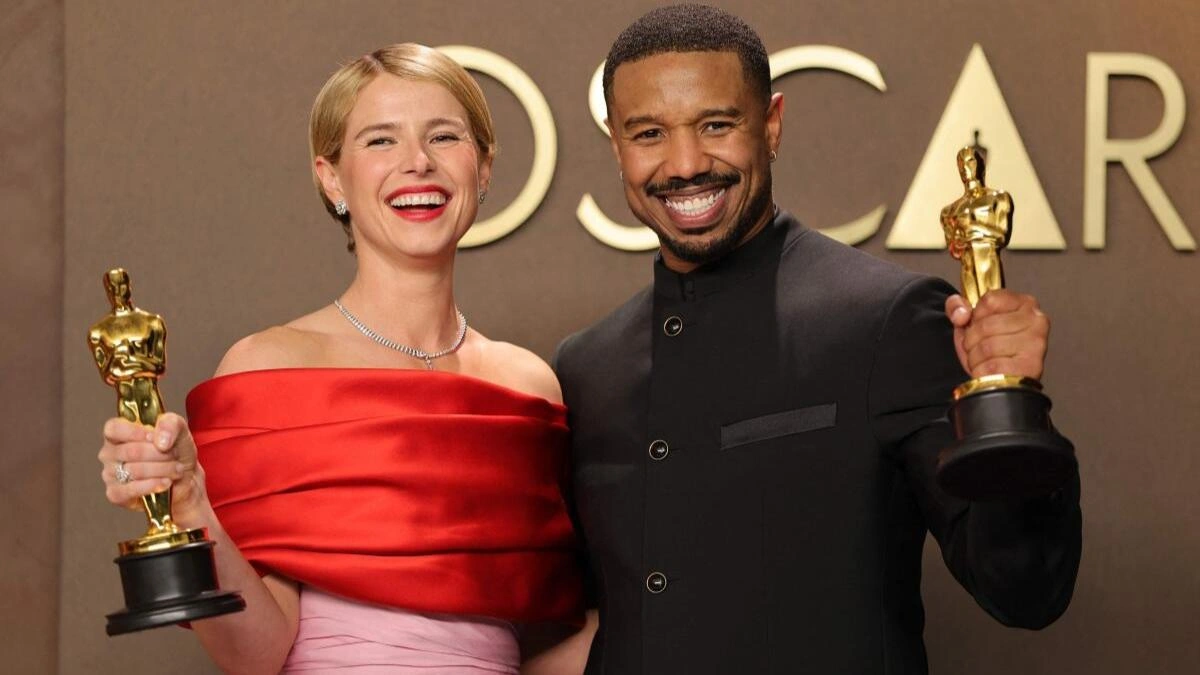
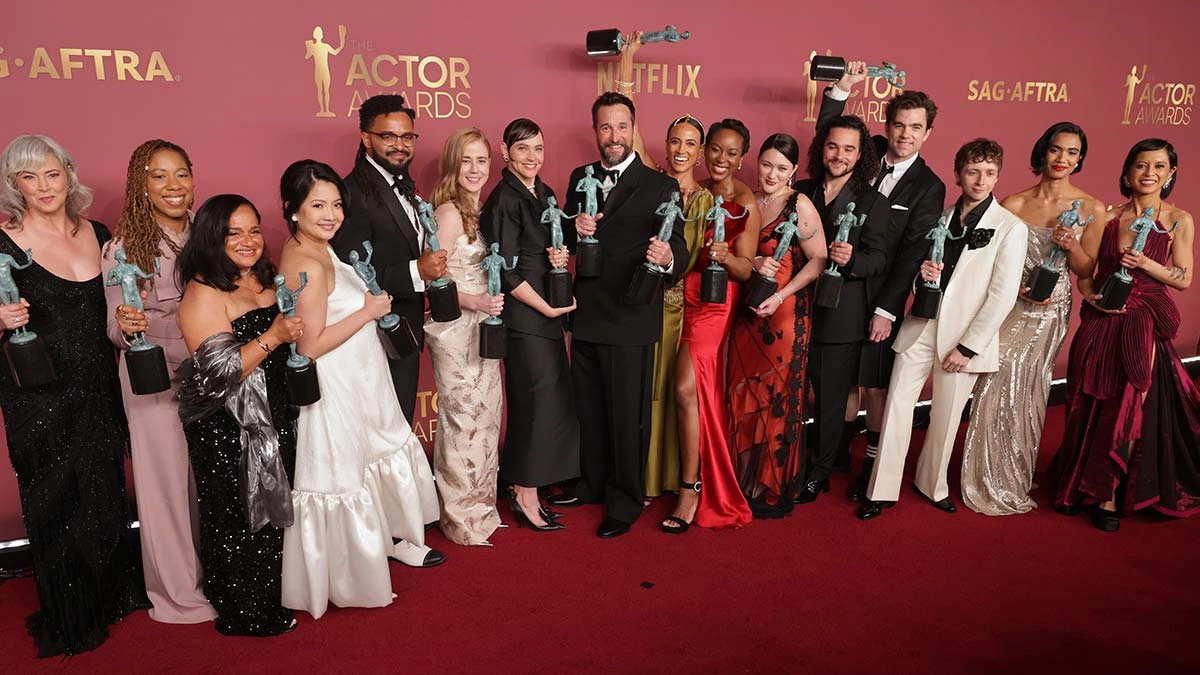
You do not need industry connections to find auditions. Most casting directors post open notices directly on established industry platforms where actors can submit themselves. As you build your acting career, it is also worth learning about acting awards and understanding what awards actors get for their work.
-
Actors Access: One of the primary databases used by legitimate casting directors for film, television, and indie projects. Creating a basic profile is free, with small fees per submission or an affordable annual membership.
-
Backstage: A long-standing casting platform featuring student films, commercials, voiceover gigs, theater auditions, and indie projects geared toward both beginners and working actors.
-
Casting Networks: Widely used for commercial auditions and background casting calls across major production hubs.
-
Central Casting: The largest background casting company in the United States. Registration is completely free, and once onboarded, you can apply directly for background roles in major films and TV shows.
-
Local Film Commissions and University Boards: State film offices and university film departments frequently maintain public casting boards or social media groups listing local non-union shoots.
Essential Materials You Need Before Applying

A camera captures a self-tape audition as an actress performs on set.
Before submitting to your first casting call, assemble a clean, professional starter toolkit. Casting directors make decisions quickly, and having the right materials separates serious beginners from hobbyists.
-
Clear, Natural Headshots: A headshot is a chest-up photograph that looks like you on a good day. You do not need to spend thousands of dollars at the start; a well-lit portrait taken outdoors in natural shade with a plain background and genuine expression works far better than heavily airbrushed studio photos.
-
A Beginner Acting Resume: Format your resume on a single page matching the size of your headshot (8×10 inches). If you have no film or stage credits yet, list acting classes, workshops, university drama participation, and a “Special Skills” section covering accents, languages, sports, musical instruments, or valid driver’s licenses.
-
A Simple Self-Tape Setup: Most initial auditions happen via self-tape—a video recorded at home. You only need a smartphone mounted horizontally, a blank wall or neutral backdrop, natural window light or an inexpensive ring light, and a quiet room with clear audio.
-
Short Performance Clips: Once you film a student project or record a brief dramatic or comedic monologue, edit a 30-to-60-second clip showing your face clearly and delivering natural dialogue. Casting directors prefer short, crisp clips over long montages.
Common Mistakes Beginners Should Avoid
Avoiding a few predictable pitfalls protects both your wallet and your professional reputation.
-
Paying Upfront for Talent Agencies: Legitimate talent agents earn money strictly on commission—typically 10% to 20% of what you earn from booked jobs. Never pay an agency an upfront “registration,” “representation,” or “mandatory photography” fee.
-
Ignoring Submission Instructions: If a casting notice asks for a slate (stating your name, height, and location) in a separate file or requests specific wardrobe colors, follow those directions exactly. Casting directors often cut applicants who fail to follow basic instructions.
-
Over-Rehearsing or Memorizing Stiffly: For auditions, focus on understanding what your character wants in the scene and listening to your scene partner rather than forcing dramatic facial expressions.
-
Arriving Late or Unprepared on Set: Film sets run on tight schedules costing thousands of dollars per hour. Arrive at least 15 minutes early, bring your own snacks and basic wardrobe options, and stay off your phone unless production confirms you are on break.
Final Thoughts
Landing your first acting jobs for beginners comes down to consistency rather than luck. Start by taking clear, natural headshots, setting up a simple space for self-tapes, and creating profiles on reputable casting platforms. Apply regularly to student films, background roles, and non-union commercials while sharpening your craft through local classes or theater. Every small role builds your confidence, expands your reel, and moves you closer to larger speaking opportunities.
Frequently Asked Questions
Can I get acting jobs with zero experience?
Yes. Background acting, student films, local commercials, and open community theater auditions routinely cast performers with no prior credits. Casting directors evaluate your look, reliability, and audition read rather than your resume length.
Do I need a talent agent to start acting?
No. Beginners rarely need an agent and will find it difficult to sign with a reputable agency without existing credits or training. Self-submitting on legitimate casting websites allows you to book your first roles, build a reel, and gain set experience independently.
How much do beginner acting jobs pay?
Pay varies widely by project type. Student films and community theater are often unpaid or offer small stipends, while background acting typically pays minimum wage to $200+ per day depending on location and overtime. Non-union commercials and corporate videos frequently pay between $250 and $1,000+ per shoot day.
How old do you have to be to start acting?
There is no age limit for starting an acting career. Productions cast performers of every age—from children to seniors—because stories require characters from all walks of life. Older beginners often face less competition in their age bracket than actors in their twenties.
Should I take acting classes before auditioning?
Taking an introductory on-camera or scene study class is strongly recommended, though you do not need years of training before submitting to beginner roles. A good foundational class teaches you how to break down a script, hit your mark on camera, and avoid common audition nerves.
What should I put on an acting resume if I have no credits?
Focus on your physical stats (height, eye color, hair color), contact information, acting classes or workshops, relevant educational background, and special skills such as fluency in other languages, athletics, dance, singing, or martial arts. Never invent fake credits, as casting directors easily verify them.