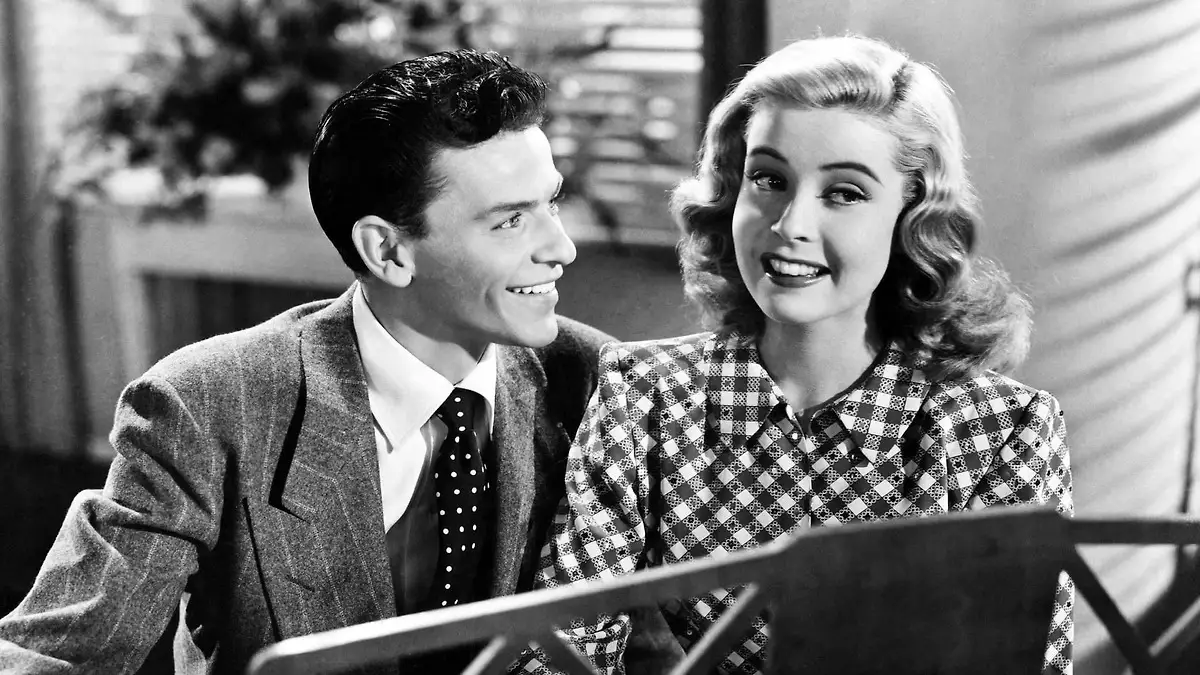
The Hollywood stars of the 1940s helped create one of the most memorable periods in movie history. From Humphrey Bogart and Cary Grant to Ingrid Bergman, Rita Hayworth, and Katharine Hepburn, these performers brought unforgettable characters, timeless glamour, and remarkable acting talent to the silver screen.
The 1940s were a defining decade for American cinema. Despite World War II, changing social attitudes, and a rapidly evolving entertainment industry, Hollywood continued producing influential films across genres, including film noir, romantic dramas, musicals, comedies, and wartime stories.
What made these stars special was not simply their popularity. Their performances established acting styles, screen personas, and cinematic traditions that continue to influence filmmakers and audiences. Exploring the most famous Hollywood stars of the 1940s offers a fascinating look at the people who made classic Hollywood unforgettable.
Why the 1940s Were a Golden Era for Hollywood Stars
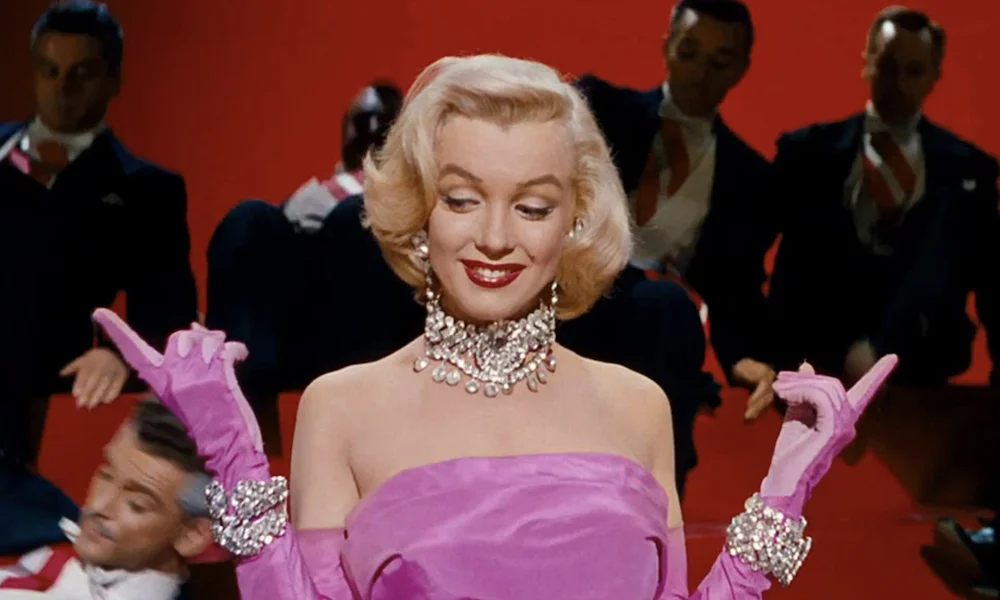
The 1940s are often associated with the Golden Age of Hollywood, a period when major studios had considerable influence over film production, distribution, and star promotion. Studios such as Warner Bros., Metro-Goldwyn-Mayer (MGM), Paramount Pictures, and 20th Century Fox developed recognizable screen personalities and regularly featured their leading performers in highly anticipated productions.
Movie stars became more than actors. They were fashion icons, cultural figures, and international celebrities whose hairstyles, clothing, and performances attracted enormous public attention. Several developments made the decade particularly important:
- World War II influence: Wartime experiences shaped film themes, with patriotic dramas, military stories, and films exploring sacrifice and resilience.
- Rise of film noir: Crime dramas introduced darker characters, complicated relationships, and atmospheric cinematography.
- Studio-era glamour: Carefully designed costumes, makeup, and publicity campaigns created memorable celebrity images.
- Stronger female performances: Actresses increasingly appeared in complex roles involving independence, ambition, mystery, and emotional conflict.
- Genre diversity: Hollywood produced influential musicals, westerns, comedies, thrillers, and romantic dramas.
This combination of creativity and star power helped establish the decade’s lasting cinematic reputation.
Most Famous Hollywood Stars of the 1940s
Some performers became particularly influential during this period because of their acting ability, distinctive personalities, and memorable film roles.
1. Humphrey Bogart
Actor | Film noir and crime dramas
Humphrey Bogart became one of the defining male stars of 1940s Hollywood. Known for his distinctive voice, understated delivery, and tough screen presence, he frequently portrayed intelligent but emotionally guarded characters.
His performance as Rick Blaine in Casablanca (1942) remains one of the most celebrated roles in classic American cinema. The film combined romance, wartime tension, and moral conflict in a way that resonated with audiences.
Other important films included The Maltese Falcon (1941) and The Big Sleep (1946). Bogart’s work helped establish the classic film noir leading man.
2. Ingrid Bergman
Actress | Romantic dramas and suspense
Ingrid Bergman was admired for her natural beauty, emotional performances, and expressive screen presence. Unlike the heavily stylized glamour associated with some Hollywood actresses, she often projected an approachable and authentic personality.
Her portrayal of Ilsa Lund in Casablanca made her an international star. She also delivered memorable performances in Gaslight (1944), Spellbound (1945), and Notorious (1946).
Bergman’s ability to portray vulnerability, intelligence, and emotional complexity made her one of the decade’s most respected actresses.
3. Cary Grant
Actor | Romantic comedy and suspense
Cary Grant became famous for his charm, impeccable comic timing, and sophisticated appearance. His screen persona combined humor, confidence, and effortless elegance.
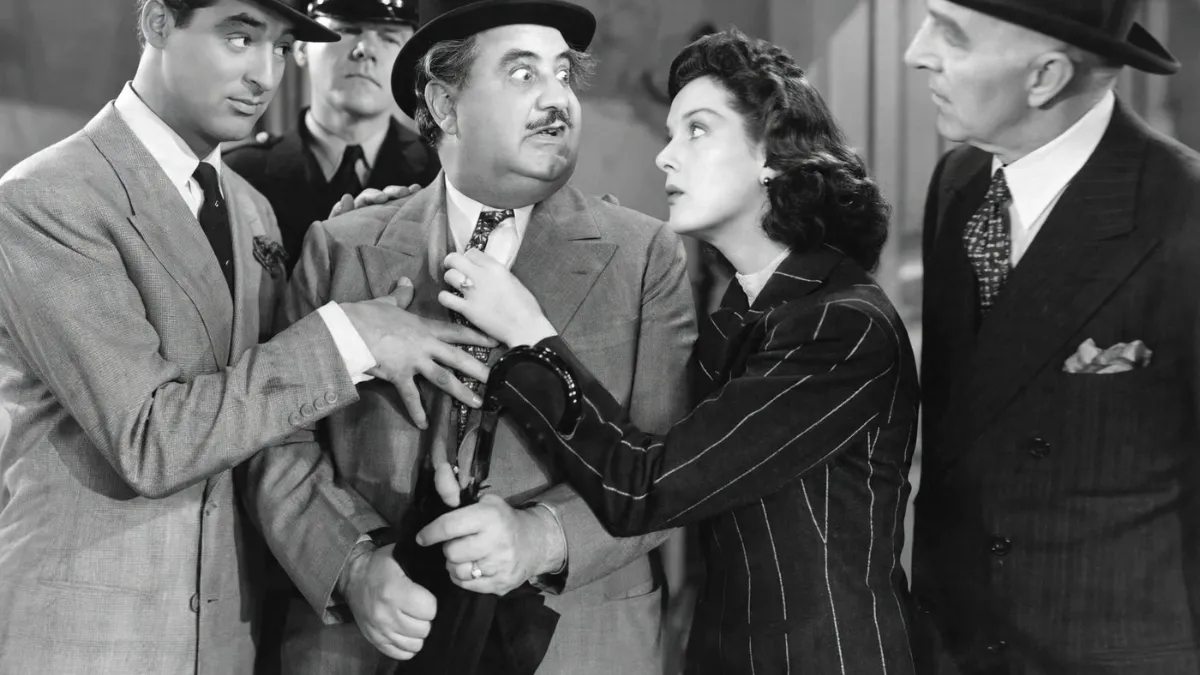
During the 1940s, he appeared in several notable productions, including The Philadelphia Story (1940), His Girl Friday (1940), and Notorious (1946).
Grant was particularly effective in romantic comedies and suspense films. His performances demonstrated how an actor could balance sophistication with humor and dramatic intensity.
4. Rita Hayworth
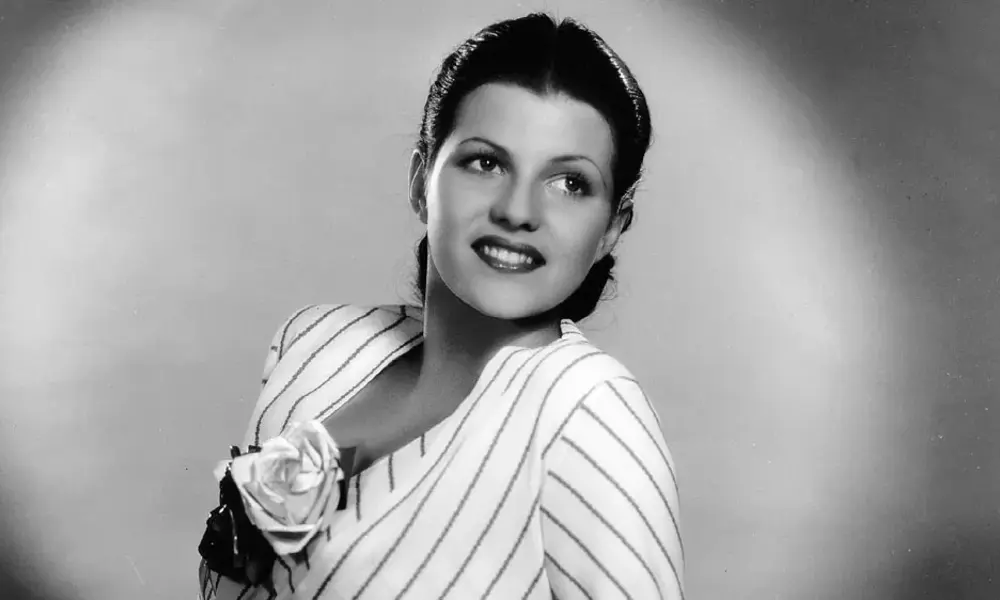
Actress and dancer | Musicals and romantic dramas
Rita Hayworth was one of the most recognizable female stars of the decade. Her glamorous appearance, dancing ability, and screen charisma made her a major Hollywood attraction.
She became especially famous for Gilda (1946), a film noir that showcased her beauty and dramatic talent. Her performance helped create one of classic cinema’s most recognizable female screen personas.
Other notable films included Cover Girl (1944) and The Lady from Shanghai (1947). Hayworth’s influence extended beyond movies into fashion and popular culture.
5. Katharine Hepburn
Actress | Romantic comedy and drama
Katharine Hepburn was known for her intelligence, independent personality, distinctive voice, and unconventional approach to female roles.
She frequently portrayed confident women who challenged traditional expectations. Her performances in The Philadelphia Story (1940), Woman of the Year (1942), and Adam’s Rib (1949) demonstrated her remarkable versatility.
Hepburn’s acting style helped broaden the representation of women in classic Hollywood films.
6. James Stewart
Actor | Drama, comedy, and suspense
James Stewart became popular for his relatable personality, natural acting style, and distinctive voice. He often played ordinary men facing extraordinary circumstances.
His performances in The Philadelphia Story (1940), It’s a Wonderful Life (1946), and Rope (1948) demonstrated his ability to move between comedy, emotional drama, and psychological suspense.
Stewart’s approachable screen presence made him one of the most beloved actors of the era.
7. Bette Davis
Actress | Dramatic films
Bette Davis was admired for her powerful performances, expressive eyes, and willingness to portray difficult or morally complicated characters.
Although she had already established herself before the 1940s, she remained an important Hollywood presence throughout the decade.
Her performances in The Letter (1940), The Little Foxes (1941), and Now, Voyager (1942) demonstrated her ability to portray ambition, vulnerability, and emotional conflict.
Davis helped establish a standard for intense, character-driven acting in American cinema.
8. Lauren Bacall
Actress | Film noir and romantic drama
Lauren Bacall became a major Hollywood star after making her film debut in To Have and Have Not (1944).
Her confident personality, distinctive voice, and understated glamour made her immediately recognizable. She later appeared alongside Humphrey Bogart in The Big Sleep (1946), Dark Passage (1947), and Key Largo (1948).
Bacall brought a fresh, independent quality to female characters, helping redefine the image of the Hollywood leading lady.
9. Gene Kelly
Actor, dancer, and choreographer | Musicals
Gene Kelly transformed the Hollywood musical through his athletic dancing, energetic performances, and creative choreography.
His leading role in Anchors Aweigh (1945) helped establish his popularity. He also starred in The Pirate (1948) and On the Town (1949).
Kelly’s style combined traditional musical theater with movement that felt natural and energetic. His influence became even more apparent in the musical films of the following decade.
10. Judy Garland
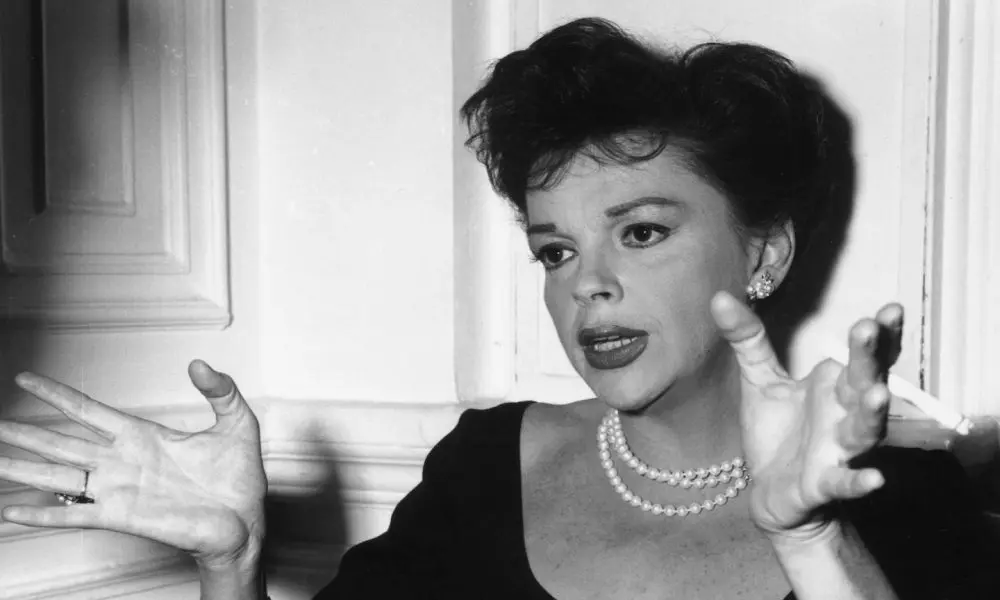
Actress and singer | Musicals and family entertainment
Judy Garland was one of the most beloved entertainers of the 1940s. Her singing talent, emotional performances, and expressive personality made her a major musical star.
Although she became famous through The Wizard of Oz (1939), her career continued to flourish throughout the next decade.
Important films included Meet Me in St. Louis (1944), The Harvey Girls (1946), and Easter Parade (1948).
Garland’s ability to combine musical talent with emotional storytelling made her performances especially memorable.
11. John Wayne
Actor | Westerns and war films
John Wayne became one of America’s most recognizable screen personalities through his commanding presence and performances in westerns.
During the 1940s, he appeared in Fort Apache (1948), Red River (1948), and She Wore a Yellow Ribbon (1949).
His portrayal of courageous, independent characters helped establish the image of the classic American western hero. His popularity continued to grow throughout the following decades.
12. Olivia de Havilland
Actress | Historical dramas and romantic films
Olivia de Havilland was among the most accomplished actresses of the 1940s. She became known for portraying intelligent, emotionally complex women.
Her performances in Hold Back the Dawn (1941), To Each His Own (1946), and The Snake Pit (1948) demonstrated her dramatic range.
She won two Academy Awards for Best Actress during her career, including one for The Heiress (1949). Her successful legal challenge to restrictive studio contracts also became an important moment in Hollywood history.
13. Barbara Stanwyck
Actress | Film noir and drama
Barbara Stanwyck was celebrated for her versatility and ability to portray strong, independent women. She could move naturally between romantic comedies, thrillers, and serious dramas.
Her performance in Double Indemnity (1944) remains particularly influential in film noir history. She also appeared in The Lady Eve (1941) and Sorry, Wrong Number (1948).
Stanwyck’s confident acting style made her one of the most respected performers of classic Hollywood.
14. Clark Gable
Actor | Romantic dramas and adventure films
Clark Gable was already a major Hollywood star before the 1940s, but he continued attracting audiences throughout the decade.
Known for his masculine screen presence, confidence, and charismatic performances, Gable appeared in films such as Boom Town (1940), Somewhere I’ll Find You (1942), and The Hucksters (1947).
His return to Hollywood after serving in the United States Army Air Forces during World War II was another notable chapter in his career. His successful comeback also contributed to the lasting legacy of Hollywood’s wealthiest entertainers, reflecting the remarkable celebrity fortunes built by influential stars throughout the entertainment industry.
15. Vivien Leigh
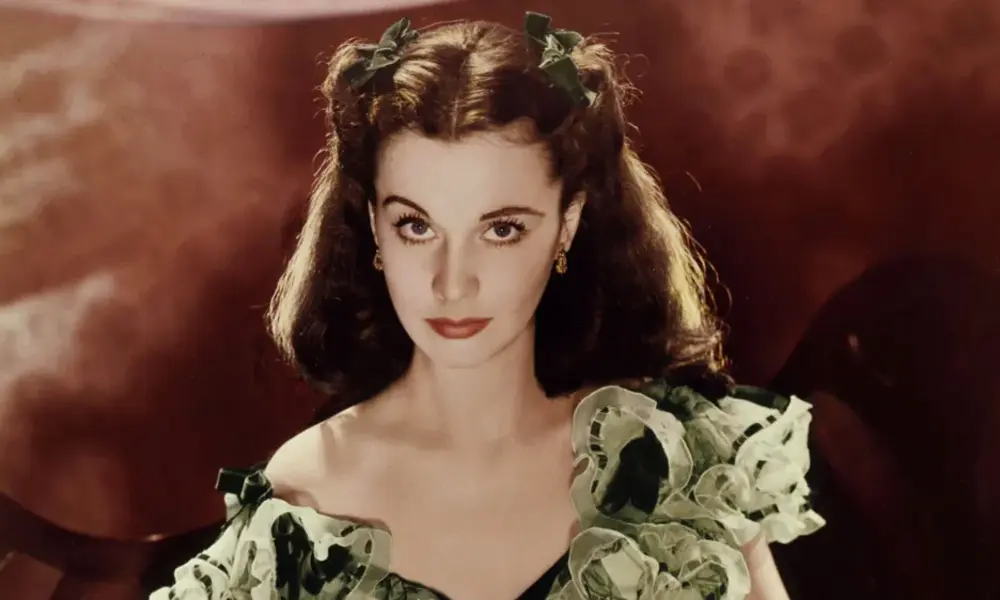
Actress | Historical and romantic dramas
Vivien Leigh became internationally famous for her performance as Scarlett O’Hara in Gone with the Wind (1939), but her influence continued into the 1940s.
Her performance in Waterloo Bridge (1940) demonstrated her ability to portray deeply emotional characters.
She also starred in Caesar and Cleopatra (1945) and Anna Karenina (1948). Leigh’s elegance, expressive acting, and dramatic intensity made her one of the most memorable actresses of the period.
Other Hollywood Stars Who Made the 1940s Memorable
Beyond the most recognizable leading actors and actresses, several other performers made important contributions to Hollywood during this decade.
Some notable names include:
| Hollywood star | Known for | Notable 1940s film |
| Fred Astaire | Dance and musicals | Easter Parade (1948) |
| Ginger Rogers | Musicals and comedy | Kitty Foyle (1940) |
| Gary Cooper | Westerns and drama | Sergeant York (1941) |
| Spencer Tracy | Dramatic acting | Adam’s Rib (1949) |
| Orson Welles | Acting and filmmaking | Citizen Kane (1941) |
| Henry Fonda | Drama and westerns | The Grapes of Wrath (1940) |
| Ava Gardner | Romantic dramas | The Killers (1946) |
| Greer Garson | Romantic and historical dramas | Mrs. Miniver (1942) |
| Hedy Lamarr | Drama and suspense | Samson and Delilah (1949) |
| Edward G. Robinson | Crime and noir films | Double Indemnity (1944) |
These performers helped make the decade remarkably diverse. Their contributions extended across different genres, from sophisticated comedies and romantic musicals to psychological thrillers and powerful historical dramas.
Their lasting influence also reflects the broader success of Hollywood, where legendary performers helped shape the industry’s reputation and the financial success associated with some of the richest actors in Hollywood.
What Made Hollywood Stars of the 1940s So Iconic?
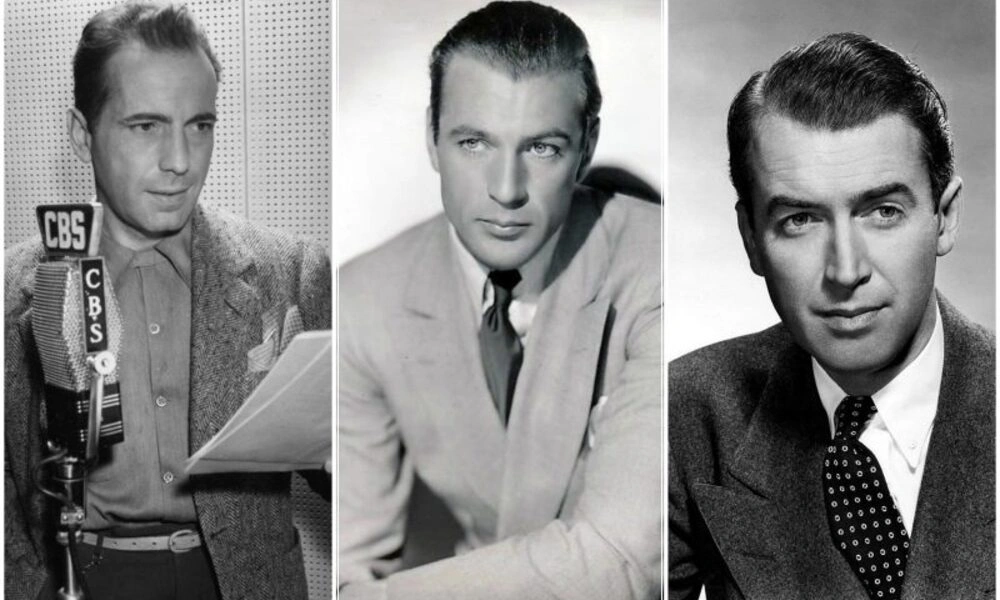
The popularity of 1940s movie stars came from a combination of talent, carefully developed screen identities, fashion, and the cultural influence of cinema. Several characteristics distinguished these celebrities from many modern performers.
1. Distinctive Screen Personalities
Classic Hollywood stars often developed recognizable acting styles.
Humphrey Bogart was associated with tough, intelligent characters, while Cary Grant became famous for sophistication and comedy. Judy Garland was admired for her singing and emotional performances. Audiences often chose movies because they wanted to see a particular star rather than simply follow a specific storyline.
2. Timeless Fashion and Glamour
Hollywood fashion became a major influence on everyday style during the 1940s. Actresses popularized elegant evening gowns, tailored suits, fitted dresses, red lipstick, and carefully styled hairstyles. Rita Hayworth, Ingrid Bergman, and Lauren Bacall became particularly recognizable fashion inspirations. Male stars also influenced fashion through tailored suits, classic hairstyles, and understated formal clothing.
3. Memorable Film Performances
Many stars of the decade appeared in films that remain important to cinema history. Movies such as Casablanca, Citizen Kane, Double Indemnity, and It’s a Wonderful Life demonstrated the range of storytelling that Hollywood could achieve. Their lasting popularity helped preserve the reputations of the actors who brought these stories to life.
4. Influence Beyond the Movie Screen
Hollywood celebrities influenced conversations about fashion, relationships, beauty, and popular culture.
Fan magazines, newspaper coverage, movie advertisements, and studio publicity campaigns helped create strong connections between stars and audiences. Publications exploring 1940s film stars also highlight how these celebrities influenced fashion, entertainment, and popular culture. Their influence extended internationally, making Hollywood a major cultural force.
Best 1940s Hollywood Movies to Watch
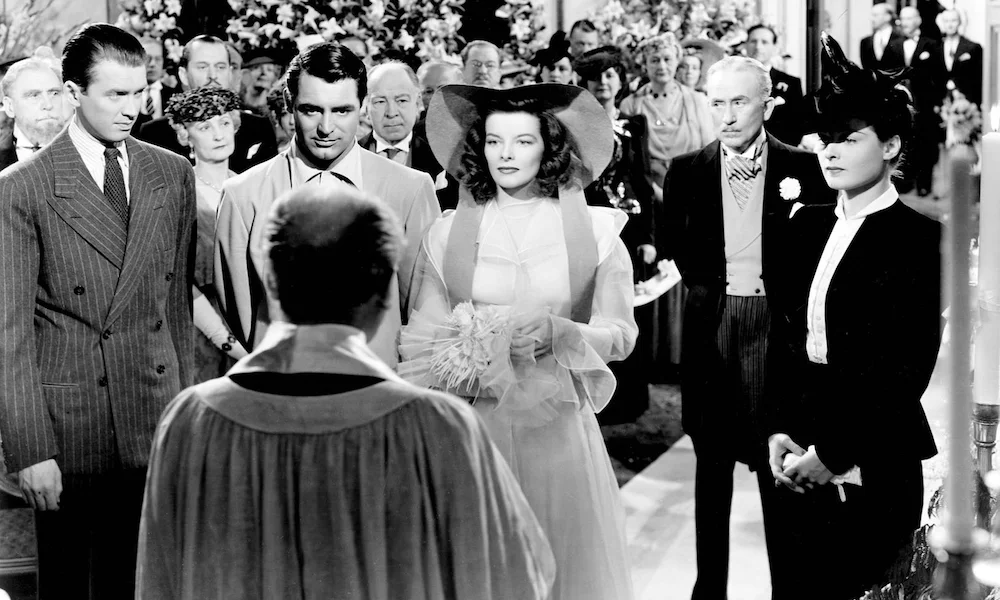
One of the easiest ways to appreciate the decade’s stars is to explore their most memorable films. Here are some classic productions worth watching:
| Movie | Year | Featured stars |
| The Philadelphia Story | 1940 | Katharine Hepburn, Cary Grant, James Stewart |
| Citizen Kane | 1941 | Orson Welles |
| The Maltese Falcon | 1941 | Humphrey Bogart |
| Casablanca | 1942 | Humphrey Bogart, Ingrid Bergman |
| Double Indemnity | 1944 | Barbara Stanwyck, Fred MacMurray |
| Meet Me in St. Louis | 1944 | Judy Garland |
| Mildred Pierce | 1945 | Joan Crawford |
| It’s a Wonderful Life | 1946 | James Stewart, Donna Reed |
| Notorious | 1946 | Ingrid Bergman, Cary Grant |
| Gilda | 1946 | Rita Hayworth |
| The Treasure of the Sierra Madre | 1948 | Humphrey Bogart |
| The Heiress | 1949 | Olivia de Havilland |
These films provide an excellent introduction to the acting styles, storytelling, and visual aesthetics that defined 1940s cinema.
Frequently Asked Questions
1. Who were the most famous Hollywood stars of the 1940s?
Some of the most famous Hollywood stars of the 1940s included Humphrey Bogart, Cary Grant, James Stewart, Clark Gable, Ingrid Bergman, Rita Hayworth, Katharine Hepburn, Bette Davis, Judy Garland, and Lauren Bacall. They became famous through memorable performances and influential films.
2. Who was the most popular female movie star of the 1940s?
There was no single universally recognized most popular actress throughout the decade. Rita Hayworth, Ingrid Bergman, Bette Davis, Katharine Hepburn, and Judy Garland were among its most prominent female stars. Their popularity varied according to film releases, audience preferences, and critical recognition.
3. Who were the most handsome male actors in 1940s Hollywood?
Cary Grant, Clark Gable, Tyrone Power, Gregory Peck, and Robert Taylor were frequently admired for their classic Hollywood appearance. Their sophisticated clothing, distinctive hairstyles, and screen charisma helped establish the era’s leading-man image.
4. What were the most popular movie genres in the 1940s?
Popular genres included romantic dramas, musicals, westerns, crime films, comedies, wartime dramas, and film noir. Film noir became particularly influential for its mysterious characters, dramatic lighting, and morally complicated stories.
5. Which 1940s Hollywood stars appeared in Casablanca?
Casablanca (1942) featured Humphrey Bogart as Rick Blaine, Ingrid Bergman as Ilsa Lund, and Paul Henreid as Victor Laszlo. Claude Rains, Conrad Veidt, and Sydney Greenstreet also appeared in the film.
Final Thoughts
The Hollywood stars of the 1940s created a cinematic legacy that continues to attract audiences decades later. From Humphrey Bogart’s unforgettable performances to Ingrid Bergman’s emotional depth and Rita Hayworth’s timeless glamour, these entertainers helped shape the identity of classic American cinema. Their films offered more than entertainment. They reflected the hopes, challenges, fashion, and cultural changes of their time while introducing characters that audiences still remember.
Whether you enjoy romantic classics, film noir, musicals, or dramatic performances, exploring 1940s Hollywood is an opportunity to discover some of the greatest talents in movie history. These legendary performers remind us that exceptional acting and meaningful storytelling never go out of style.