
When you look up a movie, TV show, or play, the top of the cast list usually highlights two or three big stars. Directly beneath those leads, reviews and show guides almost always include a section for other notable cast members. This group covers the supporting actors, character performers, recurring guests, and cameos that give a story depth and realism.
While lead actors carry the main plot, supporting players often create the moments fans remember longest. Therefore, knowing how billing works and why these roles matter helps you enjoy film and TV more deeply. Furthermore, it helps writers and editors organize cast lists clearly.
What Does “Other Notable Cast Members” Mean in Entertainment Credits?

Elizabeth Banks and Chris Messina gather at a vintage dining table with family in a scene from Call Jane.
In film and TV guides, other notable cast members refers to credited actors outside the main leads who shape the story or bring strong name recognition. Unlike background extras, who appear without speaking, notable supporting actors have scripted lines and clear character arcs. In addition, they often share key scenes with the stars. Readers interested in the financial side of fame can also explore Elon Musk’s net worth in 2026, discover the world’s richest women, or browse the biggest celebrity fortunes to see how wealth and public recognition intersect across entertainment and popular culture.
Entertainment sites and streaming guides use this label for several practical reasons:
-
Clear structure: A major film or long TV series can have dozens of speaking parts. Separating leads from notable supporting actors keeps cast lists clean and easy to scan.
-
Viewer recognition: Fans often search for an actor they know from another show. Even if that actor only appears for ten minutes, readers want to find their name fast.
-
Awards and reviews: Critics and award shows judge supporting roles apart from lead roles. As a result, clear labels make coverage easier to follow.
Common Types of Notable Supporting Roles
Not every actor listed below the top billing plays the same kind of part. Instead, most notable cast members fit into one of four common groups.
Supporting and Co-Starring Actors
Supporting actors play characters tied closely to the hero’s journey. For example, they may play mentors, rivals, best friends, or family members. In TV shows, these actors often serve as series regulars. Consequently, they appear in most episodes even when one star anchors the series.
Character Actors
Character actors focus on distinct, quirky, or intense roles rather than standard leads. Often, they change their voice, posture, or habits to fit each part. You might not know a character actor’s name right away. However, their presence usually signals strong acting in any cast.
Recurring Guest Stars
In TV series, recurring guest stars appear across several episodes. Sometimes they drive a single story arc, while other times they return over many seasons. Either way, they spark new conflict and expand the world beyond the main cast.
Cameo Appearances
A cameo is a brief, surprise appearance by a famous actor, director, singer, or public figure. Even when a cameo lasts under a minute, it still earns a spot among other notable cast members. Usually, this happens because the star brings instant recognition or clever humor to the scene.
Why Supporting Cast Members Matter to Storytelling

Paapa Essiedu, Janet McTeer, and Nick Frost appear side by side in a triptych celebrating casting announcements for the Harry Potter television adaptation.
A strong ensemble turns a good script into a great movie or show. After all, even the best lead actor cannot carry every scene alone. Great storytelling relies on lively clashes between different personalities.
Actors also benefit from understanding what awards actors get and the different types of awards for actors, which recognize their talent and contributions to the industry. For newcomers, exploring acting roles with no experience can also be a valuable first step toward building a successful acting career.
Grounding the Fictional World
Supporting characters make a story’s setting feel real and lived-in. For instance, a tired detective’s coworkers, a local diner owner, or a sharp courtroom clerk set the tone fast. Because of them, the story builds stakes without long, boring explanations.
Providing Narrative Contrast
Writers also use supporting roles to challenge the hero. A doubtful partner forces the main character to defend risky choices. Meanwhile, a funny sidekick eases tension after heavy drama. In short, this contrast sharpens every character on screen.
Driving Cult Followings and Rewatch Value
Many famous quotes, viral clips, and fan-favorite subplots come from actors listed far below the title. On a second watch, viewers often notice subtle looks, dry jokes, and small choices from the supporting cast. Thus, great supporting work makes movies and shows worth rewatching.
How Film and TV Billing Determines Cast Order
To see why certain actors appear under “other notable cast members,” it helps to understand how billing works. Credit order is rarely random. Instead, agents, studios, and unions negotiate every spot before filming begins.
| Billing Type | Typical Placement | What It Usually Means |
| Top Billing | First one to three names | The main stars who lead the plot and marketing. |
| Starring / Main Cast | Opening credits block | Core cast members with major screen time. |
| Also Starring / Featured | Right after main leads | Key supporting roles or famous actors in smaller parts. |
| “With” and “And” Credits | End of the main credit list | A prestige spot saved for veteran stars in key supporting roles. |
| Guest Starring / Co-Starring | End credits or episode cards | Episode guests, smaller speaking roles, and brief parts. |
Because veteran stars often ask for a “with” or “and” credit at the end of the opening list, an Oscar winner can appear after younger leads. Therefore, a section for other notable cast members helps readers spot major stars right away.
How to Spot a Scene-Stealing Supporting Performance
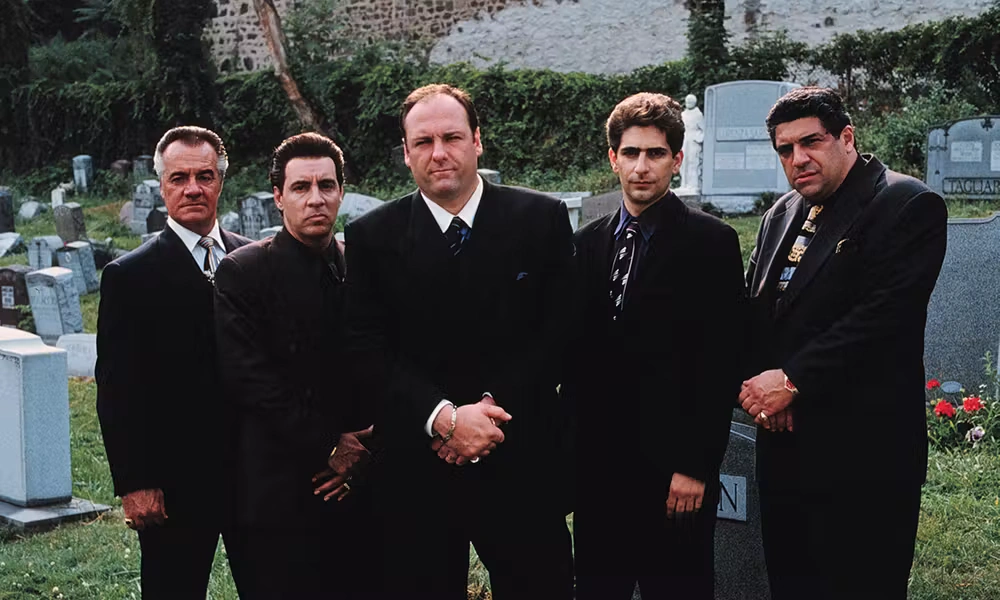
Tony Sirico, Steven Van Zandt, James Gandolfini, Michael Imperioli, and Vincent Pastore stand in a cemetery for an iconic The Sopranos promotional portrait.
Whether you are writing a review or simply watching for fun, certain traits mark truly great supporting work. Look for these four signs:
-
Smart economy: Great supporting actors show backstory through posture, tone, and facial cues. Because they rarely get long speeches, every small gesture counts.
-
Active listening: Rather than waiting to speak, skilled actors react to everything in the room. As a result, the whole scene feels alive.
-
Clear goals: Even in a two-minute scene, a standout character wants something specific. That clear drive sets them apart from flat background talk.
-
Smooth tone matching: Top ensemble players match the project’s style right away. Consequently, they balance comedy, dark drama, or period rules without pulling focus unfairly.
Best Practices When Listing Other Notable Cast Members in Articles or Guides
If you write cast guides for movies, TV shows, or plays, clarity should lead every choice. Follow these simple rules to make your list useful:
-
List both actor and character names: Readers often recall either the star or the role, rarely both at once.
-
Add brief context: Mention how the character fits the plot, or name another famous project the actor did. This gives readers instant value.
-
Group large casts logically: For huge shows or movie series, sort actors by season, team, or story arc. That way, readers can scan the page fast.
-
Check official credits: Confirm spellings and character names against official press kits. Otherwise, early rumors can introduce errors.
-
Avoid major spoilers: When you describe a guest star or cameo, summarize their role without giving away late plot twists.
Common Mistakes to Avoid in Cast Coverage

Frustrated team members troubleshoot a project on a laptop and tablet in a modern office, highlighting operational bottlenecks that can stall business growth.
Even careful entertainment writers can confuse readers when cast lists lack structure. Watch out for these common errors:
-
Listing every minor role: Including forty tiny speaking parts ruins the value of a curated list. Instead, focus on actors who truly shape scenes or draw viewer interest.
-
Leaving out voice actors: In animated films and video games, voice actors build characters just like live-action stars. Therefore, they deserve equal credit in cast guides.
-
Calling brief cameos major roles: A two-second surprise appearance is fun to note. However, calling it a major part misleads readers about the actor’s screen time.
-
Forgetting late-season additions: Long TV shows often add key characters in later seasons. Updating your cast guide keeps the facts accurate for new fans.
Frequently Asked Questions
What is the difference between main cast and other notable cast members?
The main cast includes the lead actors who drive the central plot and top the poster. By contrast, other notable cast members include supporting actors, recurring guests, character actors, and cameos who add depth or star power without leading the whole project.
Why do famous actors sometimes appear lower on a cast list?
Contracts, rather than fame alone, control credit order. Often, famous stars in smaller roles negotiate “with” or “and” credits at the end of the opening list. Consequently, their names appear after the leads even though they are major stars.
Are cameo appearances included among other notable cast members?
Yes, writers often include cameos under other notable cast members, especially when a famous star or director pops up in a fun scene. Still, good guides note that the role is brief so viewers know what to expect.
How many actors should a notable cast section include?
For most movies, listing five to ten key supporting actors covers the best roles without tiring the reader. Meanwhile, multi-season TV shows often need a longer list sorted by season or storyline.
Do voice actors count as notable cast members?
Yes. In animated movies, cartoons, and hybrid films, supporting voice actors drive comedy, emotion, and world-building. Thus, guides should highlight them right alongside lead voice stars.
What makes a supporting actor a “character actor”?
A character actor plays distinct, memorable, and often quirky supporting roles rather than standard romantic leads. Frequently, they vanish into new accents, body language, and unique personas across dozens of films and shows.
Final Thoughts
Paying attention to other notable cast members shows how much teamwork goes into great film, TV, and theater. While lead actors give a story its backbone, supporting players, character specialists, and surprise guests add the humor, tension, and human warmth that make a world feel real. Next time you watch a favorite movie or show, look past the top billing you will likely spot some of the best acting on screen.