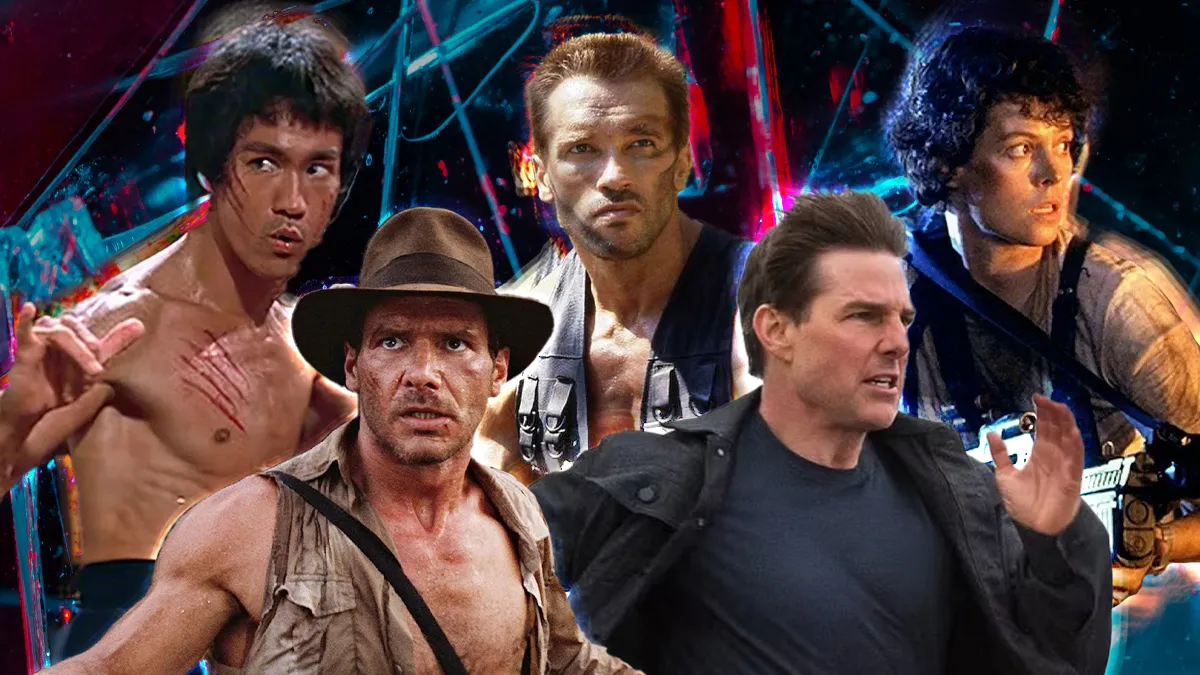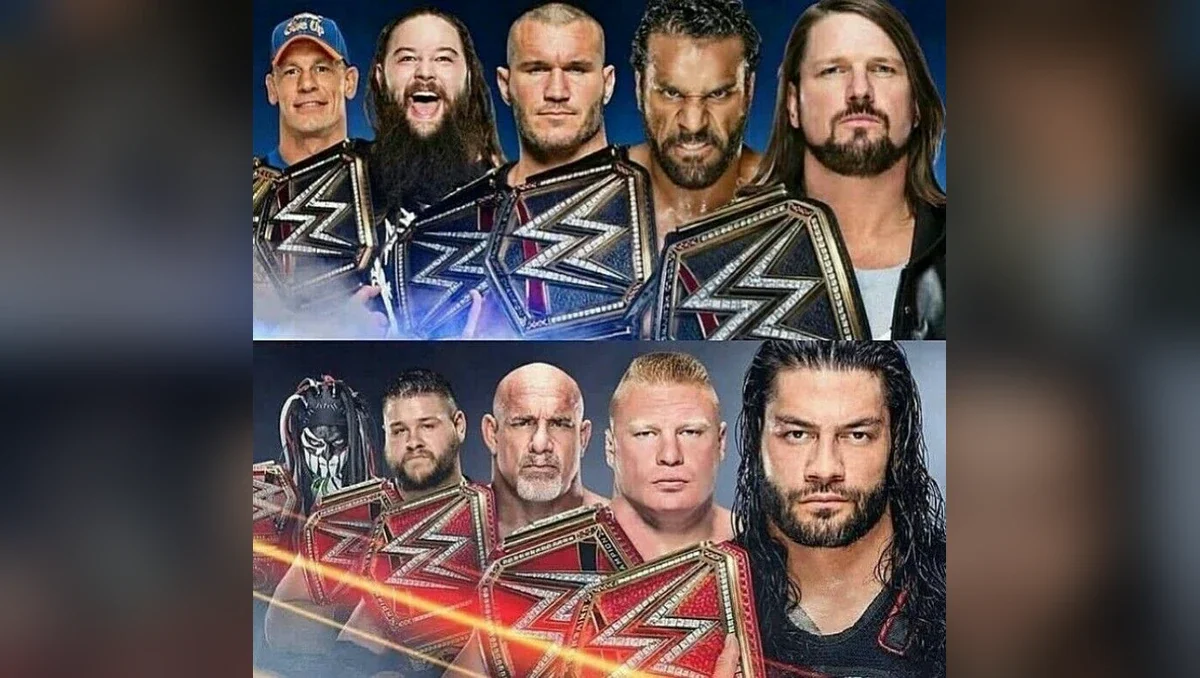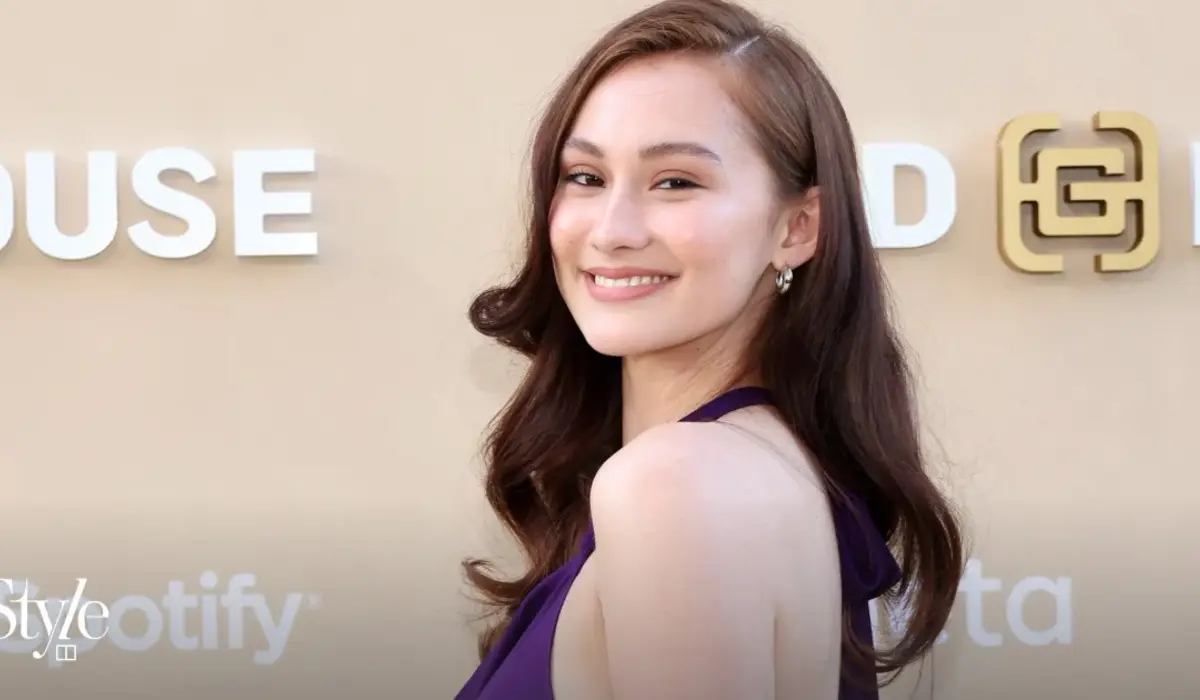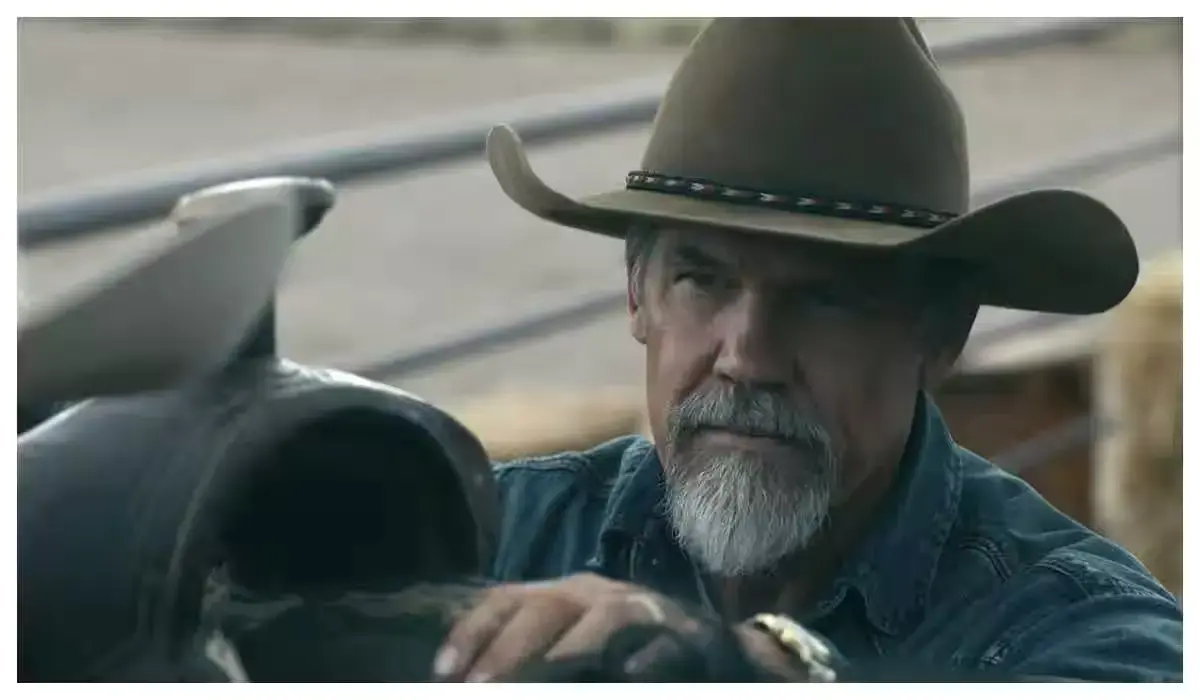
Action film actors are performers who specialize in physically demanding roles driven by combat, stunts, chases, and high-stakes conflict. Unlike traditional dramatic acting, which relies primarily on dialogue and subtle facial expressions, action performance requires telling a story through movement, timing, and physical presence.
From the silent-era acrobatics of Buster Keaton to the modern tactical choreography of Keanu Reeves and Michelle Yeoh, these performers have shaped global box office trends and defined how audiences experience cinematic excitement.
Understanding what separates a memorable action star from a generic hero reveals how filmmaking itself has evolved. As camera technology, martial arts choreography, and visual effects have changed, the demands placed on action performers have grown more complex, blending athleticism with genuine dramatic range.
What Defines a Great Action Film Actor?
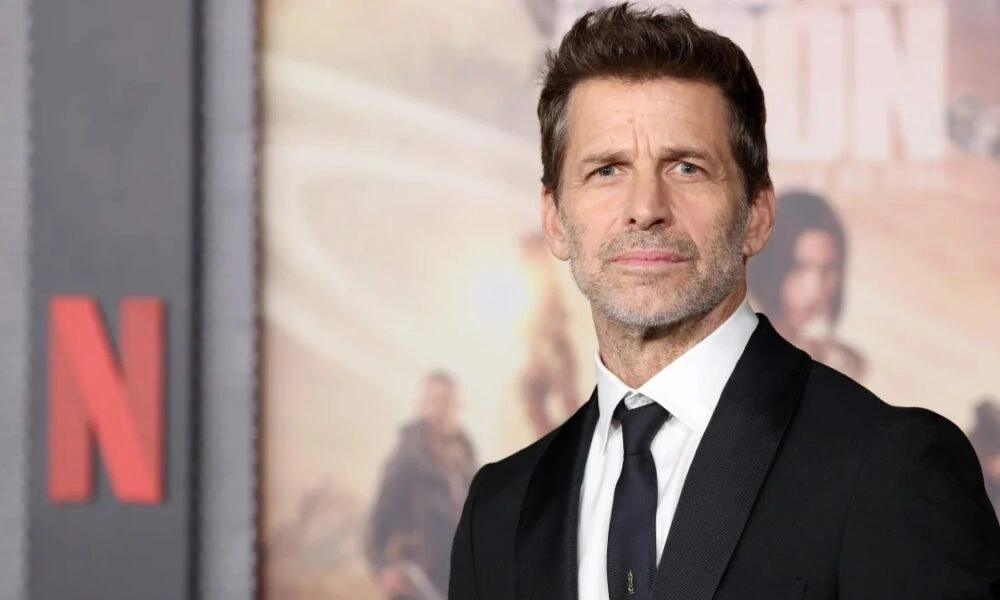
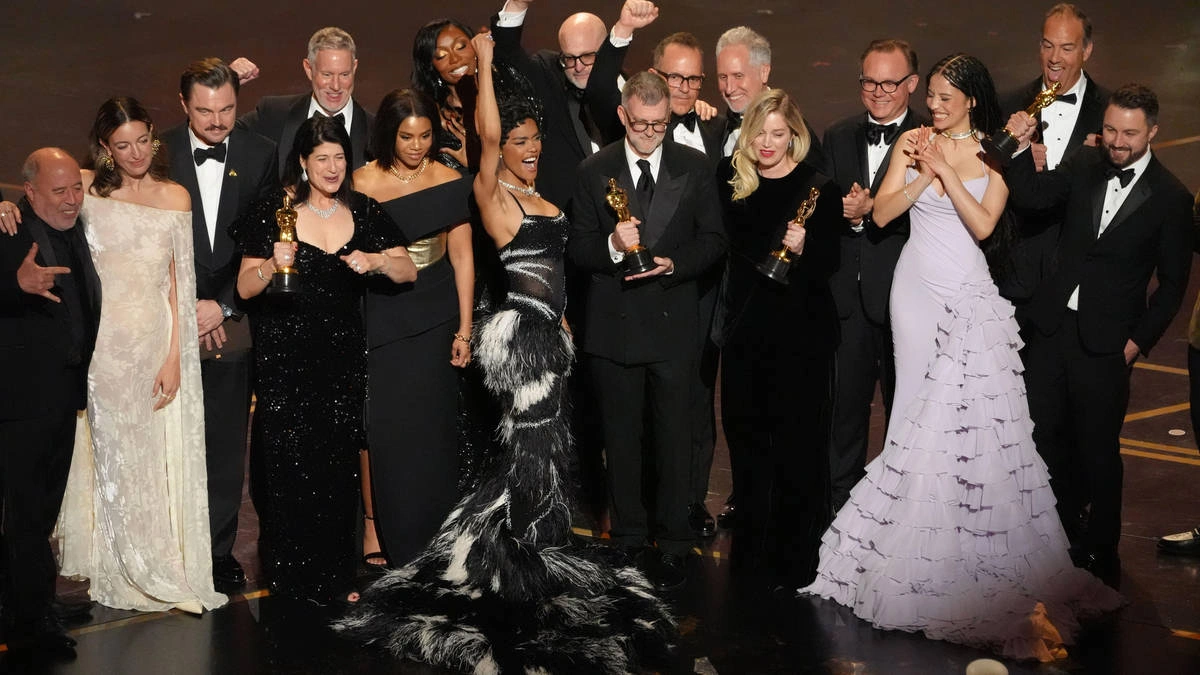
Visionary filmmaking and bold storytelling take center stage with director Zack Snyder on the red carpet.
A great action film actor combines physical capability with emotional credibility. Audiences rarely invest in a fight scene or car chase simply because the choreography is fast; they care because the performer makes the danger feel personal and the stakes feel real.
Several core traits distinguish the genre’s most enduring stars:
-
Physical Storytelling: The ability to convey character traits, such as desperation, confidence, or exhaustion, through posture, footwork, and facial reactions during intense sequences.
-
Rhythm and Spatial Awareness: Action scenes function much like dance. Performers must understand camera angles, hit precise marks, and maintain rhythm with stunt partners so hits look convincing without causing real injury.
-
Charisma Under Pressure: Whether delivering a dry one-liner or silently assessing a room full of threats, top action stars command attention even when they are not moving.
-
Commitment to Preparation: Many leading performers spend months training in specific disciplines—such as Brazilian jiu-jitsu, firearms handling, parkour, or wirework—to ensure their movements look authentic on screen.
The Evolution of Action Film Actors Across Eras
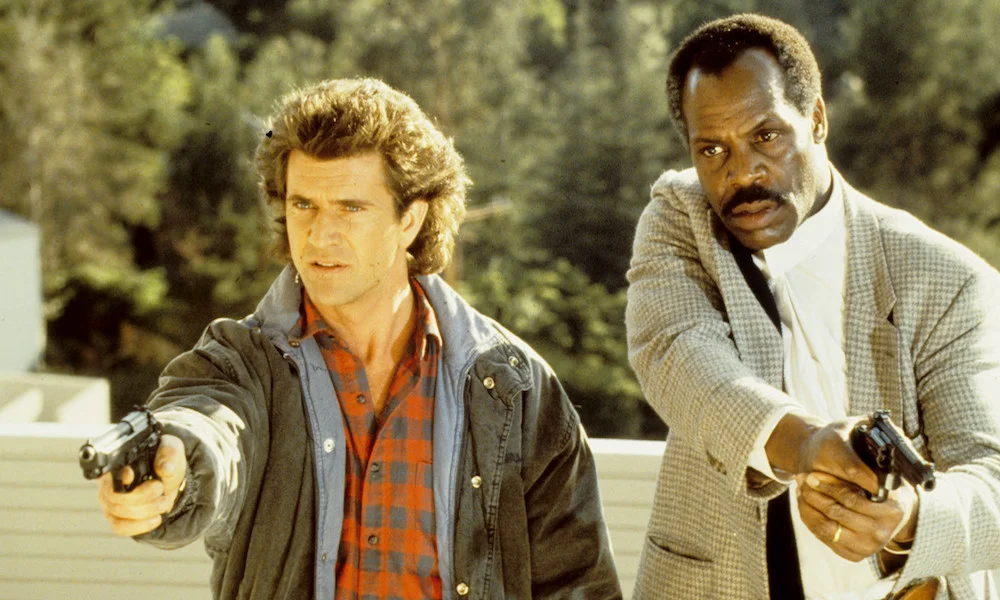
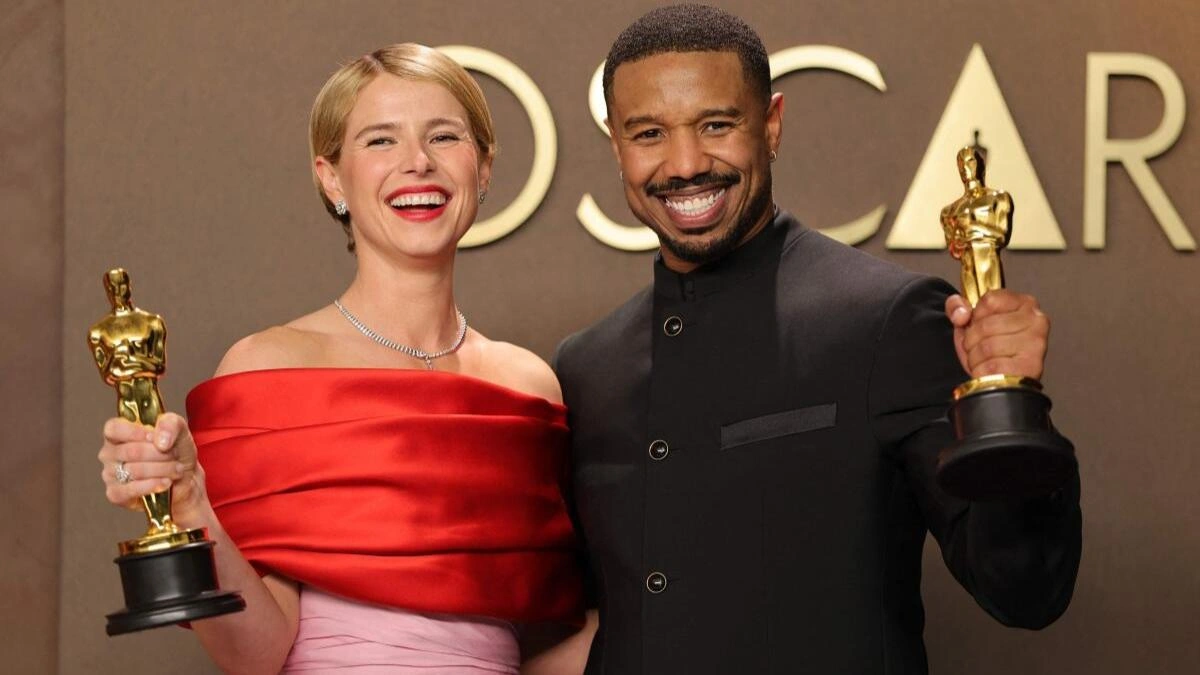
Unforgettable buddy-cop chemistry and classic action thrills come alive with Mel Gibson and Danny Glover.
The archetype of the action hero has shifted dramatically over the past century, reflecting changing cultural tastes and advancements in filmmaking techniques. From the classic leading figures among Hollywood stars of the 1940s to today’s action icons, the industry has continually redefined its heroes.
Behind these changing careers, professionals such as agents for actresses also help shape how performers navigate Hollywood and build their public profiles.
The Classic Swashbucklers and Physical Pioneers (1920s–1960s)
Before the modern action genre had a formal name, silent film stars like Douglas Fairbanks and Buster Keaton established the blueprint for physical cinema. Keaton performed dangerous, unassisted stunts such as falling building facades and moving train leaps using deadpan comedic timing.
In the 1930s and 1940s, Errol Flynn popularized swordplay and swashbuckling adventure, proving that agility and charm were essential box-office draws. By the 1960s, Sean Connery redefined the modern action lead as James Bond, blending espionage, hand-to-hand brawling, and suave sophistication.
The Martial Arts Revolution (1970s)
In the early 1970s, Bruce Lee transformed global action cinema forever. Prior to Lee, Western fight scenes often relied on wide, looping punches and heavy editing. Lee introduced authentic martial arts philosophy, explosive speed, and clear, wide-angle framing that allowed audiences to see every strike.
His influence paved the way for Hong Kong cinema to become the world’s premier incubator for action talent.
The Larger-Than-Life Muscle Era (1980s)
During the 1980s, Hollywood leaned into hyper-masculine, larger-than-life heroes. Actors like Arnold Schwarzenegger and Sylvester Stallone became global icons through franchises such as The Terminator, Predator, First Blood, and Rocky.
Their appeal rested on imposing physiques, unstoppable determination, and memorable catchphrases. At the same time, Bruce Willis disrupted the mold in Die Hard (1988) by playing John McClane an ordinary, vulnerable everyman who bled, complained, and survived through grit rather than invincibility.
Hong Kong Acrobats and Kinetic Gunplay (1980s–1990s)
While Hollywood favored muscular brawlers, Hong Kong cinema elevated stunt work to an art form. Jackie Chan blended Buster Keaton’s physical comedy with high-risk acrobatic stunts, performing intricate choreography using everyday props.
Michelle Yeoh broke barriers in films like Police Story 3: Supercop, performing death-defying motorcycle and train stunts alongside Chan. Meanwhile, Chow Yun-fat teamed with director John Woo to pioneer “heroic bloodshed” films, turning dual-wielding gunfights into operatic, slow-motion ballet.
Realism, Grounded Combat, and Ensemble Franchises (2000s–Present)
The turn of the millennium brought a demand for grittier, more realistic combat. Matt Damon’s portrayal of Jason Bourne popularized rapid-fire, close-quarters fighting styles like Kali and Jeet Kune Do.
Daniel Craig took James Bond in a rougher, more physically taxing direction. In recent years, performers like Keanu Reeves (John Wick), Tom Cruise (Mission: Impossible), Charlize Theron (Mad Max: Fury Road, Atomic Blonde), and Donnie Yen (Ip Man) have set new standards by performing extended, uninterrupted fight takes and high-altitude stunts with minimal CGI assistance.
Key Styles of Action Performers
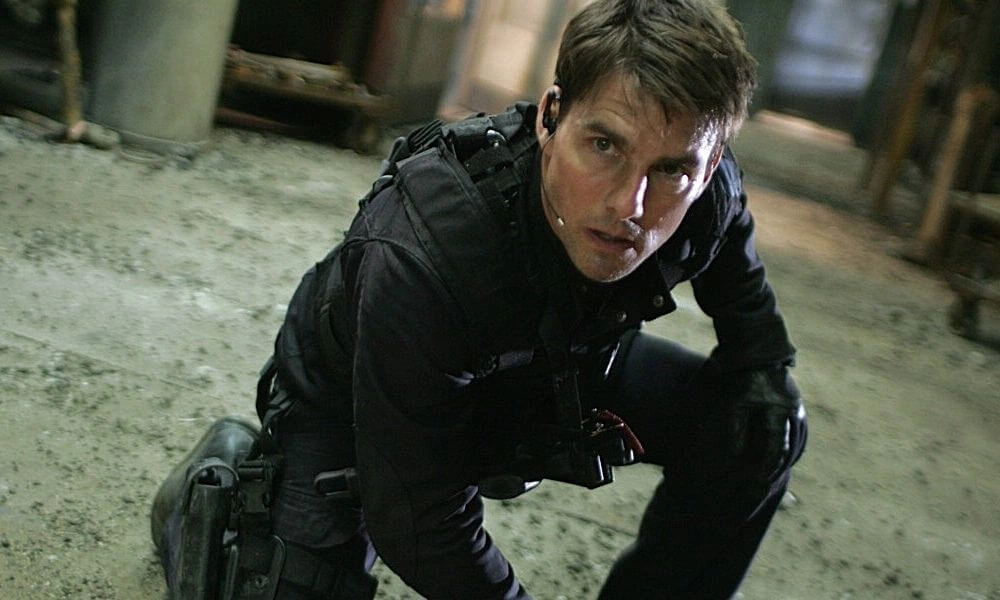
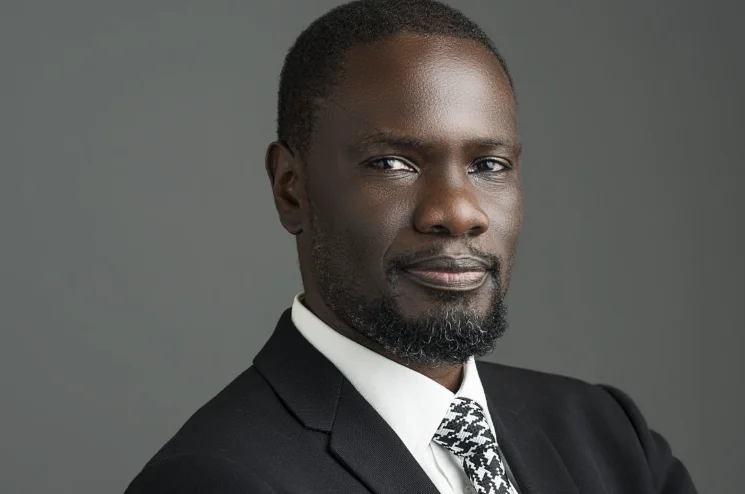
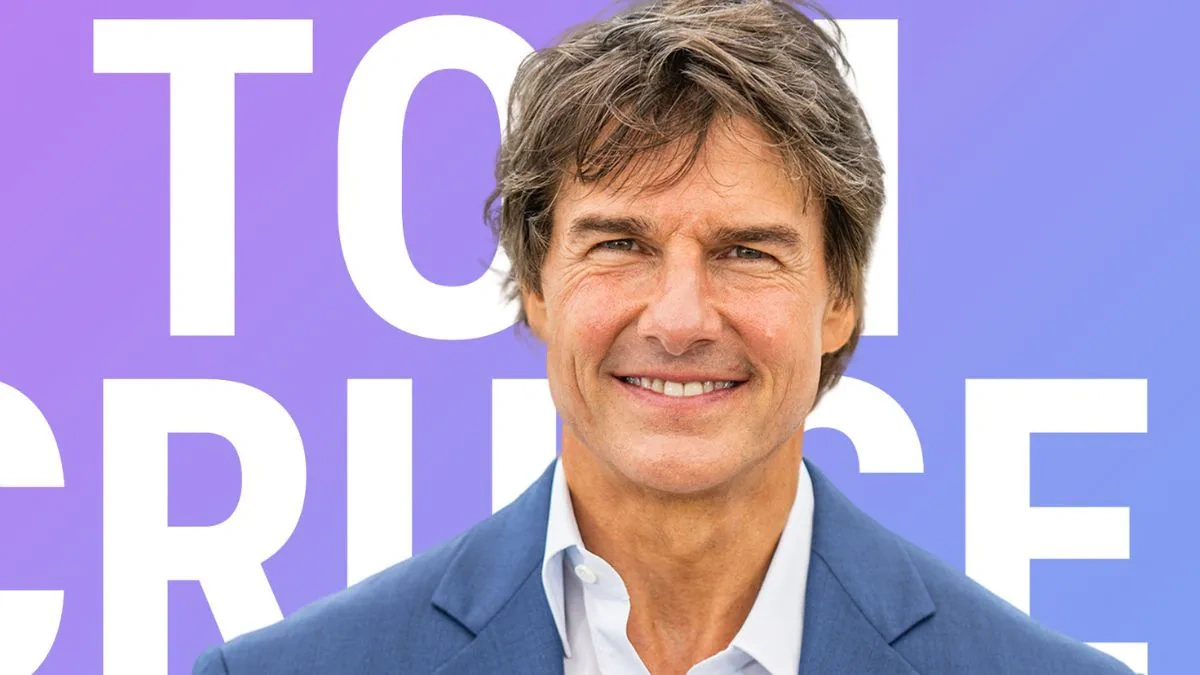
High-intensity espionage and relentless action come together in this gripping still of Tom Cruise.
Not all action stars rely on the same skill set. Most prominent action film actors fall into one of four distinct performance categories.
| Performer Style | Core Strengths | Notable Examples |
| Martial Artists | Authentic combat form, speed, flexibility, intricate fight choreography | Bruce Lee, Jackie Chan, Donnie Yen, Jet Li, Michelle Yeoh, Tony Jaa |
| Stunt-Driven Daredevils | High-risk practical stunts, vehicle control, endurance, minimal double use | Tom Cruise, Buster Keaton, Zoë Bell |
| Tactical & Gun-Fu Specialists | Weapons manipulation, close-quarters combat, movement precision | Keanu Reeves, Charlize Theron, Chow Yun-fat |
| Dramatic & Charisma-Led Heroes | Emotional weight, physical presence, grounded vulnerability, comedic timing | Harrison Ford, Bruce Willis, Sigourney Weaver, Denzel Washington |
How Stunt Doubles and Practical Effects Shape Performances
A common misconception is that action stars either do every single stunt themselves or do none at all. In reality, modern action filmmaking relies on a close partnership between actors, stunt coordinators, and stunt doubles.
Even the most dedicated performers use stunt doubles for specific reasons:
-
Insurance and Production Safety: If a lead actor suffers a serious injury during filming, an entire multi-million-dollar production can shut down for months, putting hundreds of crew members out of work.
-
Specialized Skills: A scene might require precision drift driving, high-altitude skydiving, or fire burns tasks best handled by specialists who train exclusively in those hazards.
-
Camera Framing: Wide shots that establish geography often use doubles, while medium and close-up shots feature the lead actor executing the choreography so the camera captures their facial expressions.
When an actor does perform their own combat or stunts such as Tom Cruise scaling buildings or Keanu Reeves clearing tactical shooting courses directors can use longer, uncut takes. This continuity prevents the disorienting “shaky cam” editing style and builds greater tension for the viewer.
What Makes Modern Action Choreography Stand Out?
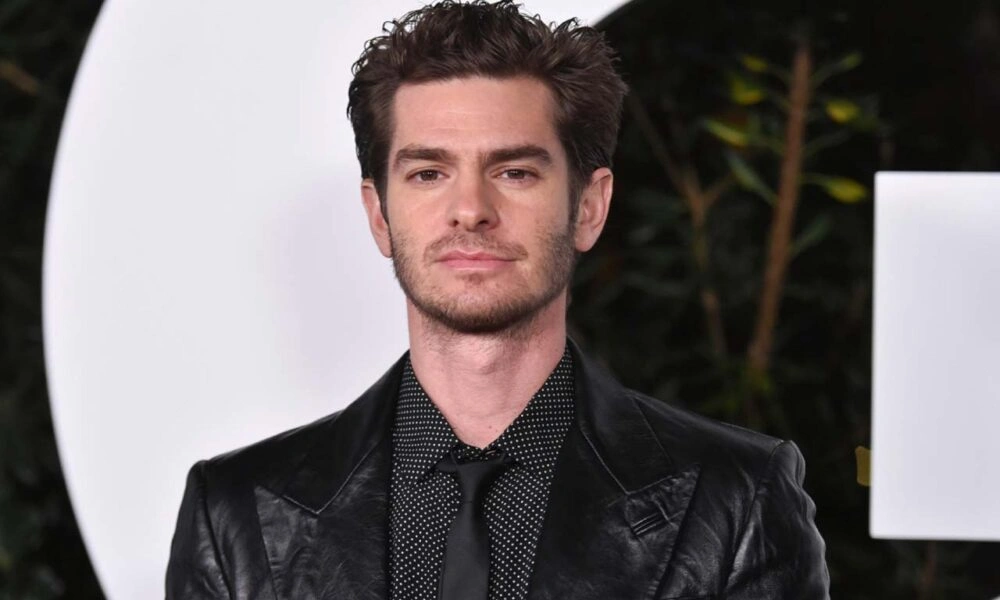
Sleek edge and unmistakable presence define this sharp event portrait of Andrew Garfield.
Viewers today are more visually literate than ever and can quickly spot awkward editing or weightless digital effects. As a result, top action film actors and directors, including many famous action actors, focus on several key techniques to keep scenes engaging. Their performances and carefully choreographed sequences help audiences connect with the action, as seen in the work of some of the most recognizable action movie actors.
-
Clear Geography: Audiences need to understand where characters are in relation to one another and where the exits or hazards are located.
-
Consequence and Fatigue: Great action performers show the cumulative toll of a fight. Breathing harder, favoring an injured shoulder, and slowing down in the third round make a character feel human.
-
Character-Driven Fighting Styles: A trained assassin moves efficiently and economically, whereas an untrained survivor scrambles, uses improvised objects, and relies on desperation. The best actors tailor their body language to their character’s background.
Final Thoughts
The legacy of action film actors rests on far more than explosions and choreographed punches. At its best, action cinema is a form of visual storytelling where character, emotion, and physical skill collide.
Whether through Bruce Lee’s martial arts precision, Sigourney Weaver’s fierce resilience, Jackie Chan’s inventive acrobatics, or Charlize Theron’s grounded intensity, the genre’s finest performers prove that physical movement can be just as expressive as dialogue. As filmmaking technology continues to advance, the actors who endure will always be those who make every leap, strike, and narrow escape feel genuinely human.
Frequently Asked Questions
Who is widely considered the most influential action film actor of all time?
Bruce Lee is widely recognized as the most influential figure in modern action cinema. His emphasis on authentic martial arts, speed, and clear camera framing reshaped fight choreography in both Asia and Hollywood, directly inspiring generations of performers from Jackie Chan to Keanu Reeves.
Do action film actors really do their own stunts?
Many action actors perform their own fight choreography and moderate physical stunts after months of rehearsal. However, high-risk stunts involving explosions, extreme heights, or complex vehicle crashes are usually handled by professional stunt doubles to protect the actor and avoid costly production delays.
How do actors prepare physically for action roles?
Preparation typically lasts between two and six months before filming begins. Training includes strength and conditioning, flexibility work, martial arts or boxing drills, weapons safety, and rehearsing specific fight sequences with the stunt team to build muscle memory.
Who are some of the top female action film actors?
Notable female action stars include Michelle Yeoh, Sigourney Weaver, Linda Hamilton, Charlize Theron, Uma Thurman, Angelina Jolie, and Emily Blunt. These performers have led major franchises and earned acclaim for combining intense physical commitment with complex dramatic acting.
Why do some action movies use fast editing while others use long takes?
Fast editing is often used to create a sense of chaos or to hide the limitations of actors who have had less time to train. Long, unbroken takes require extensive rehearsal and high skill from the performer, but they reward the audience with clear, immersive action where every movement is visible.
What is the difference between a stunt performer and an action actor?
An action actor carries the narrative, delivers dialogue, and portrays the character’s emotional arc throughout the film. A stunt performer specializes in executing dangerous physical feats, falling safely, and doubling for actors during high-risk moments, though some individuals, like Jackie Chan and Zoë Bell, have excelled in both roles.