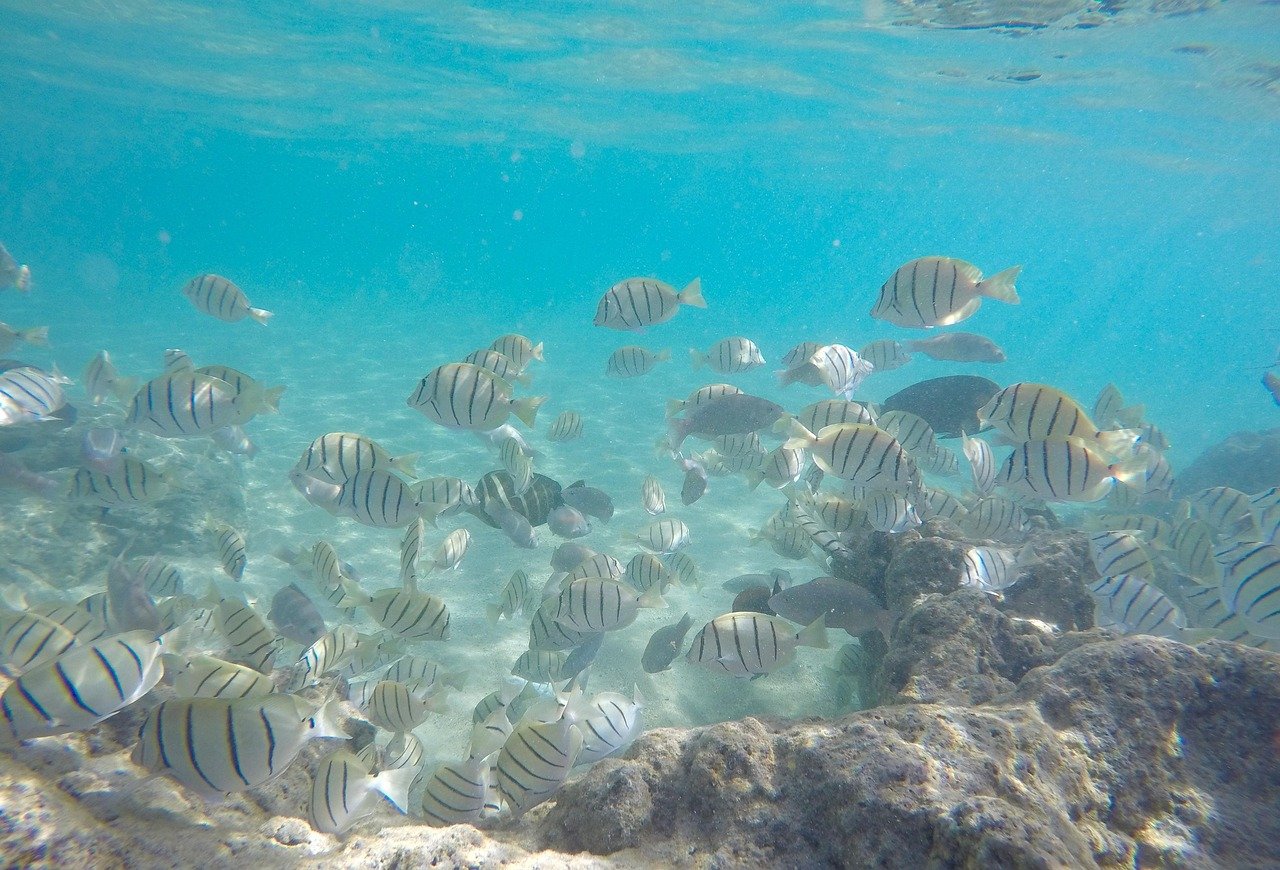
Which Hawaiian beach lets a total first-timer float over a reef within minutes of arriving, without a boat, a guide, or a wetsuit? The answer depends on the island, the month, and how much walking you want to do with fins in your hand. Hawaii has dozens of famous snorkel sites, but plenty of them are better suited to strong swimmers. This roundup focuses only on spots where beginners can wade in, stay shallow, and see fish almost immediately. (Acting jobs for beginners)
One rule shapes every pick below: the swell decides. In winter, roughly October through April, the north shores of every island get pounded, while summer flips the pattern and the south shores pick up the swell. That is why a spot that is perfect in July can be genuinely dangerous in January. Check the daily surf report before you commit.
Quick Comparison of Beginner-Friendly Snorkel Spots
| Spot | Island | Entry | Best season | Cost | Main catch |
|---|---|---|---|---|---|
| Hanauma Bay | Oʻahu | Sandy beach | Year-round | Paid reserve, reservation required | Books out; crowded |
| Shark’s Cove | Oʻahu | Rocky shore | Summer only | Free | Sharp rock and coral |
| Ko Olina Lagoons | Oʻahu | Sandy cove | Year-round | Free | Small reef area |
| Queen’s Beach, Waikīkī | Oʻahu | Easy sand | Year-round | Free | Modest fish life |
| Kahe Point (Electric Beach) | Oʻahu | Shore entry | Calm days | Free | Stronger currents |
| Molokini Crater | Maui | Boat only | Calm days | Tour price | Boat ride required |
| Kealakekua Bay | Big Island | Boat or kayak | Calm mornings | Tour or rental | No easy shore access |
| A-Bay, Waikoloa | Big Island | Sandy beach | Year-round | Free | Busy resort area |
Hanauma Bay Nature Preserve, Oʻahu: The Classic First Snorkel

If someone has never put on a mask, Hanauma Bay is the safest bet on paper. The bay sits inside a volcanic crater on Oʻahu’s southeast coast, and that crater shelters a dense reef from open-ocean swell. The water is calm, marine life is thriving, and access is straightforward: you walk down to a sandy beach and wade in.
The reserve is a protected marine sanctuary, and visitors must watch a short video on reef safety before entering. Reservations are required. Early mornings are best for clear visibility and lighter crowds, so book the first slot you can get and arrive with your gear already fitted.
The limitation is simple: everyone knows about it. Hanauma is Hawaii’s most famous snorkeling destination, and the reservation system exists precisely because demand outstrips the beach. If your dates are fixed and the booking page shows nothing, you need a backup plan. It is also not free, so budget for entry.
Who it suits: families, nervous first-timers, anyone who wants calm water and a guaranteed reef.
Shark’s Cove, Oʻahu: Shallow Tide Pools Full of Fish
Shark’s Cove on the North Shore is the spot beginners describe with the most affection. Despite the name, there are no sharks to worry about. The cove is a set of shallow pools formed by natural lava rock, with relatively gentle waves and clear water. Fish appear the moment you lower your face, and coral and small fish sit just below the surface.
That shallow depth is the whole appeal. Children and first-time snorkelers can enjoy it comfortably because there is no deep water to negotiate. Entry is free, it is a public beach park, and there is free parking at or near the park, though spaces fill early in the morning.
Two real limitations. First, the bottom is rocky in many places, so aqua shoes are essential, not optional. Second, the season matters enormously. Shark’s Cove has excellent reefs in summer but is not suitable during winter surf. One local operator puts it bluntly: in winter the cove goes from a calm pool you could bring a five-year-old to, to a place that genuinely kills people. Check the surf report, and if the north shore is pumping, go south instead.
Who it suits: confident waders, families with older kids, anyone visiting Oʻahu between roughly May and September.
Ko Olina Lagoons, Oʻahu: Calm Water With Almost No Effort
The four lagoons at Ko Olina on Oʻahu’s west side are man-made coves with sandy bottoms and protected water. They are described as calm and beginner-friendly, and that is exactly right. You park, walk a short path, and step into flat water. No rock hopping, no current to fight.
The trade-off is scale. These are small, sheltered lagoons, not sprawling reef systems, so the fish life is modest compared with Hanauma or Shark’s Cove. Think of it as a training ground: a place to learn mask clearing and breathing through a snorkel without waves slapping you in the face. Once you are comfortable, move on to a bigger site.
Who it suits: absolute beginners, small children, travelers staying on the west side.
Queen’s Beach, Waikīkī: Snorkeling Without Leaving Town
Queen’s Beach sits at the Waikīkī end of things, which makes it the lowest-effort option in the state if you are already staying in Honolulu. Access is easy from the sand, and snorkelers commonly see turtles and reef fish in the area.
The honest limitation: this is a city beach, not a marine preserve. Visibility varies with surf and foot traffic, and the reef is not as rich as the crater at Hanauma. Treat it as a convenient warm-up swim rather than a destination. Follow local wildlife guidelines, and remember that touching or chasing turtles is never acceptable.
Who it suits: hotel-bound visitors, early risers, anyone squeezing in a swim before breakfast.
Kahe Point (Electric Beach), Oʻahu: For Beginners Who Are Strong Swimmers
Kahe Point, known locally as Electric Beach, has clear water and larger marine life, which makes it tempting. It also has stronger currents. That combination puts it in an awkward category: interesting enough for experienced snorkelers, demanding enough that true beginners should skip it unless they are confident in open water and accompanied.
If you go, go on a calm day, stay near other people, and exit before you get tired. This is the one spot on the list that earns a caution flag rather than a recommendation for first-timers.
Who it suits: beginners with solid swimming skills and a buddy.
Molokini Crater, Maui: The Boat Trip That Does the Work for You
Molokini is a partially submerged volcanic crater off Maui, and it is the classic Maui snorkel excursion. Because you reach it by tour boat, you skip shore entry entirely: the captain picks a sheltered mooring, you step off the swim platform, and you are over reef. For a beginner who finds surf and rocky entries intimidating, that structure is a genuine advantage.
The limitation is cost and dependence on the operator. You pay for the tour, you go when they go, and if conditions turn, the itinerary changes. It is also not a place to learn to swim. Practice in a pool or a calm lagoon first, then enjoy the crater.
Who it suits: travelers who want a guided, low-effort day on the water.
Kealakekua Bay, Big Island: Big Reward, No Easy Walk-In
Kealakekua Bay on the Kona coast is one of the strongest snorkeling areas on the Big Island. The west-facing coastline is often protected from the trade winds, and the bay is a Marine Life Conservation District covering 315 acres. Visibility can often exceed 100 feet, and the densest reef sits near the Captain Cook Monument at the north end of the bay.
Here is the beginner catch: there is no easy shore entry to that reef. You arrive by boat or kayak, which means either booking a tour or paddling and handling your own gear in open water. Afternoon winds can cause surface chop, and strong currents can occur during tide changes, so mornings are kinder. If you are a first-timer who wants the Big Island, pair a guided boat trip here with easier shore days elsewhere.
Who it suits: beginners comfortable on a guided boat, paddlers with some experience.
Anaehoomalu Bay (A-Bay), Big Island: Sandy Entry and Calm Water
A-Bay, in the Waikoloa Beach Resort area on the Kohala Coast, is the Big Island’s easiest introduction. The bay’s calm, sheltered water suits a leisurely snorkel among reef fish, and equipment rental is available right on the beach, which removes the packing headache. The adjacent ancient Hawaiian fishponds add a cultural backdrop.
The limitation is that it is a resort beach: busy, and the reef is pleasant rather than spectacular. As a first snorkel with rental gear and a sandy bottom, though, it is hard to beat for convenience.
Who it suits: resort guests, families, anyone who wants to rent gear on site.
How to Choose Your First Snorkel Spot
Work through these questions in order, and the shortlist shrinks fast.
- Which month are you traveling? Summer favors north shores like Shark’s Cove. Winter favors south and west shores. This single factor eliminates half the options.
- How is your swimming? If you are not a confident swimmer, choose sandy entries and lagoons, and consider a boat tour where a crew watches the water.
- Do you want free or guided? Shore spots cost nothing but require you to read conditions. Tours cost money but remove the guesswork.
- How much walking with gear? Rocky entries demand aqua shoes and careful steps. Sandy beaches are forgiving.
- What do you want to see? Turtles, dense coral, or just fish at arm’s length? Match the site to the goal.
Two practical habits separate a good first snorkel from a miserable one. First, arrive early: morning light is clearer, winds are lighter, and parking exists. Second, wear reef-safe sunscreen, because oxybenzone and octinoxate are banned statewide in Hawaii, and a UV rash guard solves the problem entirely. If you are documenting the trip, the same discipline that makes travel writing readable applies to trip planning: keep it simple, and the details take care of themselves. Writers who plan carefully tend to produce better work, whether they are drafting an autobiography writing guide or plotting a week of beach days.
Common Beginner Mistakes That Ruin a Good Snorkel
The mistakes repeat, and they are all avoidable. Standing on coral destroys the reef and cuts feet. Chasing turtles stresses them and is illegal under wildlife guidelines; keep a respectful distance and never touch, chase, or block their path. Skipping the surf report is the biggest one: a spot that is glassy on Tuesday can be lethal on Thursday.
Foggy masks are usually a fit problem, not a gear problem, so test the seal before you get in the water. And renting fins that are too big will exhaust your legs in twenty minutes. If you want a structured approach to learning the basics before you fly, a step-by-step guide to how to write an autobiography is not the tool you need, but the same lesson applies: preparation beats improvisation every time. Practice mask clearing in a pool, and your first ocean session becomes fun instead of frantic.
Conclusion
The best beginner snorkel spot in Hawaii is not the most famous one. It is the one that matches your month, your comfort in the water, and your tolerance for crowds. Hanauma Bay wins on calm water and guaranteed fish, Shark’s Cove wins on shallow, free, fish-filled pools in summer, and the Ko Olina Lagoons win on sheer ease. Maui and the Big Island offer boat-based options that remove shore entry entirely. Pick two spots for your trip, check the surf report the night before, bring aqua shoes and reef-safe sunscreen, and the reef will do the rest.
Frequently Asked Questions
What is the easiest snorkeling spot in Hawaii for a complete beginner?
The Ko Olina Lagoons on Oʻahu are the easiest entry, with calm, sandy coves and no rock to navigate. Hanauma Bay is the easiest place to see a lot of fish with minimal effort, but it requires a reservation and an entry fee.
Is Shark’s Cove safe for beginners?
Yes in summer, when the water is calm and the pools are shallow. No in winter, when north shore surf makes the cove dangerous. Check the surf report before you go, and wear aqua shoes because the bottom is rocky.
Do I need a reservation for Hanauma Bay?
Yes. Hanauma Bay is a protected marine sanctuary with a reservation system, and visitors must watch a short reef-safety video before entering. Book early, since morning slots are the most popular.
Can beginners snorkel at Molokini Crater?
Yes, and the boat format helps. You reach the crater by tour boat, so there is no shore entry or long swim, and the crew supervises the water. Practice basic skills in a pool or calm lagoon first.
What should I wear and bring for my first snorkel?
Bring a well-fitted mask, fins that do not slip, aqua shoes for rocky entries, and a UV rash guard. Use mineral-based reef-safe sunscreen, since oxybenzone and octinoxate are banned in Hawaii.
Which month is best for beginner snorkeling in Hawaii?
Summer is generally the friendliest season, because north shore spots calm down and visibility improves as the water warms. In winter, stick to south and west-facing shores that stay protected from large swell.