Where would you go if you had two weeks, one suitcase, and a country that packs ancient ruins, Renaissance art, Alpine peaks, and lemon-scented coastlines into a space smaller than Arizona? That is the real problem with Italy. It is not that there is nothing to see. It is that everything is worth seeing, and the guidebooks rarely tell you which place fits which traveler.
This roundup fixes that. Below are ten destinations that show up again and again on expert lists, each with an honest look at who it suits, what it does well, and where it falls short. Use the table to shortlist, then read the sections that match your travel style.
Quick Comparison: Ten Italian Destinations at a Glance
| Destination | Best for | Standout draw | Main limitation |
|---|---|---|---|
| Rome | First-timers, history lovers | Ancient ruins beside modern life | Heavy crowds at headline sights |
| Florence | Art and Renaissance fans | World-class sculpture and painting | Busy, compact center |
| Tuscany | Slow travelers, romantics | Rolling hills and hill towns | A car helps enormously |
| Venice | Atmosphere seekers | Canals and car-free lanes | Very crowded in peak season |
| Amalfi Coast | Classic beauty, couples | Cliffside villages and sea views | Winding roads, tight space |
| Naples | Food obsessives | Pizza in its birthplace | Chaotic, gritty streets |
| Pompeii | Time-travelers | A Roman city frozen in ash | Hot, exposed site |
| Dolomites | Hikers, mountain lovers | Dramatic peaks and trails | Best saved for summer |
| Lake Como | Luxury seekers | Alpine lake scenery | Pricey waterfront stays |
| Emilia-Romagna | Foodies | Stuffed pastas and cured meats | Often skipped by first-timers |
Rome: The City That Rewards Curiosity

Rome is the default first stop, and for good reason. The historic center works like a living museum, with the Roman Forum, grand piazzas, and cobbled lanes that reward hours of aimless walking. Vatican City sits inside the city itself, and the Vatican Museums and St Peter’s Basilica deliver one of the most extraordinary cultural experiences anywhere.
Who it suits: first-timers, history lovers, and anyone who wants famous sights within walking distance of good dinner.
What it does well: density. You can see ancient architecture in the morning and eat a perfect plate of pasta at night without crossing town.
The limitation: the headline sights are mobbed. The practical fix that actually works is booking timed entry online for smaller museums, such as the Galleria Borghese with its Bernini sculptures, and visiting the quieter Villa Medici gardens for views over the city. Travelers who plan one “big” sight per day and leave the rest loose tend to enjoy Rome far more than those who stack five monuments into a single morning.
Florence: A Compact Renaissance Masterclass
Florence earns its reputation as the capital of the Renaissance. The city is small enough to cross on foot, yet it holds sculpture, painting, and architecture that people travel across the world to stand in front of.
Who it suits: art lovers, architecture fans, and travelers who prefer a walkable city over a sprawling one.
What it does well: concentration. Masterpieces sit minutes apart, and the food culture is serious. A rare, ultra-thick T-bone steak, bistecca alla fiorentina, is the iconic local dish, and trattorias around the center serve it with pride.
The limitation: the center is busy and the famous galleries book out. Reserve ahead, and build in an afternoon for the Oltrarno side of the river, where the pace drops and the workshops still feel local.
Tuscany: The Scenery Everyone Pictures
Tuscany is the region people imagine when they close their eyes and think of Italy: cypress-lined roads, hill towns, vineyards, and long lunches. It pairs naturally with Florence, which sits at its heart.
Who it suits: slow travelers, couples, and anyone who wants scenery more than sightseeing.
What it does well: the space between the sights. A rental car turns small towns, wineries, and countryside trattorias into an easy loop.
The limitation: without a car, you are limited to trains and buses, which skip the best back roads. Driving brings its own headaches, including restricted zones in historic centers where fines are common. Park outside the walls and walk in.
Venice: Atmosphere You Cannot Fake
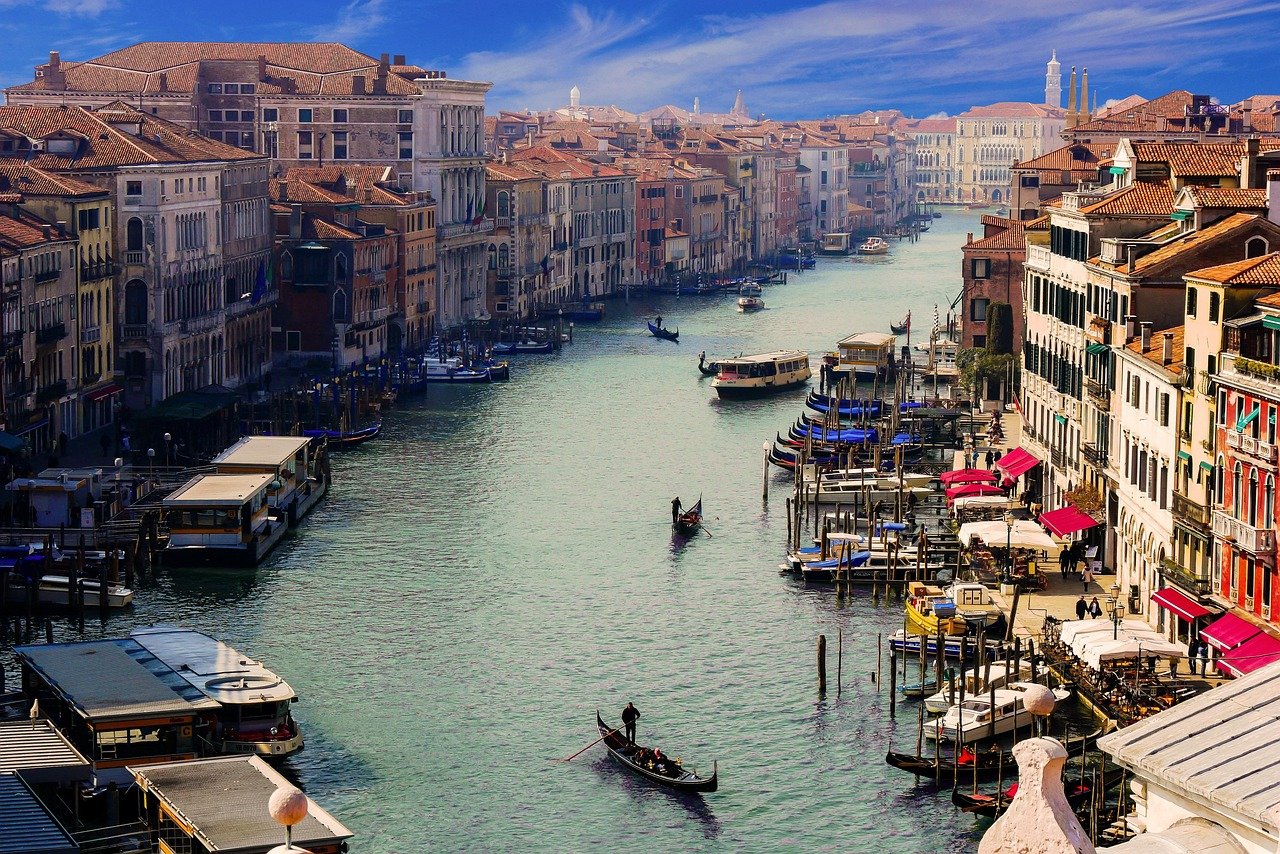
Venice is the one Italian city with no cars, no scooters, and no traffic noise. Just canals, bridges, and the sound of footsteps on stone. It is also famous for cicchetti, small baguette-style bites topped with seafood, meats, and vegetables, served in neighborhood wine bars called bacari.
Who it suits: romantics, photographers, and travelers who value atmosphere over checklist sightseeing.
What it does well: early mornings and late evenings. The city empties out and becomes the place you came for.
The limitation: day-trippers flood the center at midday. Staying overnight, even one night, changes the experience completely. Also note that eating cicchetti standing at the bar is both cheaper and more fun than sitting down at a table.
Amalfi Coast: Classic Beauty With a Practical Catch
The Amalfi Coast is the postcard: pastel villages stacked on cliffs above blue water, lemon groves, and boats cutting across the bay. It consistently ranks among Italy’s most beautiful stretches of coastline.
Who it suits: couples, honeymooners, and anyone chasing classic coastal scenery.
What it does well: views and swimming. Boat tours give you the coastline from the water, which is the angle that makes it famous.
The limitation: the road is narrow and winding, buses fill up, and summer traffic can eat hours. Ferries between towns are often faster and far more pleasant than the bus. Book accommodation early, because the best-value rooms near the water disappear months ahead.
Naples: Sheer Italianità, Warts and All
Naples is loud, layered, and completely itself. It is the birthplace of pizza, and a perfect pie here is a legitimate reason to plan a trip. The city also works as a base for Pompeii, the Amalfi Coast, and the islands.
Who it suits: food obsessives, repeat visitors, and travelers who prefer real cities to polished ones.
What it does well: food and energy. Historic pizzerias serve blistered, blobby crusts that ruin other pizza for you.
The limitation: it is chaotic and gritty, and first-timers sometimes find it overwhelming. Give it two nights rather than a rushed day, and keep valuables close in crowded streets.
Pompeii: Step Into a Frozen Roman City
Pompeii is the rare archaeological site that feels like a place people lived rather than a ruin they left. The Roman city was buried under volcanic ash, and streets, houses, bakeries, and frescoes survive in remarkable condition. Visiting with an expert archaeologist guide adds context that signage alone cannot.
Who it suits: history buffs, families with older kids, and anyone fascinated by daily life in the ancient world.
The limitation: the site is vast and exposed, with little shade. Go early, carry water, wear proper shoes, and accept that you will not see everything in one visit.
The Dolomites: Dramatic Mountains, Summer Trails
The Dolomites deliver the kind of scenery that makes people stop mid-sentence. Pale peaks, high meadows, and well-marked trails make this Italy’s mountain answer to the Alps.
Who it suits: hikers, active travelers, and anyone who wants a break from cities.
What it does well: summer hiking. Cable cars lift you high quickly, and mountain huts serve hearty food with a view.
The limitation: the season is short, and peak summer weekends bring crowds to the most popular trails. Start early and pick trails one tier below the famous ones.
Lake Como: A Slice of Luxury
Lake Como pairs Alpine water with grand villas and gardens. It has become shorthand for Italian luxury, and the waterfront towns reward slow wandering.
Who it suits: couples, luxury travelers, and anyone combining Milan with a lake escape.
What it does well: scenery and style. Ferries connect the villages cheaply, and the mid-lake views are the highlight.
The limitation: waterfront hotels are expensive, and the most famous villages get very busy in high season. Staying in a smaller town a ferry stop or two away saves money and often improves the experience.
Emilia-Romagna: Italy’s Food Heartland
Emilia-Romagna is the region food lovers circle on the map. Bologna is the epicenter of stuffed pastas such as tortellini and lasagna bolognese, and generational pasta makers still roll dough by hand. The region also produces some of Italy’s most famous cured meats and cheeses.
Who it suits: foodies, repeat visitors, and travelers who want to eat their way through a region.
What it does well: food at the source. Visit a dairy to see how a famous cheese is made, then eat tortellini in brodo for lunch.
The limitation: it lacks the headline monuments of Rome or Florence, so first-timers often skip it. That is exactly why it feels uncrowded.
How to Choose Between Them
Start with your travel style, not the map. A few practical rules that work in practice:
- First trip, one week: pick two bases, such as Rome and Florence, and resist adding a third.
- Art and cities: Rome, Florence, and Venice form a natural rail loop.
- Food first: build around Naples and Emilia-Romagna.
- Landscapes: choose Tuscany for hills, the Dolomites for peaks, or the Amalfi Coast for sea.
- Avoid the classic mistake: trying to see five regions in ten days. Transfer days eat hours, and Italy rewards depth over coverage.
One more tip that saves real money and stress: book the blockbuster sights online the moment your dates are fixed, then leave everything else flexible. The best moments in Italy tend to happen in the gaps between plans, whether that is a hill town you stumbled into or a wine poured by someone whose family has made it for generations. For a deeper look at how Italian style and image shape the country’s global appeal, the profile of Mariano Di Vaio, Italy’s luxury fashion icon, shows how much of Italy’s draw comes from a way of living as well as from a list of sights.
Conclusion
There is no single best place to visit in Italy, and that is the honest answer. Rome suits the curious first-timer, Florence the art lover, Tuscany the slow driver, and Naples the hungry. The Dolomites and Lake Como trade cities for scenery, while Pompeii and Emilia-Romagna reward specific passions. Choose two or three that match how you actually like to travel, book the big sights early, and leave room for the unplanned afternoon that turns out to be the best part of the trip.
Frequently Asked Questions
What is the best place to visit in Italy for a first trip?
Rome is the strongest first stop. It combines ancient ruins, major art, and walkable neighborhoods, and it connects easily by train to Florence and Venice, so you can build a simple loop without a car.
How many days do you need in Italy?
For a first visit, plan at least seven to ten days across two bases. Trying to cover five regions in a week means most of your time goes to transfers rather than sights.
Is Naples worth visiting or should I skip it?
Naples is worth two nights, especially for food. It is the birthplace of pizza and a practical base for Pompeii and the Amalfi Coast, but it is chaotic, so travelers who want calm should treat it as a day trip instead.
What is the best time of year to visit the Amalfi Coast?
Late spring and early autumn are the sweet spots, when the weather is mild and the ferries run reliably. Midsummer brings heavy traffic on the coastal road, so use boats between towns whenever possible.
Do you need a car to explore Tuscany?
A car makes Tuscany far more rewarding because it reaches the countryside and small hill towns that trains skip. If you drive, park outside historic centers, since restricted zones carry steep fines.
What should you book in advance in Italy?
Book timed entry for the blockbuster sights, including the Vatican Museums and the main Florence galleries, as soon as your dates are set. Smaller museums such as the Galleria Borghese in Rome also require advance tickets and are worth planning around.