What if the best trip of your life is hiding in a place you have not even thought to look up yet? Every year, editors, tour leaders and travel advisors publish their picks, and the lists rarely agree. That disagreement is useful. It tells you which places have a real reason to be visited right now, and which ones are just photogenic.
This roundup pulls together named destinations with concrete hooks for 2027: milestone anniversaries, new museum exhibitions, eclipse paths and cultural festivals. Each entry tells you who it suits, what it does well, and where it falls short. No filler, no vague “hidden gem” talk.
Quick Comparison of the Top Picks
| Destination | Best For | Standout Hook | Main Limitation |
|---|---|---|---|
| Burgundy, France | Culture and wine lovers | Photography bicentenary exhibitions | Spread-out sights, needs a car |
| Ghana | Heritage and diaspora travelers | 70 years of independence | Long internal transfers |
| Alberta, Canada | National park and Indigenous culture fans | 150th anniversary of Treaty 7 | Short warm season |
| Luxor, Egypt | Eclipse chasers and history buffs | Total solar eclipse | Extreme summer heat |
| Normandy, France | History-focused families | 1,000 years since William the Conqueror’s birth | Heavy D-Day site crowds |
| Sydney, Australia | Food and luxury travelers | New restaurant and hotel openings | High cost, long flights |
| Bangkok, Thailand | Urban food explorers | Dining and riverfront development | Heat and congestion |
| Menton, France | Slow-food romantics | Mirazur’s 20th anniversary projects | Small, books up fast |
| Shetland Islands, Scotland | Wildlife and quiet-seekers | Maritime heritage sites | Weather-dependent travel |
Burgundy, France
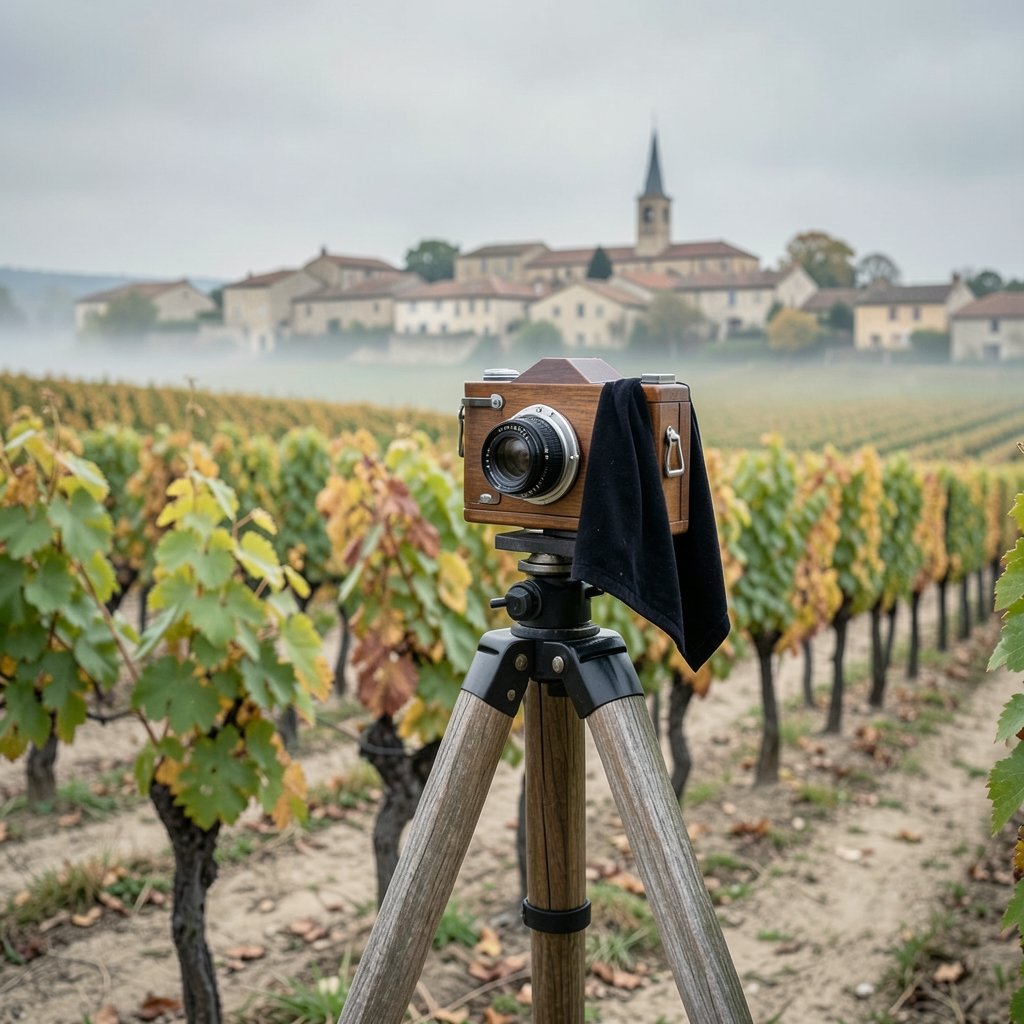
Burgundy has always sold itself on vineyards, honey-stone villages and the world’s most famous mustard. For 2027 it has a sharper angle: France is marking the bicentenary of photography until September 2027, and the story is rooted in Chalon-sur-Saône.
Who it suits: Travelers who want culture with their wine, and anyone who likes a museum visit that anchors a whole trip.
What it does well: The Musée Nicéphore Niépce in Chalon-sur-Saône will display the world’s oldest surviving camera photograph in a special exhibition from late April to late June 2027. From there you can continue to nearby Saint-Loup-de-Varennes, where Nicéphore Niépce created that image 200 years ago. Then there is Dijon’s medieval core and market halls, plus the 60km Route des Grands Crus running south through the UNESCO-listed vineyards of the Côte d’Or to Beaune and Volnay.
The limitation: This is a region built for driving. Vineyard routes, small villages and the photography sites are spread out, and public transport will not cover a tight itinerary comfortably.
Practical tip: Book the museum window first, then build the wine route around it. Late April to late June is a narrow slot, and accommodation in Beaune tightens around it.
Ghana
Ghana made the BBC’s list of 20 destinations worth visiting in 2027, chosen for the year the country marks 70 years of independence. That framing matters: the trip has a historical spine, not solely a beach holiday.
Who it suits: Travelers interested in heritage, and members of the African diaspora drawn to the Beyond the Return program, which invites reconnection with Ghana.
What it does well: Ghana became the first sub-Saharan African country to win independence from colonial rule in 1957, a moment credited with stirring freedom movements across the continent. The anniversary year gives structure to visits to Cape Coast and Elmina, Accra’s cultural scene and the country’s craft traditions.
The limitation: Internal travel takes time. Distances between the coast and the north are long, and a week barely scratches the surface.
Practical tip: Decide before booking whether you want a heritage-focused southern loop or a wider country circuit. Trying to do both in ten days usually means spending your trip in a bus.
Alberta, Canada
Alberta earns its place for a different reason: a new chapter for a beloved national park and a deeper immersion in Indigenous history. The province’s identity is strong, something brought into sharp focus by recent separatist debates.
Who it suits: Hikers, wildlife watchers and travelers who want storytelling from First Nations hosts rather than a checklist of viewpoints.
What it does well: In 2027, the 150th anniversary of Treaty 7, a historic agreement between the Crown and several First Nations, gives the year a meaningful frame. Pair mountain time with cultural programming led by Indigenous communities.
The limitation: The warm window is short. July and August are busy and expensive, and shoulder-season snow can close high trails without warning.
Practical tip: Reserve park accommodation months ahead and keep one flexible day for weather. In the Rockies, plans that cannot move tend to break.
Luxor, Egypt
Luxor makes the cut as the site of an upcoming total solar eclipse that will cast the ancient city into more than six minutes of daytime twilight. Six minutes is an unusually long totality, which is why eclipse chasers are already circling it.
Who it suits: Astronomy fans who also want temples, tombs and river life in one trip.
What it does well: Few places combine a sky event with this density of ancient monuments. The eclipse becomes the anchor for a broader Nile itinerary.
The limitation: Heat. Outside the cooler months, daytime temperatures make midday sightseeing genuinely hard, and eclipse timing may not align with comfortable weather.
Practical tip: Treat the eclipse as a fixed point and plan everything else around it. Book viewing positions and accommodation early, and build in shade breaks rather than pushing through the afternoon.
Normandy, France
Normandy will celebrate 1,000 years since the birth of William the Conqueror, and it remains a natural pick for history-minded families. One traveler quoted in coverage of 2026 wish lists described booking a private D-Day and battlefields tour for a family of four, drawn by a son’s interest in World War II.
Who it suits: Families with teenagers, history buffs and anyone who likes coastal drives between serious sites.
What it does well: It layers two distant eras: medieval Norman power and the twentieth-century landings. Beyond history, the region charms with quiet countryside and food culture.
The limitation: D-Day sites draw heavy crowds in peak season, and a rushed itinerary can turn remembrance into a queue.
Practical tip: Hire a guide for the beaches and cemetery, then self-drive the smaller museums. The context a good guide adds is worth more than the cost of another night’s hotel.
Sydney, Australia
Sydney is having a food moment. Its restaurant scene is deeply rooted in the surrounding land and sea, and the produce of New South Wales and beyond is described as world-class, including Indigenous ingredients available only in Australia.
Who it suits: Food-first travelers and anyone combining a city break with coastal time.
What it does well: Seafood is the headline, and 2027 brings major luxury hotel openings, including Emirates Wolgan Valley, described as the world’s first Ritz-Carlton Lodge, and the relaunched Avani Cypress Lakes Resort, a 340-acre wellness property in the Hunter Valley.
The limitation: Cost and distance. Flights are long from most of the world, and the city’s best tables are priced accordingly.
Practical tip: Split the trip. Two or three days in the city, then a Hunter Valley stay, gives you both the restaurant scene and the wine country without backtracking.
Bangkok, Thailand
Bangkok is in what one Southeast Asia specialist calls a genuine golden age, and most travelers have not caught up yet. The most noteworthy recent developments sit along the Chao Phraya river.
Who it suits: Urban explorers who plan days around meals and markets.
What it does well: Street food, fine dining and riverfront redevelopment in one compact, fast-moving city. It also works as a gateway to the rest of the region.
The limitation: Heat, traffic and noise wear people down. First-timers often over-schedule and burn out by day three.
Practical tip: Plan one anchor per day and leave the rest loose. The city rewards wandering, and the best meals are often the ones you did not research.
Menton, France
Menton sits on the French Riviera but behaves like a small Italian town with a French accent. In 2026, coinciding with Mirazur’s 20th anniversary, chef Mauro Colagreco will inaugurate an 11-suite luxury hotel beside the restaurant’s garden.
Who it suits: Slow-food romantics and travelers who prefer lemon groves to beach clubs.
What it does well: Food with real regional identity. Mitron Bakery uses ancient wheat flour, Casa Fuego grills meats and seafood, Pasta Piemonte serves lemon ravioli, and JR Bistronomie blends French technique with Italian influence. Beyond the table, the Jardin d’agrumes du Palais Carnolès holds 137 rare citrus varieties across two and a half acres around a former Monaco royal summer residence.
The limitation: It is small. Once you have eaten and walked the old town, you will want a car or train for day trips.
Practical tip: Book restaurant reservations before you book accommodation. Menton’s best tables are tiny, and the anniversary year will not make that easier.
Shetland Islands, Scotland
The Shetland Islands reward travelers who treat weather as part of the experience rather than an obstacle. They are rich in traditions, history stretching back millennia, wildlife, dramatic scenery and very fine beer and whisky.
Who it suits: Birders, walkers and anyone who wants remoteness without extreme expedition logistics.
What it does well: Heritage sits close to the surface. Learn about Unst’s maritime heritage at the Unst Boat Haven, where traditional Shetland vessels are displayed, and pair it with cliff walks and coastal drives.
The limitation: Ferries and flights are weather-dependent, and a tight schedule can fall apart fast.
Practical tip: Add a buffer day at each end. If you are flying in for a fixed event, arriving a day early is cheaper than missing it.
How to Choose Between These Destinations
Start with the reason, not the photograph. Each destination above has a specific hook, and matching your dates to that hook is what separates a good trip from a crowded one.
- Check the calendar first. Eclipse timing in Luxor, the photography exhibition window in Burgundy and anniversary programming in Ghana and Alberta all have fixed dates.
- Match the season to your tolerance. Alberta and Luxor both punish poor timing far more than poor planning.
- Decide how you will move. Burgundy and Shetland reward self-drive and buffer days; Bangkok and Sydney reward density and walkability.
- Budget for the anchor. A guided D-Day tour or an eclipse viewing spot is worth more than an extra night in a hotel you barely use.
- Leave one day empty. Every destination on this list has something better than your plan, and you need room to find it.
For more travel planning frameworks and destination thinking, see Marian Oiduba’s site.
Common Mistakes to Avoid
The biggest error is booking accommodation before checking the event calendar. Anniversary years and eclipse dates drive demand in specific weeks, and a hotel booked for the wrong week is an expensive correction.
The second is over-packing the itinerary. Normandy, Ghana and Alberta all involve real distance between highlights. Three stops in four days reads well on paper and feels miserable in practice.
The third is ignoring the shoulder season. Alberta’s trails and Shetland’s ferries both behave differently outside peak months, and flexibility often matters more than the specific dates you picked.
Conclusion
The best places to travel in 2027 are the ones with a reason attached: a bicentenary in Burgundy, seventy years of independence in Ghana, a treaty anniversary in Alberta, six minutes of darkness over Luxor. Those hooks give a trip shape, and shape is what makes travel memorable rather than merely pleasant.
Pick one destination, check its dates, book the anchor experience first, and leave a day spare. That simple sequence beats any list, including this one.
What are the best places to travel in 2027?
The strongest picks combine a real reason to visit with manageable logistics. Burgundy, Ghana, Alberta, Luxor, Normandy, Sydney, Bangkok, Menton and the Shetland Islands all have specific 2027 hooks, from France’s photography bicentenary to Ghana’s 70th independence anniversary and the total solar eclipse over Luxor.
When should I visit Burgundy for the photography exhibition?
The special exhibition at Chalon-sur-Saône’s Musée Nicéphore Niépce, featuring the world’s oldest surviving camera photograph, runs from late April to late June 2027. France’s wider photography bicentenary programming continues until September 2027, so late spring is the tightest and most rewarding window.
Is Ghana worth visiting in 2027?
Yes, if heritage is your focus. Ghana marks 70 years of independence in 2027 and appears on the BBC’s list of 20 destinations worth visiting that year. The Beyond the Return program invites the African diaspora to reconnect, and the anniversary gives structure to visits along the coast and in Accra.
What makes Luxor different from other history destinations?
The total solar eclipse. Luxor will experience more than six minutes of daytime twilight, an unusually long totality that makes it a magnet for eclipse chasers. Pair the event with temple and tomb visits, but plan around heat and book viewing positions early.
Which destination suits families best?
Normandy is the easiest sell for families with older children. It combines medieval history, the D-Day beaches and quiet countryside, and private guided tours let you set the pace. Alberta works well too, provided you keep hiking days flexible for weather.
Do I need a car in Burgundy or the Shetland Islands?
In Burgundy, yes, or a hired driver. The Route des Grands Crus, the photography sites and the villages are spread across the region. In Shetland, a car helps, but the bigger issue is weather: ferries and flights can shift, so build in buffer days at each end of your trip.