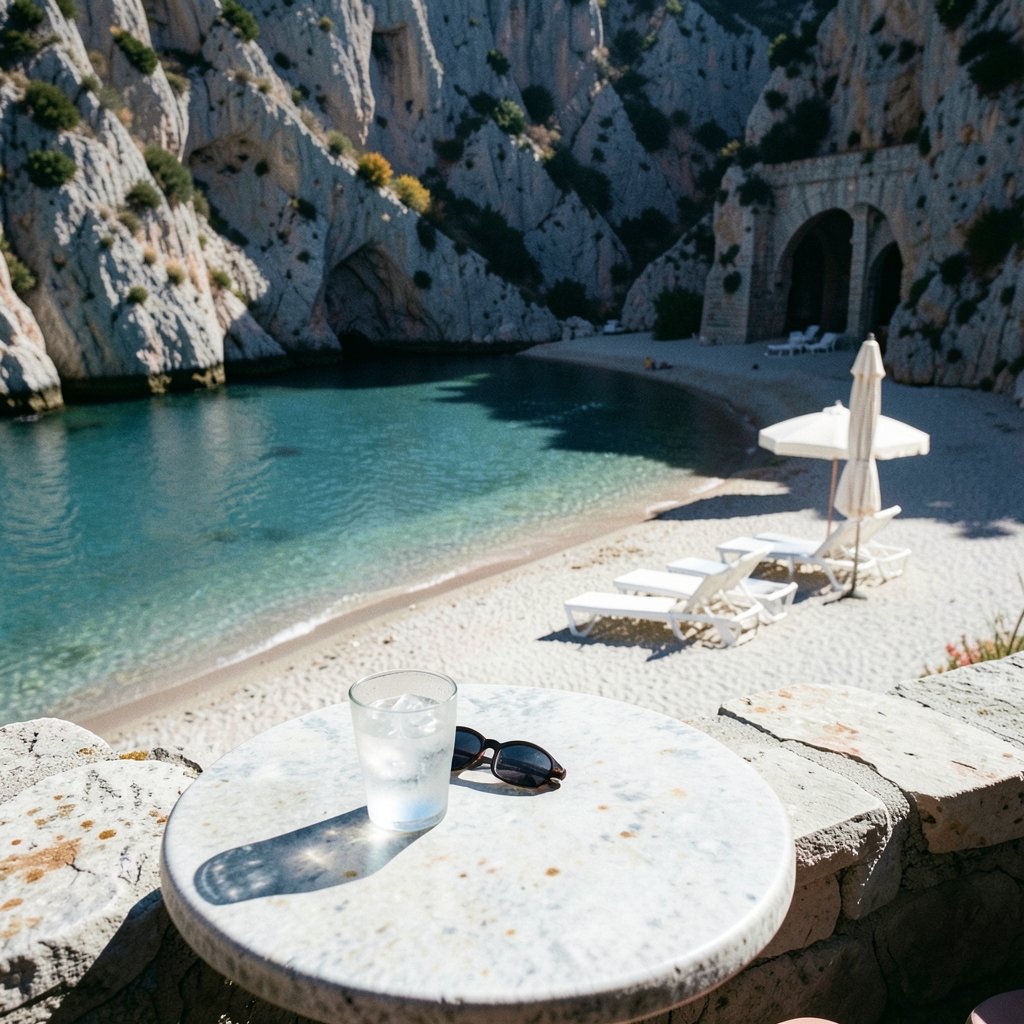
Which beach should you actually drive to on Maui? The island packs roughly 30 miles of accessible sandy shoreline around its coast, and the quality is remarkably consistent. Almost every stretch is beautiful. The real challenge is not finding a good beach. It is matching the right beach to what you want that day: calm water for kids, a reef for snorkeling, shore break for bodyboarding, or a quiet patch of sand away from the resort crowds.
This roundup names specific beaches, says who each one suits, and points out the one limitation that matters before you load the car. Every beach in Hawaii is open to the public, and free parking exists at most of them if you arrive early enough.
Quick Comparison: Maui Beaches at a Glance
| Beach | Best For | Region | One Limitation |
|---|---|---|---|
| Wailea Beach | Swimming, sunsets, boogie boarding | South Maui | Busy resort frontage |
| Kaanapali Beach | Families, activities, snorkeling at Black Rock | West Maui | Most developed beach on the island |
| Kapalua Bay Beach | Calm-water snorkeling | West Maui | Small, fills quickly |
| Maluaka Beach (Turtle Town) | Sea turtles, quieter days | South Maui | Popular, so go early |
| Ulua Beach | Easy-entry snorkeling, bodyboarding | South Maui | Small lot fills fast |
| Mokapu Beach | Shallow reef snorkeling | South Maui | Limited parking |
| Makena State Park | Solitude and wide sand | South Maui | Check conditions before swimming |
| D.T. Fleming Beach Park | Families with full amenities | West Maui | Can get windy |
| Baldwin Beach Park | Escaping crowds near Paia | North Shore | Swimming can be rough |
1. Wailea Beach: The All-Rounder
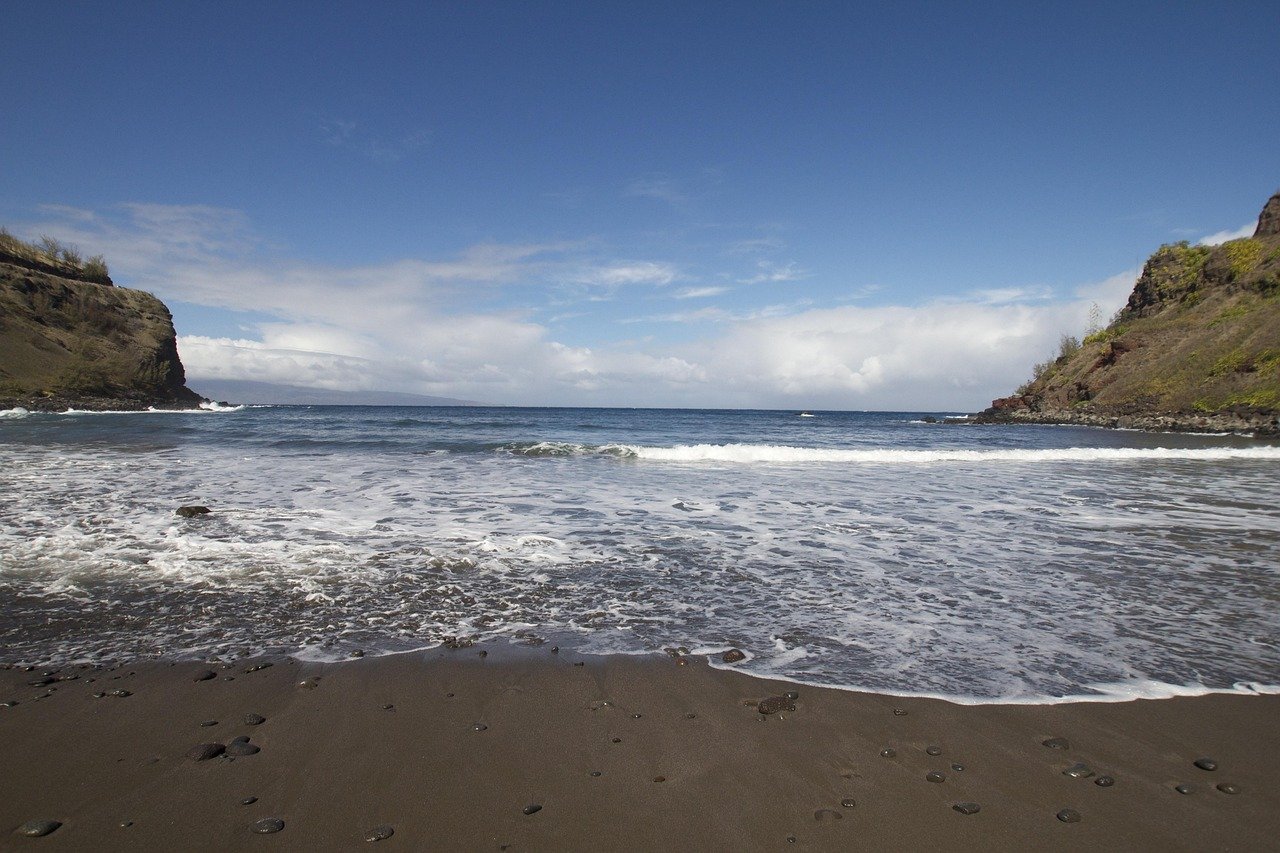
Wailea Beach is the crescent-shaped jewel sitting right in front of the Grand Wailea and Four Seasons resorts, and it is widely considered one of the world’s best beaches. The key word is accessible. You do not need a room key at either five-star hotel to walk onto the sand.
It suits swimmers first. The water is warm and generally gentle, and the beach handles snorkeling and boogie boarding well too. It is also one of the best places on the island to watch a Maui sunset, with frothy white waves rolling into the crescent coves while the sky turns.
The limitation is simple: this is resort Maui. Expect company, especially mid-morning. The upside is infrastructure. Restrooms, showers, and a beach path connecting the Wailea coves make a full day easy to plan. Park in the public lot or walk over on the coastal path. If you want the full picture of what this stretch of coastline offers, see this guide to the beaches in Wailea.
2. Kaanapali Beach: Three Miles of White Sand
The white sands of Kaanapali once hosted royalty and now serve as the backyard of some of Hawaii’s best resorts. Three miles of powdery shoreline give you room to spread out, and the crystal-blue water is the main attraction.
Who it suits: families and travelers who want options. Parasailing, kayaking, snorkeling, and sunset cruises all launch from here. On the northern end, a cliff-diving ceremony happens every sunset in homage to King Kahekili, Maui’s 18th-century leader. When hunger hits, Whalers Village delivers restaurants and shops within walking distance of the sand.
The limitation is that Kaanapali is the most developed beach on the island. It is beautiful and well maintained, but you will not find solitude. One practical tip that pays off: Black Rock at the north end of Kaanapali, known as Pu’u Keka’a, is the best shore snorkel on the west side. The volcanic point shelters fish and draws snorkelers all day, so arrive before the tour groups.
3. Kapalua Bay Beach: The Protected Cove
Kapalua Bay is a protected cove with calm waters, excellent snorkeling, and scenic coastal walking trails. The shape of the bay does the work here. When other west-side beaches pick up wind and chop, Kapalua often stays flat, which makes it the beach to choose on a breezy day or with nervous swimmers.
A healthy reef sits just offshore, making it one of West Maui’s easiest and most rewarding shore snorkels. There is a parking lot and pavilion right at the entrance, plus restrooms, showers, and picnic space.
The limitation: the cove is small, and everyone knows it. The lot fills early, and the sand gets crowded by mid-morning. Watch for currents over the reef on bigger swell days, and bring reef-safe sunscreen since this is a snorkel-heavy beach.
4. Maluaka Beach: Turtle Town
Maluaka Beach, also known as Turtle Town, is a quieter south Maui beach with a long stretch of soft sand and bright blue waters. It suits travelers who want the Wailea-level scenery without the resort-strip bustle, and it is the pick for anyone hoping to see honu (green sea turtles) in the water.
The limitation is that its reputation travels faster than its parking. Maluaka is popular, so early arrival matters, and snorkelers should keep a respectful distance from turtles, which are protected.
5. Ulua Beach: The Easy-Entry Snorkel
Ulua is a small, pretty pocket of powdery sand in Wailea, and it is South Maui’s go-to easy-entry snorkel beach. On calm days the water runs clear and the reef comes alive with coral and fish. On rougher days, the bodyboarders take over, so there is usually something to do either way.
The deeper Ulua reefs also make it a good place to watch honu getting the “spa treatment” from reef fish picking their shells clean, which is one of those small wildlife moments that sticks with people.
The limitation: the parking lot fills fast. Arrive early or walk over on the Wailea beach path from a neighboring cove. Restrooms and showers are on site.
6. Mokapu Beach: The Shallow Reef Next Door
Mokapu sits beside Ulua, and snorkelers revel in its thriving shallow reefs. If you are into sightseeing and marine wildlife, this pair of beach parks covers both moods in a single morning.
It suits confident snorkelers and photographers who want a shallow, fish-filled reef close to shore. The limitation is the same as Ulua’s: limited parking and a small footprint. Pair Mokapu with Ulua on one trip and treat them as a single stop.
7. Makena State Park: Room to Breathe
Makena State Park anchors the south end of the Wailea beach sequence and delivers what the resort coves cannot: space. Wide sand, fewer people, and a sense of scale that makes the island feel big again.
It suits travelers who value solitude over amenities and who are comfortable reading ocean conditions. The limitation is exactly that: this is a state park beach, not a resort beach, and conditions vary. Check the water before you commit, and do not assume the calm you saw at Wailea holds here.
8. D.T. Fleming Beach Park: West Maui With Full Amenities
D.T. Fleming Beach Park is a stunning sandy oasis in West Maui, a short drive from Lahaina. Spanning over 3.4 acres, it is built for families who want a full day out. Lifeguards are on duty during the day, so visitors can feel secure swimming or snorkeling, and the park has picnic areas with BBQ grills, restrooms, and outdoor showers.
The limitation is wind. West Maui afternoons often pick up, so plan this one for the morning and keep Kapalua Bay as your backup if the flags go up.
9. Baldwin Beach Park: The North Shore Escape
Baldwin Beach Park, near historic Paia Town on Maui’s North Shore, is a long stretch of golden sand and palm trees that offers a peaceful retreat from the crowded beaches elsewhere on the island. It suits families with kids, thanks to a protected cove on the east end and a saltwater lagoon on the west end.
The limitation: swimming conditions can be windy, and the open stretches are not the place for weak swimmers. It is also a local beach. Many residents use it, so as a visitor, be respectful. This is their home.
How to Choose Your Maui Beach
Work backward from the day you want, not from a ranking.
- Pick your water first. Calm-water swimming points to Kapalua Bay, Wailea, and the protected coves. Shore snorkeling points to Black Rock, Kapalua, Ulua, Mokapu, and Maluaka. Big surf is a spectator sport, not a swim.
- Match the region to your lodging. West Maui covers Kaanapali, Kapalua, and Fleming. South Maui covers Wailea, Ulua, Mokapu, Maluaka, and Makena. Crossing the island for a beach eats hours you could spend in the water.
- Decide on amenities. Lifeguards, restrooms, showers, and grills matter with kids and coolers. Wailea, Kaanapali, Fleming, and the Wailea beach path deliver them. Makena and Baldwin trade facilities for space.
- Arrive early or walk the path. Free parking exists at most beaches, but the small lots at Ulua, Mokapu, Kapalua, and Maluaka fill first. The Wailea coastal path lets you skip the lot entirely.
- Pack reef-safe sunscreen. Snorkel reefs are the reason several of these beaches exist as destinations, and protecting them keeps the fish there for the next visitor.
- Check conditions on the day. Morning is calmer on the west side. Wind builds in the afternoon. A beach that was perfect at 9 a.m. can be a different place at 3 p.m.
A common mistake travelers make is trying to hit every beach on the list. That is simply not an attainable vacation goal. Pick two or three per region, and let the rest wait for the next trip.
Conclusion
The best beach in Maui depends on the day you are having. Wailea delivers the postcard sunset and easy swimming. Kaanapali gives families three miles of sand plus Black Rock snorkeling at the north end. Kapalua Bay and the Wailea coves of Ulua and Mokapu handle calm-water snorkeling. Maluaka adds turtles, Makena adds solitude, Fleming adds lifeguards and grills, and Baldwin adds a north-shore escape near Paia. Choose by water conditions, region, and amenities, arrive early, and the island does the rest. For more Maui travel planning, visit marianoiduba.com.
What is the best beach in Maui for swimming?
Wailea Beach is the strongest all-round pick for swimming, with warm water and generally gentle conditions in front of the Grand Wailea and Four Seasons. Kapalua Bay is the better choice on windy days because its protected cove stays calm when other west-side beaches do not.
Which Maui beach is best for snorkeling?
Black Rock at the north end of Kaanapali is the best shore snorkel on the west side. On the south side, Ulua and Mokapu offer easy-entry reefs, and Maluaka, known as Turtle Town, is the spot for seeing green sea turtles. Kapalua Bay’s offshore reef is another reliable option.
Are Maui beaches free to visit?
Yes. Like the rest of Hawaii, all beaches in Maui are open to the public, and free parking is available at many of them if you arrive early enough. Some lots, such as those at Ulua, Mokapu, Kapalua, and Maluaka, fill quickly, so early arrival matters more than budget.
Which Maui beach is best for families with kids?
D.T. Fleming Beach Park is built for family days, with lifeguards on duty, picnic areas with BBQ grills, restrooms, and outdoor showers across more than 3.4 acres. Baldwin Beach Park also suits families, thanks to a protected cove on the east end and a saltwater lagoon on the west end, though swimming can be windy.
Do I need to stay at a resort to use Wailea or Kaanapali Beach?
No. Wailea Beach is accessible even if you are not checked into one of the five-star hotels, and Kaanapali’s three miles of sand are open to everyone. Public access and parking are part of the deal on all Hawaiian beaches.
What should I bring to a Maui beach?
Reef-safe sunscreen, water, and shade matter most. Several top beaches, including Baldwin, offer little tree shade, so an umbrella helps. Bring snorkel gear for the reef beaches, and check conditions before swimming at state park and north shore beaches where lifeguards may not be present.