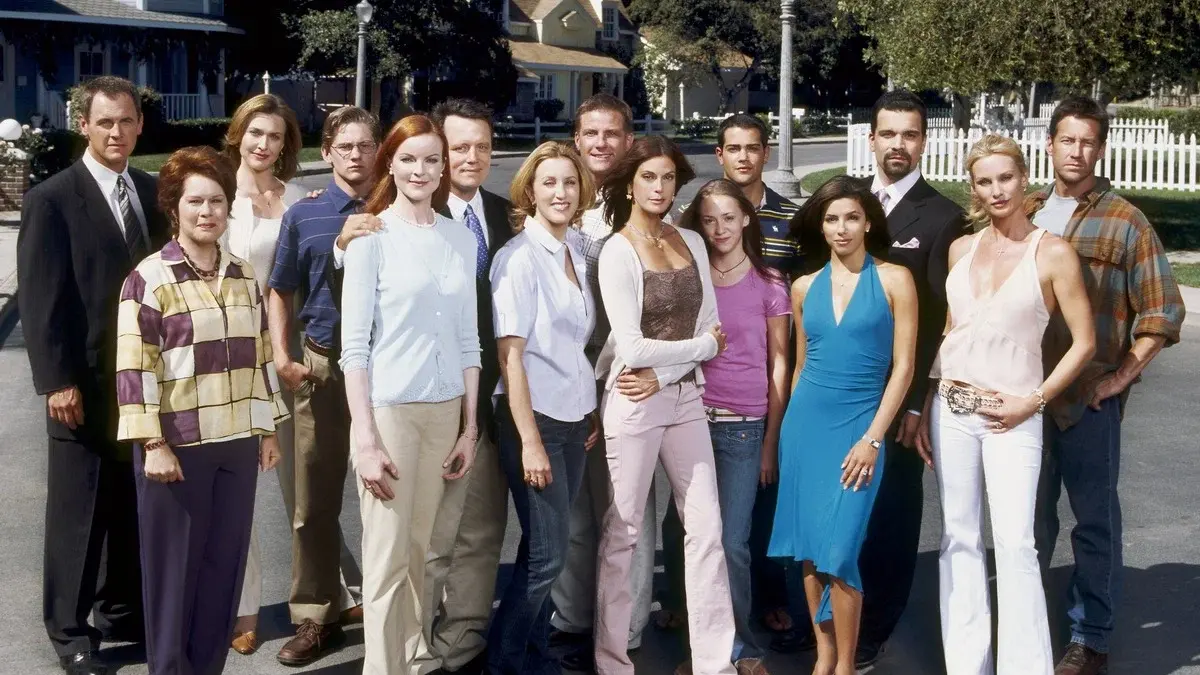
Actor roles are the distinct parts performers play across film, television, theater, and digital media. Casting teams sort these parts by screen time, story importance, and union rules. Knowing how these roles work helps new actors prepare for auditions. Furthermore, it allows writers to balance their stories and gives viewers a clear look at how shows get made.
Every scripted project relies on a clear order of parts to tell a good story. Lead characters carry the main plot forward. Meanwhile, supporting players, day players, and background actors add the detail and realism that make a fictional world feel real. Learning the exact terms behind each role type is therefore a vital step for anyone entering the entertainment industry.
Core Categories of Actor Roles by Story Weight

Young Theo Decker played by Oakes Fegley and adult Theo played by Ansel Elgort appear side by side in a split portrait from The Goldfinch.
In film and television, roles are mostly grouped by how much they affect the plot. Casting directors also look at how much time a character spends on screen. As a result, the industry uses standard terms to share these expectations with talent agents and performers. Understanding these roles also helps when exploring the careers of Hollywood stars of the 1940s and the work of agents for actresses, who help performers find suitable opportunities in the industry.
Lead Roles
A lead role, often called the protagonist, is the main character at the center of the story. The plot follows this character’s main goal, inner struggle, and personal growth from start to finish. Consequently, lead actors appear in most scenes and carry the heaviest speaking load. They also get top billing in the credits and posters. In group stories, several actors may share co-lead status when their plotlines carry equal weight.
Supporting Roles
Supporting roles belong to characters who shape the lead character’s journey without taking over the story. For instance, these characters might act as mentors, rivals, best friends, or love interests. A great supporting role often adds key background details, emotional contrast, or comic relief. In television, major supporting characters who appear throughout a whole season are called series regulars.
Featured and Day Player Roles
A day player—known in TV as a co-star or under-five—is a speaking role hired by the day. These characters usually appear in just one or two scenes to serve a clear story purpose. For example, a day player might be a detective sharing a clue or a doctor reading test results. Even with short screen time, these parts are great stepping stones for new actors building their resumes.
Cameo and Guest Star Roles
A guest star is a TV term for an actor hired for one or more episodes to drive that specific episode’s plot. On the other hand, a cameo happens when a famous performer takes a very brief, often surprise part. Cameos usually rely on the audience knowing the star’s real-life image or past hits. Therefore, these brief appearances create an instant laugh or emotional reaction.
Background and Extra Roles
Background performers, often called extras, fill out the world of a scene without speaking any lines. Whether sitting in a busy cafe or walking down a city street, background actors make scenes look natural. While they do not advance the plot with dialogue, some background roles handle key technical tasks. For instance, stand-ins match a lead actor’s height and hair color so the crew can set up camera lights.
Comparing Standard Industry Role Classifications

Mehmet Ali Erbil gestures on stage in a light blue jacket and glasses against a studio audience and warm lights.
Production budgets, contracts, and credits change a lot based on how a role is labeled. The table below shows the main differences across standard screen roles.
| Role Type | Screen Time & Scope | Dialogue Requirement | Typical Contract Structure | Career Stage Fit |
| Lead / Series Regular | Most scenes or episodes | Heavy; drives the main plot | Full project or multi-year TV deal | Established or breakout stars |
| Supporting / Recurring | Key scenes across acts or episodes | Moderate to heavy; aids subplots | Weekly or multi-episode deal | Mid-career to veteran actors |
| Day Player / Co-Star | One or two scenes in one project | Brief; usually under 5 to 10 lines | Daily contract (paid by the day) | Early-career and working actors |
| Background / Extra | Ambient presence in crowd shots | None (non-speaking) | Daily flat rate or union extra rate | Beginners or extra set work |
Character Archetypes and Functional Roles
Beyond contract size and screen time, actor roles are also sorted by what a character does in the script. Spotting these common character types helps actors make bold, clear choices during auditions. Understanding the recognition that comes with strong performances can also help actors explore different awards for actors and learn about the acting awards that celebrate excellence across the industry.
-
The Protagonist: First, this is the main driver of the story whose choices steer the plot.
-
The Antagonist: Next, this is the opposing force such as a villain or rival, that creates hurdles for the hero.
-
The Foil: Additionally, this character’s traits clash sharply with the lead, which helps highlight the hero’s main qualities.
-
The Catalyst: Similarly, this character enters at a key moment to spark a major choice or shift in the plot.
-
The Confidant: Finally, this trusted friend lets the main character share private thoughts naturally instead of using awkward speeches.
Specialized Performance Roles Across Mediums

Lindsay Mendez, Jonathan Groff, and Daniel Radcliffe cheer with energetic stage expressions in a production still from Merrily We Roll Along.
Acting demands change quite a bit depending on the format and technical setup of a shoot. Because of this, several special actor roles require unique training beyond basic stage or screen skills.
Voice Acting Roles
Voice actors bring characters to life using only their voices in cartoons, video games, audiobooks, and ads. Since viewers cannot see their faces, voice performers rely heavily on tone, pacing, and breath control. Moreover, strong mic skills help them share deep emotion without moving a muscle on screen.
Motion Capture and Performance Capture
In modern video games and effects-heavy movies, actors wear special suits covered in tiny sensors. These sensors record body movements and facial expressions at the same time. Consequently, performance capture requires strong body control, especially since actors often work in empty rooms without real props.
Stunt Performers and Stunt Doubles
Stunt performers handle risky physical scenes, such as fight choreography, high falls, fast driving, or wire work. These trained pros step in so the main cast stays safe from injury. Specifically, a stunt double matches the build and look of a lead actor to replace them smoothly during dangerous action shots.
Theater vs. Screen Roles
Stage acting requires a loud, clear voice and high energy to fill a live theater for two hours. Actors must also use big movements so people in the back row can see every action. In contrast, screen acting rewards small, subtle choices because the camera lens magnifies every tiny shift in a performer’s eyes or voice.
How Casting Directors Match Actors to Roles
Learning how casting choices happen takes much of the guesswork out of auditions. Casting directors do not simply look for the “best” actor on paper. Instead, they search for the person who fits the exact tone, group chemistry, and practical needs of the show.
-
Script Breakdown and Character Notes: First, the casting team reads the script to list each character’s age, look, mood, and links to other roles.
-
Talent Submissions and Self-Tapes: Next, casting sends a short role summary called a breakdown to talent agents. Agents then submit fitting clients, who record self-tape auditions at home or visit a casting office.
-
Tone and Style Match: Furthermore, every genre requires a different rhythm. A funny co-star part in a single-camera comedy needs a dry, natural delivery. Meanwhile, a live-audience sitcom demands sharper timing and bigger energy.
-
Chemistry Reads: Finally, finalists for lead and major supporting roles often read lines together. This step ensures their natural timing and connection feel real on camera.
Practical Tips for Preparing and Landing Actor Roles
Whether you are trying out for a student film or a major TV show, smart prep sets great auditions apart. Following a few simple habits can quickly improve your results.
-
Find the Character’s Goal: Always figure out what your character wants in the scene and what stands in their way. Active goals make even tiny day-player parts fun to watch.
-
Serve the Scene’s Purpose: If you audition for a three-line co-star part as a nurse, focus on calm, realistic skill. Avoid adding fake drama just to grab extra camera time.
-
Build a Focused Demo Reel: Group your video clips by role type, such as serious drama versus light comedy. As a result, casting directors can instantly see you succeeding in similar parts.
-
Know Your Casting Type: Look honestly at the roles you fit right now based on your age, look, and voice. Lean into your natural strengths first before trying to play against type.
Common Mistakes Actors Make When Approaching Roles

An injured older client wearing a cervical collar and using crutches reviews paperwork with an advisor in a bright office setting.
Even skilled performers can hurt their chances by missing basic industry rules. Avoiding these common errors will keep your work sharp and professional.
-
Overplaying Small Roles: Treating a short day-player part like a huge lead speech ruins the flow of a scene. Supporting and co-star roles work best when they serve the main story pace.
-
Ignoring Format Differences: Using big stage gestures in a tight camera close-up looks fake. On the other hand, speaking too softly on stage leaves the live crowd disconnected.
-
Skipping the Full Script: Reading only your own lines without knowing the whole story often leads to the wrong tone. Therefore, always read the full script when it is available.
-
Chasing What Casting Wants: Trying to guess a director’s secret wish usually leads to stiff, unnatural acting. Instead, make clear, honest choices based directly on the words on the page.
Frequently Asked Questions
What is the difference between a co-star and a guest star role?
A co-star is a small speaking role usually just one or two scenes that moves the plot forward, such as sharing news with a hero. In contrast, a guest star is a larger episode role where the character has a personal goal, emotional arc, or direct conflict in that episode.
How many lines does a day player role usually have?
A day player role usually has fewer than five to ten lines and finishes filming in one day. Additionally, union contracts often call the smallest speaking tier “under-fives,” which means five lines or fewer.
Can an actor move from background work to speaking roles?
Yes, many performers start as extras to learn set rules, camera marks, and crew terms. However, background casting and speaking casting use separate offices. Therefore, moving up requires building a resume, taking acting classes, getting headshots, and auditioning for scripted parts.
What does “billing” mean for actor roles?
Billing refers to the order and size of actors’ names in opening credits, closing credits, and movie posters. Lead actors get top billing first. Meanwhile, famous supporting stars may earn special credit spots such as “with” or “and” at the end of the main cast list.
What is an ensemble cast?
An ensemble cast is a group of main actors who share roughly equal screen time and story weight. Rather than one hero carrying the whole plot, everyone shares the spotlight. You can see this setup often in workplace shows, heist movies, and family dramas.
How do actors prepare for special roles like doctors or lawyers?
Actors playing skilled pros usually study common job terms and watch real workers in action. Furthermore, they practice using real tools smoothly and work with on-set advisors so every habit looks natural.
Final Thoughts
Every great production relies on a balanced mix of actor roles, from the lead hero driving the main theme to the day player adding truth to a single scene. Understanding how these parts are grouped, cast, and played helps actors approach auditions with real confidence. Ultimately, matching your prep to the exact story purpose and format of each part lets you deliver honest work that lifts the entire project.