Key Takeaways
- First-person life story written by the author
- Covers a complete lifetime journey and major milestones
- Uses real historical events, personal reflections, and truths
- Requires clear timelines, themes, and honest narrative voice
Ever sat down with an old friend over coffee and listened to them share their life story? That is essentially what an autobiography is all about.
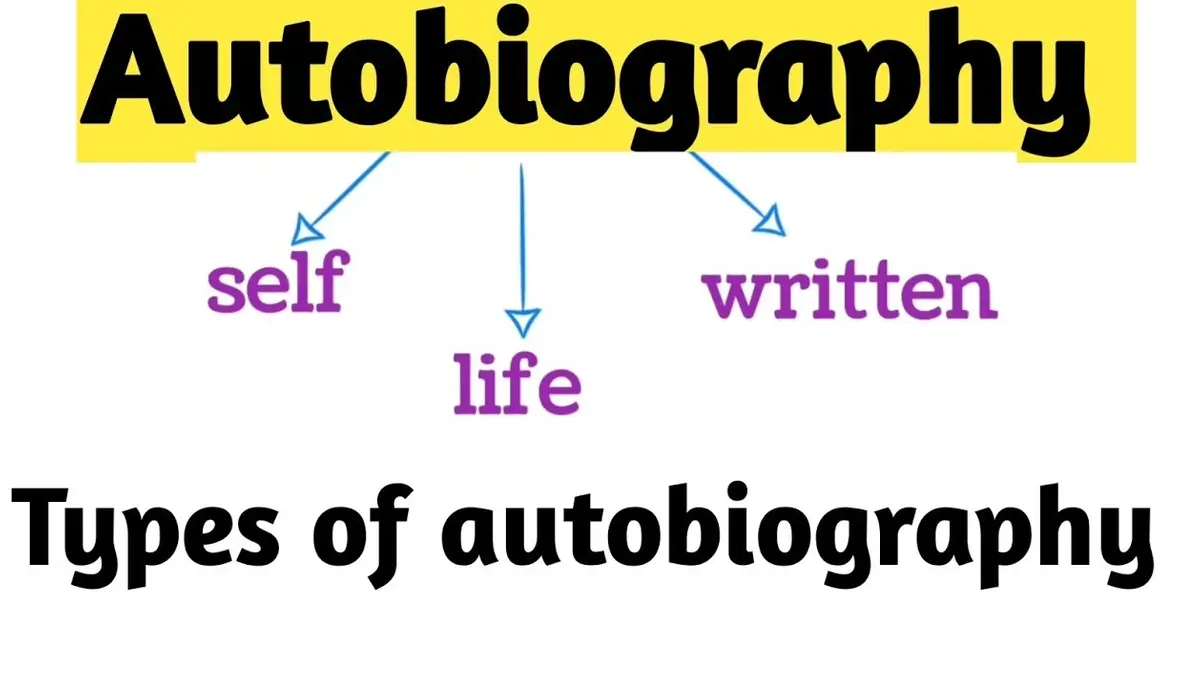
An autobiography is a self-written account of a person’s life, covering their journey from early childhood all the way to the present day. It gives you an insider look at someone’s personal growth, struggles, and big wins directly from their own voice.
At Mariano Iduba, we believe everyone has a unique narrative worth sharing with the world. Whether you want to write your own book or just understand literary genres better, learning how this personal format works is a great place to start.
AI Overview
An autobiography is a non-fiction book written by a person about their own life. It follows a chronological timeline, covering major events from early childhood to later years. Authors share personal experiences, real memories, and life lessons in their own unique voice. Unlike biographies written by third parties, this format gives readers direct, authentic access to the author’s personal truths and growth.
Understanding the Core Definition
An autobiography is a detailed narrative where the author acts as the main character and narrator of their own history.
Unlike fiction, every event, date, and name comes from real life. It generally covers a full lifetime rather than just one isolated phase.
Key Characteristics of a Self-Written Narrative
What makes this style stand out from other non-fiction books on the shelf? It comes down to a few distinct elements that shape the reading experience.
- First-Person Point of View: The writer uses “I” and “my” to tell every memory directly to the reader.
- Chronological Structure: The timeline starts with early childhood, moves through school years, and leads into career milestones.
- Honest Reflection: The author shares true feelings, internal thoughts, and personal mistakes openly.
Why Do People Write Their Own Stories?
Many authors want to preserve their family heritage and pass down wisdom to future generations.
Others want to inspire readers by showing how they overcame tough obstacles. In most cases, writing down your journey offers a powerful sense of personal clarity and closure.
Autobiography vs. Memoir vs. Biography
It is very easy to confuse these three terms because they all deal with real human lives. However, key structural differences set them apart.
| Feature | Autobiography | Memoir | Biography |
| Author | Written by the person themselves | Written by the person themselves | Written by a third-party writer |
| Time Scope | Full life journey from birth to present | Focuses on a specific theme or time frame | Full life journey or key historical phase |
| Perspective | First-person (“I/Me”) | First-person (“I/Me”) | Third-person (“He/She/They”) |
| Core Focus | Comprehensive life facts and events | Emotional themes and specific memories | Fact-checking, research, and objective analysis |
As seen above, a memoir focuses tightly on one life phase, while a biography is written by someone else entirely. Knowing these boundaries helps you choose the right direction for your writing goals at Mariano Iduba.
Famous Examples Throughout History
Looking at notable published works helps clarify how different authors approach their personal histories.
Classic and Historical Masterpieces
Historical works often show how individual lives intersect with world-changing political and social events.
- The Autobiography of Benjamin Franklin by Benjamin Franklin
- Long Walk to Freedom by Nelson Mandela
- The Story of My Life by Helen Keller
Modern and Contemporary Bestsellers
Modern writers often blend traditional life stories with deep psychological insights and cultural commentary.
- Becoming by Michelle Obama
- I Know Why the Caged Bird Sings by Maya Angelou
- Chronicles: Volume One by Bob Dylan
Step-by-Step Guide: How to Write Your Own Narrative
Taking your whole life and fitting it into a book feels overwhelming at first. Breaking the project into manageable phases makes the process smooth and enjoyable.
Step 1: Build a Detailed Life Timeline
Start by listing every major life event on a sheet of paper or spreadsheet.
Include your early childhood memories, school graduation dates, first job, key relationships, and major career changes. This simple outline serves as your roadmap before you draft a single chapter.
Step 2: Identify Your Central Theme
A collection of random facts can feel boring to an outsider. What underlying message connects your experiences?
Are you writing about resilience, overcoming adversity, artistic discovery, or family values? Choosing a central theme gives your narrative a clear purpose that holds the reader’s attention.
Step 3: Write an Honest First Draft
When drafting, focus on getting your memories onto the page without worrying about perfection.
Use your natural daily voice, just like you are sharing stories with an old friend. Readers value emotional truth and vulnerability far more than fancy language or complex vocabulary.
Step 4: Revise and Edit Thoroughly
Once your draft is complete, step away for a week or two before reading it again.
Check your timeline for factual accuracy, remove repetitive sections, and polish your transitions. Working with standard editing tools at Mariano Iduba can also help refine your text for final publishing.
Essential Writing Tips for Beginners
Writing a book requires steady effort, patience, and a few practical strategies to keep your momentum going.
Show, Don’t Just Tell
Instead of simply stating that an event was scary, describe the physical surroundings, sensory details, and your racing heartbeat.
Sensory details bring flat memories to life and make your personal account feel like a vivid story.
Protect Real People’s Privacy
You will naturally write about family members, friends, colleagues, and acquaintances.
Always consider how your words impact living people. Changing names or combining minor characters can prevent unnecessary conflicts while keeping your core message intact.
Frequently Asked Questions
What is the main purpose of an autobiography?
The main purpose is to share a person’s complete life journey, major accomplishments, and key lessons directly in their own voice.
How long should a standard life story book be?
Most published personal works range between 60,000 and 80,000 words, depending on the complexity and historical depth of the writer’s experiences.
Can a regular person write their own story?
Yes, anyone can write their life history to preserve family memories, share lessons, or inspire others who face similar challenges.
What is the difference between a biography and a self-written account?
A biography is researched and written by an outside author, whereas a self-written account is created directly by the person who lived those events.