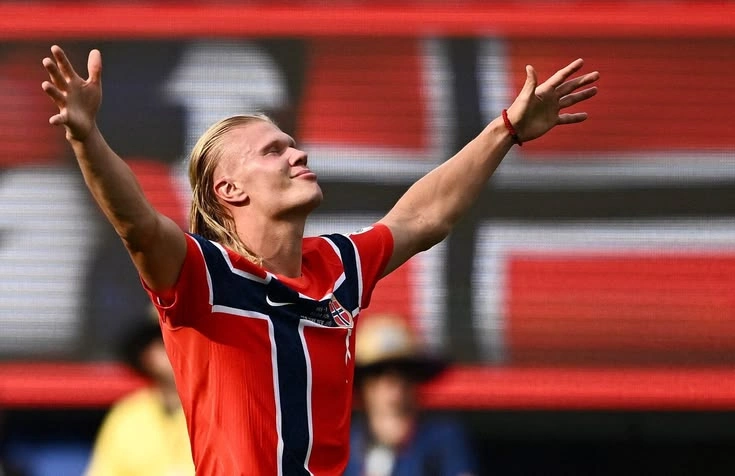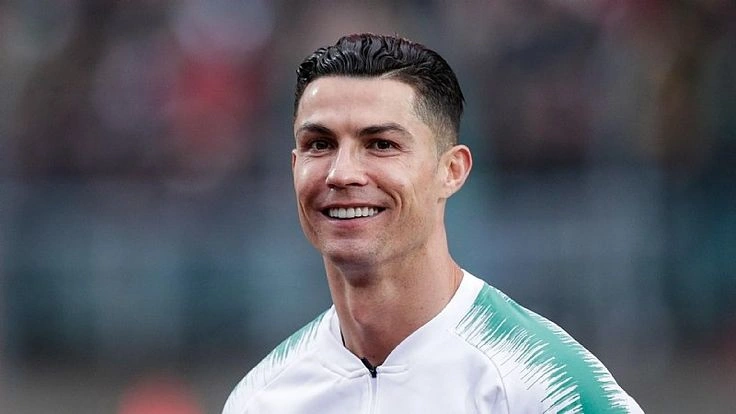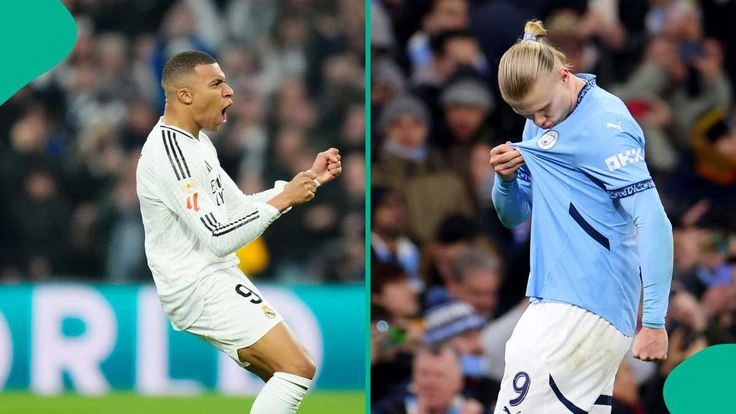
The Erling Haaland vs Kylian Mbappé debate is not really about finding two identical players and deciding who has more goals. They represent two very different versions of elite attacking football. Haaland is built around power, movement, finishing, and ruthless efficiency inside the box. Mbappé combines explosive pace with dribbling, ball carrying, creativity, and finishing from several areas of the pitch.
That difference makes this comparison more interesting. Both have already produced numbers that place them among the defining forwards of their generation, but they influence matches in different ways. Haaland has developed into Manchester City’s central scoring threat, while Mbappé has become a major attacking figure for Real Madrid and France.
Key Takeaways
- Haaland is primarily a high-volume, penalty-box goalscorer with exceptional movement and physical power.
- Mbappé offers a broader attacking role that includes scoring, carrying, dribbling, and chance creation.
- Both reached elite Champions League scoring milestones at an unusually young age.
- Their 2025–26 totals were remarkably close in overall goals, despite different playing styles and team contexts.
- International comparisons need context because France and Norway have had very different tournament histories.
- Their current careers are still active, so long-term comparisons will continue to change.
Erling Haaland vs Kylian Mbappé at a Glance
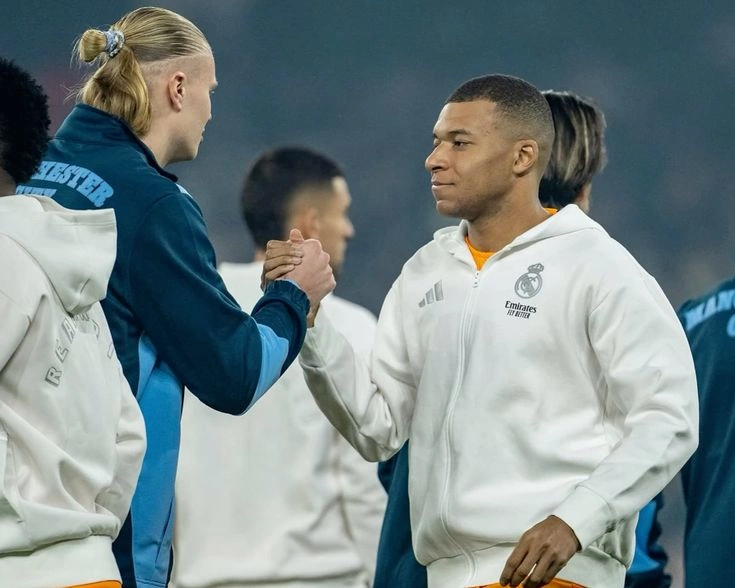
Haaland, born in 2000, is primarily a centre-forward. His biggest strengths are positioning, physical presence, acceleration over short distances, aerial ability, and finishing with either foot. He is especially dangerous when his team can create space around the penalty area.
Mbappé, born in 1998, is a more flexible forward. He can play centrally or from the left and is comfortable attacking open space, carrying the ball over distance, combining with teammates, and finishing after cutting inside.
Their career paths also show an important difference. Haaland developed through Molde, Red Bull Salzburg, Borussia Dortmund, and Manchester City, while Mbappé rose through Monaco, Paris Saint-Germain, and then Real Madrid.
UEFA has previously highlighted how quickly both players reached Champions League scoring milestones. By age 21, Haaland had 20 Champions League goals and Mbappé had 19, showing how early their elite-level scoring began.
Goal Scoring: Haaland’s Biggest Weapon
If the question is purely about penalty-box finishing, Haaland’s profile is easy to understand.
His movement often looks simple, but that simplicity is part of the problem defenders face. He attacks gaps between centre-backs, makes sharp runs behind defensive lines, and uses his size to compete for crosses and loose balls.
His Premier League record has also developed at extraordinary speed. During the 2025–26 season, Haaland became the fastest player to reach 100 Premier League goals, doing so in 111 appearances according to published career records.
Haaland’s strength is consistency in high-value scoring positions. Give him a clear route to goal and he can turn a small opening into a finish before defenders have time to react.
Mbappé’s Complete Attacking Package
Mbappé brings a wider attacking toolkit.
His acceleration is one of his defining qualities, but his game is not limited to running behind defenders. He can receive between the lines, attack from the left, move centrally, create separation with changes of direction, and finish from inside or outside the box.
His first season at Real Madrid showed how quickly he could adapt to a new attacking environment. He also finished the 2025–26 season with 42 goals for Real Madrid and 16 for France across the figures compiled by the comparison database, giving him 58 goals across 61 appearances for club and country.
Mbappé’s international record adds another layer. At the 2026 World Cup, he became the tournament’s all-time leading scorer and scored seven times for France during the competition. Those numbers helped keep his name at the centre of the Ballon d’Or conversation in September 2026.
His ability to create attacks himself is one of the clearest differences between the two players. Mbappé can start an attack from deeper areas and still become the player finishing the move.
Haaland vs Mbappé: Playing Style
The simplest distinction is this: Haaland is more specialised, while Mbappé is more versatile.
Haaland usually wants to finish the move. His positioning allows teammates to find him with crosses, cutbacks, through balls, and quick combinations. He does not need constant involvement to remain dangerous.
Mbappé often participates earlier in the move. He can receive possession, carry it forward, beat a defender, combine with another attacker, and then arrive in the scoring area.
Neither style is automatically better. A team built around crossing, quick passing into the box, and creating central chances can maximise Haaland’s strengths. A side that gives its forward freedom to attack space and carry the ball can benefit greatly from Mbappé’s versatility.
That tactical distinction is essential when comparing their statistics.
Champions League Record and Big-Stage Impact
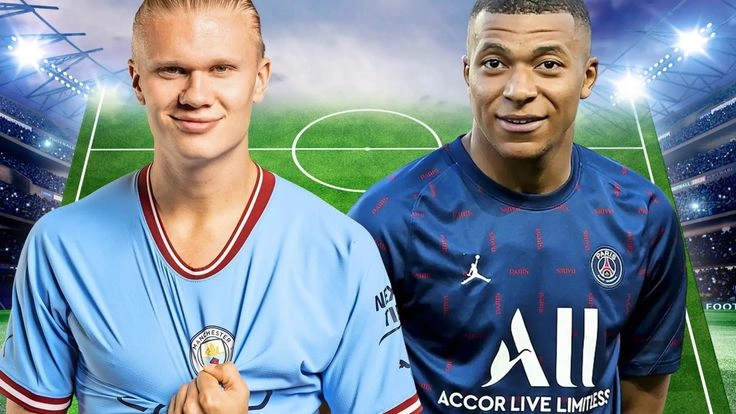
The Champions League is one of the clearest places to compare their development because both players started producing elite numbers unusually young.
UEFA recorded 20 Champions League goals for Haaland and 19 for Mbappé before they turned 22. Haaland then continued his rapid scoring pace with Manchester City, while Mbappé accumulated experience across Monaco, PSG, and Real Madrid.
In the 2025–26 Champions League, Mbappé finished with 15 goals according to ESPN’s competition statistics, while Haaland finished with eight. In the opening Champions League matches of September 2026, both also scored immediately for their clubs: Mbappé scored against Inter Milan for Real Madrid, while Haaland scored twice against Porto for Manchester City.
International Football: France vs Norway
International football creates another major difference.
Mbappé has represented France in a national team that has regularly competed deep into major tournaments. He has already played in a World Cup final and won the 2018 World Cup as a teenager.
Haaland’s international journey has been different because Norway has had fewer appearances at major tournaments during his early career. Norway’s return to the 2026 World Cup gave Haaland a much larger international stage, and he scored seven goals during the tournament.
That context matters when comparing international totals. Players do not control the strength of their national-team supporting cast, qualifying opportunities, or tournament appearances.
Who Creates More?
Creation is another area where Mbappé usually has the broader role. His pace can create chances even when he does not score. Carrying the ball through midfield, drawing defenders, and delivering the final pass are all parts of his attacking profile.
Haaland can assist and combine effectively, but his primary value remains finishing. His movement can create opportunities for teammates because defenders often have to track his runs.
2025–26 Numbers in Context
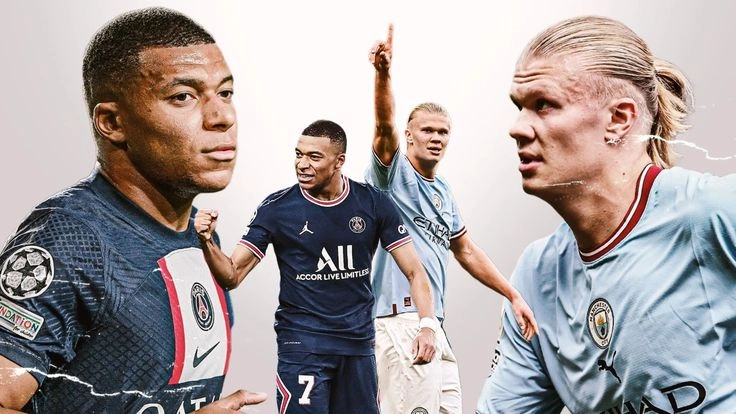
A direct statistical snapshot shows how close their overall production can become even when their routes are different.
For 2025–26, one comparative database lists Mbappé at 58 goals and 13 assists in 61 club-and-country appearances, while Haaland recorded 58 goals and 11 assists in 64 appearances. The same source lists Mbappé at 0.95 goals per game and Haaland at 0.91.
Those figures are useful, but they should not be treated as a complete player rating. The players competed in different leagues, had different teammates, played different tactical roles, and faced different match situations.
That distinction matters because raw totals can hide differences in minutes, competitions, tactical duties, penalties, and the quality of chances created or received. Context turns a statistical comparison into football analysis for readers.
E-E-A-T Note
This comparison is based on published competition statistics, established career records, and recent reporting from sources including UEFA, ESPN, Reuters, and comparative statistical databases. The article separates measurable performance from subjective judgments about playing style and avoids treating one statistic as a complete measure of a player’s value.
Frequently Asked Questions
Is Haaland a better goalscorer than Mbappé?
Haaland’s profile is more specialised around central finishing and penalty-box movement. Mbappé also scores at an elite rate but creates more of his own attacking situations through pace, carrying, and dribbling.
Who has more Champions League goals?
Both have exceptional Champions League records. UEFA recorded Haaland with 20 goals and Mbappé with 19 before they turned 22. Their overall totals have continued to grow since then.
Who is more versatile, Haaland or Mbappé?
Mbappé has the more versatile attacking role. He can operate centrally or from wide areas and regularly contributes to build-up play and ball progression.
Did Haaland or Mbappé score more in the 2025–26 season?
The comparative figures used here list both players with 58 goals across club and country in 2025–26. Mbappé reached that total in 61 appearances, while Haaland did so in 64.
Who scored more in the 2025–26 Champions League?
According to ESPN’s competition statistics, Mbappé finished the 2025–26 Champions League with 15 goals, while Haaland scored eight.
Why are Haaland and Mbappé compared so often?
They belong to the same generation of elite forwards and began producing extraordinary numbers at young ages. Their different styles also make the comparison especially interesting: Haaland is a dominant central finisher, while Mbappé combines scoring with wider attacking responsibilities.