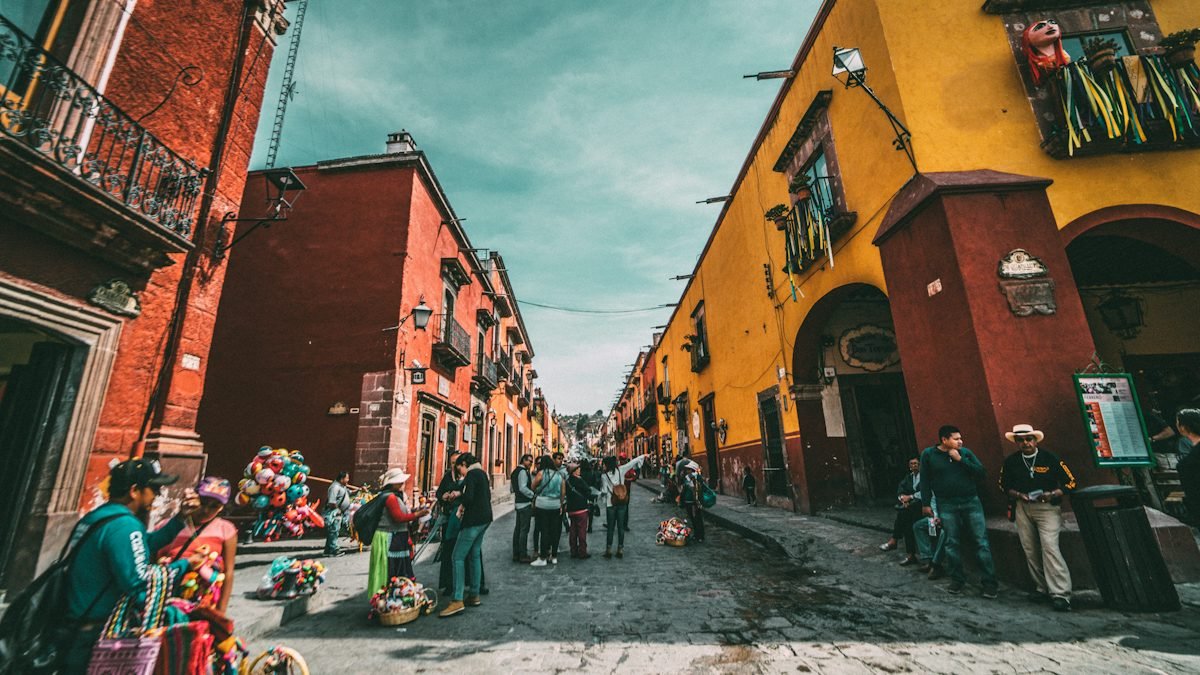
Cinco de Mayo meaning is simple to state and easy to get wrong: the name is Spanish for the fifth of May, and the day marks Mexico’s victory over French forces at the Battle of Puebla on 5 May 1862. It is a day of pride in Mexican resilience, celebrated with parades, music, food and dancing — but it is not Mexican Independence Day, and in Mexico itself it is a fairly modest holiday.
This guide explains what Cinco de Mayo means, what happened at Puebla, why the date is often misunderstood, and how it is celebrated in Mexico and the United States today. By the end, you will know the history behind the fiesta and how to mark the day with respect for what it actually commemorates.
Key takeaways
- Cinco de Mayo marks the Battle of Puebla, fought on 5 May 1862.
- General Ignacio Zaragoza led Mexican forces to victory over a larger French army.
- It is not Mexican Independence Day, which falls on 16 September.
- In Mexico, the day is mainly observed in the state of Puebla and is not a federal holiday.
- In the United States, it has grown into a broad celebration of Mexican culture and heritage.
What happened at the Battle of Puebla
By 1862, Mexico was in debt to several European powers, and France, under Napoleon III, used the unpaid debts as a reason to send an army to Mexico. The French force, about 6,000 strong under General Charles de Lorencez, marched on Puebla, a town in east-central Mexico on the road to the capital. Mexico’s president, Benito Juárez, sent General Ignacio Zaragoza to defend it.
Zaragoza’s army was smaller and poorly supplied, with estimates of its strength ranging from about 2,000 to 5,000 men. He positioned his troops on high ground around the forts of Loreto and Guadalupe, outside the town, and waited. On 5 May 1862, the French attacked in the morning and were beaten back repeatedly through the day, until they retreated towards Orizaba in the early evening.
The cost was uneven: the French lost nearly 500 soldiers, while fewer than 100 Mexicans were killed. The victory did not end the war — French forces went on to capture Mexico City the following year, and the Austrian Archduke Maximilian was installed as emperor in 1864. But the win at Puebla was a great symbolic victory, and it gave the Mexican resistance heart at a moment when it was badly needed. France finally withdrew in 1867, and Maximilian was captured and executed by Juárez’s forces that same year.
Best for: anyone who wants the history in one paragraph — a smaller Mexican force held the forts at Puebla and turned back a French army on 5 May 1862.
Who was General Ignacio Zaragoza
Ignacio Zaragoza Seguín was born on 24 March 1829 in Bahía del Espíritu Santo, in what was then the Mexican state of Coahuila y Tejas and is now Goliad, Texas. He rose through the army during the Reform War of the late 1850s, and in 1861 President Juárez appointed him minister of war. He resigned that post to take command in the field against the French.
Zaragoza’s victory at Puebla made him a national hero almost overnight. He died only months later, of typhoid fever, on 8 September 1862, at the age of 33. Three days after his death, Juárez issued a decree renaming Puebla to Puebla de Zaragoza in his honour, and the fifth of May became a day of remembrance. The general’s name is still found on streets, schools and plazas across Mexico.
Best for: readers who like the human story behind a holiday — Zaragoza’s triumph was brief, and his early death is part of why the day carries such weight.
Cinco de Mayo is not Mexican Independence Day
The most common mistake about Cinco de Mayo is to call it Mexican Independence Day. It is not. Mexico’s independence from Spain is celebrated on 16 September, marking the Grito de Dolores, the call to arms issued by Miguel Hidalgo in 1810. That is Mexico’s main national holiday, and it is a federal holiday across the country.
Cinco de Mayo is a different kind of day. It honours a single battle, not the birth of the nation, and it is not a federal holiday in Mexico. Offices, banks and shops stay open, and for many Mexicans outside Puebla, 5 May is an ordinary working day. The distinction matters, because confusing the two dates flattens two very different moments in Mexican history into one.
| Cinco de Mayo | Independence Day | |
|---|---|---|
| Date | 5 May | 16 September |
| Year marked | 1862 | 1810 |
| Event | Battle of Puebla | Grito de Dolores |
| Opponent | France | Spain |
| Key figure | General Ignacio Zaragoza | Miguel Hidalgo |
| Status in Mexico | Observed mainly in Puebla | Federal holiday nationwide |
Best for: settling the question once and for all — remember 5 May 1862 for Puebla, and 16 September 1810 for independence.
How Cinco de Mayo is celebrated in Mexico
In Mexico, the heart of the celebration is Puebla itself, where the battle was fought. The city holds a parade with soldiers, school groups, marching bands and floats, and the battle is re-enacted by local performers. Speeches honour Zaragoza, and the forts of Loreto and Guadalupe, where the fighting took place, draw visitors through the day.
Elsewhere in Mexico, the day is quieter. Some towns hold small parades or school events, and families may gather for a meal, but there is no nationwide shutdown and no single way of marking the date. Food is part of the day wherever it is celebrated, with dishes from Puebla itself — such as mole poblano, the rich sauce the region is known for — often on the table.

If you enjoy exploring food and travel, the guide to the best restaurants in Tampa is a good starting point for eating out, the roundup of the best restaurants in St. Augustine covers a historic food town, and the guide to the best pizza deals is useful when a celebration calls for feeding a crowd.
Best for: travellers — if you want to see Cinco de Mayo as Mexicans mark it, Puebla is the place to be on 5 May.
How Cinco de Mayo is celebrated in the United States
In the United States, Cinco de Mayo is a much bigger event than it is in Mexico. The first recorded celebrations in the United States date to 1863, the year after the battle, when Mexican communities in the American West marked the victory. The holiday grew in the 1960s, when Mexican-American communities embraced it as a celebration of heritage and identity.
Today, American celebrations are broad and public: parades in cities with large Mexican-American communities, mariachi bands, folk dancing, street festivals and food fairs. Schools and cultural centres hold events about Mexican history, and restaurants serve special menus. The day has become a general celebration of Mexican culture, which is why it can look very different from the quieter observance in Puebla.
That difference is worth keeping in mind. Enjoying the food, music and colour is easy, and the best celebrations pair the party with the history — a mention of Puebla, of Zaragoza, and of what the day actually marks. A little knowledge makes the celebration better, not smaller.
Best for: anyone joining a celebration in the United States — enjoy the fiesta, and remember the battle it honours.
Cinco de Mayo celebration checklist
- Learn the facts first: Puebla, 5 May 1862, General Zaragoza, and the difference from 16 September.
- Play Mexican music, from mariachi to folk dancing, rather than relying on party playlists alone.
- Cook a Mexican meal — tacos, mole poblano or other dishes from Puebla are fitting choices.
- Raise a glass to the history, and share the story of the battle with your guests.
- Support Mexican-owned restaurants, bakeries and cultural centres in your area.
- Keep the focus on Mexican culture and heritage, and skip costumes that turn it into a joke.
- If you can, visit a parade or cultural event rather than only celebrating at home.
Frequently asked questions
What does Cinco de Mayo mean?
Cinco de Mayo is Spanish for the fifth of May. The day marks the Battle of Puebla, fought on 5 May 1862, when Mexican forces under General Ignacio Zaragoza defeated a larger French army. The name is simply the date, and the meaning is the victory it remembers.
Is Cinco de Mayo Mexican Independence Day?
No. Mexican Independence Day is 16 September, marking the Grito de Dolores of 1810, when Miguel Hidalgo called for independence from Spain. Cinco de Mayo marks a battle fought 52 years later, against France, and it is not a federal holiday in Mexico.
Why is Cinco de Mayo celebrated more in the United States than in Mexico?
The holiday grew in the United States from the 1960s, when Mexican-American communities embraced it as a celebration of heritage and identity. In Mexico, it is mainly observed in Puebla, where the battle was fought, and it is not a federal holiday, so the rest of the country treats it as an ordinary day.
What happened at the Battle of Puebla?
On 5 May 1862, about 6,000 French troops under General Charles de Lorencez attacked Mexican positions at the forts of Loreto and Guadalupe near Puebla. General Ignacio Zaragoza’s smaller force held the high ground and beat back repeated attacks through the day. The French lost nearly 500 men and retreated, while fewer than 100 Mexicans were killed.
How should I celebrate Cinco de Mayo respectfully?
Learn the history, enjoy Mexican food and music, and support Mexican-owned businesses and cultural events. Avoid costumes and jokes that reduce a real battle and a real culture to a party theme. The best celebrations pair the fiesta with the story of Puebla.
What food is traditional for Cinco de Mayo?
There is no single official dish, but food from Puebla is the most fitting choice, above all mole poblano, the region’s rich sauce. Tacos, shared plates and Mexican street food are common at gatherings in both Mexico and the United States.
Conclusion
Cinco de Mayo is a day about a battle, a general and a country’s refusal to give in: 5 May 1862, Puebla, Ignacio Zaragoza. It is not Independence Day, and it is not only a party, though the music and the food are a real part of how it is marked. Celebrate it with the history in mind, and the day means far more than the date on the calendar.