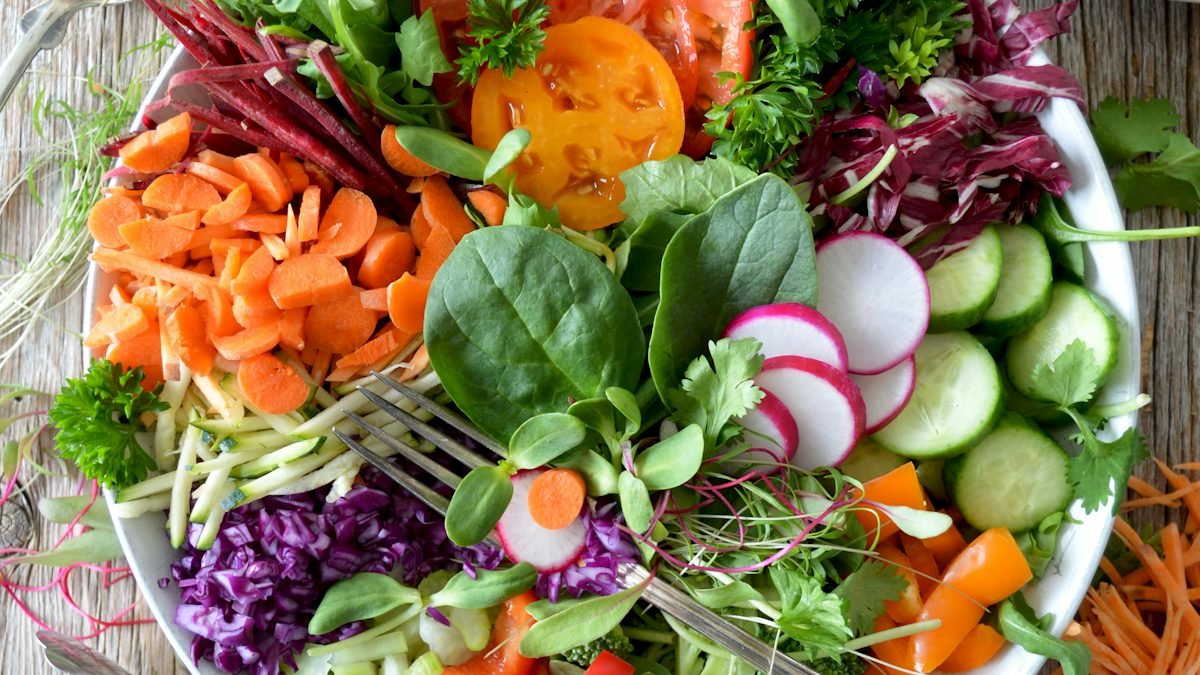
Easy lunch ideas for work come down to five packable formats: grain bowls, wraps, soups, pasta salads and jar salads. A good work lunch is one you can make the night before, carry without a spill, and eat at your desk or in the staff room without a microwave queue.
This guide gives each format a simple method, plus the packing routine that keeps food fresh until noon. Nothing here needs more than twenty minutes of evening prep, and every idea uses ordinary ingredients.
Key takeaways
- A good work lunch is packable, spill-proof and ready to eat with little or no reheating.
- Grain bowls are the most flexible format: a grain, a protein, vegetables and a sauce.
- Wraps travel better than sandwiches, because the filling is rolled tight and sealed.
- Soup belongs in a flask, and salads belong in a jar with the dressing at the bottom.
- Cold food needs an ice pack, and leftovers should be eaten within three to four days.
The work-lunch formula: what to have ready
A work lunch is easier to build when the fridge holds a few ready parts. Cook a pot of grains on Sunday, such as rice, quinoa or couscous, and keep a tub of cooked chicken, chickpeas or boiled eggs beside it. A jar of dressing, a bag of salad leaves and a box of chopped vegetables finish the kit, and most lunches on this list are assembled from those parts in five minutes.
Containers matter as much as the food. A box with a tight lid and a separate compartment keeps wet and dry apart, a small pot holds dressing until you need it, and a wide-mouth flask keeps soup hot for hours. A reusable ice pack is worth owning, since office fridges are not always reliable, and a fork and a napkin in the bag save a trip to the canteen drawer.
Think in parts, not in recipes. One roast chicken on Sunday gives you wraps on Monday, a grain bowl on Tuesday and soup on Wednesday, and a tin of chickpeas turns into a salad, a wrap filling or a crunchy topping with almost no effort.
Best for: a well-stocked start — cooked grains, a protein, chopped vegetables, a jar of dressing and a box with a tight lid.
Grain bowls: the most flexible lunch
A grain bowl is the easiest work lunch to vary, because it is a formula rather than a recipe. Start with a scoop of cooked grain, add a protein such as chicken, chickpeas, tofu or a boiled egg, then fill the rest of the box with vegetables and finish with a sauce. The parts can be hot or cold, and the bowl still works.
To build one, pack the grain at the bottom, then add the protein and vegetables in separate piles so nothing goes soggy. Keep the sauce in a small pot and pour it over at lunchtime, and add anything crunchy, such as nuts or seeds, in a separate bag. A tahini and lemon dressing suits most combinations, and a spoonful of chilli sauce wakes up a plain bowl.
Batch cooking makes grain bowls cheap. Cook the grain and the protein on Sunday, chop the vegetables on Monday morning, and the assembly takes five minutes each evening.
Best for: a filling desk lunch — endlessly variable, and quick to assemble from Sunday prep.
Wraps: the spill-proof sandwich
Wraps travel better than sandwiches, because the filling is rolled tight inside a flatbread and sealed at the edge. A wrap will not fall apart in your bag, it needs no plate, and it can be eaten one-handed, which is why it suits a working day.
To build a wrap that holds, warm the flatbread for a few seconds so it bends without cracking, then spread a thin layer of hummus, cream cheese or mashed avocado in the middle. Add the protein and vegetables in a neat line, fold in the sides, and roll it tightly from the bottom, finishing seam-side down. Wrap it in paper or foil, and cut it in half only when you are ready to eat.
Keep wet fillings, such as tomato or pickles, away from the bread until lunchtime, or use a layer of salad leaves as a barrier.
Best for: eating on the move — tight, tidy and ready without a plate or a microwave.
Soup in a flask: the hot lunch
Soup is the most comforting work lunch, and a wide-mouth flask is what makes it possible. A good flask keeps soup hot for four to five hours, which covers a morning at the desk, and the soup itself is a fine way to use up vegetables at the end of the week.
To pack soup, warm the flask first with boiling water for five minutes, then tip the water out and fill it with soup that is piping hot. Seal the lid tightly and carry the flask upright in your bag, with a spoon and a bread roll alongside. Lentil soup, tomato soup and chicken noodle soup all travel well, and thicker soups stay hotter for longer than thin ones.
Make soup in a big pot on Sunday and freeze it in single portions. A portion defrosts overnight in the fridge.
Best for: a cold day at the office — hot, filling and made from whatever is in the fridge.
Pasta salads: better on day two
Pasta salad is one of the few lunches that improves after a night in the fridge, because the pasta absorbs the dressing and the flavours settle. It needs no reheating, it travels in a single box, and it feeds a crowd if you are packing for the whole week.
To make a pasta salad that stays pleasant, cook the pasta until it is just tender, drain it, and toss it with a little oil while it is still warm so the pieces do not stick. Once it is cool, add chopped vegetables, a protein such as tuna, chicken or mozzarella, and a dressing of olive oil, lemon and mustard. Pack it in a box with a tight lid, and add fresh herbs at lunchtime rather than the night before.
Keep the dressing light, since heavy mayonnaise-based salads spoil faster and feel heavy by mid-afternoon.
Best for: batch cooking — one pot on Sunday gives you three or four lunches.

Jar salads: dressing at the bottom
A jar salad is a salad packed in layers inside a wide glass jar, and the order of the layers is what keeps it fresh. Dressing goes at the bottom, then hard vegetables such as carrots and cucumber, then the protein and grains, with the salad leaves at the top, far from the dressing.
To build one, pour two spoonfuls of dressing into the jar, add chopped carrots, peppers and cucumber, then a layer of chickpeas or chicken, a scoop of quinoa or rice, and finally a handful of leaves and a few seeds. Seal the lid, and at lunchtime tip the whole jar into a bowl and toss it, so the dressing coats everything.
Jar salads keep for three to four days in the fridge, which makes them a good Sunday prep. Use a jar with a wide mouth, so the layers are easy to build and the salad is easy to tip out.
Best for: a crisp salad at noon — the layers keep the leaves dry until you toss them.
| Lunch | Prep time | Needs reheating | Best for |
|---|---|---|---|
| Grain bowl | 5 minutes, from Sunday prep | No | A filling desk lunch |
| Wrap | 10 minutes | No | Eating on the move |
| Soup in a flask | 5 minutes, from a frozen portion | Morning only | A cold day at the office |
| Pasta salad | 20 minutes, batch of four | No | Batch cooking for the week |
| Jar salad | 10 minutes | No | A crisp salad at noon |
| Leftovers, reheated | 2 minutes | Yes | Using up last night’s dinner |
Packing lunch safely: a checklist
A packed lunch is only as good as its storage, and a few habits keep it fresh and safe until noon.
- Pack cold food with an ice pack, and keep it in the fridge at work when one is available.
- Cool cooked food before it goes into a box, and pack it the night before rather than in a morning rush.
- Keep dressing and wet fillings separate until lunchtime, so nothing goes soggy.
- Reheat leftovers and soup until they are steaming hot all the way through.
- Eat packed lunches within three to four days of cooking, and throw away anything that smells off.
- Wash lunch boxes, flasks and lids in hot soapy water every evening, and dry them before packing again.
- Carry flasks upright, with the lid tight, and pack a spoon and a napkin in the bag.
- Label boxes with the date when you batch cook, so the oldest lunch is eaten first.
Good kit makes the routine easier. The guide to best water bottles covers bottles that fit a work bag without leaking, and the article on best thermoses for coffee has flasks that keep soup hot until noon. For smoothies and sauces, the guide to the best smoothie blender covers machines that handle dressings and dips.
Frequently asked questions
What is the easiest lunch to take to work?
A grain bowl is the easiest, because it is assembled from parts you can cook on Sunday: a grain, a protein, vegetables and a sauce. It needs no reheating, it travels in one box, and it changes every day with a different sauce.
How do I keep lunch cold without a fridge?
Use an insulated bag with a frozen ice pack, and pack the lunch the night before so it starts the day cold. Keep the bag out of direct sun, and eat the lunch within four hours if there is no fridge at work.
Can I pack salad the night before?
Yes, if you keep the dressing separate. Pack the leaves and vegetables in one box and the dressing in a small pot, and combine them at lunchtime. A jar salad does the same job with layers.
What lunch is best for a long shift?
A filling grain bowl with a protein and a sauce, plus a piece of fruit and a snack, suits a long shift better than a light salad. Soup in a flask is a good second choice, since it is hot and filling.
How long does a packed lunch last?
Most cooked lunches keep for three to four days in the fridge. Rice, pasta and cooked meat should be eaten within that window, and anything that smells off should be thrown away.
What should I pack if I have no microwave?
Pack food that is good cold or at room temperature: grain bowls, wraps, pasta salads, jar salads and sandwiches. A flask of soup is the one hot option that needs no microwave at all.
The bottom line
Easy lunch ideas for work are about parts, not recipes: a pot of grains, a protein, chopped vegetables and a sauce, packed the night before in a box that seals properly. Five formats cover the whole week, and none of them needs more than twenty minutes of evening prep.
Start with grain bowls for the easiest win, then add wraps for busy days and soup in a flask for cold ones. Pack the dressing separately, keep cold food cold, and eat the oldest box first.
A short safety note: keep cold lunches chilled with an ice pack, reheat leftovers until steaming hot, and throw away food that has sat out for more than two hours. If a lunch smells off, do not eat it.