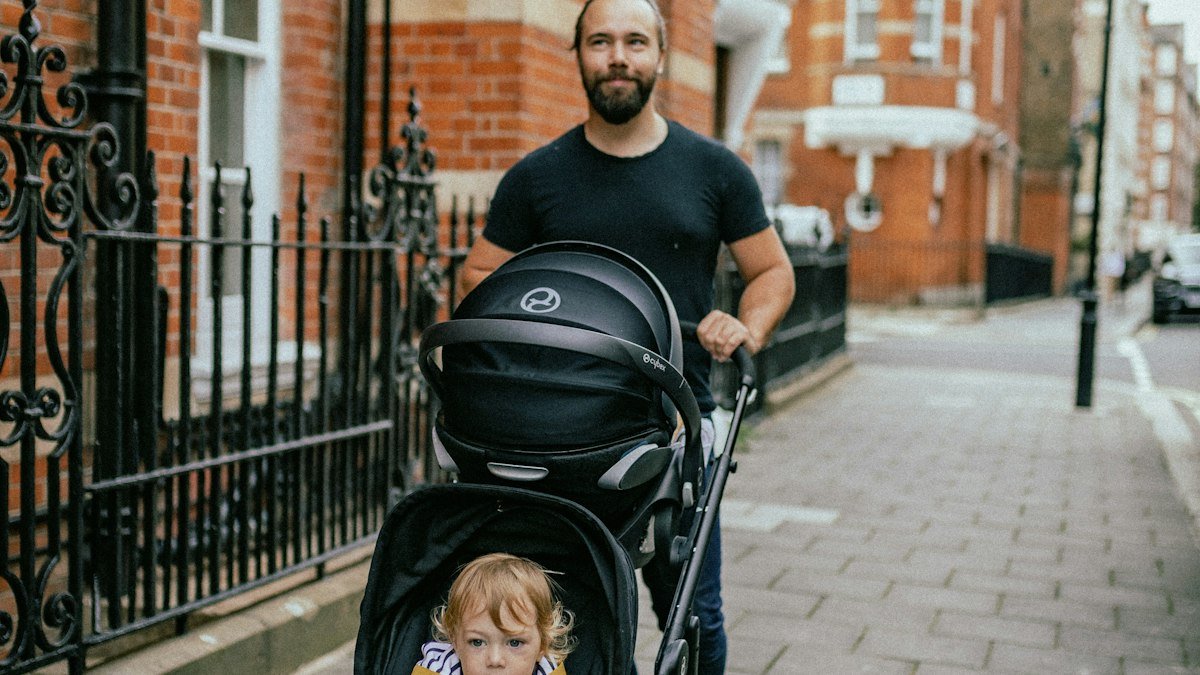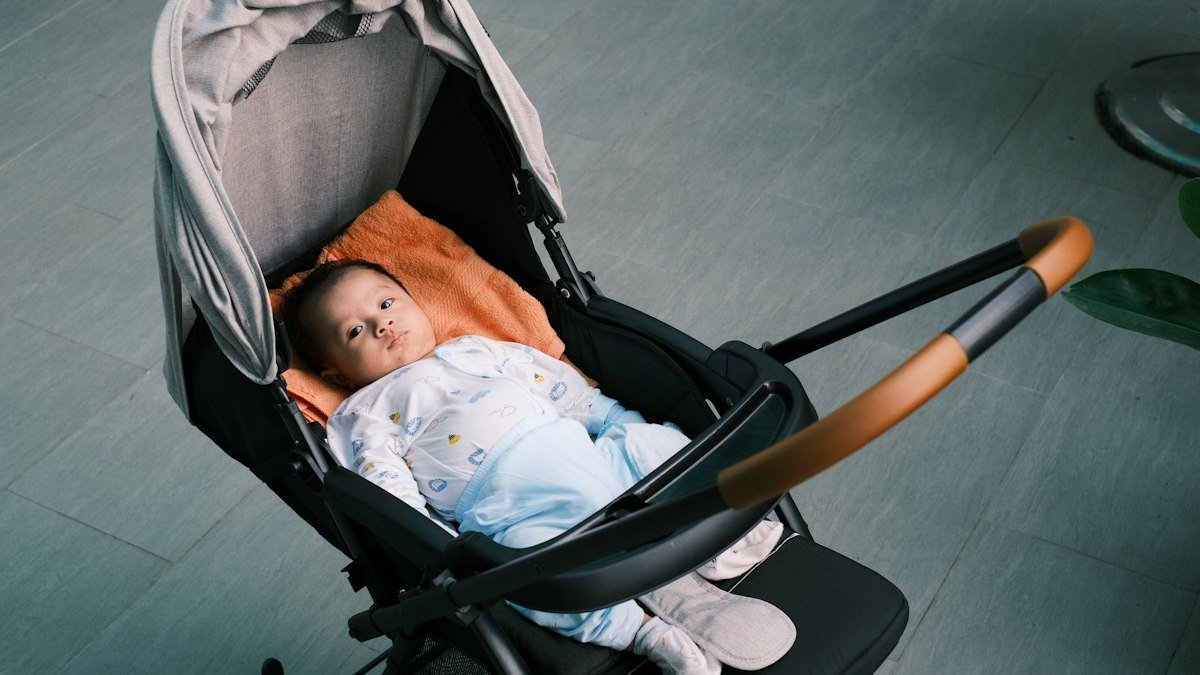
The best baby swing is a sturdy, well-balanced seat with a secure harness, gentle motion and a clear weight limit, and the best baby swing in 2027 is the one that soothes your baby while you stay close enough to watch them. What is the best baby swing? It is the model that matches your baby’s age and weight, runs quietly enough for your home, and folds away when the day is done.
A swing can be a lifesaver in the early months, when a baby wants motion and you need both hands free for a cup of tea or a nappy change. It is a short-stay seat, not a bed: a swing is for supervised awake time, and a baby who drifts off in one should be moved to a firm, flat cot or bassinet as soon as you can.
Key takeaways
- The best baby swing has a wide, stable base, a secure harness and a weight limit that fits your baby with room to grow.
- Full-size plug-in swings suit the living room; portable battery swings suit travel and small homes.
- Choose the motion your baby likes: side-to-side, front-to-back, or a seat that does both.
- A swing is for supervised awake time only — move a sleeping baby to a cot or bassinet on a firm, flat surface.
- Never add blankets, pillows or loose padding to a swing, and stop using it once your baby can sit up unaided or climb out.
Full-size plug-in swings: the living-room favourite
A full-size swing plugs into the mains, so the motion never fades halfway through a fussy afternoon, and it usually offers several speeds, a timer and a mobile or music to hold a baby’s attention. The seat is roomy, the frame is heavy enough to stay planted, and many models recline to two or three positions so a younger baby can lie back while an older one sits more upright.
The size is the drawback. A full-size swing takes up a corner of the room and does not travel, and the mains lead needs a socket nearby, which limits where you can put it. If your living room is small, measure the footprint before you order.
Best for: long afternoons at home — a full-size plug-in swing with several speeds, a timer and a reclining seat.
Portable battery swings: motion on the move
A portable swing runs on batteries and folds flat, so it can go to a grandparent’s house, on holiday or into the garden on a warm day. It is lighter and cheaper than a full-size model, and it suits families who want a swing for short spells rather than a permanent piece of nursery furniture.
Batteries are the running cost to watch. A swing used for hours a day will eat through batteries quickly, and the motion can slow as the batteries drain, so keep spares in the drawer or choose a model that also takes a mains adapter. Portable swings also have lower weight limits and smaller seats, so a bigger baby may outgrow one sooner.
Best for: travel, grandparents’ houses and small homes — a portable battery swing that folds flat and weighs little.
Bouncer-style seats: the simple rocker
A bouncer is not a motorised swing at all, but a light frame with a fabric seat that rocks when your baby kicks or when you nudge it with a foot. It is the cheapest option, the easiest to carry from room to room, and the one most parents end up using on the kitchen floor while they cook.
The motion is gentler and less consistent than a powered swing, which is fine for a calm baby but less help with a baby who only settles with steady movement. Bouncers also have low weight limits and no motor to keep the rocking going, so they suit the first months best and are outgrown once a baby can sit up or push against the frame.
Best for: the first months and tight budgets — a light bouncer seat that rocks with a nudge and moves from room to room.
Multi-motion swings: one seat, several rhythms
A multi-motion swing copies the movements a parent makes: rocking side to side, gliding front to back, or swaying in a figure of eight, with speeds you can change as your baby’s mood changes. Some add vibration, white noise or a mobile to hold a baby’s attention.
All that choice costs more, and it can also be more than a baby needs. Many babies settle happily with one simple rhythm, and a complicated control panel is no help at three in the morning. If you are drawn to a multi-motion model, try the motions in a shop first, and check that the seat detaches for washing.
Best for: babies who only settle with a particular motion — a multi-motion swing with side-to-side and front-to-back settings.
Travel swings: the holiday helper
A travel swing is a stripped-back portable model designed to pack into a car boot or a suitcase, with a frame that folds flat and a seat that lifts off. It gives a baby a familiar seat away from home, which can make the difference between a calm evening and a fraught one when you are staying with family or in a holiday cottage.
Travel swings trade sturdiness for packability, so check the base width and the weight limit before you rely on one. The seat is usually smaller and the motion simpler, with one or two speeds, and the fabric may be thinner than a full-size model.
Best for: holidays and overnight stays — a travel swing that folds flat into a car boot and gives your baby a familiar seat.
Swing safety: the rules to follow
The most important rule about swings comes from the American Academy of Pediatrics: a swing is not a safe place for a baby to sleep. Babies should sleep on their back on a firm, flat surface, in a cot, bassinet or play yard that meets safety standards, with no incline of more than ten degrees. If your baby falls asleep in a swing, a car seat, a stroller or a carrier, move them to that flat surface as soon as you can.
The harness matters just as much. Always buckle your baby in, even for a few minutes, and keep the straps snug. Check the weight and age limits on the label and stop using the swing once your baby can sit up unaided, climb out or reach the limit, whichever comes first. A swing that was fine for a newborn can tip or collapse under a heavier, stronger baby.
Keep the swing on a flat floor, away from stairs, radiators and trailing cords, and never place it on a table, a bed or a raised surface. Do not add blankets, pillows, positioners or extra padding, and do not hang toys from the frame unless they came with the swing.

| Household need | Best type | Watch out for | Best for |
|---|---|---|---|
| Long afternoons at home | Full-size plug-in swing | Large footprint, needs a socket | Steady motion all day |
| Travel and small homes | Portable battery swing | Battery cost, lower weight limit | Folding flat and light |
| First months, tight budget | Bouncer-style seat | No motor, outgrown early | Simple rocking, easy to move |
| A baby who needs one rhythm | Multi-motion swing | Higher cost, complex controls | Several motion settings |
| Holidays and overnight stays | Travel swing | Smaller seat, simpler motion | A familiar seat away from home |
| Kitchen and daytime naps nearby | Compact swing | Less room to grow | Keeping baby close while you cook |
How to choose: a quick checklist
- Check the weight and age limits on the label, and make sure your baby fits with room to grow.
- Look for a wide, stable base, a secure harness and a frame that does not wobble when you push it.
- Choose mains power for all-day use at home, or batteries for travel and small spaces.
- Test the motion and the noise level in the shop, and check the seat reclines for a younger baby.
- Check the seat cover removes for washing, and that the swing folds for storage.
- Use the swing only for supervised awake time, and move a sleeping baby to a cot or bassinet.
- Register the swing with the maker so recalls reach you, and check the recall list before buying second-hand.
When your baby outgrows the swing, the guide to the best baby strollers covers the next stage of getting out and about, and the roundup of the best 1-year-old gifts covers presents for a baby moving into the toddler years. The guide to the best tea brands covers a quiet cup for the evening once the swing is switched off and the house is still.
Frequently asked questions
What is the best baby swing in 2027?
The best baby swing in 2027 is a stable, well-balanced seat with a secure harness, gentle motion and a weight limit that fits your baby with room to grow. Full-size plug-in swings suit long days at home, portable battery swings suit travel and small homes, and bouncer seats suit the first months on a tight budget.
Can my baby sleep in a swing?
No, a swing is not a safe place for a baby to sleep. The American Academy of Pediatrics advises that babies sleep on their back on a firm, flat surface, in a cot, bassinet or play yard, with no incline of more than ten degrees. If your baby falls asleep in a swing, move them to that flat surface as soon as you can. No swing prevents sudden infant death syndrome.
How long can a baby stay in a swing?
Keep swing time to short, supervised spells, and take your baby out regularly for floor time, feeding and cuddles. There is no single safe number of minutes that fits every baby, but a swing is a short-stay seat, not a place to spend the day. If your baby is unsettled for long stretches, speak to your health visitor or GP.
At what age should I stop using a baby swing?
Stop using a swing once your baby can sit up unaided, climb out of the seat or reach the weight limit on the label, whichever comes first. Most babies outgrow a swing between six and nine months, and bouncers sooner. A baby who can push against the frame or lean over the side is ready to move on.
Are battery swings or plug-in swings better?
Plug-in swings are better for all-day use at home, because the motion stays steady and there are no batteries to buy. Battery swings are better for travel, grandparents’ houses and rooms without a spare socket, because they fold flat and weigh little.
What should I check on a second-hand swing?
Check the harness, the motor and the frame for wear, look for missing screws or frayed straps, and make sure the instructions are included. Check the maker’s website and the CPSC recall list for the model, and do not use a swing that has been recalled, damaged or repaired with non-standard parts.
The bottom line
The best baby swing in 2027 is a stable seat with a secure harness, a motion your baby likes and a weight limit with room to grow. Match the type to your home — plug-in for long days, portable for travel, a bouncer for the first months — and keep swing time short, supervised and awake.
A quick safety note: never let a baby sleep in a swing, always use the harness, and move a sleeping baby to a cot or bassinet on a firm, flat surface as soon as you can. Stop using the swing once your baby can sit up unaided or climb out, and check for recalls before you buy second-hand.