Celebrity billionaires 2026 refers to a small group of entertainers, athletes, and media founders whose net worth exceeds $1 billion based on verified financial estimates. The list is dominated by film directors, musicians, and sports figures whose wealth comes primarily from ownership, equity stakes, and intellectual property rights rather than salaries or performance income.
Celebrity billionaires 2026 represents the smallest elite group in the entertainment economy, where fame alone is not enough to create billionaire wealth. Instead, ownership and long-term asset control define who enters this category.
At Marianoiduba, we analyze verified financial structures and real wealth data. So this breakdown focuses only on publicly reported estimates and established billionaire classifications.
Key Takeaways
- celebrity billionaires 2026 remain fewer than 25 globally
- ownership is the primary driver of billionaire-level wealth
- film and music industries dominate the list
- intellectual property generates long-term compounding income
- sports and consumer brands are fast-growing wealth sources
- most celebrities never reach billionaire status despite high earnings
- Forbes remains the main reference for billionaire verification
Understanding Celebrity Billionaires 2026
The term celebrity billionaires 2026 is not based on popularity. It is based on measurable net worth accumulation across verified financial sources. So the classification depends on three main wealth drivers.
- First, intellectual property ownership.
- Second, equity stakes in private businesses.
- Third, long-term royalty-based income streams.
- Then, these assets are combined to estimate total net worth.
Still, valuation differences exist because many holdings are private and not publicly traded.
Verified Celebrity Billionaires 2026 List
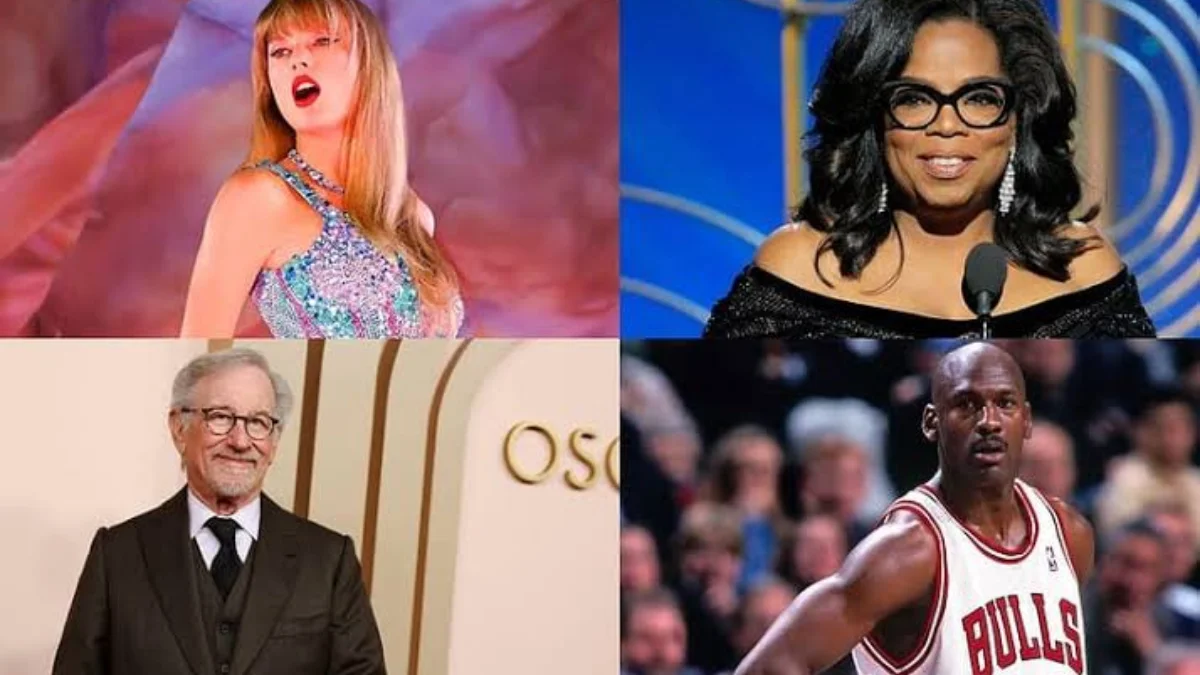
The verified celebrity billionaires 2026 list includes a small number of individuals from film, music, sports, and business-driven entertainment industries.
- Steven Spielberg leads this category due to decades of film ownership and licensing revenue. His wealth continues to grow from intellectual property that generates income long after production.
- George Lucas follows a similar model. His wealth significantly increased after the Lucasfilm acquisition, which created multi-billion-dollar valuation expansion.
- Michael Jordan represents sports-linked billionaire wealth. His income comes primarily from Nike royalties, brand licensing, and ownership stakes in professional sports organizations.
- Oprah Winfrey built her wealth through media ownership and production control. Her diversified investment portfolio also contributes to long-term asset growth.
- Jay-Z represents modern entertainment-to-business transformation. His wealth includes spirits brands, music catalog ownership, and equity investments across multiple industries.
- Rihanna represents consumer brand dominance. Her wealth is heavily tied to Fenty Beauty and Savage X Fenty, both structured as global consumer companies.
- Taylor Swift represents intellectual property-driven billionaire wealth. Her income comes from touring, music catalog ownership, and global streaming rights.
Verified Celebrity Billionaires 2026 Net Worth
| Celebrity | Net Worth (2026 Estimate) | Main Wealth Source |
|---|---|---|
| Steven Spielberg | $5B–$7B | Film ownership and royalties |
| George Lucas | $5B–$6B | Film rights and licensing |
| Michael Jordan | $3B–$4B | Nike royalties and ownership |
| Oprah Winfrey | $2.8B–$3.2B | Media empire and investments |
| Jay-Z | $2B–$2.5B | Spirits and equity portfolio |
| Rihanna | $1.2B–$1.4B | Beauty and fashion brands |
| Taylor Swift | $1B–$1.6B | Touring and intellectual property |
These figures are estimates based on financial reporting sources such as Forbes and related valuation trackers. However, exact numbers vary because private assets are not fully disclosed.
Why Celebrity Billionaires 2026 Remain Extremely Rare
The number of celebrity billionaires 2026 remains very small due to structural limits in the entertainment economy. Most celebrities earn income through contracts, and contracts do not create ownership. So wealth remains linear rather than exponential.
Then, only a few individuals gain access to equity deals early in their careers. These deals are critical because they allow wealth to compound over time. Also, billionaire-level wealth requires long-term asset appreciation. So even high earners often remain below the billionaire threshold.
Still, a small group reaches this level through strategic ownership and long-term rights control.
Industry Distribution of Celebrity Billionaires
The structure of celebrity billionaires shows clear industry concentration patterns.
- Film remains the strongest sector due to long-term licensing and intellectual property monetization.
- Music follows closely because of global streaming expansion and catalog ownership rights.
- Sports contributes steadily through licensing agreements and brand partnerships.
- Consumer brands such as beauty and fashion are rapidly growing due to global scalability.
- Digital creators are emerging but still represent a smaller share of billionaire-level wealth.
How Celebrity Billionaires 2026 Actually Build Wealth
The financial structure behind celebrity billionaires is based on ownership systems rather than performance income.
Film industry billionaires generate income from content libraries that continue earning revenue for decades. So intellectual property becomes a permanent asset.
Music billionaires rely on catalog ownership and streaming royalties. So income continues even without active production.
Sports billionaires benefit from licensing and equity structures that operate independently of athletic careers.
Business-driven celebrities generate wealth through consumer brands that scale globally. So revenue expands beyond personal presence.
Celebrity Billionaires 2026: Real Wealth Structure Explained
celebrity billionaires are not defined by income or fame. They are defined by ownership structures that generate long-term financial value. The core difference is simple. Income creates earnings, but ownership creates billion-dollar valuation.
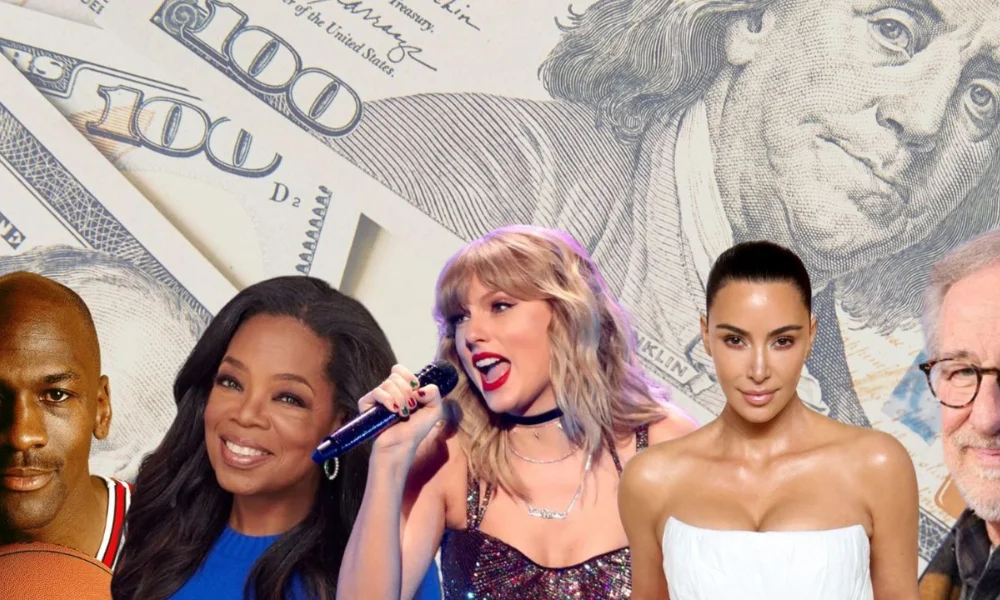
So the wealth of celebrity billionaires 2026 is built across multiple asset layers. These include intellectual property rights, equity stakes, licensing systems, and long-term royalty streams. Then, these layers combine to form total net worth estimates reported by financial sources.
Still, each celebrity follows a different wealth structure depending on their industry.
Steven Spielberg: Film Library Ownership Model
Steven Spielberg remains one of the strongest examples in celebrity billionaires 2026 due to long-term film ownership assets. His wealth does not depend on active filmmaking.
His income structure includes:
- long-term film royalties
- studio partnerships
- intellectual property licensing
- backend profit participation
Also, his catalog has long-term global distribution rights that increase valuation stability. Then, this creates a consistent asset base that continues growing over decades. Still, valuation changes depend on licensing agreements and media distribution deals.
George Lucas: Franchise and Acquisition-Based Wealth
George Lucas represents franchise-driven wealth within celebrity billionaires 2026. His financial growth accelerated after the Lucasfilm acquisition, which created a major valuation event.
His income structure includes:
- franchise licensing rights
- film IP ownership
- royalty agreements
- acquisition-based capital gains
Also, global merchandising and streaming licensing continue expanding revenue flow. Then, his wealth remains stable due to ongoing franchise demand. Still, most of his billionaire status is tied to one major acquisition event.
Michael Jordan: Licensing and Brand Equity Model
Michael Jordan is a core figure in celebrity billionaires 2026 and represents sports-driven licensing wealth. His billionaire status is not based on playing contracts.
His structure includes:
- Nike Jordan Brand royalties
- equity in sports franchises
- global licensing revenue
- merchandising rights
Also, Jordan Brand generates billions in annual retail value, which increases royalty streams. Then, his equity holdings strengthen long-term valuation. Still, most of his wealth is tied to brand expansion rather than athletic earnings.
Oprah Winfrey: Media Ownership and Investment Diversification
Oprah Winfrey remains a major figure in celebrity billionaires 2026 due to media ownership and investment-based wealth.
Her income structure includes:
- television network ownership
- production company profits
- equity investments in major brands
- media licensing rights
Also, her production company generates long-term licensing value. Then, her investment portfolio expands across consumer and lifestyle sectors.
Still, her billionaire status is driven by consistent ownership expansion over decades.
Jay-Z: Multi-Industry Equity Expansion Model
Jay-Z represents modern wealth transformation in celebrity billionaires 2026 through business diversification.
His income sources include:
- Armand de Brignac champagne equity
- D’USSÉ cognac stake
- music catalog ownership
- Roc Nation entertainment business
- venture capital investments
Also, Armand de Brignac champagne and D’USSÉ cognac contribute significant valuation increases. Then, Roc Nation expands his entertainment and business ecosystem.
Still, his wealth growth is strongly tied to private equity and brand ownership.
Rihanna: Consumer Brand Valuation Model
Rihanna is one of the fastest-growing names in celebrity billionaires 2026 due to consumer brand dominance.
Her structure includes:
- Fenty Beauty ownership stake
- Savage X Fenty valuation
- global retail distribution deals
- licensing partnerships
Also, her brand operates in global consumer markets, which increases valuation stability. Then, distribution partnerships expand revenue reach across multiple regions.
Still, brand valuation changes depend on retail performance cycles.
Taylor Swift: Intellectual Property Driven Wealth System
Taylor Swift represents IP-based wealth in celebrity billionaires 2026. Her financial structure is built on ownership of music rights and touring revenue.
Her income sources include:
- touring revenue
- music catalog ownership
- streaming royalties
- merchandise rights
- re-recorded album value
Also, re-recorded albums increased control over intellectual property assets. Then, global streaming platforms expanded her long-term revenue base.
Still, touring remains her largest short-term income source.
Why Net Worth Estimates Differ Across Celebrity Billionaires 2026
Net worth values for celebrity billionaires 2026 are not fixed. They vary across financial sources due to private valuation differences.
So Forbes, Celebrity Net Worth, and Bloomberg-style estimates often show different figures. These differences come from private company valuations, undisclosed equity stakes, and fluctuating brand values.
Also, asset liquidity plays a role in valuation gaps. Then, market conditions affect estimated wealth ranges. Still, Forbes remains the most widely used benchmark for billionaire classification.
Net Worth Comparison (2026 Estimates)
| Celebrity | Forbes Range | Alternate Estimates | Reason for Difference |
|---|---|---|---|
| Steven Spielberg | $5B–$7B | $6B+ | Film catalog valuation differences |
| George Lucas | $5B–$6B | $5.5B+ | Franchise licensing variation |
| Michael Jordan | $3B–$4B | $3.5B+ | Brand royalty valuation |
| Oprah Winfrey | $2.8B–$3.2B | $3B+ | Investment portfolio updates |
| Jay-Z | $2B–$2.5B | $2.5B+ | Private equity valuation |
| Rihanna | $1.2B–$1.4B | $1.4B+ | Brand valuation timing |
| Taylor Swift | $1B–$1.6B | $1.3B+ | Touring revenue updates |
So variations are normal and expected in private wealth estimation models.
Core Wealth Systems Behind Celebrity Billionaires 2026
The structure of celebrity billionaires 2026 is built on three main systems.
- First is intellectual property ownership. This includes music catalogs, film libraries, and licensing rights that generate long-term income.
- Second is equity ownership. This includes stakes in private companies, brands, and startups that grow in valuation over time.
- Third is licensing and royalties. This system ensures continuous income without active involvement.
So these three systems combine to create billionaire-level wealth.
Industry Distribution of Celebrity Billionaires
Film continues to dominate celebrity billionaires 2026 due to long-term content libraries and global licensing power.
Music follows closely due to streaming expansion and catalog ownership rights. Sports contributes through brand licensing and endorsement ecosystems.Consumer brands are rapidly growing due to global scalability and direct-to-consumer models.Digital creators are still emerging but are expected to grow significantly in the next decade.
So the industry balance is shifting slowly but remains legacy-driven.
Conclusion
The celebrity billionaires 2026 category is defined by ownership, not fame or income. Only a small group of entertainers and athletes reach billionaire status because they control long-term assets like intellectual property, equity stakes, and brand rights.
So wealth at this level is structural and compounding, not salary-based. Film, music, sports, and consumer brands dominate because they generate recurring value through ownership systems.
Still, the total number of celebrity billionaires remains limited because most entertainment income is based on contracts rather than equity ownership.
At Marianoiduba, we continue tracking these wealth structures and breaking down the real financial systems behind fame in clear, fact-based reporting.
Frequently Asked Questions
What are celebrity billionaires 2026?
Celebrity billionaires are public figures in entertainment, sports, and media whose net worth exceeds $1 billion based on verified financial estimates.
Who are the main celebrity billionaires?
The main names include Steven Spielberg, George Lucas, Michael Jordan, Oprah Winfrey, Jay-Z, Rihanna, and Taylor Swift based on Forbes-level estimates.
How do celebrity billionaires make their money?
They earn through intellectual property rights, equity ownership, licensing deals, and long-term brand value rather than salaries.
Why are there so few celebrity billionaires?
Most celebrities earn income through contracts, not ownership. Without equity, wealth does not grow to billionaire level.
Will more celebrity billionaires emerge in the future?
Yes. Growth will come from creators, investors, and entrepreneurs who own scalable digital or brand assets.