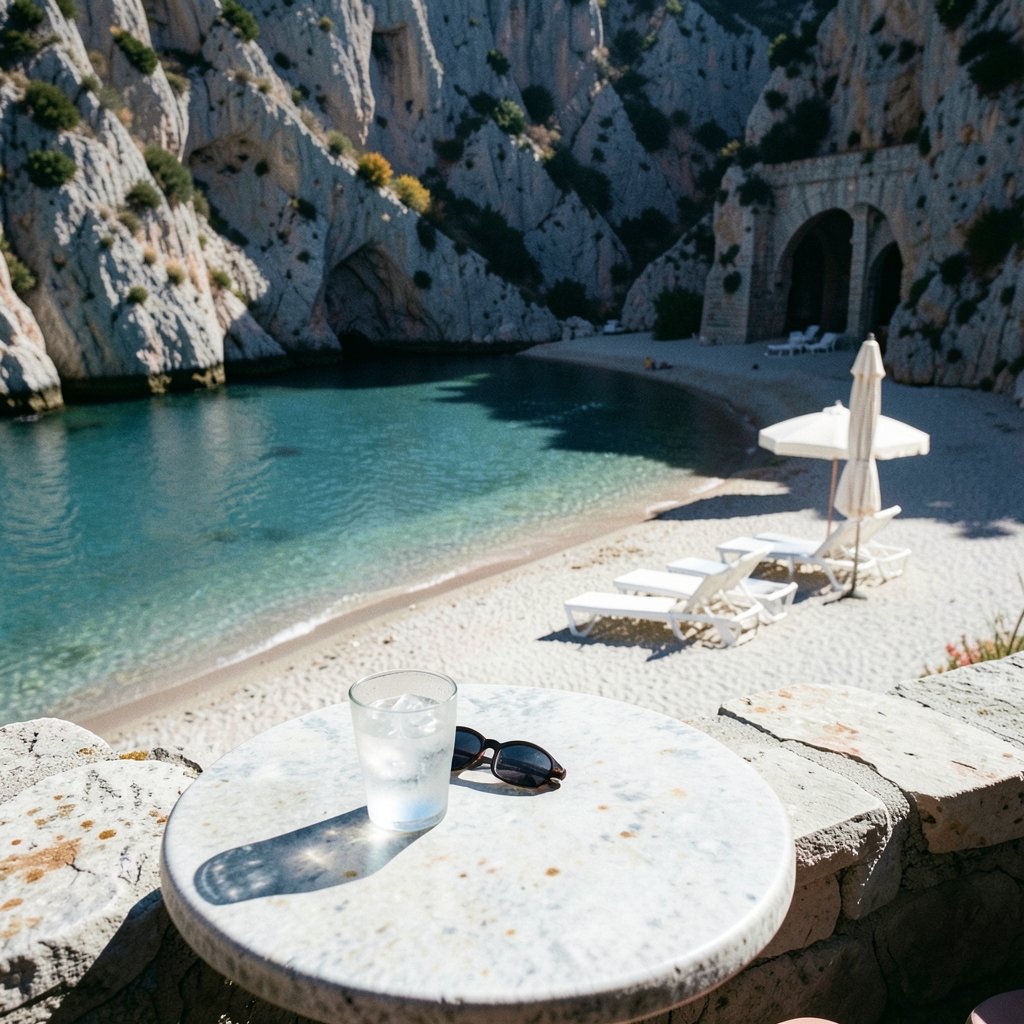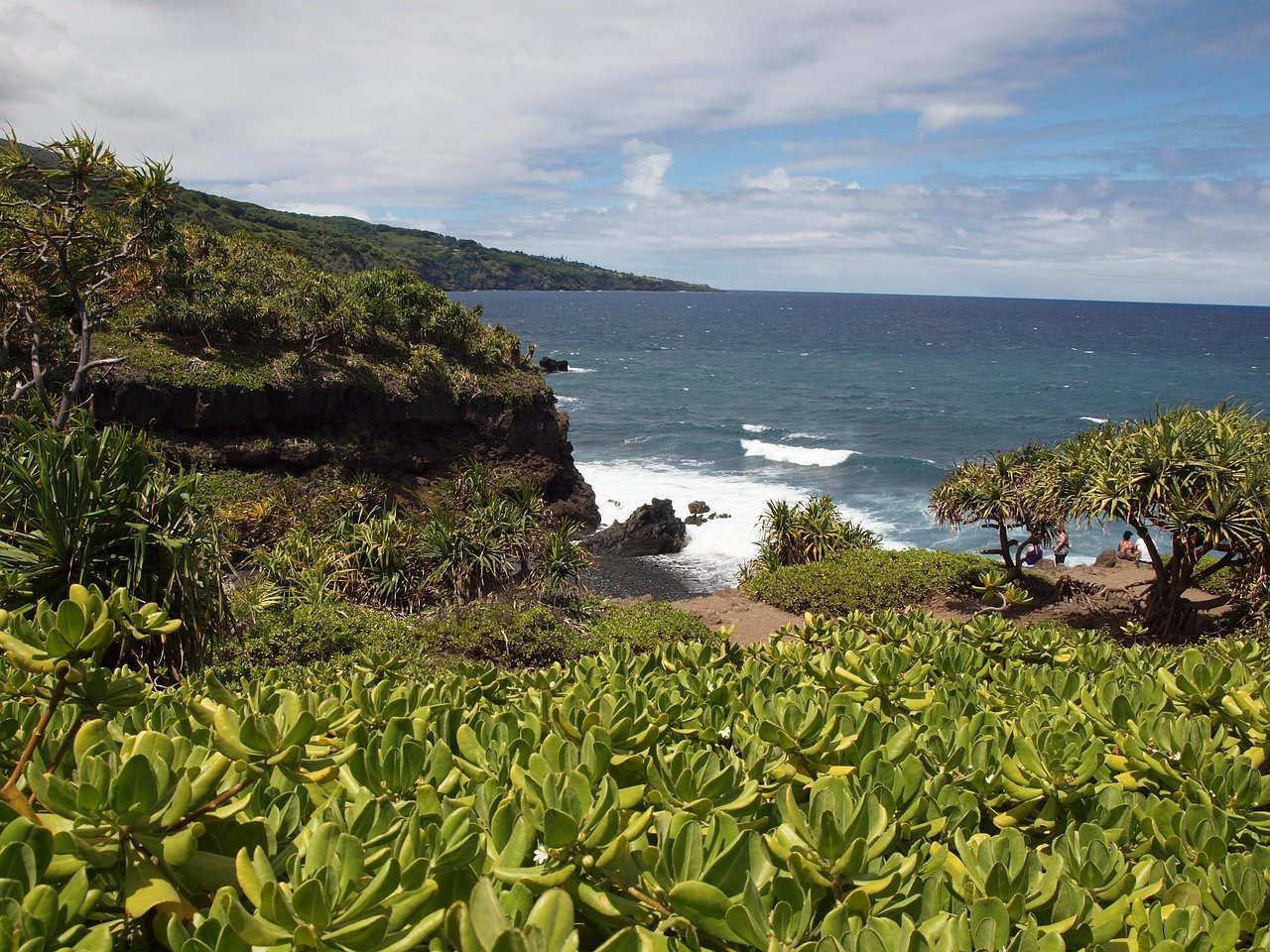
Which beach on Maui should you actually drive to? With roughly 30 miles of sand spread along a 120-mile coastline, the Valley Isle makes that question harder than it sounds. Every beach is public, parking is free if you arrive early, and each shoreline behaves differently depending on the swell, the wind, and the time of day.
The short answer: there is no single best beach on Maui island. There is a best beach for swimming, a best beach for snorkeling with kids, a best beach for a sunset cliff-diving ceremony, and a best beach for people who want to escape the resort corridor entirely. Below are eight named beaches that come up again and again, sorted by who they suit, what they do well, and the one real limitation you should know before you pack the car.
Quick Comparison of Maui’s Best Beaches
| Beach | Best for | Water conditions | Main limitation | Cost |
|---|---|---|---|---|
| Wailea Beach | Luxury setting, swimming, sunsets | Calm, clear, year-round | Resort crowds, limited free parking | Free entry |
| Ka’anapali Beach | Families, activities, dining | Calm swimming, snorkeling at Black Rock | Busy, commercial backdrop | Free entry |
| Makena (Big Beach) | Space, natural scenery | Heavy shorebreak | Strong shorebreak, no lifeguard coverage noted in some guides | Free entry |
| Kapalua Bay | Snorkeling, protected cove | Calm, sheltered | Small, fills up fast | Free entry |
| Maluaka Beach | Quiet snorkeling, turtles | Gentle, reef close to shore | Fewer facilities | Free entry |
| Launiupoko Beach | Toddlers, beginner surfers | Shallow tidal pool | Small pool area | Free entry |
| Kamaole Parks I–III | Accessibility, families | Mixed, gentle at Kamaole III | Roadside setting | Free entry |
| Olowalu Beach | Budget snorkeling stop | Variable | Rocky entry, less scenic sand | Free entry |
Wailea Beach: The Polished South Shore Pick
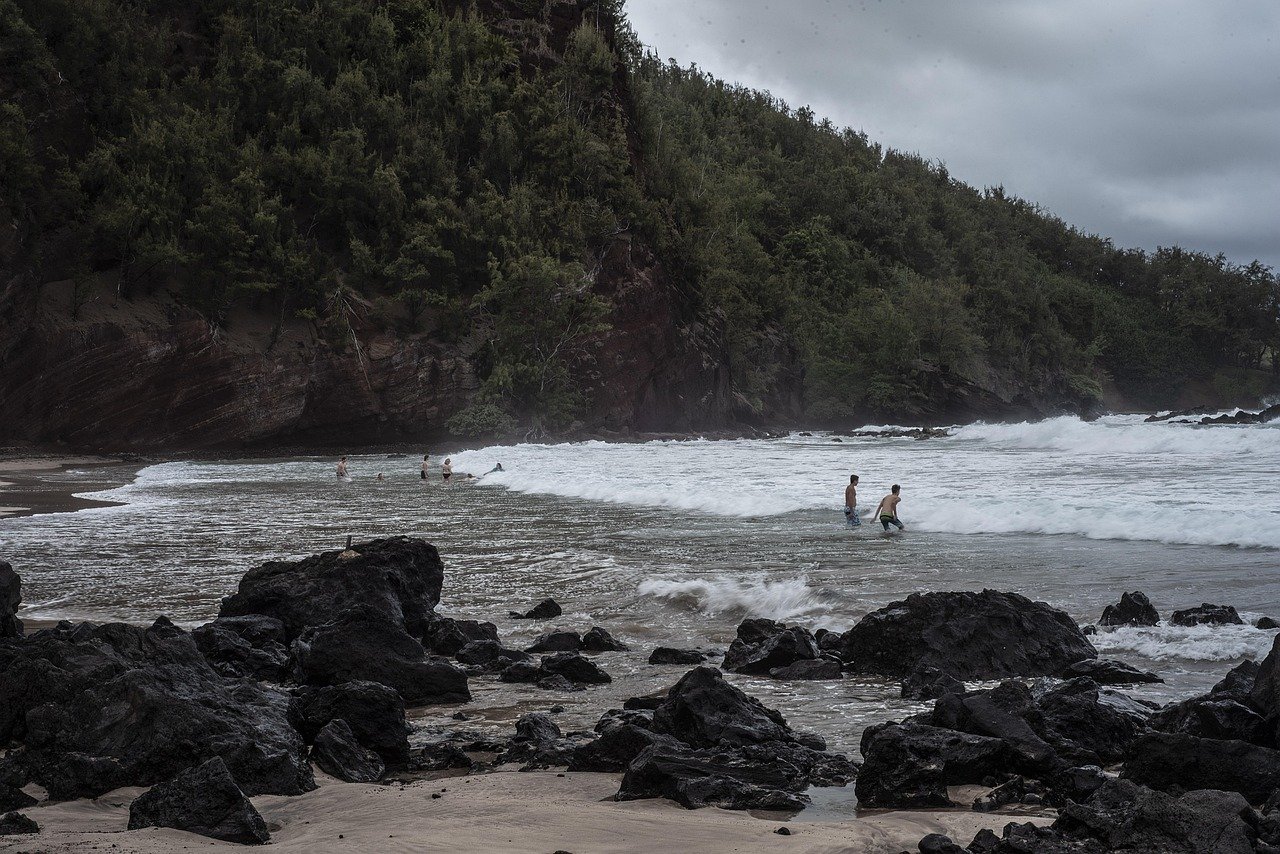
Wailea is the beach that shows up on nearly every list, and for good reason. This crescent of white sand sits directly in front of the Grand Wailea and Four Seasons resorts, yet it stays open to everyone. All Hawaii beaches are public, and Wailea is one of the clearest examples of that rule in practice.
Who it suits: travelers who want calm water, a wide stretch of sand, and a sunset that does most of the work for them. Wailea is ideal for swimming, snorkeling, and boogie boarding, and it doubles as one of the best places on the island to watch the sun go down.
What it does well: consistency. The leeward south shore tends to hold calmer conditions than the north shore, which makes Wailea a safer bet if you are traveling with mixed swimming abilities or only have one beach day.
The limitation: it is a resort beach, and it feels like one. Expect company, and expect to hunt for parking if you sleep in. The upside is that non-guests can still walk the coastal trail and use the sand.
Ka’anapali Beach: Three Miles of Everything
Ka’anapali once hosted Hawaiian royalty, and today it serves as the backyard of some of the state’s best-known resorts. The three miles of powdery shoreline run along the northwest coast, and the water is the main attraction: parasailing, kayaking, snorkeling, and sunset cruises all launch from here.
Who it suits: first-timers and families who want options without moving the car. There is food, shopping, and shade within walking distance.
What it does well: the Black Rock snorkeling at Pu’u Keka’a and the nightly cliff-diving ceremony at the beach’s northern end, held every sunset in homage to King Kahekili’s legendary leap. It is genuinely one of the few beaches where the evening entertainment is free and cultural rather than staged for tips.
The limitation: it is the busiest beach on this list. If you want solitude, this is not your spot. If you want a base camp, it is hard to beat.
Makena Beach (Big Beach): Room to Breathe
Big Beach, inside Makena State Park in South Maui, is the antidote to the resort corridor. It is expansive, natural, and backed by nothing taller than a lifeguard tower.
Who it suits: strong swimmers, photographers, and anyone who measures a good beach by how few people they can see.
What it does well: scale. Even on a crowded day, Big Beach absorbs people in a way that Wailea and Ka’anapali cannot.
The limitation: the shorebreak. It is strong and can catch visitors off guard, especially at low tide. Watch it for a few minutes before you commit, and keep an eye on smaller family members. South Maui is also more car-dependent than West Maui, with fewer walkable options once you leave the sand.
Kapalua Bay: The Protected Cove
Kapalua Bay is a sheltered cove on the west side with calm water, excellent snorkeling, and scenic coastal walking trails nearby.
Who it suits: snorkelers, couples, and anyone who wants a small, pretty bay rather than a long open beach.
What it does well: shelter. The cove shape blocks a lot of swell, so the water stays manageable when other beaches are choppy.
The limitation: size. A protected cove is a small cove, and it fills quickly. Arrive early or plan to circle for parking.
Maluaka Beach: The Quiet Turtle Spot
Maluaka is the sleeper pick in South Maui: a quieter beach with a long stretch of soft sand, bright blue water, and a reef very close to shore. Turtles are frequent visitors, which makes it a favorite for beginner snorkelers and families.
Who it suits: beginner snorkelers, families, and anyone who wants easy water access without a resort backdrop.
What it does well: it delivers a very good snorkeling experience with moderate crowds, notably less known than Ka’anapali. Facilities include restrooms, showers, gazebos, picnic tables, and a lifeguard.
The limitation: it is quieter for a reason. There is less nearby food and shade infrastructure than at the big resort beaches, so bring water and snacks.
Launiupoko Beach: Built for Small Kids
Just three miles south of Lahaina in West Maui, Launiupoko features a stone enclosure once used by ancient Hawaiians as a fishpond. Today that enclosure forms a calm, shallow tidal pool that feels purpose-built for children.
Who it suits: families with toddlers, plus intermediate surfers who want the rolling waves just beyond the reef.
What it does well: it addresses a problem that even Maui’s most beautiful beaches cannot escape: heavy ocean swells. The pool gives small kids a place to splash while adults supervise from a few feet away.
The limitation: the calm zone is small. Older kids and confident swimmers will outgrow it in an hour.
Kamaole Beach Parks I, II, and III: The Accessible Trio
The Kamaole parks in Kihei combine accessibility, beauty, and variety in a way few beaches on the island manage. Kamaole I has the widest stretch of soft sand for swimming and sunbathing. Kamaole II, a short walk south, offers good conditions for both swimming and snorkeling in a more intimate setting. Kamaole III is the family favorite, with a large grassy area, gentle surf, and a playground. All three have lifeguards.
Who it suits: families, budget travelers, and anyone staying in Kihei who wants a beach within walking distance.
What it does well: convenience and lifeguard coverage across three distinct beaches.
The limitation: the setting is roadside rather than remote. You will hear traffic. You will also find a shower and a place to park, which is a fair trade.
Olowalu Beach: The Mile Marker 14 Stop
Olowalu, known locally as Mile Marker 14, sits on the west coast and functions less as a destination beach and more as a snorkeling stop on the road to Lahaina.
Who it suits: snorkelers who care more about reef than sand, and travelers who want a quick water break without a resort detour.
What it does well: the reef starts close to shore, so you can be in the water minutes after parking.
The limitation: the entry is rocky and the beach itself is modest. Bring water shoes.
How to Choose Your Maui Beach
Work through these questions in order, and the shortlist narrows fast.
- What is the water doing today? Check the surf report before you drive. A calm day at Makena is a different beach than a big-swell day at Makena.
- Who is swimming? Toddlers go to Launiupoko. Beginner snorkelers go to Maluaka or Kapalua Bay. Strong swimmers can handle Big Beach.
- How far will you drive? West Maui and South Maui are separate beach days. Do not plan to hit both in one afternoon.
- Do you need facilities? Lifeguards, restrooms, and showers narrow the list to the Kamaole parks, Maluaka, and the resort beaches.
- What time will you arrive? Free parking exists everywhere, but early arrival is the difference between a five-minute walk and a twenty-minute loop.
One practical note for students and younger travelers planning a Hawaii trip around a tight budget: the same research-and-plan-ahead habits that make a beach day work also make a career launch work. That guide on how to land an internship and boost your resume covers the planning discipline in detail.
A second habit worth borrowing: treat the beach day like a project with a fixed start time. The people who complain about Maui beaches are almost always the ones who arrived at 11 a.m. in a rental car with no plan.
A Few Practical Tips That Actually Work
Reef-safe sunscreen is not optional. Slather it on before you leave, because several beaches on this list have reefs close enough to shore that the wrong product does real damage.
Do not leave valuables in the car. Break-ins at beach parking lots are a known nuisance, and the fix is simple: bring a waterproof pouch and keep your keys with you.
Check the trade winds. Afternoon wind picks up on most shores, which flattens snorkeling visibility and sandblasts your lunch. Morning is almost always the better window.
Respect the shorebreak. Big Beach and Slaughterhouse Bay look inviting and behave unpredictably. If locals are standing on the sand watching rather than swimming, ask yourself why.
Finally, remember that every beach in Maui is public. Resort frontage does not mean private sand. You can walk the Wailea coastal trail, spread a towel in front of a five-star hotel, and nobody will move you along.
Conclusion
The best beach on Maui island depends entirely on the day you are having. For a calm swim with a sunset attached, Wailea wins. For a full day with food, snorkeling, and a cliff-diving ceremony, Ka’anapali delivers. For space and scenery, Makena. For toddlers, Launiupoko. For quiet turtle-watching, Maluaka. The island is small enough that you can sample three of these in a single trip if you plan your driving by shore rather than by whim.
Pick two beaches before you land, build the rest of the trip around them, and leave room for the one a local recommends over breakfast. That recommendation is usually the best beach on Maui that day.
What is the best beach on Maui for swimming?
Wailea Beach is the most reliable choice for swimming. It sits on the leeward south shore, where conditions tend to stay calm and clear year-round, and it is wide enough that crowds do not crowd the water. Ka’anapali is a strong second for families who want calm water plus nearby food and facilities.
Which Maui beach is best for snorkeling?
Kapalua Bay and Maluaka Beach are the top picks. Kapalua’s protected cove shape blocks swell and keeps visibility good, while Maluaka has a reef very close to shore and frequent turtle sightings, which makes it excellent for beginners. Ka’anapali’s Black Rock is the best-known snorkel site on the west side.
Is Makena Big Beach safe for kids?
It depends on the child and the day. Big Beach has a heavy shorebreak that can catch visitors off guard, so it suits strong swimmers better than small children. Families with young kids are usually happier at Launiupoko’s shallow tidal pool or at Kamaole III, which has gentle surf, a playground, and a lifeguard.
Do you have to pay to visit Maui beaches?
No. All beaches in Maui are open to the public, and parking is free if you arrive early enough to claim a spot. That includes beaches in front of resorts like Wailea and Ka’anapali. You may pay for parking in some developed lots, but beach access itself is not a paid amenity.
What time of day is best for a Maui beach?
Morning. Trade winds typically build through the afternoon, which roughens the water and reduces snorkeling visibility. Early arrival also solves the parking problem at smaller beaches like Kapalua Bay, where the lot fills quickly. Sunset is the exception: Wailea and Ka’anapali are worth returning for in the evening.
How many beaches does Maui have?
Maui has roughly 30 miles of sand along a 120-mile coastline, which works out to more than 80 named beaches and coves. No itinerary can cover them all, so pick by shore: West Maui for resort beaches and calm coves, South Maui for space, quiet reefs, and the Wailea cluster.