Easy Cuban recipes at home begin with five classics: ropa vieja, arroz con pollo, black beans and rice, picadillo, and twice-fried plantain. Cuban cooking is bright, garlicky and unhurried, and most of its best-known dishes come together from a short list of everyday ingredients.
This guide covers each dish with a straightforward home method, plus the pantry that sits behind Cuban cooking. No dish here needs specialist equipment, and every one suits a family table.
Key takeaways
- Cuban cooking is built on garlic, citrus, cumin and oregano, with rice and beans at the centre of the table.
- Ropa vieja is shredded beef simmered in a tomato and pepper sauce; its name means “old clothes”.
- Arroz con pollo is a one-pot dish of chicken and yellow rice, coloured with turmeric or annatto.
- Moros y cristianos pairs black beans with white rice, and picadillo is a sweet-savoury mince with olives and raisins.
- Tostones are green plantains fried twice, and yuca con mojo is cassava with a garlic and citrus sauce.
The Cuban pantry: what to have ready
Cuban cooking leans on a small set of flavours that repeat across the whole cuisine. Garlic is the foundation, often crushed with salt and lime juice into a mojo sauce, while cumin and dried oregano give the savoury dishes their warmth. Sour orange is the traditional citrus for mojo, and a mix of orange and lime juice stands in well when sour oranges are hard to find.
Rice and dried black beans are the backbone of the Cuban table. Long-grain white rice appears at almost every meal, and black beans are cooked with onion, garlic, green pepper and bay leaf until they are soft and soupy. Olive oil, white vinegar, tomato sauce and green peppers round out the shelf.
Plantains deserve a place of their own in the pantry. Green plantains become tostones, while ripe, yellow-black plantains are sliced and fried into sweet maduros. Buy them a few days ahead and let them ripen on the counter if you want maduros; for tostones, choose plantains that are still green and firm.
Best for: a well-stocked start — garlic, cumin, oregano, lime, black beans, long-grain rice and a bunch of green plantains.
Ropa vieja: shredded beef in tomato sauce
Ropa vieja is the most famous Cuban main course, and its name means “old clothes”, a joke about the shredded beef looking like torn rags. Flank steak is simmered until it falls apart, then pulled into shreds and cooked again in a sauce of tomatoes, onions, green peppers and garlic, with cumin and a splash of white wine.
To make it at home, simmer about 800 grams of flank steak in water with an onion, a bay leaf and a little salt for about two hours, until the meat shreds easily with two forks. Lift the meat out and shred it, then soften a sliced onion and a green pepper in olive oil, add garlic, tomato sauce and cumin, and return the beef with a ladle of its cooking liquid. Simmer for another twenty minutes until the sauce thickens and the flavours come together.
Serve ropa vieja with white rice and black beans, and a few fried plantains on the side.
Best for: a slow weekend cook — the pot simmers gently while you get on with the rest of the day.
Arroz con pollo: chicken and yellow rice
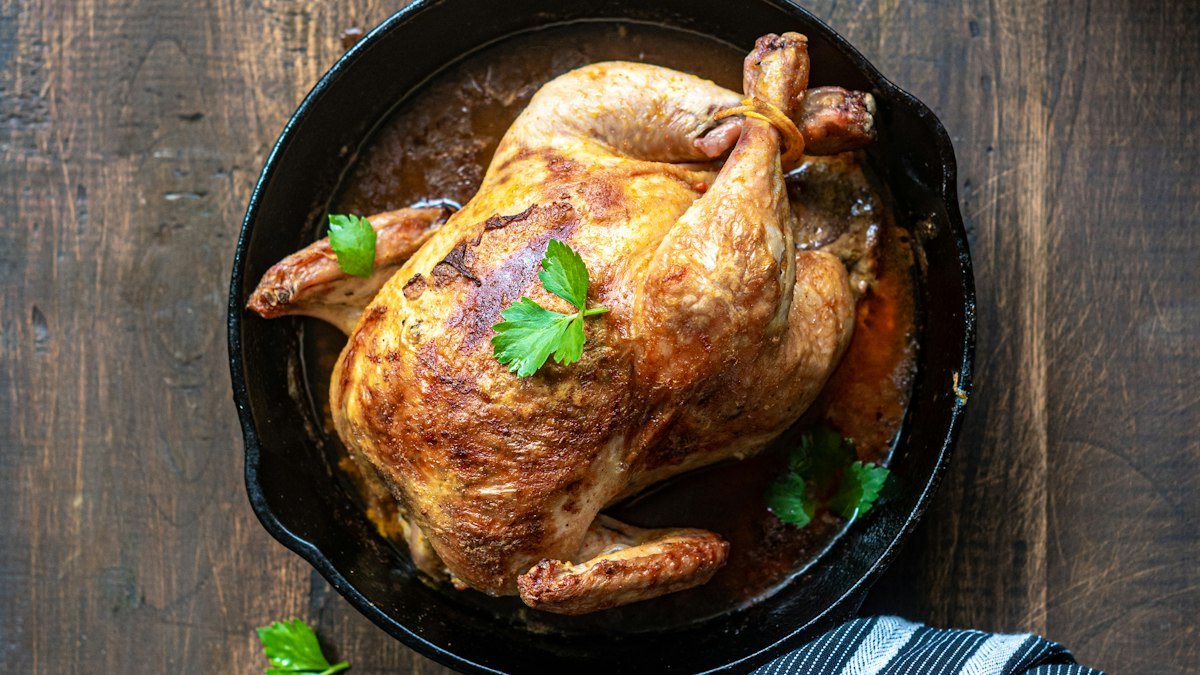
Arroz con pollo is Cuba’s answer to the one-pot supper, and it is the dish most Cuban families cook when they want something filling with little washing up. Chicken pieces are browned, then cooked in the same pot with rice, peas, peppers and olives, and the rice turns golden from turmeric or annatto.
To make it at home, season chicken thighs with salt, cumin and oregano, then brown them in olive oil in a wide pot and set them aside. Soften a chopped onion, a green pepper and three cloves of garlic in the same pot, add a spoonful of tomato sauce and a pinch of turmeric, then stir in two cups of rice and enough stock to cover. Nestle the chicken back in, add a handful of peas and a few olives, cover, and cook on low heat for about twenty-five minutes, until the rice is tender and the chicken is cooked through.
Let the pot rest for ten minutes before serving, then finish with a squeeze of lime.
Best for: a weeknight one-pot — chicken, rice and vegetables in a single pan.
Moros y cristianos: black beans and rice
Moros y cristianos, Moors and Christians, is the name Cubans give to black beans cooked with white rice, a reference to the mixture of dark beans and pale grains in the pot. It is served at nearly every Cuban meal, and it is the dish that turns a plate of meat into a proper dinner.
To make it at home, cook a cup of dried black beans in water with a bay leaf until they are tender, or use two tins of cooked beans, drained and rinsed. Soften a chopped onion, a green pepper and garlic in olive oil, add the beans with some of their cooking liquid, a spoonful of cumin and a splash of vinegar, then stir in a cup of cooked white rice and warm everything through together. The beans should be moist and glossy, not dry.
A good pot of moros y cristianos keeps for days in the fridge and reheats well with a splash of water.
Best for: the everyday side — a pot of beans and rice that goes with everything else on this list.
Picadillo: sweet-savoury mince
Picadillo is Cuba’s seasoned mince, cooked with tomato, onion, garlic, green olives and raisins, and it is one of the quickest dishes in Cuban cooking. The combination of salty olives, sweet raisins and a little cinnamon gives it a flavour that is hard to place and easy to like, and it is ready in about half an hour.
To make it at home, brown 500 grams of minced beef in a wide pan, breaking it up as it cooks, then add a chopped onion, a green pepper and three cloves of garlic. Stir in tomato sauce, a pinch of cumin and cinnamon, a handful of raisins and a small handful of sliced green olives, then simmer for about fifteen minutes. Taste and adjust the salt, and add a splash of white wine vinegar if the dish needs sharpening.
Picadillo is usually served over white rice with fried plantains, and it also makes an excellent filling for empanadas or a topping for baked potatoes.
Best for: a fast weeknight supper — on the table in half an hour, with rice and plantains.

Tostones and yuca con mojo: the sides
Tostones are the crunch of the Cuban table. Green plantains are peeled, cut into thick rounds and fried once until they are just tender, then pressed flat and fried again until they are crisp and golden. A tostonera, a small wooden press, does the flattening neatly, but the bottom of a heavy glass works just as well.
Salt the tostones as soon as they leave the oil, and serve them hot, with a bowl of mojo for dipping. Mojo is made by warming olive oil with plenty of crushed garlic, then adding lime juice and a little orange juice off the heat, so the garlic stays fragrant rather than bitter. The same sauce is poured over boiled yuca, or cassava, which is cooked until tender and then dressed while it is still warm.
Yuca needs peeling before it cooks, and the woody core should be pulled out after boiling.
Best for: the finishing touch — crisp tostones and garlicky yuca turn a simple plate into a Cuban meal.
| Dish | Main ingredients | Time | Best for |
|---|---|---|---|
| Ropa vieja | Flank steak, tomato, peppers, cumin | About 2.5 hours | A slow weekend cook |
| Arroz con pollo | Chicken thighs, rice, turmeric, peas | About 45 minutes | A weeknight one-pot |
| Moros y cristianos | Black beans, white rice, cumin | About 40 minutes | The everyday side |
| Picadillo | Mince, olives, raisins, tomato | About 30 minutes | A fast weeknight supper |
| Tostones | Green plantains, salt, mojo | About 20 minutes | A crisp, salty side |
| Yuca con mojo | Cassava, garlic, lime, olive oil | About 30 minutes | A garlicky starchy side |
Cooking Cuban food safely: a checklist
Cuban cooking is forgiving, but a few habits keep every dish on this list safe and fresh.
- Cook beef and chicken until they are cooked through, with no pink meat left at the centre and clear juices.
- Shred ropa vieja with clean forks, and keep raw and cooked meat on separate boards.
- Cool rice quickly after cooking and refrigerate it within two hours, since cooked rice spoils faster than most foods.
- Reheat rice and leftovers until they are steaming hot all the way through.
- Store beans in shallow containers in the fridge, and use them within three to four days.
- Peel plantains and yuca carefully, and remove the woody core from yuca after boiling.
- Wash your hands and knives after handling raw meat, and keep the mojo garlic sauce chilled if it is not served at once.
- Throw away food that smells off or has sat out for more than two hours.
Good tools make Cuban cooking easier. The guide to best slow cookers covers models that handle a long, gentle ropa vieja with no attention, and the article on best soups for winter has pots and bowls that suit a bean-heavy table. For bread to mop up the sauces, the guide to best sourdough bread covers loaves with a sturdy crust.
Frequently asked questions
What is the most famous Cuban dish?
Ropa vieja, shredded beef in a tomato and pepper sauce, is the dish most often named as Cuba’s national dish, and it is served with white rice, black beans and fried plantains.
What is mojo sauce made of?
Mojo is made from garlic, citrus juice, olive oil and salt, traditionally with sour orange. A mix of orange and lime juice gives a close result when sour oranges are unavailable, and the garlic should be warmed gently so it stays fragrant.
What is the difference between tostones and maduros?
Tostones are made from green, unripe plantains, fried twice until crisp and salty. Maduros are made from ripe, yellow-black plantains, sliced and fried once until they are soft, sweet and caramelised.
Can I make ropa vieja in a slow cooker?
Yes. Brown the beef first if you have time, then cook it on low with onion, peppers, tomato sauce and cumin for seven to eight hours, until it shreds easily. Shred the meat and stir it back into the sauce before serving.
What do Cubans eat with black beans and rice?
Black beans and rice appear with almost everything: ropa vieja, roast pork, fried chicken, picadillo and eggs. A fried egg on top of the rice and beans makes a complete, quick supper on its own.
Is Cuban food spicy?
Cuban food is warmly seasoned rather than hot. Cumin, oregano and garlic lead the flavour, and heat usually comes from a bottle of hot sauce at the table rather than from the cooking itself.
The bottom line
Easy Cuban recipes at home are about a short pantry and a few patient methods: beef that simmers until it shreds, rice that cooks with the chicken, and plantains fried twice until crisp. None of the dishes on this list asks for rare ingredients or tricky technique.
Start with picadillo for a quick win, then try arroz con pollo on a weeknight and ropa vieja when you have a slow afternoon.
A short safety note: cook meat all the way through, cool rice quickly and refrigerate it within two hours, and reheat leftovers until steaming hot. Anything that smells off belongs in the bin, not on the plate.