Don Julio 70 is the clear tequila that tastes like an aged one, and that contradiction is exactly what makes it interesting. The short answer to what it is: an añejo claro, a tequila aged for eighteen months in American white-oak barrels and then charcoal-filtered until it pours clear, created to mark the seventieth anniversary of the Don Julio brand.
It was the first filtered añejo of its kind when it appeared, and it started a whole category of clear aged tequilas that the industry now calls cristalino. This guide explains how Don Julio 70 is made, what it tastes like, and how to serve it well.
Key takeaways
- Don Julio 70 is an añejo claro: aged eighteen months in American white-oak barrels, then charcoal-filtered to remove the colour.
- It was created in 2012 to mark seventy years of Don Julio Tequila, which began in 1942.
- It is made from 100% Blue Weber agave grown in the highlands of Jalisco, Mexico, and bottled at 40% ABV.
- Expect vanilla, honey and toasted oak on the palate, with a clean, bright finish.
- Serve it neat or on the rocks, in a glass that lets you nose it properly.
What Don Julio 70 is
Don Julio 70 sits in a category of its own. In tequila terms, an añejo is a tequila aged in oak for at least a year, and it is usually amber or gold in colour. A blanco, by contrast, is unaged and clear. Don Julio 70 is aged like an añejo and looks like a blanco, because the colour picked up in the barrel is filtered out after ageing.
The name marks an anniversary. Don Julio González founded his tequila business in 1942, and Don Julio 70 was created in 2012 by the brand’s master distiller, Enrique de Colsa, to celebrate seventy years of the brand. The bottle was described at launch as the world’s first añejo claro, and the claim stuck.
The wider industry now calls this style cristalino, a general name for an aged tequila that has been filtered to remove its colour. Don Julio labels its version añejo claro, but the idea is the same: the time in wood without the colour of the wood.
Best for: anyone curious about aged tequila who prefers a clean, bright spirit — Don Julio 70 gives you the depth of an añejo without the amber colour.
How it is made
Everything starts with Blue Weber agave from Los Altos, the highlands of Jalisco in Mexico. The agave hearts are harvested, cooked to release their sugars, then fermented and distilled. Don Julio uses only agave, water and yeast, and the spirit is made from 100% Blue Weber agave, as the rules for tequila require of any bottle that carries that claim.
After distillation, the spirit rests for eighteen months in American white-oak barrels that previously held bourbon. That is longer than the minimum of one year for an añejo, and the extra months give the tequila time to pick up vanilla, caramel and toasted oak notes from the wood.
Then comes the step that defines the bottle. The aged tequila is carefully charcoal-filtered, which strips out the colour gained in the barrel and softens some of the heavier wood character, while leaving the flavour behind. The result pours as clear as a blanco but keeps the complexity of an aged spirit.
The tequila is bottled at 40% ABV, or 80 proof. It is worth checking the label on any bottle you buy, because that is where the strength is printed, and it is the one figure that should never be guessed.
Best for: sipping neat — the filtering keeps the spirit bright and clean, and neat is the best way to taste what the eighteen months in oak actually did.
What it tastes like
Don Julio 70 smells of crisp agave first, with vanilla, honey and a touch of toasted oak behind it. There are also hints of tropical fruit and baking spice, and the nose is softer and rounder than a blanco, without the heavy wood of a long-aged amber añejo.
On the palate it is silky and medium-bodied. Vanilla and honey come through first, followed by toasted oak, caramel and a touch of white pepper, with the agave sweetness running underneath throughout. The finish is clean and warm, with lingering notes of oak and white chocolate rather than a harsh burn.
That balance is the point of the filtration. An unfiltered añejo of the same age would taste woodier and darker, while a blanco would taste brighter and sharper. Don Julio 70 sits between the two, which is why it appeals to drinkers who like both styles.
Best for: drinkers who find blanco too sharp and añejo too woody — this is the middle ground, and it is a pleasant one.
How to serve Don Julio 70
The simplest way to serve Don Julio 70 is neat, at room temperature, in a small tasting glass or a short tumbler. Give it a moment in the glass before you drink, and take a small sip first to let your palate adjust. The flavours open up as the spirit warms slightly in the glass.
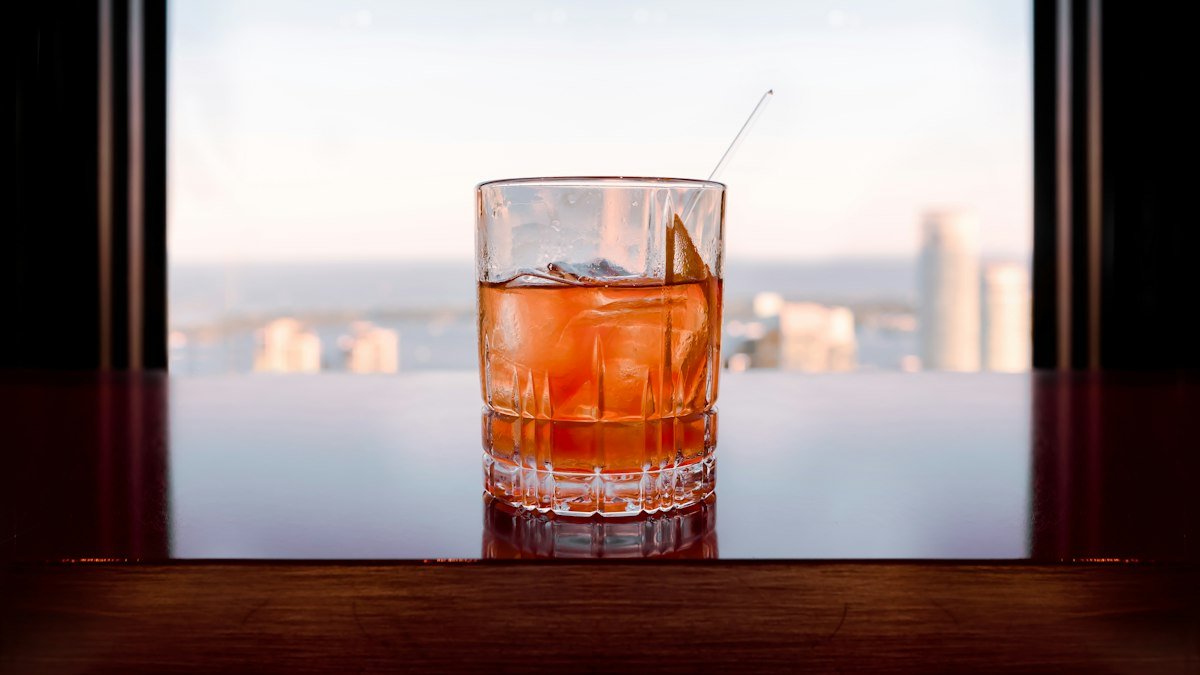
On the rocks is the other classic serve. A single large cube of ice chills the tequila slowly without watering it down too fast, and the cold sharpens the clean, crisp character that the filtration creates. Use good ice, because cloudy or fast-melting ice will dilute the drink before you finish it.
It also works in cocktails, though this is a spirit that deserves better than a sugary mixer. A clear, simple serve such as a tequila and soda with a lime wedge lets the tequila speak, and a well-made margarita with fresh lime juice suits it too. Avoid heavy or strongly flavoured mixers that would hide what you paid for.
Best for: a quiet evening pour — neat or on the rocks, with no rush and nothing competing with the glass.

Don Julio 70 against the rest of the range
Understanding Don Julio 70 is easier once you see where it sits in the brand’s range. The blanco is unaged, bright and peppery. The reposado rests for eight months or more in oak and turns golden amber. The añejo spends longer still in the barrel and turns deeper in colour and flavour.
Don Julio 70 takes the ageing of an añejo and the appearance of a blanco, so it is not a step between the reposado and the añejo in the usual sense. It is a different idea altogether, and it is best judged on its own terms rather than as a substitute for either neighbour.
For a fuller picture of the wider world of aged spirits, our guide to the best rye whiskey shows how barrel time shapes a very different spirit, while the best scotch whiskey round-up covers another tradition of oak ageing. Within tequila itself, the best tequila brands guide puts Don Julio in context with the other leading names.
| Style | Time in oak | Colour | Character |
|---|---|---|---|
| Blanco | None | Clear | Bright, peppery, pure agave |
| Reposado | 2–12 months | Pale gold | Softer agave, light vanilla |
| Añejo | At least 12 months | Amber | Rich oak, caramel, spice |
| Don Julio 70 | 18 months, then filtered | Clear | Aged depth, bright finish |
Best for: anyone building a small tequila collection — one bottle of Don Julio 70 covers ground that neither a blanco nor an añejo can.
Buying and storing a bottle
Buy from a reputable shop and check the bottle carefully before you pay. The label should read Don Julio 70 or Don Julio 70 Añejo Claro, and the liquid inside should be clear. If the bottle looks dark or the seal looks disturbed, ask questions or choose another bottle.
Store the bottle upright, away from direct sunlight and away from heat, in a cool cupboard rather than on top of a fridge or beside a window. Tequila does not improve in the bottle the way wine does, but it will keep well for years if it is sealed and stored properly.
Once opened, a bottle will keep its character for many months, though the flavours will slowly soften as air gets in. Keep the cap tight, and do not store an opened bottle for years on the assumption that it will stay exactly as it was on the day you opened it.
Best for: a special-occasion bottle — buy it for a celebration, store it properly, and enjoy it while it is at its best.
A simple decision framework
Use this list to decide whether Don Julio 70 is the right bottle for you, and how to enjoy it once it is open.
- Choose it if you like aged spirits but want something brighter and cleaner than a dark añejo.
- Choose a blanco instead if you want pure, sharp agave character at a lower outlay.
- Choose a standard añejo instead if you love deep oak, caramel and a dark amber colour.
- Serve it neat first, so you know what it tastes like before you mix it.
- Try it on the rocks second, with one large cube of ice.
- Keep cocktails simple: soda and lime, or a fresh margarita, and nothing heavy.
- Store it upright, out of sunlight, with the cap tight.
- Drink it within a year or so of opening, while the flavours are at their best.
Frequently asked questions
Is Don Julio 70 a cristalino tequila?
Yes, in style. Cristalino is the general name for an aged tequila filtered to remove its colour, and Don Julio labels its version añejo claro. The two terms describe the same idea.
How long is Don Julio 70 aged?
It is aged for eighteen months in American white-oak barrels, then charcoal-filtered. That is longer than the one-year minimum for an añejo.
Why is Don Julio 70 clear?
The colour gained during eighteen months in oak is removed by charcoal filtration after ageing. The flavour stays, but the amber colour goes, so the tequila pours clear like a blanco.
What is the alcohol strength of Don Julio 70?
It is bottled at 40% ABV, or 80 proof. Always check the label on the bottle you buy, because that is where the strength is printed.
Should you drink Don Julio 70 neat or in a cocktail?
Neat or on the rocks is the best way to taste it, because both serves show off the balance between aged depth and clean brightness. It also works in simple cocktails such as a tequila and soda or a fresh margarita.
Is Don Julio 70 the same as Don Julio Añejo?
No. Both are aged, but the standard añejo is unfiltered and amber in colour, while Don Julio 70 is filtered and clear. They share a family character but taste different.
The bottom line
Don Julio 70 is a clever bottle with a simple idea behind it: take an añejo, age it properly, and then filter out the colour so the drinker gets the depth without the darkness. It was the first of its kind, and it remains one of the best examples of the cristalino style.
If you enjoy aged tequila but want something cleaner and brighter, it is well worth trying neat first, then on the rocks. And as with any spirit, enjoy it in moderation, never drink and drive, and know your limits before you pour a second glass.