Planning a first big trip to Europe and drowning in listicles that all say the same thing? The problem usually isn’t a lack of options. It’s that nobody tells you which option fits you. A honeymoon couple, a hiker with a week off, and a family with two teenagers need completely different itineraries, even if all three land on the same continent in the same month.
This roundup names ten specific places, explains who each one genuinely suits, and flags the one real drawback you should know before booking. Use the table to shortlist, then read the entries that match your travel style.
Comparison Table: Ten European Destinations at a Glance
| Destination | Country | Best for | Main draw | Watch out for |
|---|---|---|---|---|
| Alhambra, Granada | Spain | Architecture and history lovers | Moorish palace and gardens | Timed entry, high demand |
| Neuschwanstein Castle | Germany | Fairy-tale scenery seekers | Hilltop castle views | Very crowded in summer |
| Cinque Terre | Italy | Walkers and photographers | Five pastel cliff villages | Steep, busy trails |
| Plitvice Lakes | Croatia | Nature and families | Terraced lakes and waterfalls | Boardwalk crowds midday |
| Svalbard | Norway | Adventure travelers | Arctic wildlife and dark-sky auroras | Cold, costly, seasonal |
| Alentejo | Portugal | Slow travelers and food lovers | Medieval villages, wine | Needs a car |
| Athens | Greece | First-time history buffs | Acropolis and Parthenon | Summer heat |
| Florence | Italy | Art and Renaissance fans | Duomo and world-class museums | Peak-season queues |
| Malta | Malta | Sea lovers and divers | Sea caves and historic cities | Compact, can feel rushed |
| Albania | Albania | Budget explorers | Uncrowded coast and mountains | Uneven infrastructure |
1. Alhambra Palace, Granada, Spain

Who it suits: Travelers who want one architectural highlight that justifies a whole city stop.
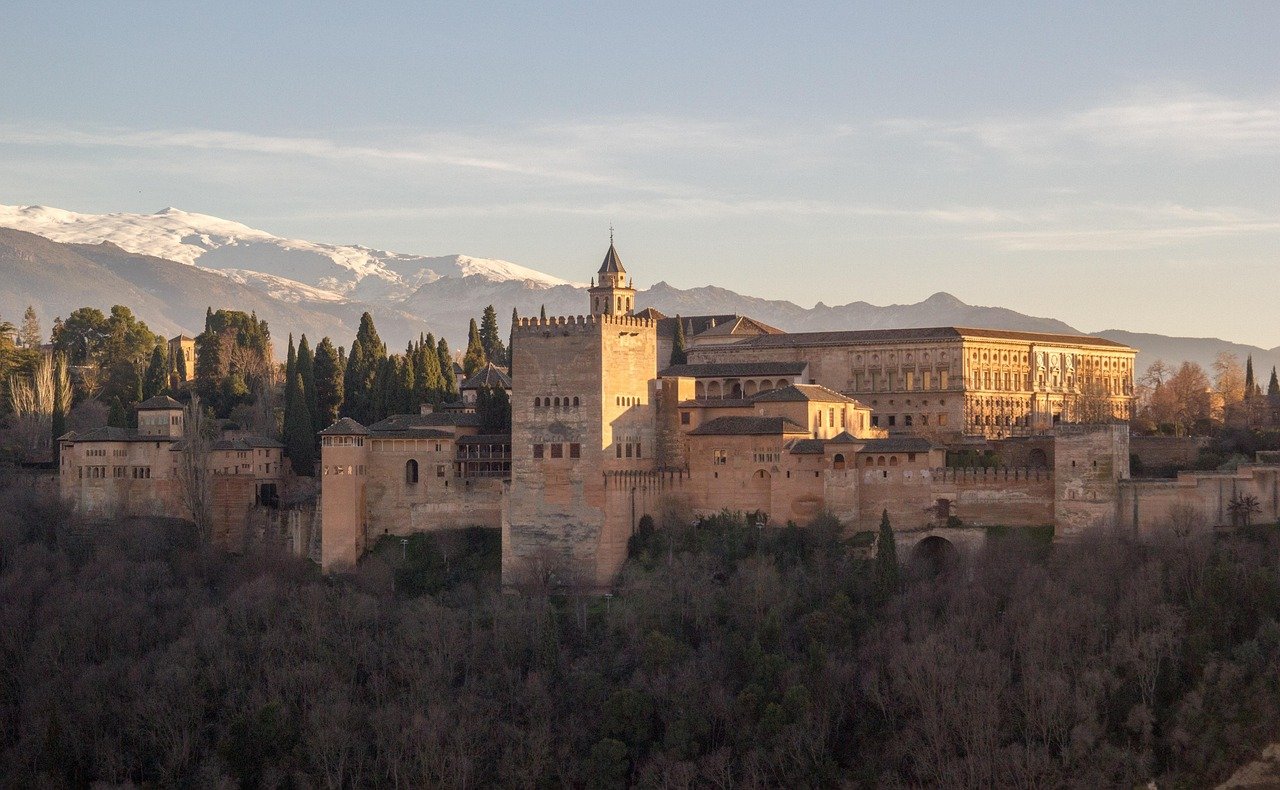
The Alhambra was built by Mohammed ben Al-Ahmar in the mid-13th century, before Ferdinand and Isabella expelled the Moors from Granada in 1492. Later rulers kept adding to it, following a design philosophy built around the idea of “paradise on earth.” The result is a palace of quiet courtyards, running water, and gardens that smell of roses in season.
What it does well: It delivers atmosphere rather than just photo opportunities. Walking through the Nasrid courtyards is the kind of experience that stays with people longer than a checklist of monuments.
The real limitation: Entry is timed and demand is high, so spontaneous visits are a gamble. Book well ahead and pick a morning slot if you want cooler temperatures and thinner crowds.
Practical tip: Stay in Granada’s Albaicín district and view the palace from the Mirador de San Nicolás at sunset. You get the postcard view without fighting for space inside the walls.
2. Neuschwanstein Castle, Füssen, Germany
Who it suits: Families, photographers, and anyone chasing the classic European castle image.
Sitting in Bavaria near the Austrian border, Neuschwanstein is widely described as the inspiration for Disney’s Cinderella Castle. It is the single most recognizable building in Germany and anchors a broader Bavarian itinerary that includes lake scenery and mountain roads.
What it does well: The approach walk and the surrounding Alpine scenery are as impressive as the building itself. It pairs naturally with a wider southern Germany route.
The real limitation: Summer crowds are heavy, and the interior tour is shorter than most visitors expect. The magic is largely outside.
Practical tip: Book a first-entry slot. Then walk up to Marienbrücke bridge early, before tour buses arrive, for the classic side-on view.
3. Cinque Terre, Italy
Who it suits: Active travelers who like their scenery with a side of walking.
Five villages cling to the Ligurian coast in a kaleidoscope of pastel colors, connected by hiking trails, a railway line, and boat services. It is one of Italy’s most photographed landscapes, and for good reason.
What it does well: It combines hiking, swimming, and excellent seafood in a compact area. You can walk between villages in a morning and be on a beach by afternoon.
The real limitation: The trails are steep, and the most famous coastal path sections close periodically for repairs and landslides. Check locally before planning a full day on foot, and expect crowds in July and August.
Practical tip: Base yourself in one village and use the train for the rest. Day-tripping from a distant city wastes the best hours of light.
4. Plitvice Lakes National Park, Croatia
Who it suits: Nature lovers and families who want wide views without technical hiking.
Sixteen terraced lakes flow into one another through 90 waterfalls, surrounded by dense forest and dramatic karst cliffs. The park holds UNESCO status, and wooden boardwalks let you walk directly over the turquoise water.
What it does well: It is genuinely accessible. You do not need mountaineering gear to see something spectacular, which makes it a strong pick for mixed-age groups.
The real limitation: Boardwalks get congested in the middle of the day. Arrive at opening time and walk the upper lakes first, then loop back.
Practical tip: Bring a light rain layer even in summer. The waterfalls create their own microclimate, and the boardwalks get slippery.
5. Svalbard, Norway
Who it suits: Adventure travelers who want something genuinely different from a city break.
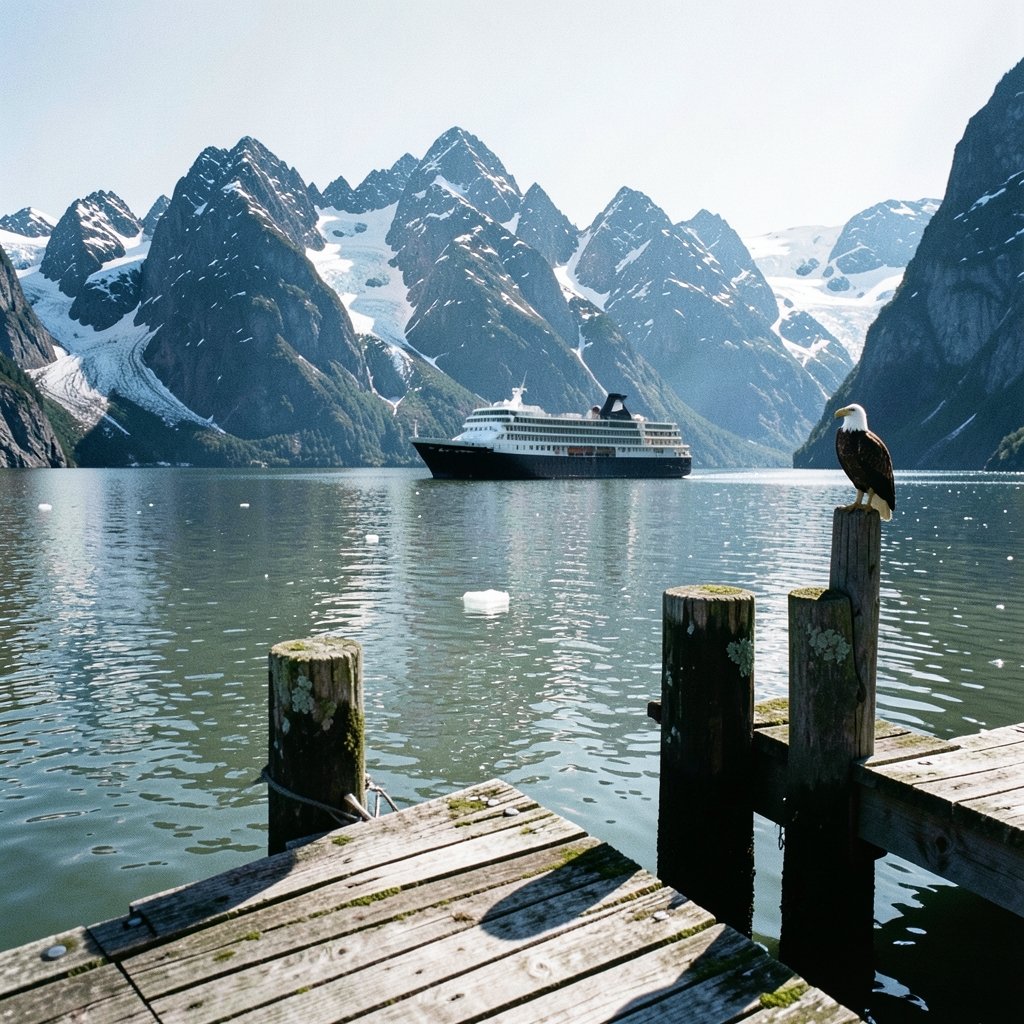
Midway between mainland Norway and the North Pole, Svalbard is home to more polar bears than people. The island of Spitsbergen sits at 78 degrees north and serves as the launch point for exploring the archipelago’s mountains, ice, and frozen tundra.
What it does well: It offers experiences you cannot replicate elsewhere in Europe. During the polar night, from mid-November to mid-January, you can head out by dogsled or snowmobile past wind-sculpted ice, watching for reindeer, Arctic foxes, walruses, and the occasional distant polar bear. On clear nights, the Northern Lights put on a show.
The real limitation: It is expensive, cold, and highly seasonal. Direct flights connect Longyearbyen with Tromsø and Oslo, but the experience is not a budget option.
Practical tip: Book guided excursions rather than attempting independent travel. Safety outside the settlements requires local knowledge and, in many cases, armed guidance.
6. Alentejo, Portugal
Who it suits: Slow travelers, wine lovers, and anyone who wants Portugal without Lisbon’s crowds.
Roughly 80 miles southeast of Lisbon, Alentejo has become Portugal’s rising region. It gained international attention partly through the 2023 opening of Vermelho, Christian Louboutin’s first hospitality venture, and through high-profile home purchases in the area.
What it does well: Medieval villages, cork oak landscapes, and unhurried wine tasting. It rewards people who drive without a fixed schedule.
The real limitation: Public transport is thin. Without a rental car, you will see very little of what makes the region special.
Practical tip: Build in a two-night stay in at least one walled village rather than day-tripping from Lisbon. The region’s appeal is in the evenings, after the tour buses leave.
7. Athens, Greece
Who it suits: First-time visitors to Europe who want ancient history and city life in one place.
Athens packs thousands of years of history into a walkable core. The Acropolis, Parthenon, Ancient Agora, Temple of Olympian Zeus, and the lively Plaka district sit close together, and the city has a strong café and rooftop culture.
What it does well: It is an efficient history stop. You can cover the major ancient sites in two full days and still have time for the coast.
The real limitation: Summer heat is brutal. March to May and September to November are far more comfortable for climbing the Acropolis hill.
Practical tip: Visit the Acropolis first thing in the morning. Then retreat to a rooftop bar in the evening for a view of the Parthenon lit up.
8. Florence, Italy
Who it suits: Art lovers and anyone who wants the Renaissance in concentrated form.
Every street in Florence feels like a step back into the days of Michelangelo and Da Vinci. The city is the birthplace of the Renaissance, and its museums, churches, and architecture carry the weight of that history.
What it does well: It is unmatched for art density. The Duomo, the Uffizi, and the Accademia sit within a short walk of each other.
The real limitation: Peak-season queues can eat hours of your day. Book museum slots in advance, or travel in the shoulder months.
Practical tip: Cross the Arno to Oltrarno for dinner. You get better food and fewer crowds than in the historic center.
9. Malta
Who it suits: Sea lovers, divers, and travelers who want variety in a small area.
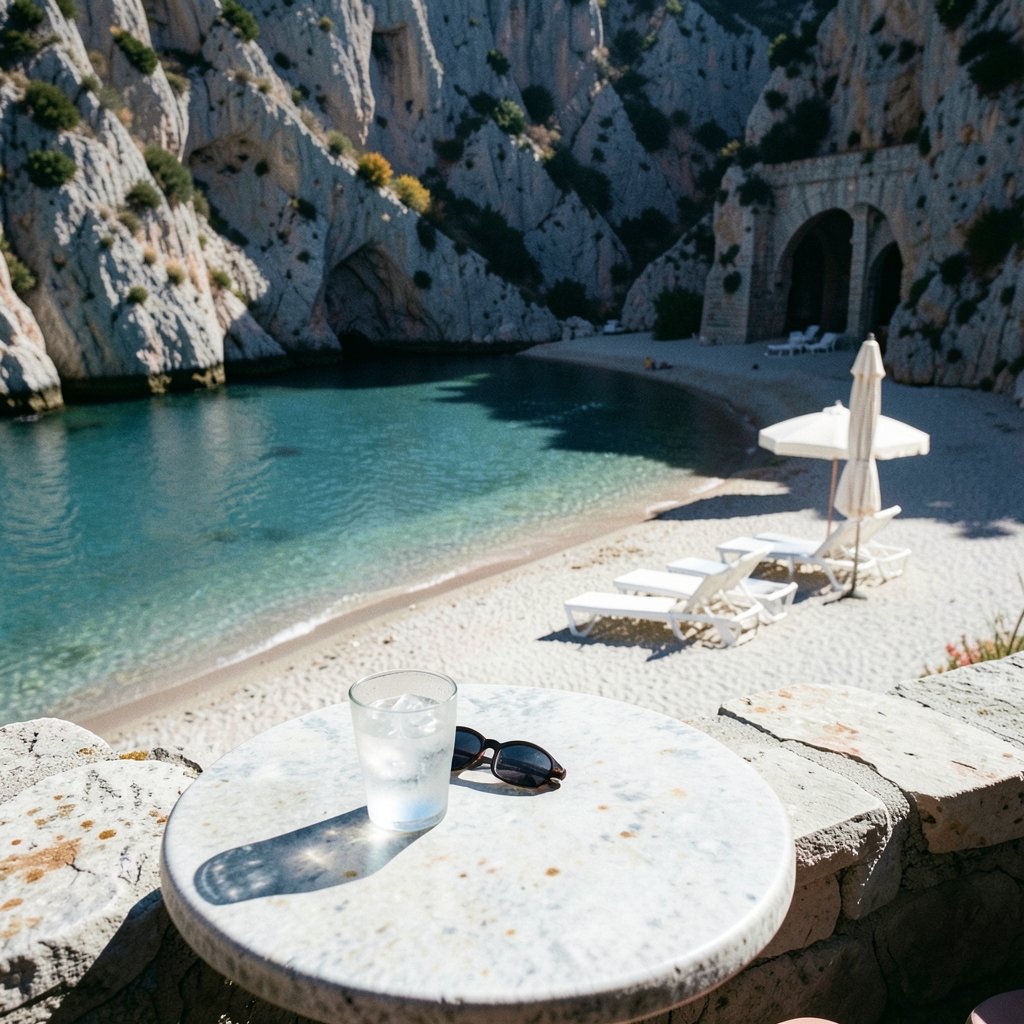
Malta combines historic cities with glorious sea caves and clear Mediterranean water. It pairs easily with a longer Italy trip, since the two are close neighbors.
What it does well: It delivers beach time, history, and boat trips without long transfers. English is widely spoken, which makes it an easy first stop for beginners.
The real limitation: It is small, and a rushed itinerary can make it feel like a checklist. Give it at least four nights.
Practical tip: Book a boat trip to the sea caves early in your stay. Weather can cancel sailings later in the week.
10. Albania
Who it suits: Budget-conscious travelers who want an uncrowded European coast.
Albania has emerged as one of Europe’s more interesting under-the-radar destinations, with a distinctive culture shaped by centuries of history and tradition. Uncrowded cobbled streets and remote landscapes are part of the appeal.
What it does well: Value and authenticity. You can hike remote terrain and eat well for far less than in Western Europe.
The real limitation: Infrastructure is uneven outside major centers. Allow extra time for transfers and confirm transport in advance.
Practical tip: Split your trip between the coast and the mountains. The two halves feel like different countries.
How to Choose Among These Destinations
Start with the constraint that matters most: time. If you have five days, pick one region and stay there. Athens plus an island, or Florence plus Cinque Terre, works far better than three capitals in a week.
Next, match the season. Southern Europe in July and August means heat and crowds. Northern destinations like Svalbard are seasonal by design, with the polar night running from mid-November to mid-January. Shoulder months give you the best balance almost everywhere.
Then decide between cities and landscapes. If you want museums and restaurants, Florence and Athens win. If you want water, ice, and wildlife, Svalbard and Plitvice deliver. If you want both, Croatia and Portugal let you mix coast with culture.
Finally, be honest about budget and logistics. Albania and Alentejo reward independent travelers with a car. Svalbard and Neuschwanstein reward planners who book ahead. Neither approach is wrong, but mixing them up causes most first-trip frustration.
One practical habit that saves real money and stress: book the single most popular site on your list first, then build the rest of the trip around that date. Timed-entry attractions drive the whole itinerary in places like Granada, and working backward from them prevents the classic mistake of arriving in a city on the one day your must-see is sold out. Marianoiduba.com covers destination planning in more depth if you want to build a multi-country route around these stops.
Conclusion
The best place to visit in Europe is not a single answer. It is the destination that matches your pace, your season, and your tolerance for crowds. Granada rewards the planner, Svalbard rewards the adventurer, Alentejo rewards the driver with time to spare, and Cinque Terre rewards anyone willing to lace up boots.
Pick two or three from this list, check the seasonal caveats, and book the headline attraction before anything else. That single habit separates a smooth trip from a stressful one, and it costs nothing but a little foresight.
FAQ
When is the best time to visit southern Europe?
Spring and early autumn are the sweet spots. Athens, for example, is far more comfortable from March to May and from September to November, when the summer heat eases and the major sites are less punishing to climb.
How many days do I need for Cinque Terre?
Two to three nights is enough to walk between villages, swim, and eat well. More than that suits travelers who want to hike the longer inland trails rather than just the coastal sections.
Is Svalbard worth visiting in winter?
Yes, if you want the polar night experience. From mid-November to mid-January the sun does not rise, and dogsled or snowmobile excursions run under aurora-filled skies. Just expect extreme cold and high costs.
Do I need a car for Alentejo in Portugal?
Practically speaking, yes. The region’s medieval villages and wineries are spread out, and public transport will not get you to the places that make the area worth visiting.
What is the single biggest mistake first-time Europe travelers make?
Overpacking the itinerary. Trying to cover three countries in a week usually means spending most of it in transit. One region, seen properly, beats five cities seen from a train window.
Which destination on this list is best for families?
Plitvice Lakes is the strongest family pick. The boardwalks are manageable for most ages, the waterfalls are immediately impressive, and no technical hiking is required. Arrive early to avoid the midday crush.