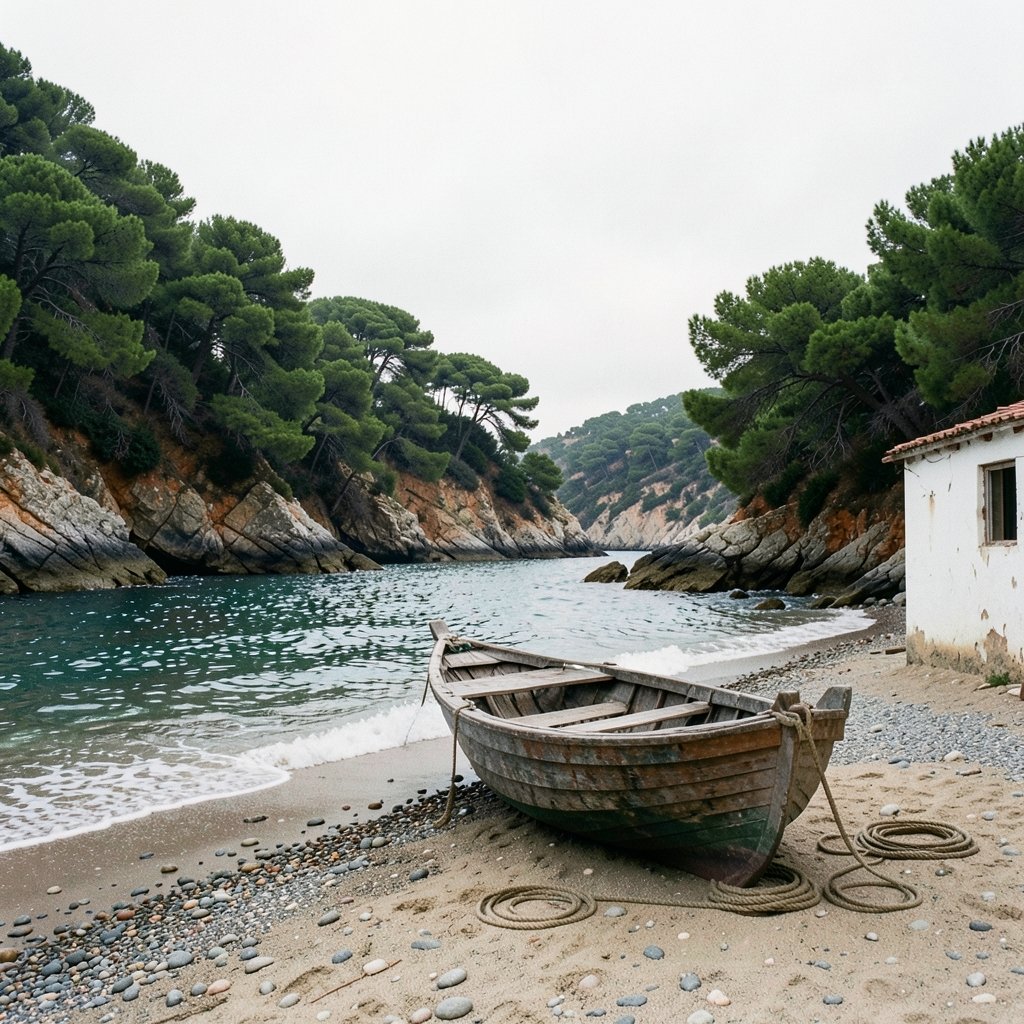
What if the best beach of a Barcelona trip isn’t in Barcelona at all? Ask anyone who lives in the city and you’ll hear the same thing: the nine crescent-shaped beaches lining the waterfront, Barceloneta included, were built ahead of the 1992 Olympics, and they fill up fast on a summer weekend. They work fine for a midday swim. They don’t deliver the coves, cliffs, and fishing-village character that make the Catalan coast memorable.
That’s why day-trippers head out of town. The Mediterranean coastline of Catalonia runs roughly 360 miles from the French border down to the Ebro Delta, and much of it is reachable by train. Below are eight named options, each with who it suits, what it does well, and one honest limitation. No filler entries.
The Shortlist at a Glance
| Beach | Best for | Travel from Barcelona | Main limitation |
|---|---|---|---|
| Barceloneta | A quick swim with zero planning | 15 minutes by metro (L4) | Extremely crowded in summer |
| Castelldefels | The easiest full beach day | About 20 minutes by train | Town itself is unremarkable |
| Garraf | Scenery and calm water | About 30 minutes by train | Small beach, limited space |
| Sitges | The best all-round day trip | About 35 minutes by train (R2) | Busy during festival weekends |
| Tarragona | Beach plus Roman history | Regional train, longer ride | Not a pure beach destination |
| Blanes | A coastal town stop | Train along the coast | Can get busy in peak season |
| Tossa de Mar | Medieval walls over turquoise water | Bus or car recommended | Harder to reach by rail |
| Costa Brava coves | Snorkeling and hidden sand | Car or organized tour | Few facilities, rocky access |
Barceloneta: The Convenient One
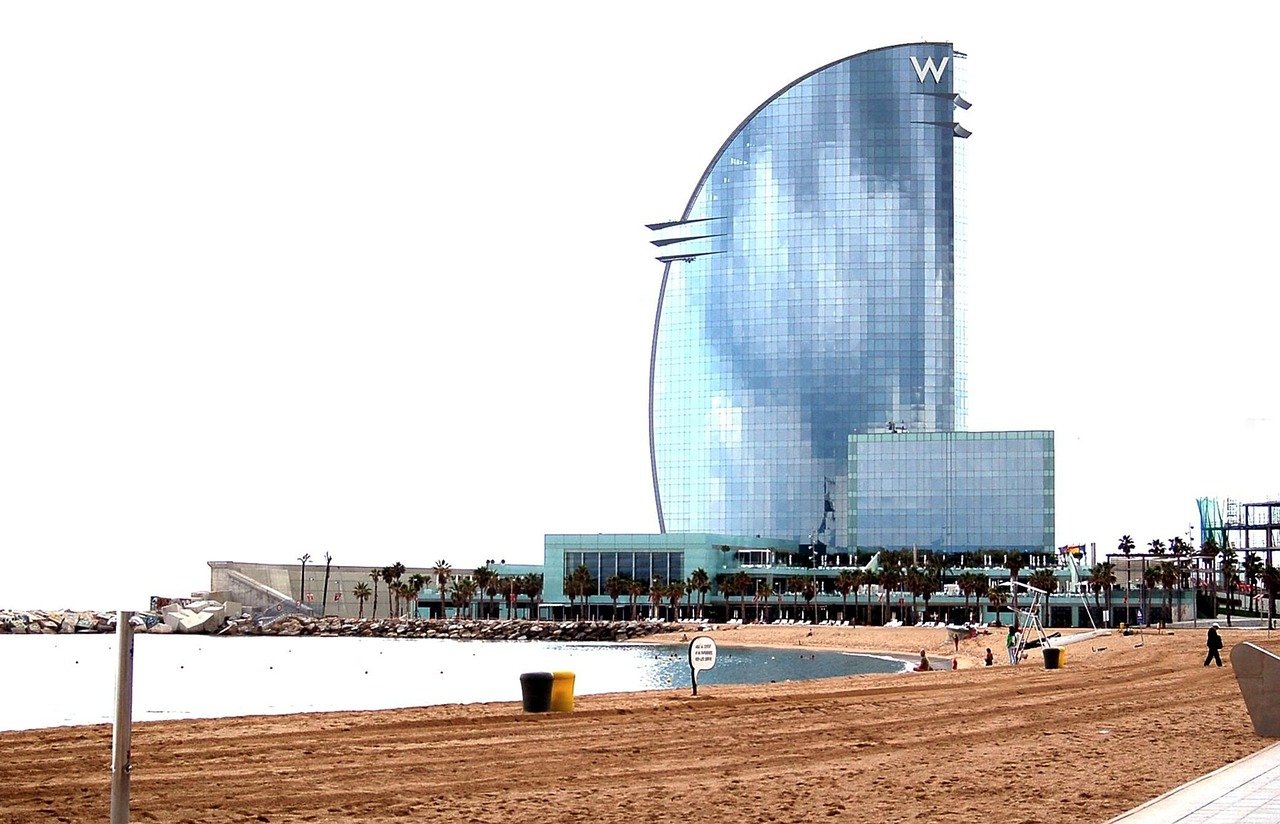
Barceloneta is the beach almost every visitor sees first, and there’s no shame in that. It sits directly along the historic neighborhood of the same name, and the L4 metro line drops you there in about 15 minutes from the city center. For a quick glimpse of the sea, an evening walk, or a nap on the sand between museum visits, nothing beats it on convenience.
The limitation is real, though. In summer, especially on weekends, it gets so crowded that finding a spot on the sand becomes genuinely difficult. Locals largely skip it. Treat Barceloneta as your warm-up act, not your main event.
Castelldefels: The Least Planning Required
If the goal is a beach day with the smallest possible amount of thinking, Castelldefels wins. It’s about 20 minutes from the city by train, the sand is wide, and the water stays calm. It delivers exactly what it promises.
What it doesn’t promise is charm. The town isn’t the prettiest on this list, and nobody is going to write poetry about the backdrop. But for families, late risers, and anyone traveling with people who hate logistics, that trade is a good one.
Garraf: The Picture-Perfect Stop
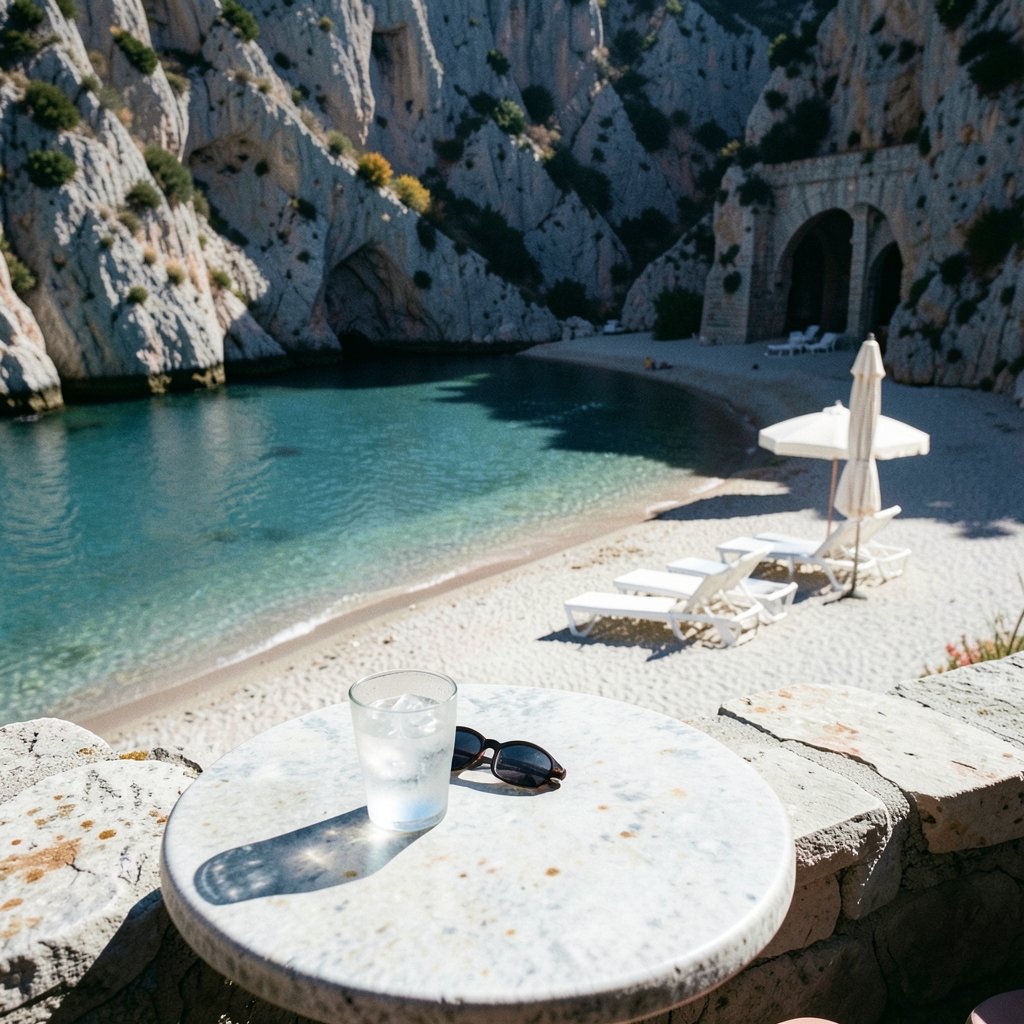
Garraf Beach, or Platja del Garraf in Catalan, is the one that makes people put their phone down mid-photo. Fine sand, calm water, and soaring mountains rising directly behind the shoreline create a setting that feels a world away from the city, even though it’s only about 30 minutes south by train.
The catch: it’s a small beach, and word has gotten around. Arrive early in high season or you’ll be negotiating for towel space. It’s also ensconced between a parking area and the hillside, so don’t expect a long promenade to stroll. Go for the swim and the view, not for the amenities.
Sitges: The Best All-Rounder
For most travelers, Sitges is the answer. It combines two long sandy beaches with a postcard old town of whitewashed houses, churches, and tapas bars, and the R2 train from Passeig de Gràcia gets you there in about 35 minutes. A round trip runs roughly 9.10 EUR, which makes it one of the better-value day trips on this coast.
Each beach in Sitges has its own personality. Platja de Sant Sebastià is family-friendly and right in town. Platja de la Fragata sits in front of the church and is the photo-iconic one. Platja d’Aiguadolç is quieter, near the marina. Platja de la Bassa Rodona is the LGBTQ+ friendly stretch. Sitges is also the most LGBTQ+ welcoming destination in Spain, with the town’s pride flag flying year-round and a major Carnival in February.
The practical tip that actually works: plan a half-day on the beach plus a long lunch in the old town, rather than trying to squeeze in both Sitges and another stop. The town rewards staying after the sand. Its limitation is simply popularity. On festival weekends and peak summer Saturdays, the trains and beaches both fill.
Tarragona: The Day Out With a Roman Bonus
Tarragona is the pick for anyone who gets bored after two hours on a towel. The Roman amphitheatre sits above the sea, the UNESCO-listed old town is worth wandering, and there’s a covered market and a beach below the historic center. It’s the most interesting full day out on this coast, and if you’re only going once, it gives you the most to talk about afterward. (Elon musk net worth 2026)
The honest limitation: the train ride is longer than the others here, and the beach itself isn’t the star. Come for the combination, not for pure sand quality.
Blanes: A Coastal Town on the Costa Brava
Blanes marks the point where the coast turns wilder, and it earns its place for gorgeous coastal scenery and a proper town behind the beach. It’s reachable by train along the coast, which makes it a realistic day trip rather than an expedition.
The limitation is seasonal crowding. As the first major town on the Costa Brava run, it absorbs a lot of summer traffic. Go midweek if you can.
Tossa de Mar: The Photograph You’ve Already Seen
Tossa de Mar pairs a stunning medieval fortress with some of the Costa Brava’s most beautiful beaches. The 12th-century Vila Vella old town towers over a perfect horseshoe bay, and its stone walls and towers frame views over clear Mediterranean water. The main beach offers golden sand and calm water that’s good for swimming and snorkeling, and a scenic coastal path leads to hidden coves where rocky cliffs meet turquoise water.
Narrow streets in the old town hide local restaurants and artisan shops, so the day works even if the weather turns. The limitation is access. This is a bus-or-car trip rather than a simple train hop, and in summer the road traffic can eat into your beach time. Leave early.
The Costa Brava Coves: For Snorkelers and Solitude Seekers
Beyond the named towns, the Costa Brava’s small coves are where the coast shows off. Clear water, rocky entry points, and far fewer people define the experience. If you want to enjoy the sea in something closer to solitude, this is where you find it.
The trade-offs are practical. Facilities are minimal, access often involves a walk down (and back up) a rocky path, and you’ll want water shoes. A car or an organized tour makes the logistics far easier than public transport.
How to Choose
Work backward from what you actually want:
- Want zero planning and a quick swim? Stay in the city and use Barceloneta, ideally early morning or evening.
- Want the easiest real beach day? Take the train to Castelldefels.
- Want the best overall day out? Book Sitges, and build in lunch.
- Want scenery over convenience? Garraf, then Blanes.
- Want culture with your sand? Tarragona.
- Want the postcard? Tossa de Mar, with an early start.
- Want quiet water and a mask? Head for the Costa Brava coves.
A few things that trip people up in practice. First, many of these beaches are Blue Flag certified, which means they meet strict environmental and safety qualifications, but it doesn’t mean they have lifeguards on every stretch year-round. Second, the train is almost always faster and cheaper than driving in summer, except for Tossa de Mar and the coves. Third, June is the first genuinely comfortable swimming month for most people, with water reaching 20 to 22°C by late June, and beaches start filling on weekends. August is the busiest and hottest; late September lets you combine culture and coast without the crush.
One date worth planning around, or avoiding: Sant Joan on June 23 is the defining Barcelona beach event of the year, with bonfires along every accessible beach and fireworks fired from beach parties. Barceloneta and the city beaches become extremely crowded from late evening, and public transport to the city beaches is difficult that night, so walking or cycling is the smarter move. Sitges and Castelldefels hold their own bonfire celebrations if you want the atmosphere with slightly more breathing room. (Elon Musk Net Worth (2025): Mariano Iduba Explains His Fortune)
Conclusion
The best beaches near Barcelona aren’t a secret, but the right one for you depends on a single question: are you optimizing for ease or for payoff? Barceloneta and Castelldefels win on ease. Sitges wins on the complete package, Garraf on scenery, Tarragona on substance, and Tossa de Mar on sheer beauty. Pick one, leave early, and let the train do the work. The Catalan coast has been doing this for a long time, and it rarely disappoints anyone who gives it a full day rather than a stolen hour.
Frequently Asked Questions
Which beach near Barcelona is easiest to reach without a car?
Castelldefels is the simplest option, at about 20 minutes by train from the city with a wide, calm beach. Sitges, roughly 35 minutes on the R2 line, is the best all-round choice if you want a real town as well as sand.
Is Barceloneta worth visiting, or should I skip it?
It’s worth a visit for convenience, since the L4 metro gets you there in about 15 minutes. But it gets extremely crowded in summer, especially on weekends, so most people treat it as a quick swim rather than a full beach day.
How much does a beach day trip from Barcelona cost?
Train fares vary by destination. A round trip to Sitges runs about 9.10 EUR, which makes it one of the better-value options on the coast. Check current fares before you travel, since prices change.
Which beach is best for families?
Castelldefels is the low-stress pick, with calm water and a short train ride. Within Sitges, Platja de Sant Sebastià is the family-friendly beach in town.
Can I reach the Costa Brava beaches by public transport?
Blanes is reachable by train along the coast. Tossa de Mar and the smaller Costa Brava coves are easier by bus, car, or organized tour, and summer road traffic can be heavy, so start early.
When is the best time to visit the beaches near Barcelona?
June is the first genuinely comfortable swimming month for most people, with water reaching 20 to 22°C by late June. Late September offers warm conditions with fewer crowds, while August is the busiest and hottest. Avoid Sant Joan on June 23 unless you want the bonfires, since city beaches become extremely crowded and transport is difficult.
If you’re staying overnight rather than day-tripping, consider basing yourself in Sitges for two or three nights: you get the beaches at their quietest in the early morning, the old town in the evening, and easy train access back to Barcelona whenever you want it. Wherever you land, check the local flag system on arrival, carry water, and remember that the train back to the city runs late enough that a sunset swim doesn’t have to be the end of the day.