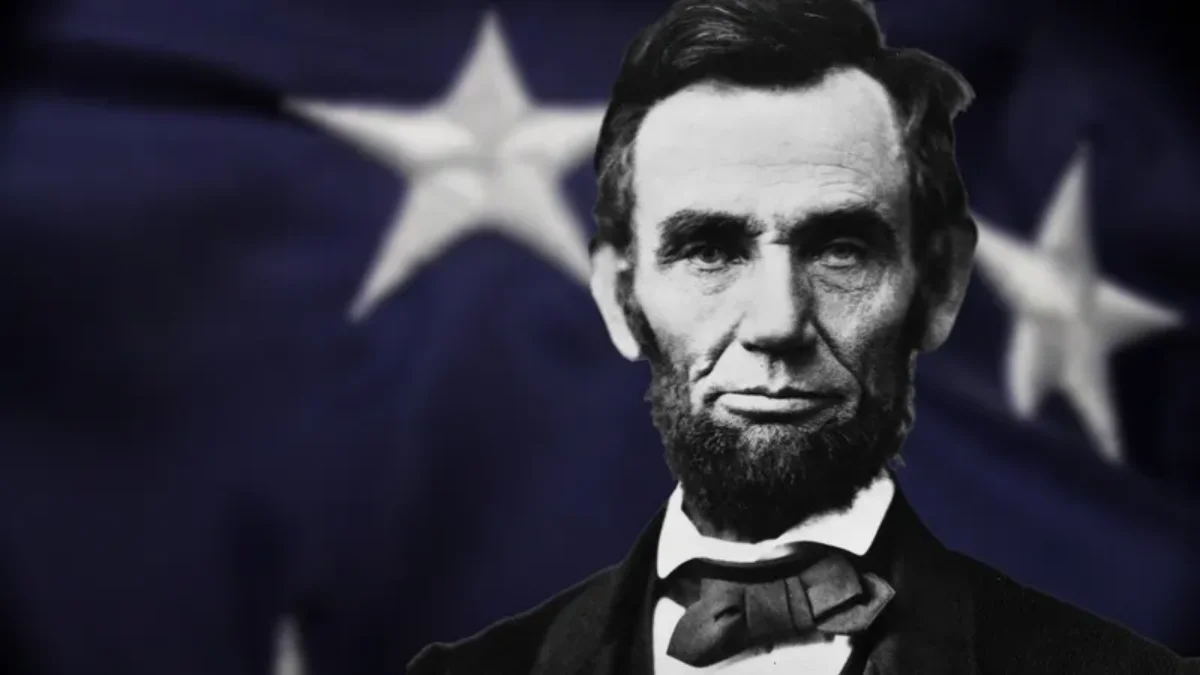
Abraham Lincoln rose from poverty to become America’s 16th president without formal education. He taught himself law, worked eight different jobs, and ultimately ended slavery while preserving the United States. Abraham Lincoln’s biography for students reveals how his honesty and determination changed the nation forever. His Gettysburg Address remains the most famous speech in American history, inspiring people about equality and democracy.
Did you know a boy with almost zero education became the greatest president America ever had? That’s Abraham Lincoln’s biography for students a story about rising from nothing to everything. It reveals an incredible truth: the man who saved America couldn’t afford school.
Born in a one-room log cabin with a dirt floor, Lincoln never attended high school. Yet he became the 16th president and changed the nation forever. His achievements shaped America, and his story proves that your circumstances don’t define your destiny.
Quick Facts About Abraham Lincoln: Biography for Students at a Glance
| Fact | Details |
|---|---|
| Born | February 12, 1809, Kentucky |
| Died | April 15, 1865 |
| President | 16th President (1861-1865) |
| Height | 6 feet 4 inches (tallest president) |
| Nickname | “Honest Abe” |
| Main Achievement | Ended slavery & saved the United States |
| Famous Speech | Gettysburg Address (272 words) |
Who Was Abraham Lincoln? A Short Biography
Lincoln grew up dirt poor in Kentucky. His parents couldn’t read. His mother died when he was nine. Yet look what happened:
- No fancy school: Lincoln never went to real school, but he read everything he could find
- Worked hard: He split rails, worked on farms, and learned from doing
- Self-taught genius: By 21, he could read, write, and do math
- Stayed honest: People called him “Honest Abe” because he always told the truth
- Kept learning: He taught himself law and became a successful lawyer
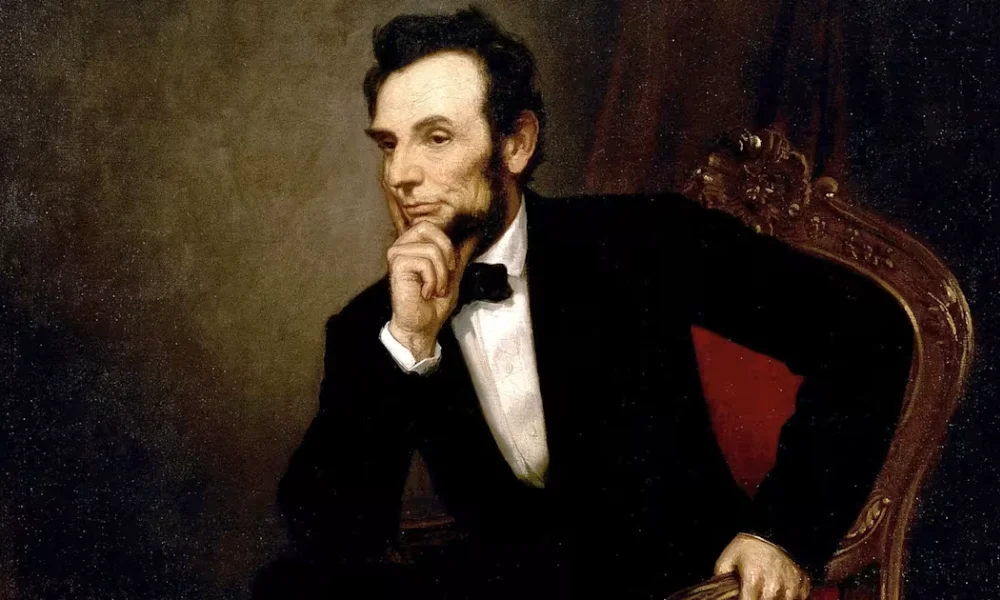
Abraham Lincoln’s short biography shows us that where you start doesn’t decide where you end up. Your choices do.
Eight Jobs Before Becoming President
Before Abraham Lincoln’s life story took him to the White House, he tried many jobs. Each one made him stronger and smarter.
Job Timeline:
- Rail-splitter (1829): Split wood for fences; earned his tough reputation
- Flatboat worker (1828): Traveled down the Mississippi River; saw slavery up close
- Store clerk (1831): Worked in a general store; learned about people
- Militia captain (1832): Led soldiers in a war; gained confidence
- Postmaster (1833): Delivered mail; stayed connected to the community
- Surveyor (1834): Measured land; improved his math skills
- Legislator (1834): Entered politics while studying law
- Lawyer (1836): Built a successful law practice; earned respect
By working so many jobs, Lincoln understood ordinary people better than any other politician. When voters met him, they already trusted him.
Abraham Lincoln’s Life Story: The Lawyer Years
Here’s something crazy, Lincoln never went to law school. Not one day. Instead, he borrowed law books and taught himself.
In 1836, he passed his law exam and opened an office in Springfield, Illinois. His law partner was William Herndon, and together they built something amazing. Lincoln didn’t get rich doing fancy legal work for the wealthy. Instead, he helped farmers, shopkeepers, and ordinary people.
Why People Loved Lincoln as a Lawyer:
- He explained complicated law in simple words
- He traveled to small towns instead of staying in the city
- He refused dishonest cases even if they paid well
- Juries believed him because he seemed real, not fake
- He used humor and stories to make his points stick
For 24 years, Lincoln built his reputation as “Honest Abe.” This wasn’t an accident. It was earned through thousands of honest dealings. When he finally ran for president, voters already knew his character.
Abraham Lincoln’s Biography for Students: From Lawyer to President
After years as a lawyer, Lincoln entered politics. He lost elections at first. Then in 1858, he debated Stephen Douglas across Illinois. Suddenly, people noticed him. By 1860, Republicans chose Lincoln to run for president. He won without winning a single Southern state. Southern leaders panicked. They believed Lincoln would end slavery.
Eleven states left the United States and formed the Confederacy. On April 12, 1861, the Civil War began. Lincoln’s real test had started.
Abraham Lincoln’s Achievements During the Civil War
Abraham Lincoln’s achievements during the war changed everything. The fighting lasted four years and killed over 600,000 soldiers. Lincoln never gave up, even when things looked hopeless.
What Lincoln Did:
- Kept the nation together: When the South tried to leave, Lincoln said no
- Freed enslaved people: On January 1, 1863, his Emancipation Proclamation freed millions
- Won the war: After losing battles at first, the North finally won
- Passed the 13th Amendment: This permanently ended slavery in America
- Led with wisdom: He hired his political enemies to work in his cabinet
The turning point came at Gettysburg in July 1863. After three days of fighting, over 51,000 soldiers lay dead or wounded. The South lost, and never recovered. After Gettysburg, everyone knew the North would win.
The Gettysburg Address: 272 Words That Changed America
Four months after the Battle of Gettysburg, Lincoln gave a short speech. It lasted only two minutes. Yet people still memorize it today.
The Gettysburg Address started with Four score and seven years ago meaning 1776, 87 years back. Lincoln connected the founding of America to the war happening right then. He said the war tested whether a nation built on equality could survive.
The speech ended with words everyone knows: government of the people, by the people, for the people, shall not perish from the earth.
In just 272 words, Lincoln redefined why America fought. It wasn’t just about keeping the country together. It was about freedom and equality for everyone.
Abraham Lincoln’s Life Story: His Final Days
By 1865, the Civil War was ending. Confederate armies were losing everywhere. General Robert E. Lee surrendered on April 9, 1865. The United States was saved. Lincoln felt hopeful. On April 14, 1865, he went to see a play at Ford’s Theatre in Washington, D.C. That night, an actor named John Wilkes Booth shot him. Lincoln died the next morning, April 15, 1865.
He never saw his victory fully realized. He never saw the 13th Amendment officially pass. Yet his work lived on. Slavery was gone. The nation was whole again.
Why Abraham Lincoln’s Biography for Students Matters Today
Abraham Lincoln’s short biography teaches us something powerful. Great leaders don’t come from money or fancy families. They come from hard work, honesty, and never giving up. Lincoln started with nothing. He had no school, no connections, no advantages. Yet through reading, working, and staying true to his values, he became the greatest president in American history.
The Real Lessons:
- Education matters, even if you teach yourself
- Hard work beats talent every time
- Your character determines your success
- Stand up for what’s right, even when it’s unpopular
- Never stop learning
Final Thoughts
Abraham Lincoln’s achievements changed the world. He ended slavery and he saved the United States. He showed that ordinary people can do extraordinary things.
From a poor cabin to the White House, from splitting rails to leading a nation Lincoln’s story proves anything is possible. That’s why we remember him and we teach about him. That’s why Abraham Lincoln’s life story still inspires millions of students today.
His face is on the penny and the five-dollar bill. The Lincoln Memorial stands in Washington, D.C. But his real legacy is bigger than monuments. It’s the idea that one person with courage and honesty can change everything. Here at Marianoiduba.com, we believe Abraham Lincoln’s biography for students matters because it shows young people what’s actually possible.
FAQs
Who Was Abraham Lincoln and Why Is He Important?
Abraham Lincoln was the 16th president who ended slavery and saved America. Abraham Lincoln biography for students shows how he rose from poverty to greatness. He’s important because he fought for freedom and kept the nation united during the Civil War.
What Were Abraham Lincoln’s Main Achievements?
Abraham Lincoln’s achievements were three big things. First, he won the Civil War and kept America together. Second, he freed enslaved people through the Emancipation Proclamation. Third, he pushed for the 13th Amendment that permanently ended slavery. Plus, his Gettysburg Address redefined what America means.
What Jobs Did Abraham Lincoln Have Before Becoming President?
Lincoln had eight jobs before becoming president. He worked as a rail-splitter, store clerk, surveyor, militia captain, postmaster, lawyer, and legislator. Each job taught him something new. So when he entered politics, voters already trusted him because they knew his character.
Did Abraham Lincoln Go to School or College?
No, Lincoln almost never went to school. Yet he taught himself by reading borrowed books. Later, he taught himself law and became a successful lawyer. Abraham Lincoln’s life story proves that self-education works just as well as formal schooling.
What Is the Gettysburg Address and Why Do People Remember It?
The Gettysburg Address is a short 272-word speech Lincoln gave in 1863. It took only two minutes but changed how people saw America. The famous ending government of the people, by the people, for the people still inspires people today because it captures what freedom really means.