Easy Belgian recipes at home start with the dishes Belgium is famous for: mussels with fries, beef stewed in beer, a creamy stew from Ghent, and waffles that need no introduction. Belgian cooking is generous, comforting and built for sharing, and most of its classics use ordinary ingredients and patient methods.
This roundup covers five well-known dishes, each with a straightforward home method, plus the pantry basics behind Belgian cooking. No dish here needs specialist equipment, and every one tastes better served at the table, family style, with good bread and a cold drink.
Key takeaways
- Belgian cooking is generous and comforting: stews, mussels, fries, waffles and spiced biscuits.
- Moules-frites is the national dish; stoofvlees is the Flemish beef and beer stew.
- Most Belgian dishes use ordinary ingredients and slow, simple cooking.
- Brussels waffles are light and crisp; Liège waffles are dense, sweet and caramelised.
- Check mussels before and after cooking, and refrigerate leftovers within two hours.
The Belgian pantry: what to have ready
Belgian cooking leans on a small set of staples. Potatoes appear in almost every meal, whether as fries, mash or stoemp, and butter is used generously. Leeks, carrots, celery and onions form the base of soups and stews, while mustard, brown sugar and vinegar give the beef stew its famous sweet-sour balance.
Beer matters in Belgian cooking, and it is an ingredient as much as a drink. A dark Flemish brown beer goes into stoofvlees, and a white beer or a lager can go into the mussel pot.
Use a beer you would happily drink, because its flavour concentrates as the dish cooks. If you would rather not cook with beer, use beef stock with a spoonful of malt vinegar instead.
Mayonnaise is the classic sauce for fries, served in a small pot on the side, and speculoos spice — cinnamon, nutmeg, ginger, cloves and cardamom — is worth mixing in advance. Belgium has three official languages, Dutch, French and German, so many dishes have two names: stoofvlees in Dutch is carbonnade flamande in French.
Best for: a well-stocked start — potatoes, butter, onions, mustard, brown sugar and a bottle of dark Belgian beer.
Moules-frites: mussels with fries
Moules-frites is often called Belgium’s national dish, and it is the simplest on this list. Fresh mussels are steamed in a large pot with onion, celery and a splash of white wine or beer until they open, then served in the pot, with a bowl of crisp fries and mayonnaise on the side.
To make it at home, scrub a kilogram of mussels and pull off the beards, discarding any with cracked shells or any that stay open when tapped. Melt butter in a large pot, soften a chopped onion and two sticks of celery, add the mussels and a glass of white wine, then cover and steam for about five minutes, shaking the pot once or twice. Serve as soon as the shells have opened, with fries fried twice until crisp.
Mussels are best from autumn to early spring, when they are in season. An empty shell makes a handy pair of tongs for picking out the rest.
Best for: a Friday-night supper — fast, generous and made for sharing at the table.
Stoofvlees: Flemish beef and beer stew
Stoofvlees, also called carbonnade flamande, is the beef stew of Flanders, cooked all over Belgium. Chunks of beef are browned, then simmered slowly in dark beer with onions until the meat is tender and the sauce is thick, sweet and dark. A slice of bread spread with mustard is laid on top as it cooks, and it melts into the sauce and thickens it.
To make it at home, brown about 800 grams of stewing beef in batches in a heavy pot, then set it aside. Soften three sliced onions in butter until golden, add a spoonful of brown sugar and a splash of vinegar, then return the beef with a bottle of dark Belgian beer and enough stock to cover. Lay a slice of bread spread with mustard on top, cover, and simmer gently for two to two and a half hours.
Serve stoofvlees with fries, boiled potatoes or stoemp, and a spoonful of mustard on the side. It improves if it rests overnight in the fridge and is reheated the next day.
Best for: a slow Sunday — the pot does the work while you get on with the day.
Waterzooi: the creamy stew of Ghent
Waterzooi comes from Ghent, a city in Flanders, and it is thinner than most stews and richer than most soups. Pieces of chicken or fish cook gently in broth with potatoes, leeks, carrots and celery, and at the end cream and egg yolk make the broth smooth and pale gold. Early versions were made with river fish, but chicken is the form most commonly served today.
To make it at home, simmer chicken thighs in stock with sliced leeks, carrots, celery and potatoes for about forty minutes, until the chicken is cooked through and the vegetables are tender. Lift out the chicken, whisk egg yolks with cream and a ladle of hot broth, and stir the mixture back into the pot off the heat, so the sauce thickens without scrambling. Return the chicken, warm it through gently, and serve in deep bowls with bread.
The key is patience at the end: the pot should never boil once the cream and yolk are in, or the sauce will split. Keep the heat low and stir slowly.
Best for: a gentle family supper — mild, creamy and kind to uncertain appetites.
Belgian waffles: Brussels and Liège
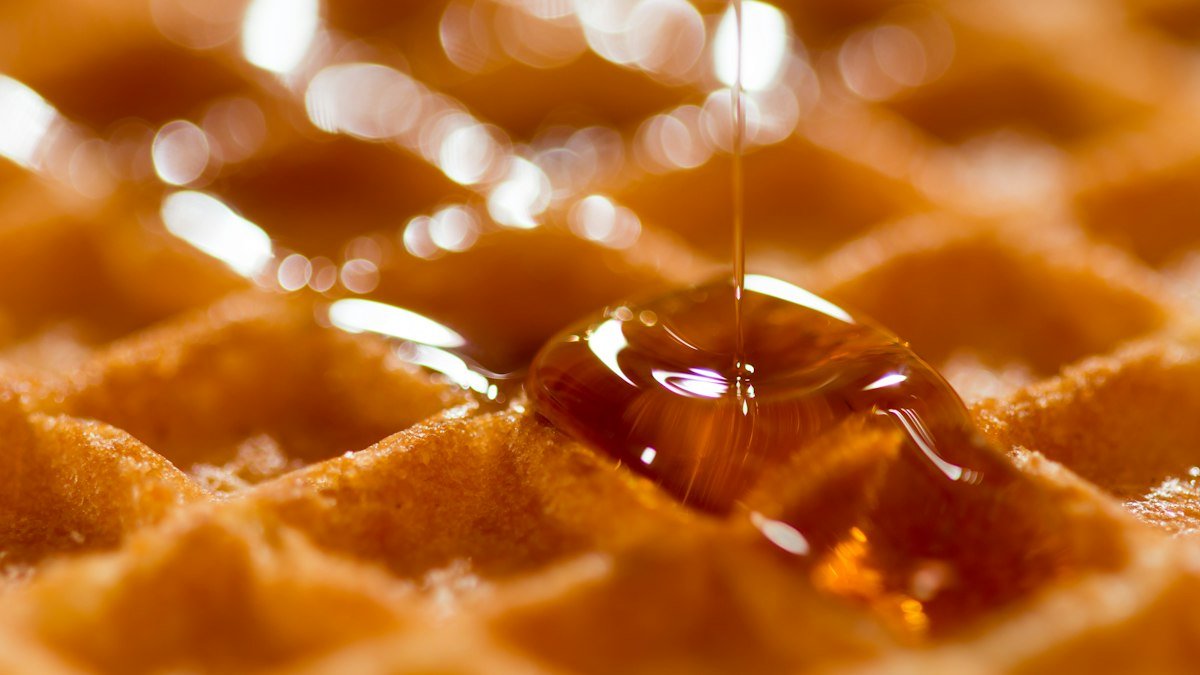
Belgium has two famous waffles, and they are quite different. The Brussels waffle is rectangular, light and crisp, made from a yeast batter with deep pockets, and in Belgium it is dusted simply with icing sugar. The Liège waffle is smaller, denser and chewy, made from a rich yeast dough like brioche, with nuggets of pearl sugar that caramelise against the hot iron.
For Brussels waffles, whisk a batter of flour, milk, eggs, melted butter, yeast and a pinch of sugar, leave it to rise for about an hour, then cook in a hot waffle iron until golden and crisp. Serve with icing sugar, or with cream and fruit. For Liège waffles, make a soft dough with flour, yeast, milk, eggs, butter and pearl sugar, leave it to rise, divide it into balls and cook until the sugar caramelises and the outside turns crisp and dark golden.
Belgian-style waffles were shown at Expo 58 in Brussels and became a hit in America after the 1964 New York World’s Fair. At home, the Liège version is the easier of the two to get right, because the dough is forgiving.
Best for: a weekend breakfast — Liège waffles for a sweet treat, Brussels waffles for a lighter start.

Speculoos: spiced biscuits for Saint Nicholas
Speculoos are thin, crisp, warmly spiced biscuits, traditionally baked for Saint Nicholas Day on 6 December, but now enjoyed all year round and served with every coffee in Belgium. They are flavoured with caramelised sugar and a spice mix of cinnamon, nutmeg, ginger, cloves and cardamom, and often pressed in wooden moulds with pictures such as Saint Nicholas.
To make them at home, cream butter with brown sugar, then mix in flour, the spice blend, a pinch of baking powder and a little milk to bring the dough together. Chill the dough for at least an hour, roll it thin, cut it into rectangles or press it into moulds, and bake until the edges are deep golden. They crisp further as they cool.
Speculoos keep well in a sealed tin for two weeks, which makes them a good bake-ahead biscuit. Crushed speculoos also make an excellent base for cheesecake.
Best for: baking ahead — a tin of speculoos keeps for weeks and suits coffee, cheese and dessert bases.
| Dish | From | Main ingredients | Best for |
|---|---|---|---|
| Moules-frites | All of Belgium | Mussels, onion, celery, white wine | A fast shared supper |
| Stoofvlees | Flanders | Beef, dark beer, onions, mustard | A slow Sunday stew |
| Waterzooi | Ghent | Chicken, leeks, cream, egg yolk | A gentle family supper |
| Brussels waffle | Brussels | Yeast batter, butter, icing sugar | A light weekend breakfast |
| Liège waffle | Liège | Yeast dough, pearl sugar, butter | A sweet caramelised treat |
| Speculoos | Flanders | Brown sugar, cinnamon, spices | Baking ahead for coffee |
Cooking Belgian food safely: a checklist
Belgian food is forgiving, but a few safety habits keep every dish on this list trouble free.
- Check mussels before cooking: throw away any with cracked shells, and any that stay open when tapped.
- After cooking, discard any mussels that have not opened, and never eat raw mussels.
- Simmer stews until the meat is tender all the way through, and keep the pot at a gentle bubble.
- When adding cream and egg yolk to waterzooi, take the pot off the heat.
- Cool leftovers quickly and refrigerate them within two hours of cooking.
- Reheat leftovers until steaming hot all the way through.
- Wash your hands and boards after handling raw meat, and keep raw and cooked foods apart.
- Store speculoos and waffles in a sealed tin, away from damp, so they stay crisp.
Good cooking is partly about good tools. The guide to best slow cookers covers models that handle a long, gentle stoofvlees with no attention, and the article on what a binder is in cooking explains how flour, egg and bread thicken sauces and stews. For the coffee that follows speculoos, the guide to the best Keurig coffee maker has single-serve machines.
Frequently asked questions
What is Belgium’s national dish?
Moules-frites, mussels with fries, is the dish most often called Belgium’s national dish, and carbonnade flamande, the Flemish beef and beer stew, is often named alongside it. Both are served all over the country.
What is the difference between a Brussels waffle and a Liège waffle?
A Brussels waffle is rectangular, light and crisp, made from a yeast batter and usually dusted with icing sugar. A Liège waffle is smaller, denser and chewier, made from a rich yeast dough with pearl sugar that caramelises in the iron.
Can I make stoofvlees without beer?
Yes. Use a good beef stock with a spoonful of malt vinegar and a little extra brown sugar to replace the depth the beer brings. The mustard bread, the slow cooking and the onions still give it the right character.
How do I know if mussels are safe to eat?
Buy them fresh, check them before cooking, and throw away any with cracked shells or any that stay open when tapped. After cooking, discard any that have not opened.
What is speculoos spice made of?
Speculoos spice is a warm blend of cinnamon, nutmeg, ginger, cloves and cardamom, mixed with caramelised brown sugar. Cinnamon leads the flavour, and the other spices sit behind it.
What do Belgians eat with fries?
Mayonnaise is the classic accompaniment, served in a small pot, and Belgian fry shops offer a dozen other sauces besides. Fries are fried twice, first to cook them through and then to make them crisp.
The bottom line
Easy Belgian recipes at home are about patience more than skill: a pot of mussels that takes five minutes, a stew that takes two hours, and waffles that need an hour for the dough to rise. None of them asks for fancy technique.
Start with moules-frites for a quick win, then try stoofvlees on a slow weekend and speculoos when you want the house to smell of spice. Cook the mussels carefully, refrigerate leftovers promptly, and serve everything at the table, family style.
A short safety note: never eat mussels that stay closed after cooking, keep raw and cooked foods apart, and refrigerate leftovers within two hours. If a dish smells off, throw it away rather than risking it.