What if the most stressful part of your next trip isn’t the flight, the security line, or the hotel check-in, but the bag you’re dragging behind you? A cracked shell, a wobbly handle, or a wheel that quits in the middle of Terminal 4 can turn a good trip sour fast. The good news: testing labs have put hundreds of suitcases through drop tests, abrasion tests, and obstacle courses, so you don’t have to guess.
This roundup pulls together the specific bags that keep showing up at the top of those tests, organized by who each one actually suits. Every pick below comes with one honest limitation, because no suitcase is perfect for everyone.
Quick Comparison: The Best Travel Luggage at a Glance
| Suitcase | Best for | Type | Standout strength | Main trade-off | Listed price |
|---|---|---|---|---|---|
| Away Polycarbonate Set | Most travelers | Hardside | Top maneuverability scores | No external pockets | Not stated |
| Monos Hybrid Trunk Large | Style-conscious long trippers | Hybrid hardside | Retro latching design | Heavier, lower capacity | $485 |
| Briggs & Riley Baseline Extra Large Expandable Spinner | Formal wear and long trips | Softside | Built-in garment folder | Heavy at 15.6 lb | Not stated |
| Traveler’s Choice Pagosa Large | Budget checking | Hardside | Value pricing | Less refined finish | Not stated |
| Samsonite Freeform | Occasional travelers | Hardside | Affordable, smooth wheels | Not as rugged | Not stated |
| Delsey Paris Helium DLX | Light packers on a budget | Softside | Light and affordable | Polyester less durable than nylon | Not stated |
| Béis Luggage Set of Two | Social-media-savvy packers | Mixed set | Trendy matching pair | Limited test data on longevity | Not stated |
| July Checked Expandable | Away shoppers wanting an alternative | Hardside | Direct competitor to Away | Preferred less in head-to-head testing | Similar to Away |
Away Polycarbonate Luggage Set
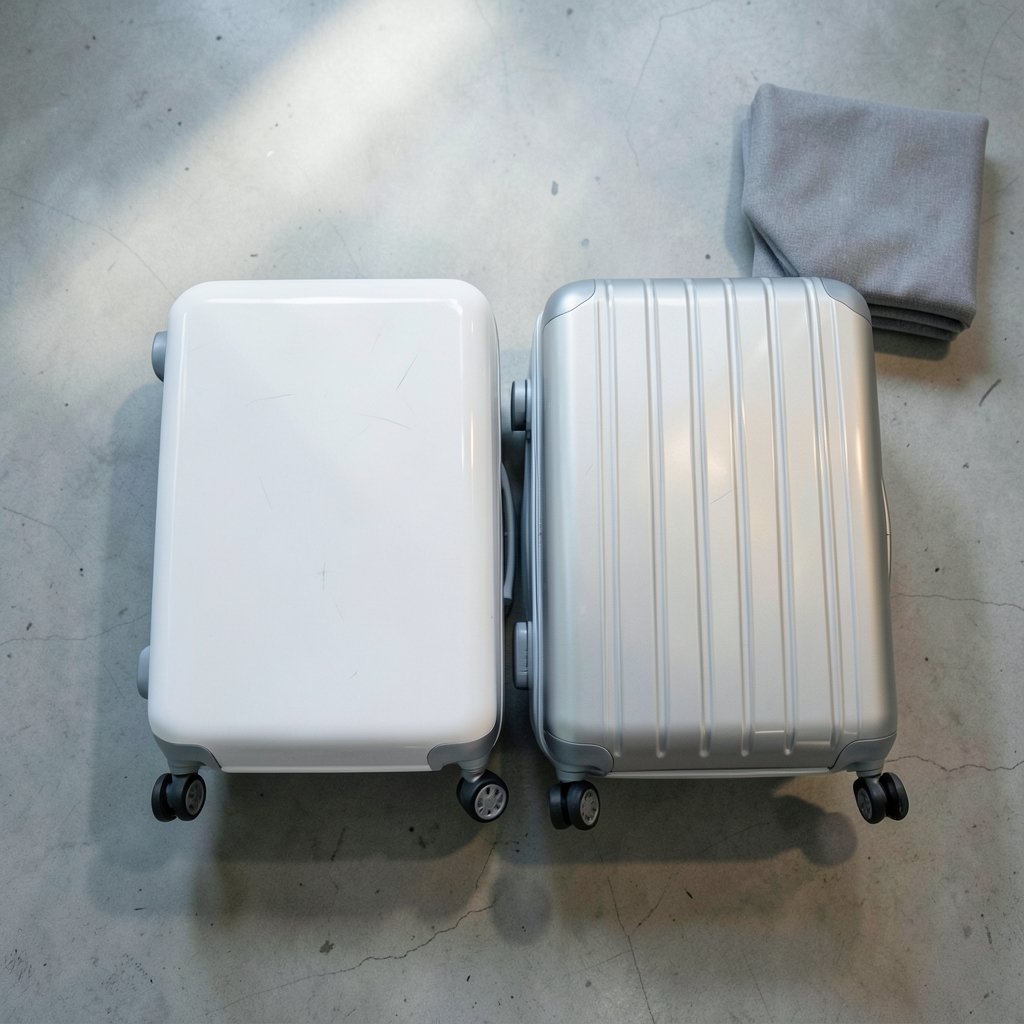
Who it suits: the traveler who wants one dependable set and doesn’t want to think about luggage again for years.
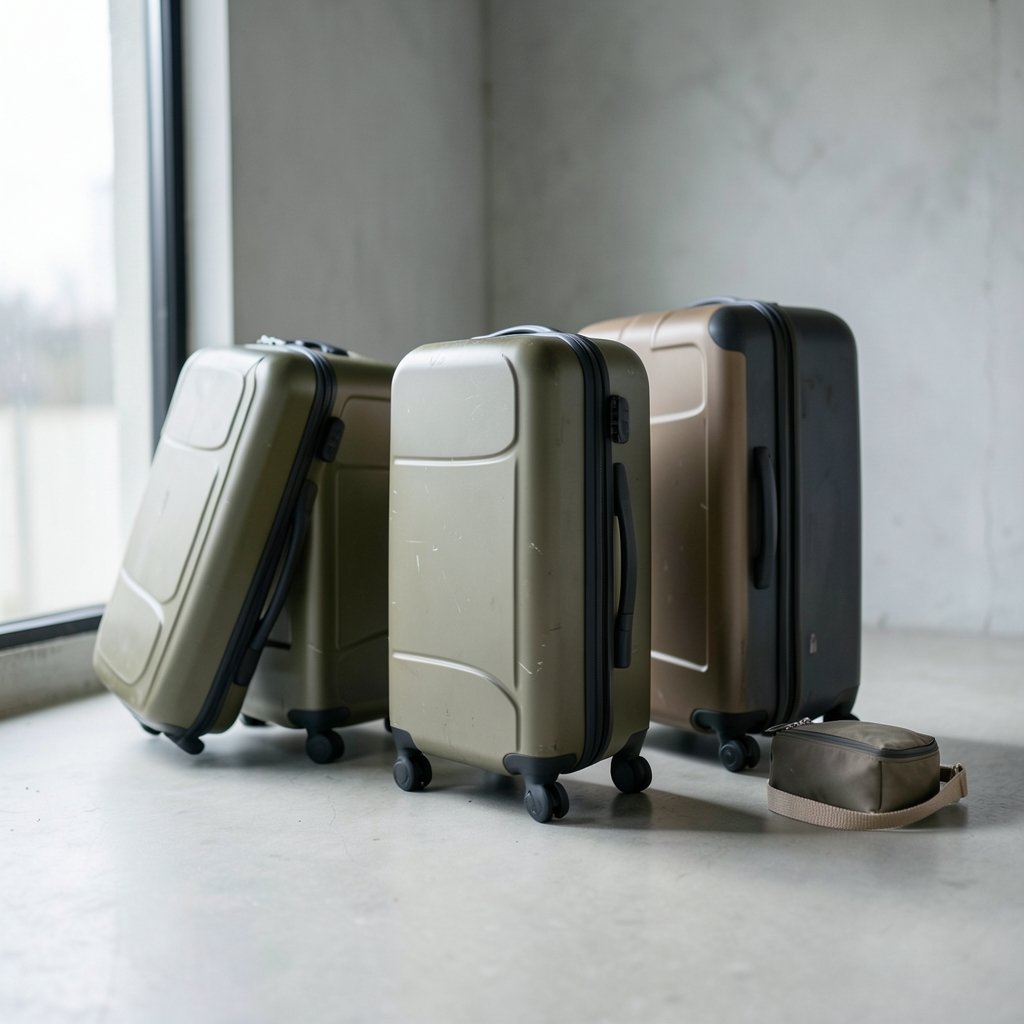
Away is the name that keeps surfacing in test after test, and for good reason. In a recent luggage comparison test, testers gave an Away bag the highest scores for maneuverability, calling it their favorite suitcase on the obstacle course. The polycarbonate shell held up well in drop tests from a set three-foot height and showed only minimal scuffs in scratch tests.
What it does well: light weight, durable shells, smooth wheels, and a clean design that works for both carry-on and checked sizes. Away also offers monograms of up to three letters for an added fee if you like a personal touch.
The limitation: like most hardside bags, the Away has no external storage pockets. Testers specifically missed having a spot to stash things you want quick access to while living out of the bag at a hotel or rental.
Price: not stated in the test results reviewed here, so check the official product page before you buy.
Monos Hybrid Trunk Large
Who it suits: travelers who want their luggage to look as considered as their outfit, and who pack for two to three weeks at a time.
The Monos Hybrid Trunk Large earned a 91 overall score in lab testing, with 9.0 marks for both ease of transport and construction quality. It pairs a polycarbonate exterior with the structure and security of an aluminum frame, which gives it a noticeably premium feel. The retro latching trunk design is genuinely distinctive in a sea of look-alike spinners.
What it does well: the frame construction adds rigidity that zippered clamshells can’t match, and the expandable design gives you slack on the return leg.
The limitation: empty, it weighs slightly above average at 11.6 pounds and offers a lower-than-average capacity of 99.2 liters. That’s still enough for a two-to-three week trip, and it keeps your packing in check so you don’t blow past the standard 50-pound checked bag limit. But if you pack bulky, light items like sweaters and winter jackets, you may wish for more room.
Price: listed at $485.
Briggs & Riley Baseline Extra Large Expandable Spinner
Who it suits: long-haul travelers, business travelers, and anyone who needs to arrive with formal wear intact.
This is the softside bag for people who check a suit or a dress and mean it. Hidden inside the lid is a built-in trifold garment folder with a hook for hangers. Unzip the bag and you get one large lined compartment plus two zippered mesh pockets for smaller items. A push-button expansion system lets you add space, then compress the bag back to standard size once it’s full.
What it does well: testers who tried a smaller model were impressed by how much fit inside, reporting way more space than expected.
The limitation: for a softside bag, it’s on the heavier side at 15.6 pounds. That eats into your weight allowance before you’ve packed a single thing.
Price: not stated in the results reviewed, so verify on the official page.
Traveler’s Choice Pagosa Large
Who it suits: the budget-conscious checker who wants a big hardside bag without paying premium prices.
The Pagosa Large appeared in lab testing as the value hardside pick, earning a 91 overall score alongside far pricier competition. It’s expandable, which matters more than people think: on a two-week trip, the difference between a bag that expands and one that doesn’t is often the difference between checking one bag and checking two.
What it does well: it delivers the core hardside benefits, including a hard shell and expansion, at a price that doesn’t sting.
The limitation: budget hardside bags generally lack the refinement of premium picks, and the overall testing consensus is that most hard-sided carry-ons priced above a certain threshold perform similarly, so you’re paying for polish rather than dramatically better protection.
Price: not stated in the results reviewed.
Samsonite Freeform
Who it suits: the occasional traveler who wants a reliable name at a reasonable price.
When testers were asked what to buy if you don’t travel that often, the Samsonite Freeform was the recommendation. It has durable materials, smooth wheels, and a clean design that mirrors many features found in pricier luggage, for roughly half the price.
What it does well: it covers the basics competently, and Samsonite’s ubiquity means service and replacement parts are easy to find.
The limitation: as testers put it plainly, it isn’t quite as rugged as premium picks. If you fly monthly, you’ll likely wear it out faster.
Price: not stated in the results reviewed.
Delsey Paris Helium DLX Softside
Who it suits: light packers who want softside convenience and external pockets without spending much.
The Helium DLX carry-on lives up to its name: it’s lightweight and comes at a surprisingly affordable price. Two external zippered pockets let you grab your phone or ID without holding up the TSA line. In abrasion testing, the brand’s polyester fabric performed well overall without major wear.
What it does well: the external pockets are the feature hardside owners most often envy, and the low weight helps on strict international carriers.
The limitation: the polyester isn’t quite as durable or substantial as nylon styles tested. It’s a fine bag, not a forever bag.
Price: not stated in the results reviewed.
Béis Luggage Set of Two
Who it suits: travelers who found their luggage on Instagram or TikTok and want a matching pair that photographs well.
Béis has built a following on social media, and the two-piece set is aimed squarely at people who want coordinated bags without hunting for a matching pair themselves. Matching sets also solve a practical problem: a streamlined duo that clears airline size requirements is easier to plan around than two mismatched bags.
What it does well: the set approach means your carry-on and checked bag share the same wheels, handles, and hardware, which simplifies repairs and packing.
The limitation: the set gets attention for style more than for lab-test dominance. If maximum durability is your priority, the tested hardside picks above have more documented abuse tolerance.
Price: not stated in the results reviewed.
July Checked Expandable
Who it suits: shoppers who like the Away formula but want to compare a close rival before committing.
The July Checked Expandable is a direct competitor to Away and priced similarly. It’s expandable, which gives it an edge for trips where you bring home more than you took.
What it does well: it competes on the same fundamentals, including a hard shell and expansion, at a comparable price.
The limitation: in head-to-head testing, testers liked the Away bag better. That’s not a knock on July so much as a reminder that “similar” and “equal” aren’t the same thing.
Price: priced similarly to Away, per the test results.
How to Choose the Right Travel Luggage
Once you’ve narrowed the field, a few practical checks separate a good purchase from a regret.
- Decide hardside or softside first. Hardside shells protect fragile items and shrug off rain. Softside bags stretch, often have external pockets, and squeeze into tight overhead bins. Neither is universally better.
- Match wheels to your terrain. Four-wheel spinners mean less work for your hand, wrist, and arm on smooth airport floors because you push rather than drag. Two-wheel rollers have bigger, sturdier wheels that handle dirt roads and cobblestones better, and because the wheels don’t stick out, they stow more easily in overhead compartments.
- Weigh the bag empty. A 15.6-pound softside bag can burn a fifth of a 50-pound checked allowance before you pack anything.
- Check the vulnerable parts. Zippers, handles, and wheels are where suitcases typically fail. Construction quality determines whether you replace your bag every other year or use it for decades.
- Think about capacity versus weight limits. A 99.2-liter bag is plenty for two to three weeks, and a slightly smaller bag can actually keep you under airline weight limits.
- Consider the material. Polycarbonate is lightweight and durable. Aluminum frames add structure and security. Polyester is affordable but less substantial than nylon.
A common mistake: buying a giant checked bag because it seems like better value. In practice, oversized bags encourage overpacking and then trigger overweight fees at the counter. Another frequent error is assuming a premium price guarantees premium durability. Testers have found that most hard-sided carry-ons above a certain price perform similarly, so past that point you’re paying for design, warranty, and brand rather than dramatically tougher shells.
If you want to dig deeper into travel gear and packing strategy, more resources are available at marianoiduba.com.
Conclusion
The best travel luggage isn’t the most expensive bag or the one with the biggest social media following. It’s the one that matches how you actually travel. If you fly often and want one set to last, the Away polycarbonate set has the strongest test record for maneuverability and durability. If you check formal wear, the Briggs & Riley Baseline solves a problem no hardside bag can. If you’re on a budget, the Traveler’s Choice Pagosa and Samsonite Freeform cover the essentials without the premium markup. Pick the bag that fits your trips, weigh it empty before you buy, and check the vulnerable parts in person. Your future self, sprinting through a connection, will thank you.
Frequently Asked Questions
Is hardside or softside luggage better for travel?
It depends on how you pack. Hardside shells protect fragile items and handle rough baggage handling well, but they typically lack external pockets. Softside bags stretch, offer quick-access pockets, and fit into tighter overhead bins, but they’re often heavier and less protective. Testers note that softside bags can also be heavier than expected, which matters for weight limits.
What is the best luggage for international travel?
For international trips, size compliance matters as much as durability. Smaller carry-ons suit stricter international carriers, while a lightweight softside like the Delsey Paris Helium DLX helps you stay under weight limits. For checked bags, a durable hardside with a documented drop-test record is the safer bet.
How much should I spend on a suitcase?
There’s a point of diminishing returns. Testing has shown that most hard-sided carry-ons above a certain price perform similarly, so spending more buys design, warranty, and refinement rather than dramatically better protection. Budget picks like the Samsonite Freeform offer many premium features for roughly half the price, though they’re less rugged.
Are four-wheel spinner suitcases better than two-wheel rollers?
Not universally. Four-wheel spinners reduce strain on your hand, wrist, and arm on smooth surfaces because you push instead of drag. Two-wheel rollers handle rough terrain like dirt roads and cobblestones better, and their wheels don’t protrude, making them easier to stow in overhead bins.
How long should a good suitcase last?
Construction quality is the deciding factor. Zippers, handles, and wheels are the most vulnerable points, so a bag with well-built hardware and a quality shell can last for decades, while a cheaper bag may need replacing every other year. Check those three components before you buy.
Do luggage sets save money compared to buying bags separately?
Often, yes, and they solve a practical problem: a matching duo is designed to clear airline size requirements together and shares the same hardware, which simplifies repairs. The trade-off is that you’re locked into one brand’s sizing and features for both bags, so confirm each piece fits your typical trips before committing.