What if the best day in Chicago has nothing to do with the tourist checklist everyone hands you at the airport? The city rewards people who pick a handful of experiences and do them properly, rather than sprinting between photo spots. This roundup names nine specific options, explains who each one suits, and flags the honest drawback of each so you can build a day that fits your budget and energy.
Quick Comparison of the Top Chicago Experiences
| Experience | Best for | Standout feature | Cost signal |
|---|---|---|---|
| Skydeck at Willis Tower | Thrill-seekers, first-timers | The Ledge glass boxes at 1,353 feet | Paid; Pie in the Sky dining package available |
| 360 CHICAGO | Cocktail views, history fans | TILT platform, 94th-floor bar | Paid |
| Architecture river cruise | Photography, design lovers | Skyscraper history from the water | Around $45 per ticket |
| Art Institute of Chicago | Art lovers, rainy days | Van Gogh’s The Bedroom and more | Paid admission |
| Millennium Park and the Bean | Everyone, budget travelers | Cloud Gate, free entry | Free |
| Navy Pier | Families, evening strolls | Weekend fireworks, lakefront walks | Free to walk; attractions cost extra |
| Museum Campus | Families, full-day planners | Field Museum, Shedd Aquarium, Adler Planetarium | Paid per museum |
| Garfield Park Conservatory | Crowd-avoiders, plant people | 4.5 acres under glass, eight houses | Free |
| Chicago house music nightlife | Music fans, night owls | The genre was born here | Varies by venue |
1. Skydeck at Willis Tower
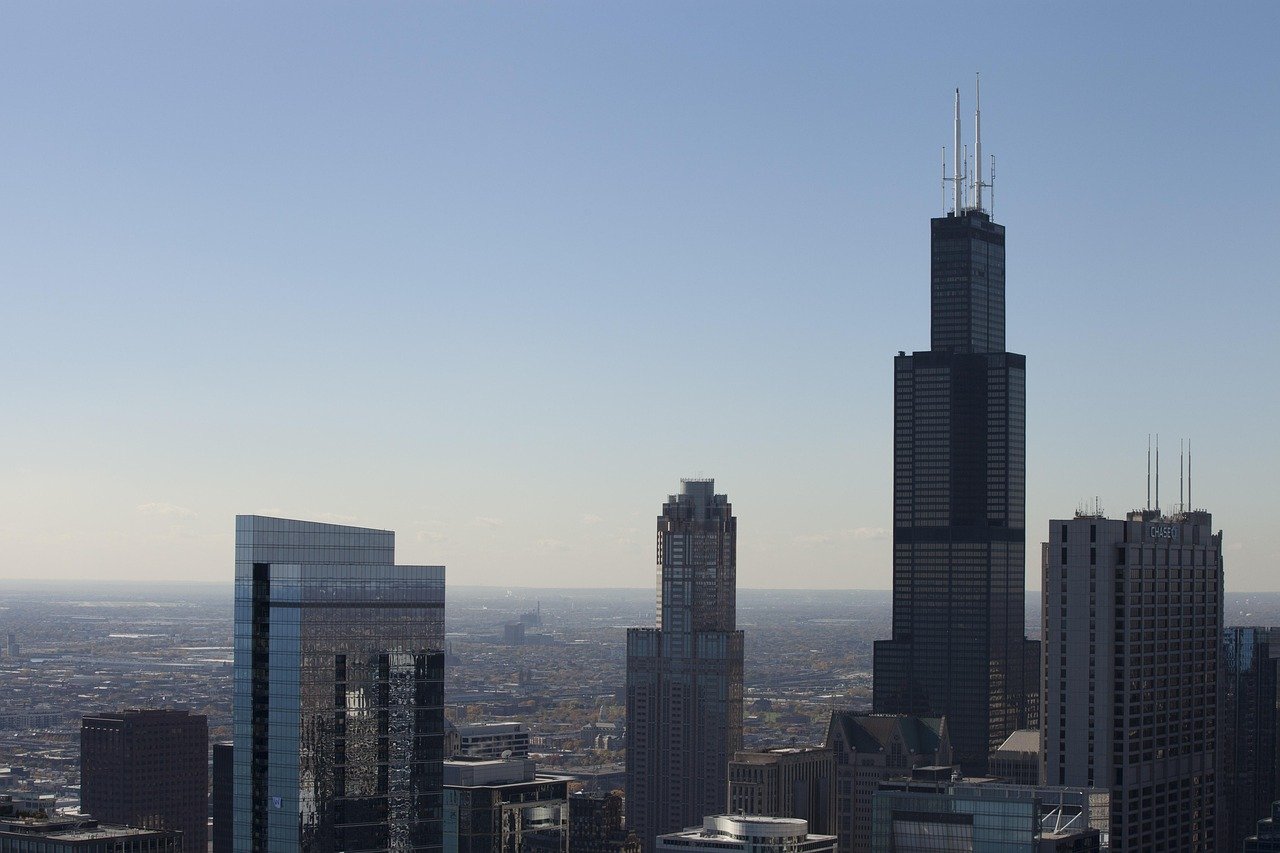
Anyone who wants to understand the scale of Chicago should start 103 stories up. The Skydeck sits on the 103rd floor of the third tallest building in the United States, and on a clear day the view stretches up to four states and 50 miles out. The main draw is The Ledge, a set of glass boxes that hang out over the building edge, 1,353 feet above the street.
It suits first-timers and anyone traveling with teenagers, because the thrill is instant and needs no explanation. The limitation is the line: clear days and sunset slots draw the biggest crowds, and standing on a glass floor is not for everyone. If you want to pair the view with a meal, the Skydeck runs a dining experience called Pie in the Sky that includes a three-course meal catered by Giordano’s.
2. 360 CHICAGO
Set atop the building formerly known as the John Hancock Center, this observatory puts you 1,030 feet above the streets on the 94th floor. The views rival the Skydeck, but the atmosphere is different: there is a bar up top, plus interactive exhibits on the city’s history.
It suits travelers who want a drink with their skyline and couples planning an evening stop. The signature attraction is TILT, a glass-enclosed platform that slowly tips riders over the side of the building at a 30-degree angle. That is also the limitation — if heights make you queasy, skip TILT and enjoy the bar instead. Budget-minded visitors should note this is a paid attraction, so compare it against the Skydeck rather than doing both.
3. Architecture River Cruise
Chicago is the birthplace of the skyscraper, and the river is the best classroom for understanding how the city rebuilt after the 1871 Great Fire. A 90-minute daytime river and lake sightseeing tour is one of the most popular formats, and the architecture-focused cruises dig into hidden details and untold stories behind the facades.
This suits design lovers, photographers, and anyone who wants context rather than just height. One practical tip that guides rarely mention: sit on the left (port) side of the boat when facing forward for the best views of the Tribune Tower, Wrigley Building, and Marina City on the main river branch heading east. The limitation is timing — weekend morning tours can sell out days in advance in summer, so book ahead. Tickets run around $45.
4. Art Institute of Chicago
At 111 S Michigan Ave, the Art Institute is the anchor of any culture-focused trip. The collection rewards slow browsing, and masterpieces like Van Gogh’s The Bedroom draw steady crowds. It suits art lovers and anyone who needs a rainy-day plan that eats up three or four hours without effort.
The limitation is scale: the museum is big enough that trying to see everything in one visit leaves you exhausted and remembering nothing. Pick two or three galleries and commit. Admission is paid, so check current hours and ticket options before you go.
5. Millennium Park and Cloud Gate
The Bean — officially Cloud Gate — is the rare icon that costs nothing. Morning light makes for dazzling photos without the crowds, which is why early risers get the best version of the experience. The park also hosts free concerts, outdoor theatre, and a farmers market on summer weekends.
It suits everyone, especially budget travelers and families who need a low-stakes win early in the day. The limitation is that midday crowds turn the plaza into a shuffle, and the reflective surface means your photo will include strangers unless you arrive early. Pair it with a lakefront stroll and you have a free half-day.
6. Navy Pier
At 600 E Grand Ave, Navy Pier is the classic family stop: fireworks on weekends, boat tours, and long lakefront walks. It suits parents with kids, groups who want options in one place, and anyone who wants a sunset stroll with snacks.
The honest limitation is that Navy Pier is tourist-heavy and the paid attractions add up fast. Walking the pier is free; everything else costs extra. Check the fireworks schedule before you build an evening around it, and treat the pier as a launch point for a lake cruise rather than the whole day.
7. Museum Campus
Three world-class institutions sit within easy walking distance on the lakefront just south of the Loop. The Field Museum holds one of the most impressive natural history collections in the country, including Sue, one of the most complete T. rex skeletons ever discovered. The Shedd Aquarium ranks among the most visited aquariums in the United States, and the Adler Planetarium sits at the peninsula’s tip with some of the best unobstructed skyline views in the city.
This suits families and planners who want one location to fill a full day. The limitation is decision fatigue and cost: three paid museums in one day is too much for most people, so pick one headline museum and use the campus grounds for the rest. If your group is deep into fandom and screen culture, it is worth knowing that Chicago’s TV footprint runs well beyond museums — the city’s on-screen history is its own rabbit hole, much like the stranger things cast draws visitors to filming lore elsewhere.
8. Garfield Park Conservatory
At 300 N Central Park Ave, this is one of the largest conservatories in the United States: 4.5 acres under glass across eight display houses, with more than 2,000 plant species. Designed by Jens Jensen in 1907 to evoke natural landscapes rather than formal botanical display, it holds plants up to 50 years old under the Palm House’s curved glass canopy, and the Fern Room is the oldest space in the building.
It suits crowd-avoiders, plant people, and anyone visiting in cold months who needs green space indoors. Admission is free, which makes it the best value on this list. The limitation is location: it sits west of the center, so it works best combined with a neighborhood food stop rather than squeezed between downtown attractions.
9. A House Music Night Out
Chicago invented house music in the 1980s, and the sound still shapes modern hip-hop and electronic artists. Going out to hear it here is not a nostalgia exercise — it is the authentic version of a genre the city gave the world. This suits music fans and night owls who want a real local night rather than a hotel bar.
The limitation is that quality varies enormously by venue and night, and cover charges differ, so check lineups before committing. If you only have one evening, choose the club over the tourist strip.
Free and Low-Cost Options Worth Knowing
Chicago is unusually generous with free experiences. Millennium Park and the Bean cost nothing, the Garfield Park Conservatory is free, and the lakefront trail is free at any hour. Free music festivals, pop-up markets, neighborhood tours, and free admission days at top museums appear on the city’s official calendar throughout the year, so check it before you finalize dates.
One practical mistake visitors make: treating free attractions as filler. The conservatory and the lakefront are genuinely among the best things to do in Chicago, not consolation prizes for a tight budget.
How to Choose What Fits Your Trip
Start with the constraint, not the wish list. If you have one day, pick one paid observatory (Skydeck or 360 CHICAGO, not both), one free anchor like the Bean, and one food experience. If you have three days, add an architecture cruise and one Museum Campus institution.
Match the plan to the season and the group. Summer weekends sell out tours days ahead, so book river cruises early. Cold-weather trips favor the conservatory, the Art Institute, and museum time. Families should weight Navy Pier and Museum Campus; couples and solo travelers get more from the cruise, the Art Institute, and a house music night.
Then check the details that trip-planning articles skip. Use the CTA’s Ventra app for transit rather than buying single fares, and confirm hours and prices on each attraction’s official page, since these change by season. A little verification beats arriving at a sold-out dock.
Conclusion
The best things to do in Chicago are not the longest list — they are the ones that match how you actually travel. Thrill-seekers should book the Skydeck or brave TILT at 360 CHICAGO. Design lovers get the most from a river cruise and the Art Institute. Families win with Navy Pier and Museum Campus, while budget travelers can build a genuinely great day around the Bean, the lakefront, and the free Garfield Park Conservatory. Pick two or three, book the timed entries in advance, and leave room for the neighborhood detours that make the city memorable.
Frequently Asked Questions
What is the single best free thing to do in Chicago?
Strolling the lakefront and exploring Millennium Park, including Cloud Gate (the Bean), costs nothing and delivers the classic Chicago experience. The Garfield Park Conservatory is also free and offers 4.5 acres under glass, making it the strongest indoor free option in cold weather.
Is the Skydeck or 360 CHICAGO better?
The Skydeck sits on the 103rd floor at 1,353 feet and features The Ledge glass boxes, which suits thrill-seekers and first-timers. 360 CHICAGO is lower at 1,030 feet but adds a bar and the TILT platform, which suits anyone who wants a drink with the view. Doing both is usually unnecessary.
How much does the architecture river cruise cost?
Tickets for the popular 90-minute daytime river and lake tour run around $45. Architecture-focused cruises are priced separately, and weekend morning departures in summer can sell out days in advance, so book ahead.
How many days do you need in Chicago?
Two to three days covers one observatory, an architecture cruise, one Museum Campus museum, and the free downtown anchors. One day is enough only if you pick a single paid attraction and keep the rest within walking distance.
What should you do in Chicago at night?
A rooftop bar for skyline views and a house music night are the two strongest evening picks. Chicago invented house music in the 1980s, so a club night here is the authentic version of the genre. Navy Pier also runs weekend fireworks, so check the schedule.
Is the Art Institute of Chicago worth visiting?
Yes, especially for art lovers and anyone needing a rainy-day plan. Masterpieces like Van Gogh’s The Bedroom anchor the collection at 111 S Michigan Ave. The catch is size: pick two or three galleries rather than trying to cover the whole museum in one visit.
What is the best Chicago experience for families?
Navy Pier and Museum Campus fit families best. The Field Museum’s Sue skeleton and the Shedd Aquarium are reliable hits with kids, and the pier offers fireworks, boat tours, and easy lakefront walks. Budget extra for the paid attractions inside the pier.