What if the difference between a good surf trip and a great one comes down to picking a break that actually matches your skill level, your budget, and the season you can travel? That question matters more than any “top ten” list admits. A world-class reef pass is a miserable first lesson. A gentle beach break is a wasted flight for an advanced surfer chasing barrels.
This roundup keeps things practical. Each entry names the spot, explains who it suits, what it does well, and one honest limitation. Then a comparison table and a short guide to choosing will help narrow the field. The picks draw on published rankings and destination reporting, including a global study that put four of the world’s top five surf spots in one country.
Comparison Table: The Best Places to Surf at a Glance
| Destination | Best for | Signature strength | Main limitation |
|---|---|---|---|
| Burleigh Heads, Australia | Intermediate to advanced | Ranked the world’s top spot in a global study | Crowds and competition for waves |
| Uluwatu, Bali, Indonesia | Advanced surfers | Long, archetypal Indian Ocean left | Reef hazards and heavy lineups |
| Rincón, Puerto Rico | All levels, especially improvers | Dense cluster of breaks in one surf town | Winter crowds and local traffic |
| Taghazout, Morocco | Beginners to intermediates | Accessible points and a deep surf scene | Rapid resort growth and crowding |
| St Ives, Cornwall, UK | Beginners and families | Different bays for different days | Cold water and inconsistent swell |
| Port Antonio, Jamaica | Newcomers and culture seekers | Welcoming community and manageable beach breaks | Smaller, less predictable surf window |
| Bundoran, Ireland | Cold-water adventurers | Genuine North Atlantic surf with rental support | Frigid water requiring thick wetsuits |
| Morro Bay, California | Crowd-averse improvers | Quieter alternative to famous breaks | Cooler water and less consistent surf |
| Honolulu’s North Shore, Hawaii | Spectators and experts | World-class winter waves and watching | Serious danger for inexperienced surfers |
| Barbados | Reef and point-break fans | Strong Atlantic-side breaks | Sharp reef and strong currents |
1. Burleigh Heads, Queensland, Australia
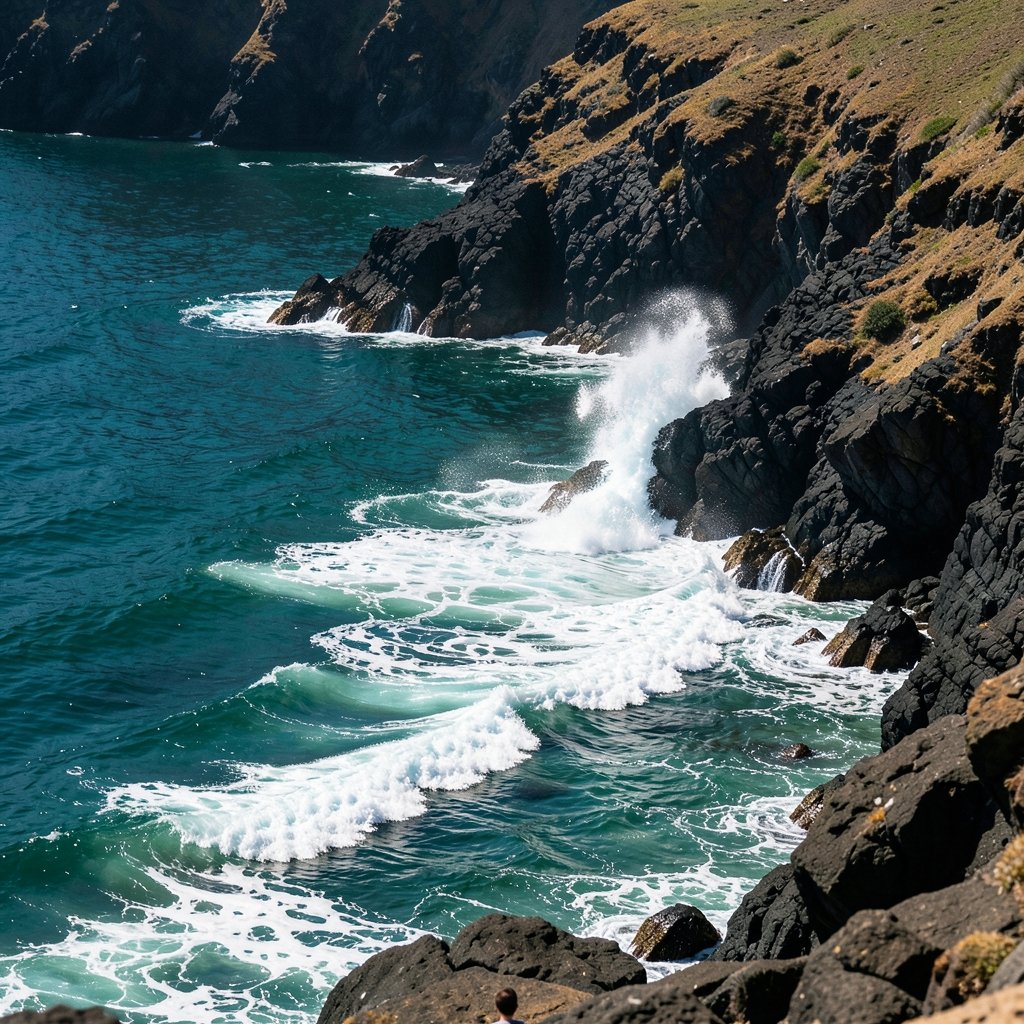
Who it suits: intermediate and advanced surfers who want a world-class point break with a town attached.
A global study released to mark International Surfing Day ranked Burleigh Heads number one, crediting it with a five-star surf rating, a water cleanliness score of 71.48, and more than 135,000 global annual searches. Australia claimed four of the top five spots in that same study, more than any other country.
What it does well: Burleigh is the northernmost breakpoint on the Gold Coast, and the exposed water funnels swell into a long, wrapping right-hander. It rewards good positioning and patience.
The limitation: fame brings a crowd. Expect a busy lineup, especially on weekends and during holidays, and be ready to wait your turn.
2. Uluwatu, Bali, Indonesia
Who it suits: experienced surfers comfortable with reef, currents, and a competitive lineup.
One editorial ranking of the 25 best places to surf describes Uluwatu as the archetypal Indian Ocean left, a limestone-clifftop wave that peels for hundreds of meters.
What it does well: the wave itself. Long walls, reliable swell exposure, and a setting that has drawn traveling surfers for decades.
The limitation: this is not a learning wave. Shallow reef, strong currents, and a fast-moving pack punish hesitation. Beginners should watch from the clifftop and paddle out somewhere gentler.
3. Rincón, Puerto Rico
Who it suits: mixed-ability groups, because one town holds a range of breaks.
Rincón sits on Puerto Rico’s northwest corner, where Atlantic swells meet the Mona Passage and produce a dense collection of breaks. The town hosted the 1968 World Surfing Championship, an event that introduced international competitors to the island’s winter waves. Well-known spots include Domes, named for the former nuclear facility dome beside the beach.
What it does well: variety. Surf shops line the roads, boards ride strapped to car roofs, and riders discuss wind direction and swell period between cafés and beaches. It functions like a classic international surf town.
The limitation: winter is the season, and everyone knows it. Book accommodation early and expect company in the water at the headline breaks.
4. Taghazout, Morocco
Who it suits: beginners and intermediates who want warm-ish water, affordable living, and a genuine surf culture.
A writer who moved to Taghazout in 2018 to surf recalls a small village where the spots were reached across dunes. Now the dunes hold five-star resorts and the spots are crowded. That growth has created jobs and facilities for local and international communities alike.
What it does well: accessible points and beach breaks within a short drive, plus a scene built around learning. The Atlantic coast of Africa, more broadly, offers shared equipment, tips, and a community spirit that travelers notice.
The limitation: the secret is out. If solitude tops your list, look beyond the main village breaks or travel outside peak months.
5. St Ives, Cornwall, United Kingdom
Who it suits: beginners, families, and anyone who wants surf without a long-haul flight.
One travel magazine names St Ives among the world’s best places to surf, specifically praising the way different bays work on different days.
What it does well: flexibility. When one beach is blown out or flat, another often isn’t. Surf schools cluster here for good reason.
The limitation: British weather. Bring a proper wetsuit, plan around swell forecasts, and treat any session as a bonus rather than a guarantee.
6. Port Antonio, Jamaica
Who it suits: travelers who want a surf lesson wrapped in food, music, and community.
The green mountains of northeastern Jamaica drop toward coves, rivers, and broad Atlantic beaches. Near Port Antonio, the center of the local scene is Boston Bay, better known internationally as the birthplace of Boston-style jerk. Local instructors rent boards and teach lessons in the bay, where beach breaks offer manageable conditions for newcomers. Surfing has been part of life here for generations.
What it does well: warmth, in every sense. This is one of the Caribbean’s most welcoming surf communities.
The limitation: the surf is modest compared with the Atlantic-facing giants elsewhere in the region. Treat it as a place to learn and linger, not to chase slabs.
7. Bundoran, Ireland
Who it suits: cold-water adventurers and surfers who like their scenery dramatic.
Bundoran sits about three hours from Dublin and attracts riders from around the world willing to test themselves in frigid North Atlantic surf. Local shops rent 6/5mm or 5/4mm wetsuits with booties, which is what makes sessions possible.
What it does well: genuine surf in an unexpected place. Cold-water wetsuit design has opened up coastlines that were once off-limits.
The limitation: the temperature. If you hate hoods, gloves, and numb fingers, this isn’t your destination.
8. Morro Bay, California
Who it suits: surfers who want a California trip without the Malibu circus.
A French travel guide recommends skipping the crowded beaches of Malibu in favor of Morro Bay, describing it as an unspoiled find roughly halfway along the coast.
What it does well: breathing room. Fewer cameras, fewer pros, more space to work on your own thing.
The limitation: the water is cool and the surf less consistent than at the state’s marquee breaks. Bring a wetsuit and low expectations, and you’ll have fun.
9. Honolulu’s North Shore, Oahu, Hawaii
Who it suits: expert surfers and anyone who wants to watch the best in the world.
January is peak season on Oahu’s North Shore, when Pipeline, Sunset, and Waimea fire on North Pacific groundswell. Even non-surfers get world-class viewing, and Oahu’s south side stays gentle.
What it does well: the highest concentration of consequential waves on earth, plus a spectator experience that needs no board.
The limitation: danger. These are not beginner waves. Watch from the sand, hire a guide if you’re unsure, and respect the lineup.
10. Barbados
Who it suits: surfers chasing strong Atlantic-side reef and point breaks.
A wall of Atlantic water rises off Barbados’s east coast, and the island’s surf map runs deeper than most visitors expect. Some breaks are gentle enough for a first lesson; others demand years of experience and local knowledge.
What it does well: variety and power in a small, easy-to-navigate island.
The limitation: reef and current. Wear protection, learn the channels, and ask locally before paddling out somewhere new.
How to Choose the Right Surf Destination
Start with your level, not the photos. A destination that suits a professional will frustrate a beginner, and a mellow beach break will bore someone chasing performance.
- Match the wave to your ability. Reef breaks and heavy points belong to experienced surfers. Beach breaks with sand bottoms are kinder for learning.
- Check the season. Swell windows vary enormously. A trip booked for the wrong month can mean flat days.
- Budget for gear. Cold-water destinations require thicker wetsuits, which many travelers rent rather than pack.
- Weigh crowds against convenience. Famous breaks come with busy lineups. Quieter alternatives trade recognition for breathing room.
- Consider the whole trip. Food, culture, and ease of travel matter when the surf goes flat.
A common mistake is booking around a single famous wave. Another is underestimating water temperature. A third is skipping lessons because a break looks gentle. In practice, one or two sessions with a local instructor shortens the learning curve more than any video.
Conclusion
The best places to surf aren’t the ones with the biggest reputations. They’re the ones that fit your ability, your tolerance for cold water and crowds, and the dates you can actually travel. Burleigh Heads earns its ranking, Uluwatu earns its mystique, and Rincón earns its status as a genuine surf town. But St Ives, Bundoran, and Morro Bay prove that great sessions happen in unlikely places too. Pick the destination that matches the surfer you are today, not the one you hope to be next season. Then book it, pack the right wetsuit, and go.
FAQ
What is the single best place to surf in the world?
A global study ranked Burleigh Heads in Queensland, Australia, as number one, citing a five-star surf rating, strong water cleanliness, and heavy search interest. Australia took four of the top five spots. That said, “best” depends on your level, so treat rankings as a starting point rather than a verdict.
Where should a complete beginner learn to surf?
Look for sand-bottom beach breaks with local instructors. St Ives in Cornwall offers different bays for different days, Port Antonio in Jamaica has welcoming instructors teaching in a protected bay, and Taghazout in Morocco pairs accessible waves with a deep surf scene.
Which surf destinations are best in winter?
January is peak season on Oahu’s North Shore, when Pipeline, Sunset, and Waimea fire on North Pacific groundswell. Puerto Rico’s winter swells also draw surfers to Rincón. Cold-water destinations like Bundoran in Ireland work year-round if you have the right wetsuit.
Is it worth surfing in cold water destinations?
Yes, if you gear up properly. Bundoran attracts surfers from around the world, and local shops rent 6/5mm or 5/4mm wetsuits with booties that make North Atlantic sessions comfortable. Cold-water wetsuit design has made previously unthinkable coastlines rideable.
How crowded are the famous surf spots?
Crowded enough to plan around. Taghazout’s spots were once reached across empty dunes and are now busy, with resorts replacing sand. Burleigh Heads and Uluwatu both draw international traffic. Quieter options like Morro Bay offer an alternative to packed California breaks.
What should I check before booking a surf trip?
Confirm the swell season for your dates, match the break type to your ability, and budget for rental gear such as thick wetsuits.