What if the best part of your next vacation happens face-down in the water? Snorkeling asks almost nothing of you. A mask, a snorkel, a pair of fins, and you are suddenly floating over a world most travelers only see on nature documentaries. The catch is that not every postcard coastline hides a reef worth packing for. Some famous beaches have sand and nothing else. Others have coral so degraded that the fish are few and the colors are gone.
This roundup cuts through that. It names nine specific destinations, explains who each one suits, and flags the honest drawback of each. The picks lean on what divers and travelers consistently report, and they include the names that keep surfacing on roundups year after year: Australia, Indonesia, and the Caribbean.
Quick Comparison of the Best Snorkeling Destinations
| Destination | Best For | Standout Sight | Main Limitation |
|---|---|---|---|
| Maldives | Resort-style ease | Reef sharks, manta rays | Cost; reef health varies by island |
| Indonesia (Raja Ampat) | Marine biodiversity | Mantas, giant clams, turtles | Remote and expensive to reach |
| Great Barrier Reef, Australia | Iconic scale | Coral formations, turtles | Some sections show bleaching |
| Ningaloo Reef, Australia | Swimming with giants | Humpback whales in season | Seasonal; hot, exposed coast |
| Caribbean (Grenada, Cayman Islands) | Easy first-timers | Underwater sculpture park, turtles | Busy in peak season |
| Baja California, Mexico | Marine mammals | Sea lions, manta rays | Water can be cold; currents |
| Okinawa, Japan | Underrated variety | Healthy fringing reefs | Typhoon season disruptions |
| Greece | Clear, calm water | Rocky reefs, anemones | Fewer big animals than tropics |
| Iceland (Thingvellir) | Bucket-list novelty | Snorkeling between tectonic plates | Cold water; dry suit required |
Maldives: The Easiest Version of a World-Class Reef
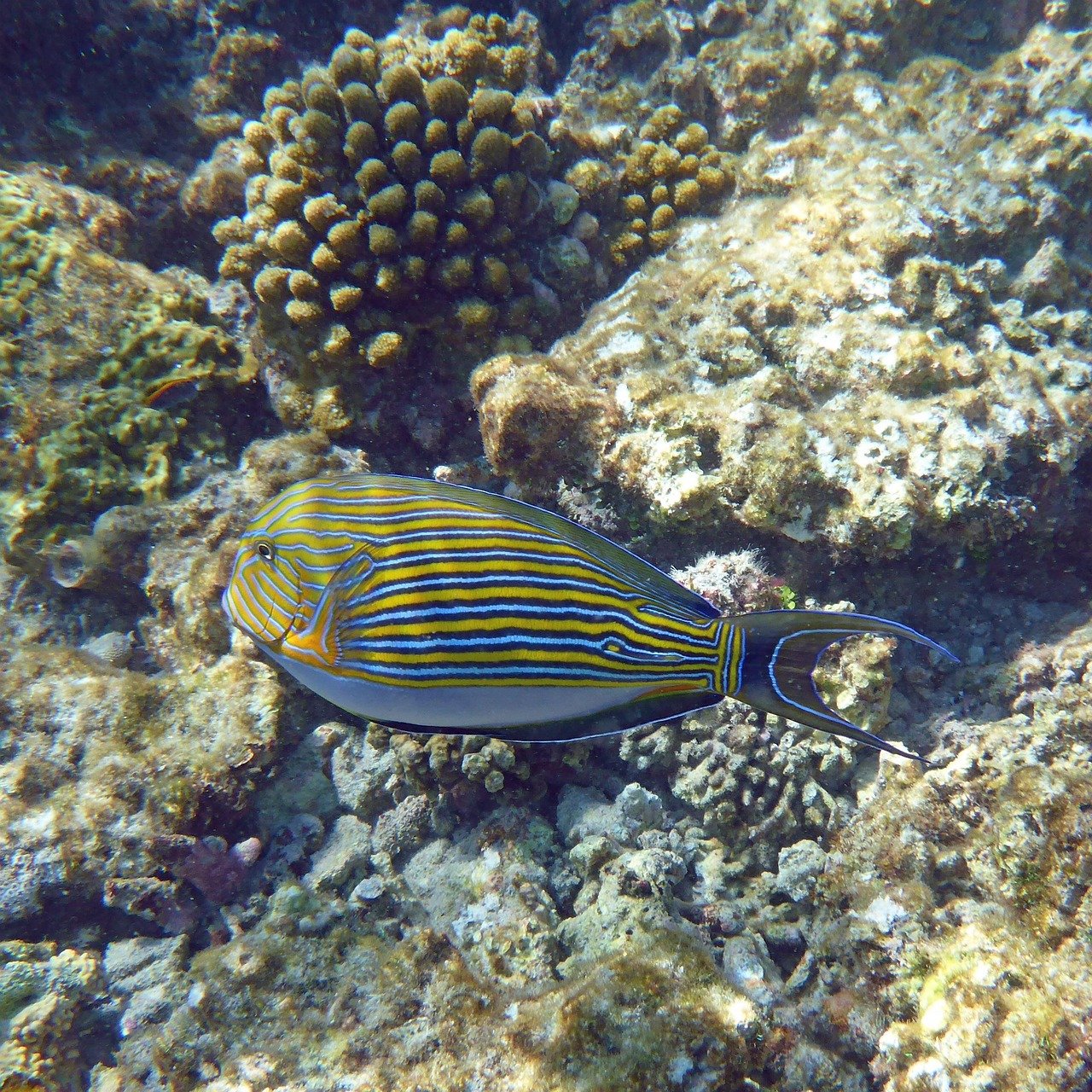
The Maldives is the destination most people picture when they imagine snorkeling, and for once the cliché holds up. Shallow lagoons, teeming coral reefs, and rich sea life, including reef sharks and manta rays, are the standard experience. The detail that matters most for planning: some resorts keep a house reef within swimming distance of the shore, so you can walk off your deck and be over coral in minutes.
That house-reef feature is the single thing to check before booking. Not every island has one, and a resort without a good house reef means a boat ride every time you want to get wet. Ask directly, and ask for recent photos.
Who it suits: couples, families, and anyone who wants minimal logistics between bed and reef.
The limitation: cost. The Maldives is not a budget destination, and the reef quality genuinely varies from island to island. Hanifaru Bay, a UNESCO-listed lagoon, is famous for manta aggregations, but that is a seasonal spectacle, not a year-round guarantee.
Indonesia: The Richest Marine Life on the Planet
Indonesia lies within the Coral Triangle. Many divers consider its warm-water reefs to have the richest marine biodiversity in the world. For snorkelers, the appeal is that fringing reefs stretch for kilometers right off many resorts’ doorsteps, so you do not need a boat or a certification card.
In Raja Ampat, green sea turtles, giant clams, and giant manta rays are commonly spotted in season. Elsewhere, the Gili Islands off Lombok are a favorite for one specific reason: turtles. Travelers report swimming with many of them around Gili Trawangan and Gili Air. The trade-off is that the Gilis are popular and busy, while Raja Ampat is remote and expensive to reach.
Practical tip: in Indonesia, currents decide your day. Snorkel with a local guide who reads the tide, especially around Raja Ampat’s channels, where the marine life is thickest precisely because the water moves.
The Great Barrier Reef, Australia: Scale You Cannot Fake
The largest living structure on Earth stretches off the Queensland coast, and it earns its reputation. Thousands of reefs and islands support coral, turtles, and fish in numbers that make a single snorkel feel inadequate. For a first-timer, the reef is also unusually well organized: day boats run from Cairns and Port Douglas, and guides handle gear and safety briefings.
The honest caveat: not every section of the reef is in equal health. Some areas show bleaching, and a cheap trip to a degraded site can disappoint. Choose operators that visit outer reefs and publish which sites they use. If coral condition matters to you, it is fair to ask before you pay.
Who it suits: families and first-timers who want infrastructure, plus experienced snorkelers chasing sheer scale.
Ningaloo Reef, Australia: Swim With Whale Sharks and Humpbacks
Most people do not know a second Australian reef rivals the famous one. Ningaloo, on the west coast, is a fringing reef you can reach by wading from the beach. Its headline act is big animals: humpback whales in season, plus whale sharks and manta rays in the waters around it.
The limitation is timing. These encounters are seasonal, not guaranteed, and the coast is hot and exposed. Book with a licensed operator, and treat any animal sighting as a bonus rather than a promise. That framing keeps expectations honest and protects the animals.
The Caribbean: Grenada and the Cayman Islands
The Caribbean is a snorkeler’s sanctuary, and two islands stand out for different reasons. Grenada is home to the Molinere Underwater Sculpture Park, the first of its kind, created by British sculptor Jason deCaires Taylor. Around 75 statues sit submerged just a short swim from shore, which makes it a strange, memorable snorkel even for people who have seen plenty of reef.
The Cayman Islands, by contrast, are about turtles and clear, calm water. Aruba, Jamaica, and the Dominican Republic round out the region with warm, calm seas and easy beach access, which makes snorkeling simple and stress-free. In Aruba, the water is so clear it almost feels like cheating, and there are shipwrecks for the more adventurous.
Who it suits: beginners, cruise passengers, and families with small children.
The limitation: the region is heavily visited. Go early in the morning, and the difference is real.
Baja California, Mexico: Sea Lions and the Sea of Cortez
The Sea of Cortez is a biodiverse marine park system where sea lions and manta rays are the draw. Sea lion pups are curious and will swim circles around snorkelers, which is thrilling and slightly chaotic. This is not a sit-still-and-float destination; it rewards swimmers who are comfortable in moving water.
The limitation: water temperatures can be cold depending on the season, and currents are real. A wetsuit is not optional for much of the year.
Okinawa, Japan: The Most Underrated Pick
Okinawa is the sleeper on this list. Travelers who snorkel there describe it as incredible and genuinely underrated, with healthy fringing reefs and clear water. Nagahama Beach on the main island offers easy access, and stand-up paddleboard plus snorkel tours are a popular combination.
Who it suits: travelers who want a culture-rich trip with serious snorkeling attached, and anyone avoiding the crowds of Southeast Asia’s headline spots.
The limitation: typhoon season can disrupt plans, so build flexibility into your dates.
Greece: Crystal Water Without the Tropics
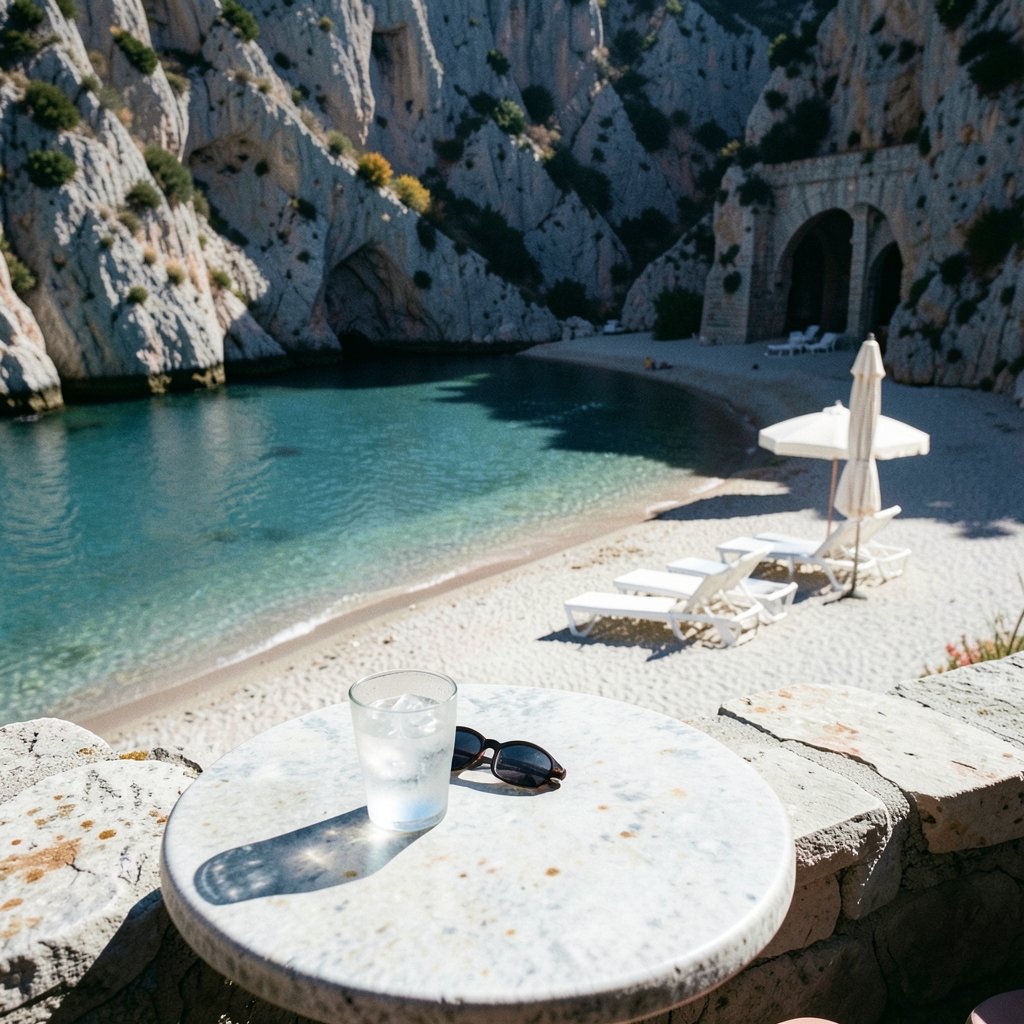
The Greek Islands have an allure on land, but the water is the quiet story. From the Ionian Sea to the Aegean, there are countless beautiful places to snorkel, with exotic fish species, sandy bays, and rocky beds filled with anemones, sponges, and urchins. Crete and Zakynthos rank among the best Greek options. The water is clear and calm enough for snorkelers of all abilities.
The limitation: you will not see the megafauna of the Indo-Pacific. Greece is about clarity, light, and easy swimming, not mantas.
Iceland: Snorkeling Between Two Continents
Thingvellir National Park offers something no tropical reef can: the chance to snorkel between tectonic plates in cold, crystal-clear water with incredible visibility. It is a bucket-list experience, not a warm-water one.
The limitation: the water is genuinely cold, and operators use dry suits. If you are not comfortable in a tight suit and cold water, skip it. If you are, the visibility will ruin ordinary snorkeling for you.
How to Choose Where to Snorkel
Work through these questions in order, and the shortlist narrows fast.
- What do you want to see? Big animals (Ningaloo, Baja, Maldives) call for different destinations than colorful reef fish (Indonesia, Okinawa).
- How much travel do you tolerate? Raja Ampat rewards effort; the Caribbean rewards ease.
- What is your comfort level in the water? Currents and cold water are real constraints, not marketing details.
- When can you go? Whale sharks, humpbacks, and mantas are seasonal. Check the season before you book.
- What is your budget? The Maldives and Raja Ampat sit at the top; Greece and the Caribbean offer more affordable entry points.
One habit separates good trips from great ones: bring your own mask. Rental masks leak, and a leaking mask ruins a snorkel faster than anything else. Reef-safe sunscreen is the other non-negotiable, since many destinations now require it.
Conclusion
The best places to snorkel are not the ones with the loudest marketing. They are the ones that match what you actually want from the water. Choose the Maldives for ease, Indonesia for biodiversity, the Great Barrier Reef for scale, Ningaloo for big animals, and the Caribbean for a first-timer’s confidence. Add Okinawa, Greece, Baja, or Iceland depending on your appetite for the unexpected. Pick one, check the season, pack your own mask, and get in the water. The reef will do the rest.
Frequently Asked Questions
What is the best place to snorkel for beginners?
The Caribbean is the strongest choice for beginners. Aruba, Jamaica, and the Dominican Republic offer warm, calm waters and easy beach access, which makes snorkeling simple and stress-free. The Maldives is also excellent if budget allows, especially at resorts with a house reef you can swim to from shore.
Where can you snorkel with manta rays?
Hanifaru Bay in the Maldives is a UNESCO-listed lagoon known for manta aggregations, and Raja Ampat in Indonesia is another reliable spot in season. Baja California’s Sea of Cortez also draws manta rays. All of these are seasonal sightings, so confirm timing with a local operator before booking.
Is the Great Barrier Reef good for snorkeling?
Yes. The Great Barrier Reef is the largest living structure on Earth, with thousands of reefs and islands supporting coral, turtles, and fish. The caveat is that reef health varies by site, and some sections show bleaching, so choose an operator that visits outer reefs and is transparent about which sites it uses.
Do you need a wetsuit to snorkel in Iceland?
Yes. Snorkeling at Thingvellir National Park takes place in cold water with excellent visibility, and operators use dry suits. It is a bucket-list experience rather than a warm-water one, so only book it if you are comfortable in cold water and tight-fitting gear.
Which destination has the most marine biodiversity?
Indonesia lies within the Coral Triangle, and many divers consider it to have the richest marine biodiversity in the world. Raja Ampat offers green sea turtles, giant clams, and giant manta rays in warm water, with fringing reefs right off many resorts’ doorsteps.
When is the best time to snorkel with humpback whales?
Humpback whale encounters at Ningaloo Reef in Australia are seasonal rather than year-round, so timing is everything. Check the current season with a licensed operator before booking, and treat any sighting as a bonus rather than a guarantee. The same seasonal logic applies to whale sharks and manta rays elsewhere.