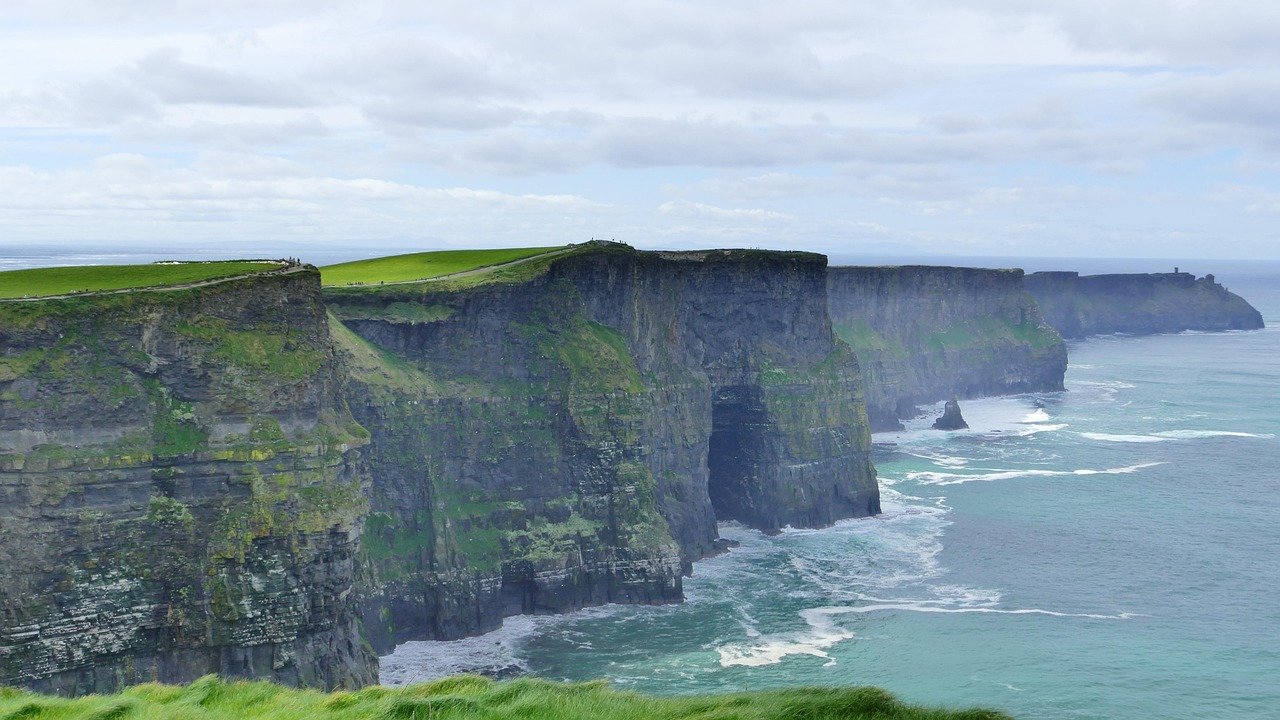
What if the hardest part of an Italian beach holiday isn’t finding a beautiful shore, but choosing between a cliff-backed pebble cove in Puglia and a turquoise bay in Sardinia? With roughly 8,000 kilometres of coastline spread across four seas, Italy doesn’t have a beach problem. It has an abundance problem, and picking the right one takes a little local knowledge.
This roundup skips the vague inspiration and names ten specific beaches, who each one suits, what it does well, and where it falls short. A quick comparison table comes first so you can shortlist fast, then each option gets its own section.
Quick comparison of Italy’s best beaches
| Beach | Region | Best for | Main drawback |
|---|---|---|---|
| Cala Porto (Lama Monachile) | Puglia | Dramatic scenery, cliff diving | Tiny, crowded, pebbles |
| Spiaggia di Marina Grande, Positano | Amalfi Coast | Iconic views, easy access | Busy and pricey |
| Cala Goloritzé | Sardinia | Hiking, snorkelling, wild beauty | Reached on foot or by boat |
| Spiaggia del Principe | Sardinia | Families, soft sand | Gets packed early |
| Rabbit Beach | Lampedusa, Sicily | Swimming, turtles | Seasonal access limits |
| Isola Bella | Sicily | Snorkelling, scenery | Pebbles, limited space |
| Capo Bianco | Elba, Tuscany | White pebbles, clear water | No sand, no shade |
| Camogli Beach | Liguria | Village charm, diving | Grey pebbles, deep water |
| Torre dell’Orso | Puglia | Families with small kids | Popular in high season |
| Baia di Sorgeto | Ischia | Warm thermal water | Rocky, awkward entry |
1. Cala Porto (Lama Monachile), Polignano a Mare, Puglia
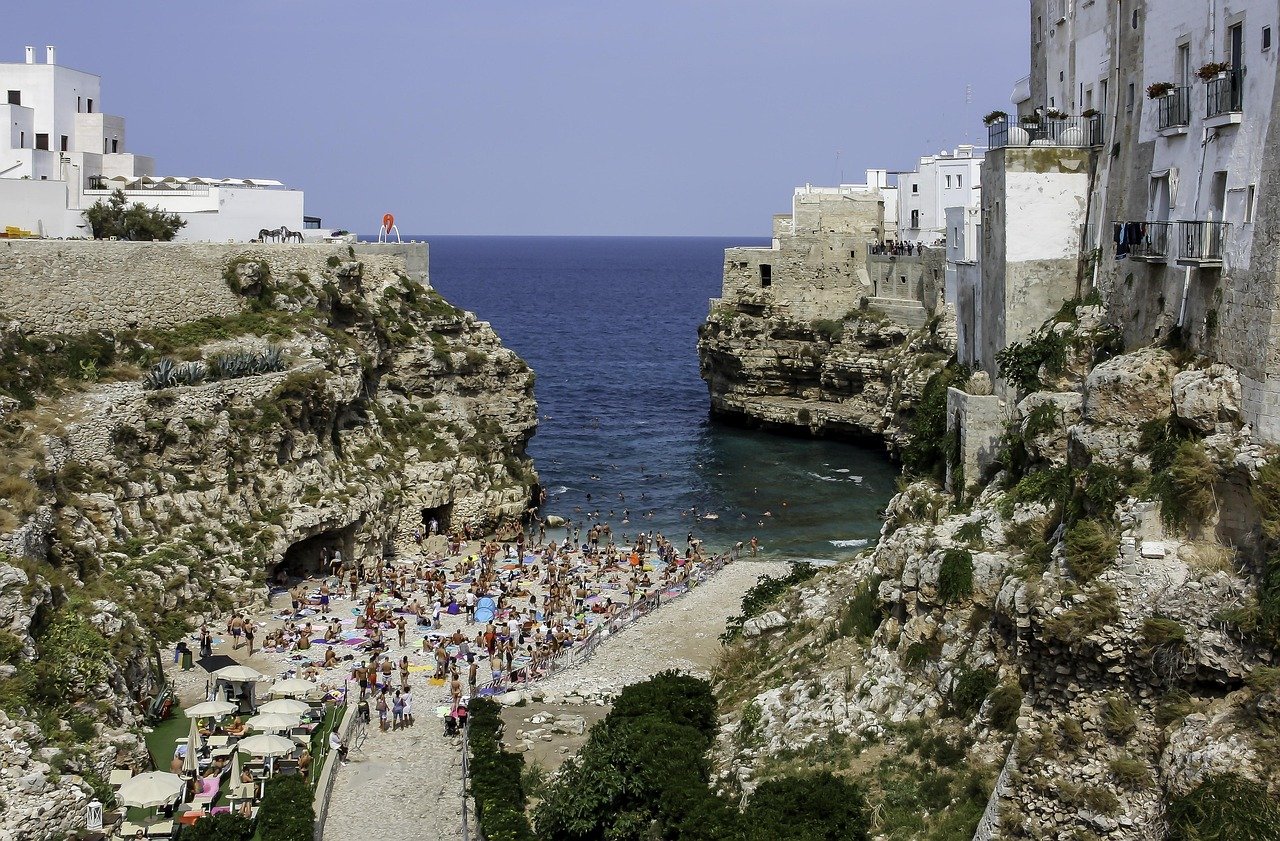
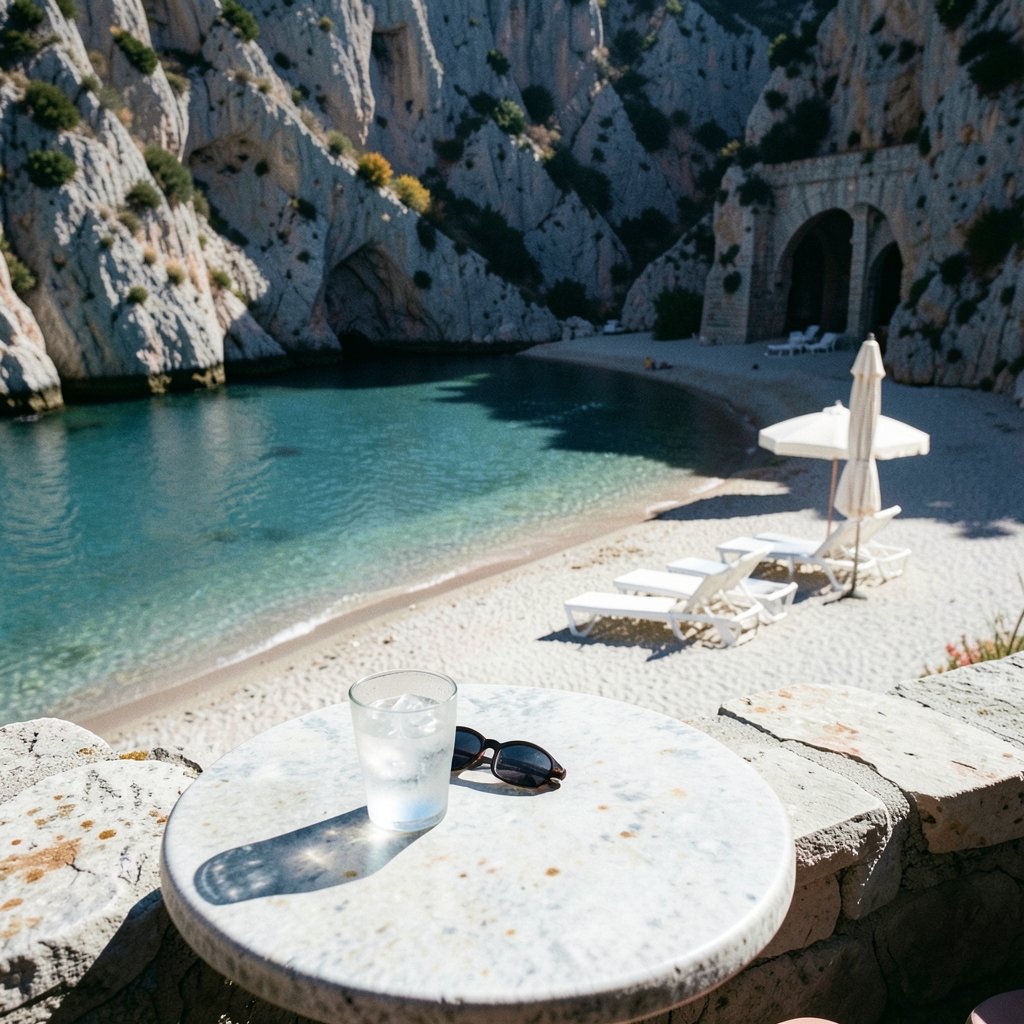
Start with the postcard. Cala Porto sits in a narrow gap between jagged cliffs right in the village of Polignano a Mare, on the Bari coastline, and it takes its nickname from the Roman bridge that borders the little bay. White pebbles underfoot, whitewashed houses above, and water so clear that the cliff divers at Grotta Piana become the main entertainment.
Who it suits: Travellers who want scenery and atmosphere over long lazy sunbathing. It’s a swim-and-stare beach, not a build-a-sandcastle beach.
The limitation: It is genuinely small. A sliver of pebble beach means you arrive early or you don’t arrive at all, and in peak weeks the space between towels disappears fast. Puglia’s wider coast, with over 800 kilometres of shoreline, offers plenty of alternatives if you need elbow room.
Practical tip: Wear shoes you can swim in. The pebbles are smooth but unforgiving on bare feet at the waterline, and the entry shelves quickly.
2. Spiaggia di Marina Grande, Positano, Amalfi Coast
The Amalfi Coast is the beach equivalent of a famous painting, and Marina Grande is the spot where the view and the swimming actually meet. Positano’s main beach gives you the pastel cliffside stacked behind you and calm Tyrrhenian water in front.
Who it suits: First-timers who want the classic Amalfi experience without a hike, and anyone staying in Positano who wants to walk to the water.
The limitation: It’s busy and the organised sections come at a premium. Expect to pay for a lounger and umbrella, and expect your neighbour’s conversation to be part of your afternoon.
Common mistake: Treating this as a quiet beach day. It’s a people-watching beach day. If you want solitude, take a boat to a cove instead.
3. Cala Goloritzé, Sardinia
If Sardinia dominates your shortlist, there’s a reason. A travel-platform analysis of Google Maps ratings and reviews put 20 of Italy’s 30 most popular beaches for 2026 on the island, and Cala Goloritzé is the wildest of the famous ones. It’s a UNESCO World Heritage Site, reached by a demanding hiking trail or by boat, and the reward is limestone spires, white pebbles and water so transparent that fish seem to hover in mid-air.
Who it suits: Hikers, snorkellers and travellers who consider a sweaty approach part of the experience.
The limitation: There’s no road access and no facilities. Bring water, food and footwear, and check the official access rules before setting out, because capacity management on fragile sites changes.
What actually works: Go early and hike in. Boats arrive in waves around midday, and the beach empties again by late afternoon.
4. Spiaggia del Principe, Arzachena, Sardinia
Named after the Aga Khan, who chose it as his private beach, Spiaggia del Principe delivers cream-coloured sand, wind-sculpted granite rocks and brochure-grade water on the Costa Smeralda. It’s the Sardinian beach you can bring your parents to.
Who it suits: Families and anyone who wants soft sand, gentle entry and a proper beach day.
The limitation: Everyone knows about it. Arrive at opening time or prepare to become very familiar with your neighbours’ umbrella.
Local habit worth copying: Pair it with Cala Luna, reachable by sea or by a trek that tests both your navigation and your fitness. The natural caves there give free shade, which no rental umbrella can match.
5. Rabbit Beach, Lampedusa, Sicily
Rabbit Beach, on Lampedusa south of Sicily, keeps topping popularity rankings, and the appeal is simple: a protected crescent of sand, shallow turquoise water and loggerhead turtles nesting nearby. It’s the closest Italy gets to a Caribbean postcard.
Who it suits: Swimmers, snorkellers and anyone chasing that once-in-a-decade water colour.
The limitation: Access is managed and seasonal, so check the current rules before you plan a day around it. The beach is also part of a nature reserve, which means no straying into the dunes.
Sicily’s northern coast is another Tyrrhenian highlight, and it’s where you’ll find the next entry on this list.
6. Isola Bella, Taormina, Sicily
Isola Bella is a tiny island nature reserve linked to the Taormina shore by a narrow strip of pebbles. The water is shallow, clear and full of fish, which makes it one of Italy’s most reliable snorkelling spots without a boat.
Who it suits: Snorkellers, couples and anyone who wants a swim with a mountain backdrop.
The limitation: Pebbles, limited room, and a cable car plus steps to reach it. It’s not a barefoot-sand experience.
Practical tip: Bring reef-safe sunscreen and water shoes. The pebble shelf at the entry is the one thing first-timers consistently underestimate.
7. Capo Bianco, Elba, Tuscany
Elba’s Capo Bianco is a rarity: a beach of white pebbles, actually crushed granite and quartz, with water that shifts from pale aqua to deep blue as you wade out. It sits near Portoferraio and feels like a secret even when it isn’t.
Who it suits: Strong swimmers, photographers and travellers who prefer dramatic geology to soft sand.
The limitation: No sand, little natural shade and a steep entry in places. It rewards preparation and punishes flip-flops.
8. Camogli Beach, Liguria
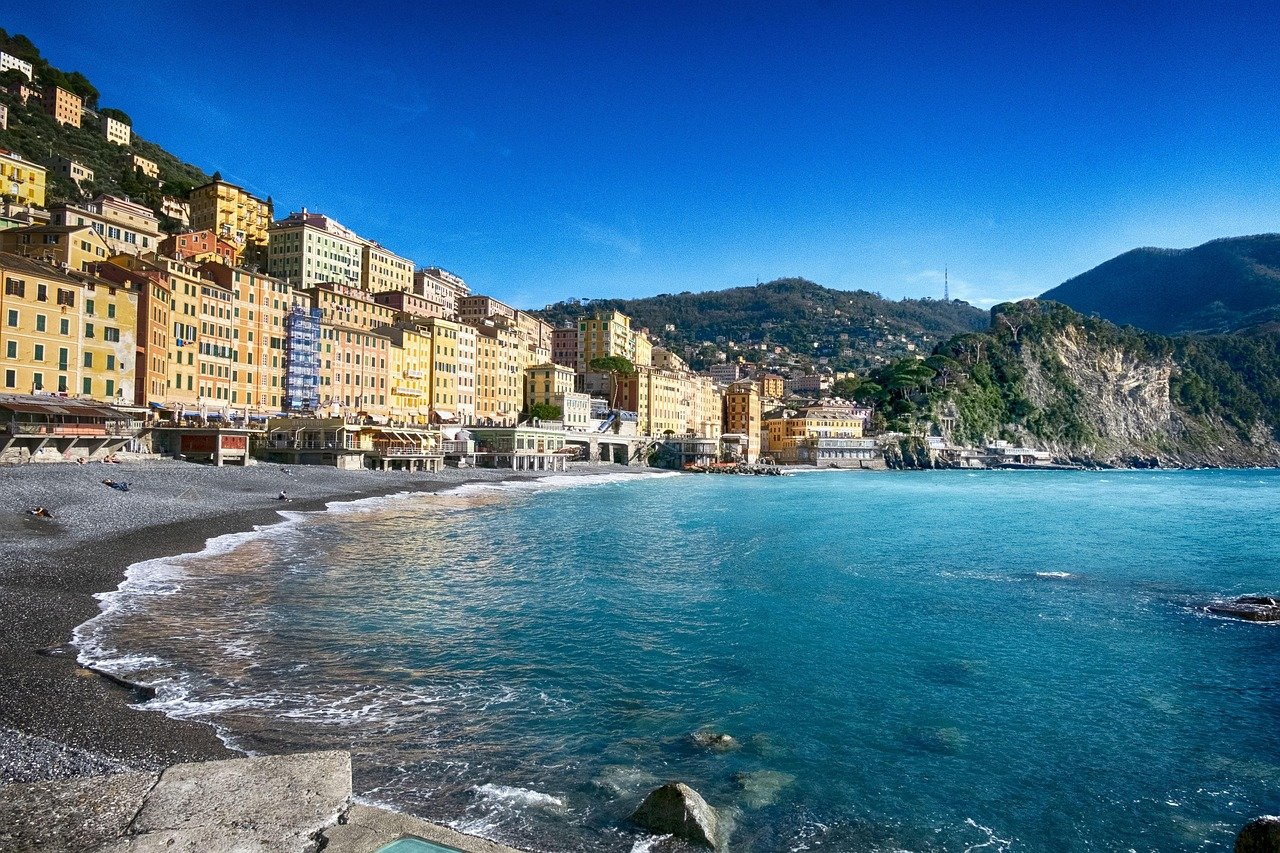
Camogli is a working fishing village with colourful facades stacked behind a long grey pebble beach, and the setting is the point. Swim out, turn around, and the whole painted waterfront is your view. The steep path north of the beach leads to a small bay with a view of the abbey of San Fruttuoso di Capodimonte, built right on the water.
Who it suits: Divers and snorkellers. The famous Christ of the Abyss, a huge bronze statue submerged offshore, draws divers from across Europe.
The limitation: Grey pebbles and a steep drop-off mean it’s better for confident swimmers than paddling toddlers.
9. Torre dell’Orso, Puglia
Puglia’s Salento coast is full of long, pale beaches, and Torre dell’Orso is the family-friendly pick. Calm, shallow water and a wide stretch of sand make it one of the easiest beach days in southern Italy.
Who it suits: Families with small children, and anyone who wants space rather than scenery.
The limitation: It’s popular, so high season means queues for parking and a packed shoreline. Book accommodation nearby and walk.
10. Baia di Sorgeto, Ischia
Ischia’s volcanic shore produces something genuinely different: thermal springs bubbling up into the sea at Sorgeto, so you can sit in naturally warm water while the Mediterranean rolls in beside you.
Who it suits: Off-season swimmers, couples and anyone with tired shoulders.
The limitation: It’s rocky and the entry involves steps and careful footing. Water shoes are non-negotiable.
Italy’s coastal style has its own red carpet too, and the country’s fashion influence shapes everything from beachwear to resort design, as this profile of Mariano Di Vaio, Italy’s luxury fashion icon, shows. It’s a useful reminder that the Italian beach scene is as much about presentation as it is about sand.
How to choose between them
Don’t pick a beach by photo alone. Work backwards from what you actually want to do for six hours.
- Decide sand or pebbles. Sand suits families and lounging. Pebbles mean clearer water and better snorkelling, but you’ll want water shoes.
- Check access before you commit. Cala Goloritzé needs a hike or a boat. Rabbit Beach has managed access. Isola Bella needs a cable car and stairs.
- Match the region to your base. Sardinia rewards a dedicated trip. The Amalfi Coast works as day trips. Puglia and Sicily need a car.
- Plan around arrival time. The best-known beaches fill by mid-morning. Early arrival beats any booking trick.
- Budget for beach clubs. Organised loungers and umbrellas cost money on the popular stretches. Free public areas exist but are smaller.
- Check the season’s rules. Protected reserves and marine areas change access rules, so confirm on the official page before travelling.
The most common mistake travellers make is cramming three famous beaches into one day. Each of these spots deserves a full afternoon, and the memory you keep will be of the swim, not the drive.
Conclusion
Italy’s best beaches aren’t ranked by beauty alone. They’re ranked by fit. Cala Porto wins on drama, Spiaggia del Principe on ease, Cala Goloritzé on wildness, and Baia di Sorgeto on sheer novelty. Sardinia’s dominance in recent popularity data reflects real quality, but Puglia, Sicily, Liguria and the Tyrrhenian coast each hold their own.
Choose two or three that match your travel style, check access and season rules, and arrive early. That’s the whole formula.
FAQ
What is the most beautiful beach in Italy?
There’s no single answer, but Cala Goloritzé in Sardinia and Rabbit Beach in Lampedusa appear most often at the top of rankings. Both combine protected status, clear water and dramatic settings. Which one feels “most beautiful” depends on whether you prefer a wild hike-in cove or a sandy crescent.
Which Italian island has the best beaches?
Sardinia currently leads on popularity. An analysis of Google Maps ratings and reviews found that 20 of Italy’s 30 most popular beaches for 2026 are on the island. Sicily, with Rabbit Beach and Isola Bella, is the strongest alternative.
Are Italy’s beaches sandy or pebbly?
Both, often within the same region. Puglia and parts of Sardinia offer soft sand, while Liguria, Elba and much of the Amalfi Coast are pebble beaches. Pebbles usually mean clearer water, so pack water shoes either way.
Do you have to pay to use Italian beaches?
Not always. Most beaches have a free public section alongside paid beach clubs that rent loungers and umbrellas. The free areas are smaller and fill earlier, especially at famous spots like Positano’s Marina Grande.
When is the best time to visit Italian beaches?
Late spring and early autumn give you warm water with far smaller crowds. July and August are peak season, when the best-known beaches fill by mid-morning and parking becomes a challenge.
Which beach is best for families with young children?
Torre dell’Orso in Puglia and Spiaggia del Principe in Sardinia are the easiest picks, thanks to shallow, calm water and soft sand. Avoid pebble beaches with steep entries, which are better suited to confident swimmers.