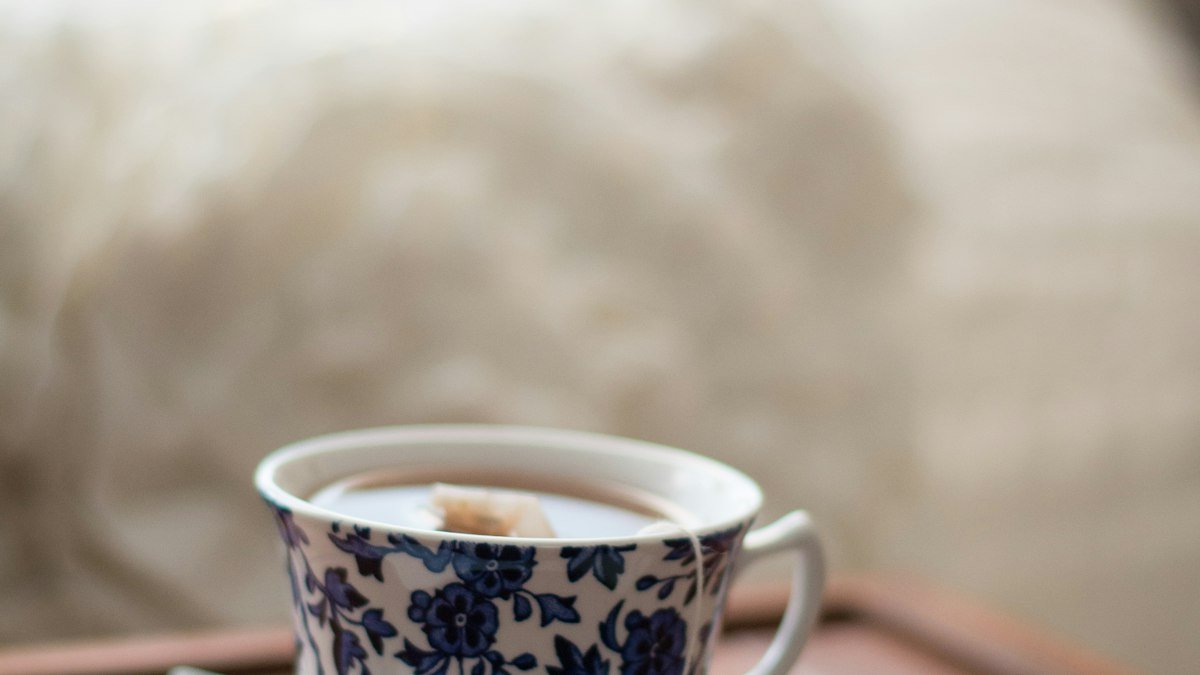
Earl Grey tea is black tea scented with the oil of the bergamot orange, a fragrant citrus fruit that gives the cup its distinctive floral, almost perfume-like aroma. It is one of the best-known flavoured teas in the world, and one of the easiest to recognise from the smell alone.
The blend is named after Charles Grey, the 2nd Earl Grey, who was Britain’s prime minister from 1830 to 1834. This guide explains what Earl Grey is, what bergamot is, how the tea got its name, how to brew it properly, and the variations worth trying, from Lady Grey to the London Fog.
Key takeaways
- Earl Grey is black tea flavoured with oil from the rind of the bergamot orange.
- It is named after Charles Grey, 2nd Earl Grey, prime minister from 1830 to 1834.
- Most of the world’s bergamot grows in Calabria, in southern Italy.
- Brew it with water at 90 to 98 degrees Celsius for three to four minutes.
- Lady Grey is a lighter version with lemon and orange peel, created by Twinings in 1994.
What is Earl Grey tea?
Earl Grey is a flavoured black tea, made from the leaves of the Camellia sinensis plant. The flavour comes from bergamot oil, sprayed onto the leaves or mixed in as dried peel. The result is a cup that is malty and robust from the black tea, with a bright, citrus-floral note on top.
The base tea varies by brand. Many blends use Ceylon tea from Sri Lanka, which is bright and brisk, while others use Keemun from China, which is softer and slightly smoky, or Assam from India, which is stronger and maltier.
Some blends mix several origins together. The bergamot is the constant: without it, the tea is simply black tea.
Earl Grey is not a single recipe owned by one company. Twinings is generally credited with popularising it, and Jacksons of Piccadilly also claimed the original recipe, but the blend is now made all over the world. That is why one Earl Grey can taste bold and smoky while another is light and floral.
Best for: anyone who likes black tea but wants something more aromatic — a morning cup with milk, or an afternoon cup with lemon.
What is bergamot?
Bergamot is a small citrus fruit, roughly the size of an orange, with a knobbly yellow-green rind. Its scientific name is Citrus bergamia, and it is probably a hybrid of sweet lime and sour orange. The fruit is sour and bitter and is not eaten fresh; its value sits entirely in the aromatic oil in the rind.
Most of the world’s bergamot grows in a narrow coastal strip of Calabria, in southern Italy, where the mild winters, strong sun and particular soil suit the tree as almost nowhere else does. The oil is cold-pressed from the rind, and it takes many fruits to make a small amount of oil, which is why genuine bergamot is expensive.
The oil smells floral, sweet and sharply citrus at the same time. Its main scent compounds are linalool, which smells floral and a little like lavender, linalyl acetate, which smells sweet and fruity, and limonene, which gives the sharp citrus edge.
Best for: understanding the flavour — bergamot is a scenting, not a juice, and a little of it goes a long way.
The Earl and the legend
The tea is named after Charles Grey, the 2nd Earl Grey, who served as prime minister from 1830 to 1834 and is best known for the Reform Act of 1832. The famous story says that a grateful Chinese official gave him a bergamot-scented tea as a diplomatic gift, sometimes as thanks for saving a life during a mission to China.
Historians doubt the story. Grey never visited China, and bergamot was a European citrus not used to scent tea in China at the time. Another account says the blend was made for the Earl at Howick Hall, his home in Northumberland, where bergamot may have masked the taste of the local water, which was high in lime.
What is clear is that the blend became associated with Charles Grey during the nineteenth century, and Twinings began producing it for him in the 1830s. Written references to Earl Grey tea appear from the 1880s onwards. The legend survives because it is a good story, not because it is proven fact.
Best for: tea lovers who enjoy the story — the legend is charming, but the real history is a British blend with an Italian citrus.
How to brew Earl Grey tea
Earl Grey is forgiving, but brewing it too hot or too long brings out bitterness and a soapy edge from the bergamot. The UK Tea and Infusions Association recommends water at 90 to 98 degrees Celsius and a brewing time of three to four minutes.
Start with fresh, cold water and bring it to a boil, then let it cool for a minute before pouring. Use one teaspoon of loose leaf, or one tea bag, per cup, and steep for three minutes for a lighter cup or four for a stronger one. Remove the leaves or the bag at the end, because leaving them in keeps extracting tannins and turns the tea bitter.
Milk and lemon both work with Earl Grey, but not together, because the lemon will curdle the milk. Milk softens the bergamot and suits a stronger Assam-based blend, while lemon brightens the citrus and suits a lighter Ceylon-based blend. Many drinkers take it plain so the bergamot can speak for itself.
Best for: a balanced cup — water just off the boil, three to four minutes, and the leaves taken out on time.
The Earl Grey family: variations to try
Lady Grey is the best-known variation. It was created by Twinings in 1994 for the Nordic market, where drinkers found classic Earl Grey too strong. It keeps the black tea and bergamot base but adds lemon peel and Seville orange peel, usually with blue cornflower petals, for a lighter, fruitier cup.
The London Fog is a milky version that has become a café staple. It is Earl Grey brewed strong, mixed with steamed milk and a little vanilla syrup, and it was reportedly first made in Vancouver, Canada. It suits people who find plain Earl Grey too sharp.
Modern tea makers also apply bergamot to other bases. Green Earl Grey is lighter and grassier, white Earl Grey is delicate and floral, and rooibos Earl Grey is naturally caffeine free. None is the classic blend, but they show how far the flavour has travelled.
Best for: exploring — Lady Grey for a lighter cup, a London Fog for a milky treat, and green Earl Grey for something different.

Choosing a good Earl Grey
The base tea decides most of the character. A Ceylon base gives a bright, brisk cup that suits lemon. A Keemun base gives a softer, wine-like cup that suits drinking plain.
An Assam base gives a strong, malty cup that takes milk well. If the packet does not name the base, the tea is probably a blend of several origins.
Check how the bergamot is listed. Natural bergamot oil is the traditional flavouring, and some blends add dried bergamot peel as well. Cheaper teas may use synthetic bergamot flavouring, which can taste flat or soapy.
Loose leaf generally gives a better cup than tea bags, because the leaves have room to expand and release their flavour. Buy in small quantities and store the tea in a sealed tin away from light and strong smells, because bergamot oil fades with time.
Best for: a first purchase — a Ceylon-based loose-leaf Earl Grey from a blender you trust, stored in a sealed tin.
| Blend | Base tea | Flavour | Best for |
|---|---|---|---|
| Classic Earl Grey | Black tea, usually Ceylon or Keemun | Bold, malty, strong bergamot | Morning cup, with milk or lemon |
| Lady Grey | Black tea with lemon and orange peel | Lighter, brighter, fruitier | Afternoon cup, drinking plain |
| London Fog | Strong Earl Grey with steamed milk | Creamy, sweet, citrus lift | A milky café-style treat |
| Green Earl Grey | Green tea with bergamot | Light, grassy, fresh | A gentler, lower-caffeine cup |
| Rooibos Earl Grey | Rooibos with bergamot | Smooth, naturally sweet | Evening cup, caffeine free |
| Smoky Earl Grey | Black tea with a smoky base | Deep, smoky, aromatic | Drinkers who like Lapsang-style teas |
Brewing Earl Grey well: a checklist
A good cup of Earl Grey is mostly a matter of temperature and timing.
- Start with fresh, cold water, and bring it to a full boil.
- Let the water cool for a minute so it sits between 90 and 98 degrees Celsius.
- Use one teaspoon of loose leaf, or one tea bag, per cup.
- Steep for three minutes for a lighter cup, or four for a stronger one.
- Take the leaves or the bag out on time, so the tea does not turn bitter.
- Add milk or lemon, but never both in the same cup.
- Warm the pot or cup first, so the tea stays hot while it steeps.
- Store the tea in a sealed tin, away from light and strong smells.
If you enjoy exploring teas, the roundup of the best tea brands covers the blenders behind the best-known Earl Grey blends and their other teas. For mornings when you want coffee instead, the guide to the best Keurig coffee maker explains which single-serve machines suit a busy kitchen. And if you take your tea on the move, the roundup of the best water bottles includes insulated bottles that keep drinks hot for hours.
Frequently asked questions
What is Earl Grey tea made of?
Earl Grey is black tea flavoured with oil from the rind of the bergamot orange. The base is usually Ceylon, Keemun or Assam black tea, and the bergamot is added as natural oil, dried peel or both. Cheaper blends may use synthetic bergamot flavouring instead.
Does Earl Grey tea contain caffeine?
Yes, classic Earl Grey is made from black tea, so it contains roughly the same caffeine as an ordinary cup of black tea. Green Earl Grey has a little less, and rooibos Earl Grey is naturally caffeine free.
What is the difference between Earl Grey and Lady Grey?
Both have a black tea and bergamot base, but Lady Grey adds lemon peel and Seville orange peel, usually with blue cornflower petals, for a lighter, fruitier cup. Lady Grey was created by Twinings in 1994 for Nordic drinkers who found classic Earl Grey too strong.
How long should you steep Earl Grey tea?
Three to four minutes is the usual range. Three minutes gives a lighter, more fragrant cup, while four minutes gives a stronger one. Steeping for much longer brings out bitterness and a soapy note from the bergamot.
Should you put milk in Earl Grey tea?
You can, especially with a strong Assam-based blend. Milk softens the bergamot and rounds out the cup.
Lemon is the other classic addition, and it brightens the citrus. Do not add both, because lemon curdles milk.
Where does bergamot grow?
Most of the world’s bergamot grows in Calabria, a region in southern Italy, where the climate and soil suit the tree. The oil is cold-pressed from the rind of the fruit, which is too sour and bitter to eat fresh.
The bottom line
Earl Grey tea is a simple formula done well: good black tea and the oil of a single citrus fruit. The bergamot makes it unmistakable, and the base tea makes one blend different from another.
Brew it with water just off the boil, steep it for three to four minutes, and take the leaves out on time. Drink it plain to taste the bergamot at its best, add milk for a softer cup, or try Lady Grey when you want something lighter.