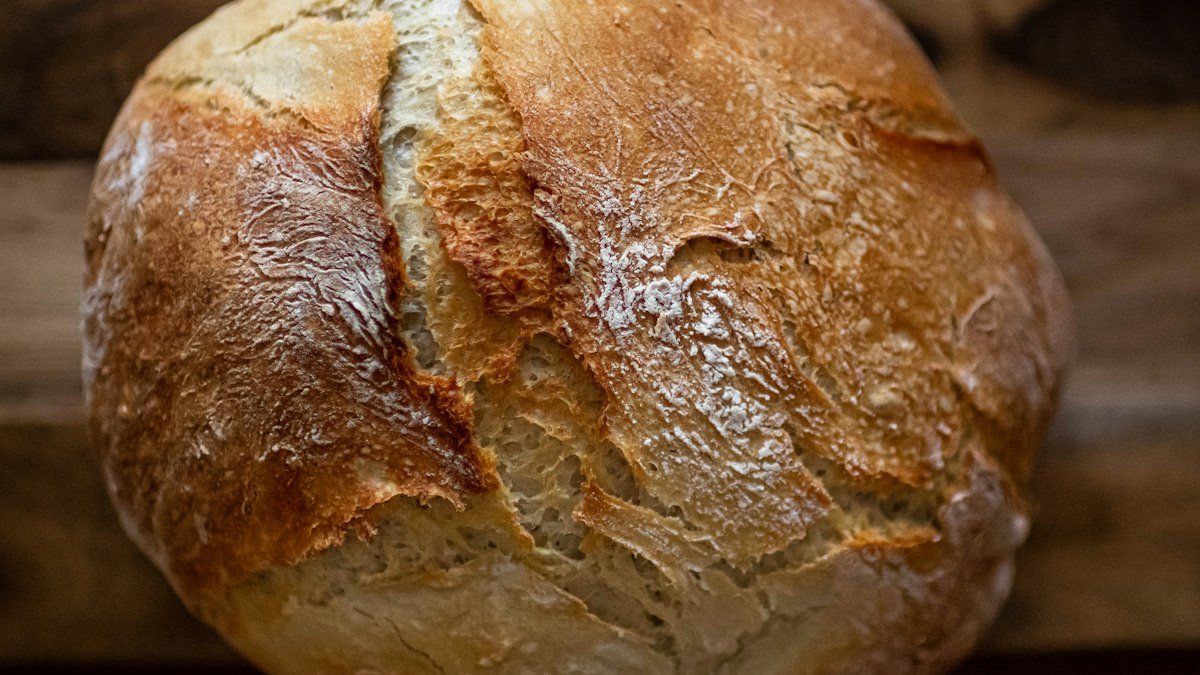
The best sourdough bread is the loaf with a crackling crust, a soft, open crumb and a gentle tang that makes even plain butter taste better, and that is the honest starting point for this guide. Sourdough is bread leavened slowly with a live starter — a culture of wild yeast and friendly bacteria — instead of commercial yeast, and that slow fermentation is what gives it its flavour, its keeping quality and its character. So which sourdough deserves your money in 2027? A classic country loaf is the best all-rounder, wholemeal suits everyday eating, and seeded or rye loaves are the ones to buy when you want something with more bite.
This guide covers the loaves worth buying and the basics worth knowing if you bake your own. Each pick is described in plain terms, with a clear note on who it suits best and what to do with it.
Key takeaways
- A classic country loaf is the best sourdough to start with: white flour, a crisp crust and an open crumb.
- Sourdough keeps longer than ordinary bread, and it makes the best toast of any loaf.
- Wholemeal and rye sourdoughs are denser and more filling, and they suit open sandwiches and cheese.
- Seeded sourdough adds crunch and flavour, and it is the best choice for a lunchbox sandwich.
- A good sourdough needs only four ingredients: flour, water, salt and a live starter.
- Buy from a bakery when you can — a loaf baked that morning beats a packaged loaf every time.
What makes sourdough different
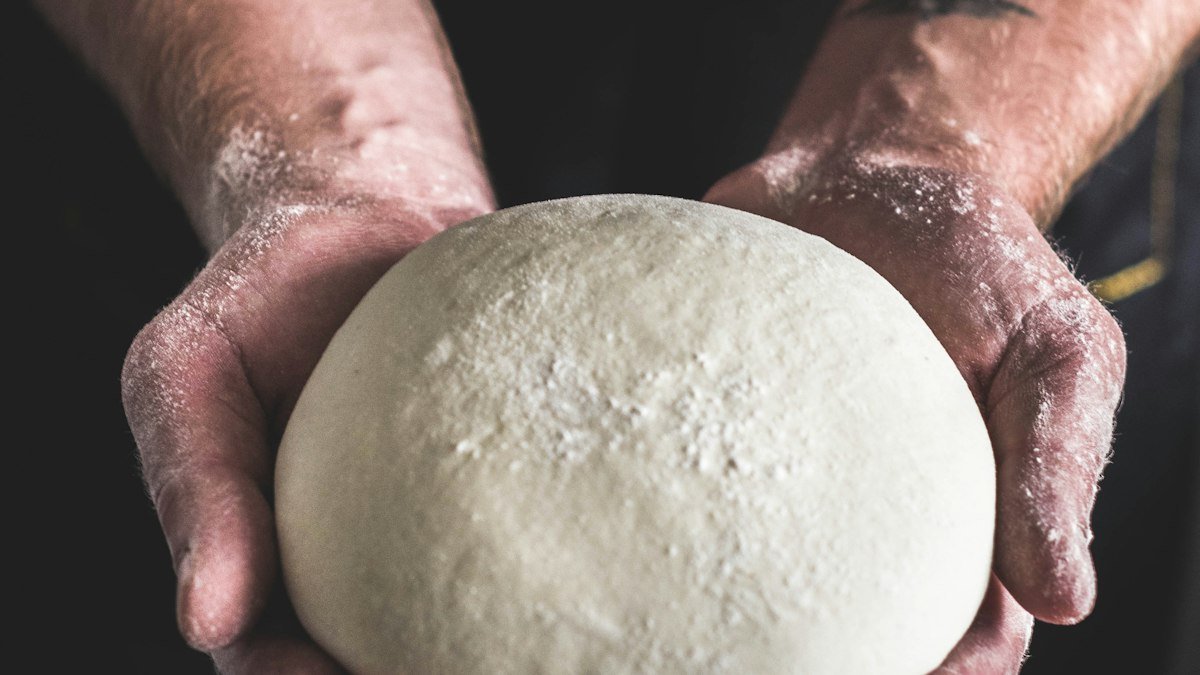
Sourdough is different from ordinary bread in one important way: time. Where a standard loaf rises in an hour or two with commercial yeast, a sourdough ferments slowly, often over twelve hours or more, with a starter that the baker keeps alive and feeds every day. That long, slow fermentation develops flavour, and it is why sourdough tastes more interesting than bread made in a hurry.
The starter is the heart of it. A starter is a jar of flour and water that has been colonised by wild yeast and lactic acid bacteria, and a good bakery will have kept the same starter going for years. Each feeding keeps the culture alive, and each loaf made from it carries a little of that history.
The other difference is keeping quality. Because the fermentation produces acidity, sourdough stays fresh longer than ordinary bread, and it makes excellent toast even when it is a few days old. A loaf that is past its best as a sandwich is often at its best in the toaster.
Best for: anyone who wants bread that tastes of something — a loaf with a real crust, a real crumb and a flavour that stands up to butter alone.
| Loaf | Character | Best moment | Serve it with |
|---|---|---|---|
| Classic country loaf | Crisp crust, open crumb, gentle tang | Everyday eating | Butter, eggs and jam |
| Wholemeal sourdough | Denser, nutty and filling | Daily sandwiches | Cheese and cold meats |
| Seeded sourdough | Crunchy seeds, malty crumb | A lunchbox sandwich | Smoked salmon or hummus |
| Rye sourdough | Dark, earthy and moist | Open sandwiches | Pickled herring or cured meats |
| Sourdough sandwich loaf | Soft crust, even slices | Toast and packed lunches | Peanut butter or grilled cheese |
| Olive sourdough | Briny, savoury and aromatic | A cheese board | Olive oil and soft cheese |
The classic: a country loaf
A classic country loaf is the sourdough to buy first. It is usually round, made mostly from white bread flour with a little wholemeal for depth, and scored across the top so it opens up in the oven. The crust should be deep golden brown and crisp enough to crackle when you press it, and the crumb inside should be soft, with irregular holes and a gentle, clean tang.
Best for: a first sourdough, everyday eating, and anyone who wants one loaf that does everything from toast to sandwiches.
Buy a country loaf the day it is baked, and let it cool fully before slicing — a warm loaf cut too soon will go gummy in the middle. Keep it cut-side down on a board, or in a paper bag, and it will stay good for two or three days.
Wholemeal and rye: the filling loaves
Wholemeal sourdough is the everyday workhorse. Made with a higher proportion of wholemeal flour, it is denser and more filling than a country loaf, with a nutty flavour that suits cheese, cold meats and hearty soups. It is the loaf to choose when bread is doing the work of a meal rather than sitting beside it.
Best for: daily sandwiches, a filling breakfast, and anyone who finds white sourdough too light.
Rye sourdough is darker and more assertive. Rye flour gives it an earthy, slightly sour character and a moist, close crumb that stays fresh for days. It is the classic bread for open sandwiches — cured fish, pickles, cured meats and strong cheese — and it is a staple of northern European baking for good reason.
Best for: open sandwiches, a cheese board, and anyone who likes a loaf with a bold, earthy flavour.
Seeded and olive: the flavour loaves
Seeded sourdough adds texture to the classic loaf. Sunflower, pumpkin, sesame and linseed are folded into the dough or pressed onto the crust, giving each slice a crunch that plain sourdough does not have. It is the most interesting sandwich bread in this guide, and it holds up well to moist fillings without going soggy.
Best for: a lunchbox sandwich, a picnic, and anyone who likes a loaf with something to bite into.
Olive sourdough is the savoury showpiece: a country loaf studded with green or black olives, sometimes with a little rosemary or lemon zest. It is best torn and eaten with olive oil, or served in thick slices beside a cheese board, where its briny flavour can stand out.
Best for: a cheese board, a sharing platter, and anyone who wants a loaf that is a talking point in itself.

The sandwich loaf: sourdough for every day
A sourdough sandwich loaf is the practical member of the family. Baked in a tin, it has a softer crust and even, square slices that fit a toaster and a lunchbox. It keeps the gentle tang of sourdough without the shattering crust of a country loaf, and it makes the best grilled cheese sandwich of any bread in this guide.
Best for: toast, packed lunches, and anyone who loves sourdough flavour but wants a softer, simpler loaf.
If you bake your own, a sandwich loaf is also the easiest sourdough to start with: the tin supports the dough, so you do not need the shaping skills a round loaf demands, and the bake is more forgiving.
Baking your own: the basics
Baking sourdough at home starts with a starter, and a starter is simpler than it sounds: flour and water, mixed and left to ferment, then fed with fresh flour and water each day until it bubbles reliably and doubles in size after feeding. Most starters take about a week to become active, and a starter from a friend or a bakery will get you going faster.
A basic loaf uses roughly four parts flour to two and a half parts water, with salt at about two per cent of the flour weight and a generous spoonful of active starter. Mix, rest, fold the dough a few times over a few hours, shape it, and leave it to prove — usually overnight in the fridge — before baking.
Baking is hot and fast: most home bakers bake at around 230 to 250 degrees Celsius, often in a lidded cast-iron pot, which traps steam and gives the loaf its crisp crust. The loaf is done when the crust is deep golden brown and the base sounds hollow when tapped.
Best for: patient bakers, weekend projects, and anyone who wants the satisfaction of a loaf made entirely by hand.
A word of caution: baking with a very hot oven and a heavy cast-iron pot needs care — use oven gloves, keep the pot on a stable surface, and let the loaf cool before slicing.
Buying checklist: choose a good loaf
Use this short checklist at the bakery, and you will avoid the two classic mistakes: buying a loaf that was baked days ago, and choosing a loaf by its label rather than its crust.
- Look for a deep golden-brown crust, not a pale one — colour means flavour.
- Pick the loaf up: a good sourdough feels light for its size and sounds hollow when tapped.
- Ask when it was baked, and buy the freshest loaf available.
- Check the ingredients: flour, water, salt and starter are all a sourdough needs.
- Match the loaf to the meal: a country loaf for the table, a sandwich loaf for the lunchbox, rye for open sandwiches.
- Store it cut-side down or in a paper bag, and freeze half a loaf if you will not finish it in two days.
If sourdough is joining a wider winter table, the guide to the best soups for winter has the bowls that bread like this was made for. For a hot drink to go with a slow morning bake, the guide to the best Keurig coffee maker covers a quick route to coffee, while the cabbage rolls guide is a hearty dish that sits well beside a thick slice of rye.
Frequently asked questions
What is the best sourdough bread for a beginner?
A classic country loaf is the best place to start: it is the most versatile sourdough, with a crisp crust, a soft crumb and a gentle tang. Buy it from a bakery on the day it is baked, and try it first with nothing more than butter.
How long does sourdough bread last?
A good sourdough stays fresh for two or three days at room temperature, stored cut-side down or in a paper bag, and it makes excellent toast for several days after that. For longer storage, slice the loaf and freeze it, then toast slices straight from the freezer.
Is sourdough bread healthier than ordinary bread?
Sourdough is often easier to digest than bread made with commercial yeast, because the long fermentation breaks down some of the compounds in flour. Wholemeal sourdough adds fibre as well. It is still bread, so portion and toppings matter, but it is a good choice for everyday eating.
Can I make sourdough without a starter?
Not really — the starter is what makes sourdough sourdough. You can make a starter at home from flour and water in about a week, or ask a bakery for a spoonful of theirs, which is a common and generous tradition among bakers.
Why is my sourdough dense and flat?
The most common causes are a starter that is not yet active enough, dough that was under-proved, or a bake that was too cool. Feed the starter until it doubles reliably after feeding, give the dough enough time to rise, and bake in a hot oven.
What is the best way to store sourdough?
Keep it at room temperature, cut-side down on a board or in a paper bag, for two or three days. Avoid the fridge, which dries bread out, and freeze any loaf you will not finish in time — sliced, so you can toast what you need.
Conclusion
The best sourdough bread for 2027 is the loaf that fits the meal: a classic country loaf for the table, wholemeal for daily sandwiches, seeded for the lunchbox, and rye for open sandwiches. Buy it fresh from a bakery when you can, store it properly, and let the toast do the rest.
Start with a country loaf, a little butter and a hot cup of coffee, and you will understand the fuss. Sourdough is the rare food that is simple, slow and entirely worth it.