A cherry tree is one of the most rewarding trees a gardener can plant, and it earns its place twice over: first with a cloud of spring blossom, then with a summer crop of fruit. The question most people ask is a practical one — how hard is a cherry tree to grow, and will it fruit in my garden? — and the honest answer is that cherries are straightforward if you choose the right type for your space and give the tree sun, good drainage and a little patience.
This guide covers the main types of cherry tree, how to choose and plant one, and how to look after it through the seasons. It also covers pruning, watering, feeding and the common problems that catch new growers out, with realistic expectations about when fruit will arrive.
Key takeaways
- A cherry tree needs full sun, well-drained soil and shelter from strong wind to fruit well.
- Sweet cherries are eaten fresh; sour cherries suit cooking, jam and baking.
- Most sweet cherry trees need a second variety nearby for pollination, so check before you buy.
- Dwarf and semi-dwarf trees suit smaller gardens and are easier to net, prune and pick.
- Prune in summer where possible, water young trees well, and expect a few years before a full crop.
Sweet, sour and ornamental: the main types
The first choice is what kind of cherry tree you want. Sweet cherries, from the species Prunus avium, are the ones eaten fresh from the tree — firm, dark and sweet when fully ripe. Sour cherries, from Prunus cerasus, are softer and sharper, and they are the right choice for cooking, pies, jam and preserves.
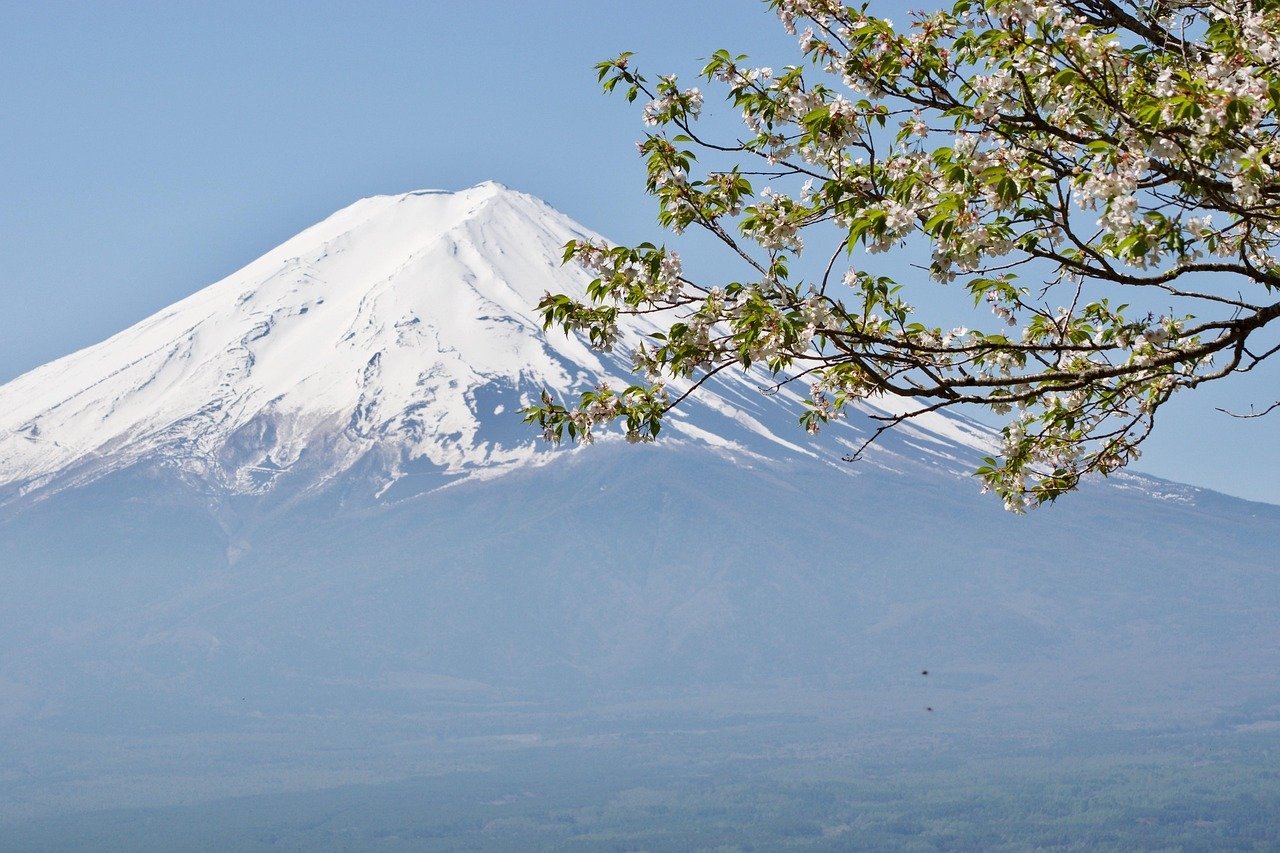
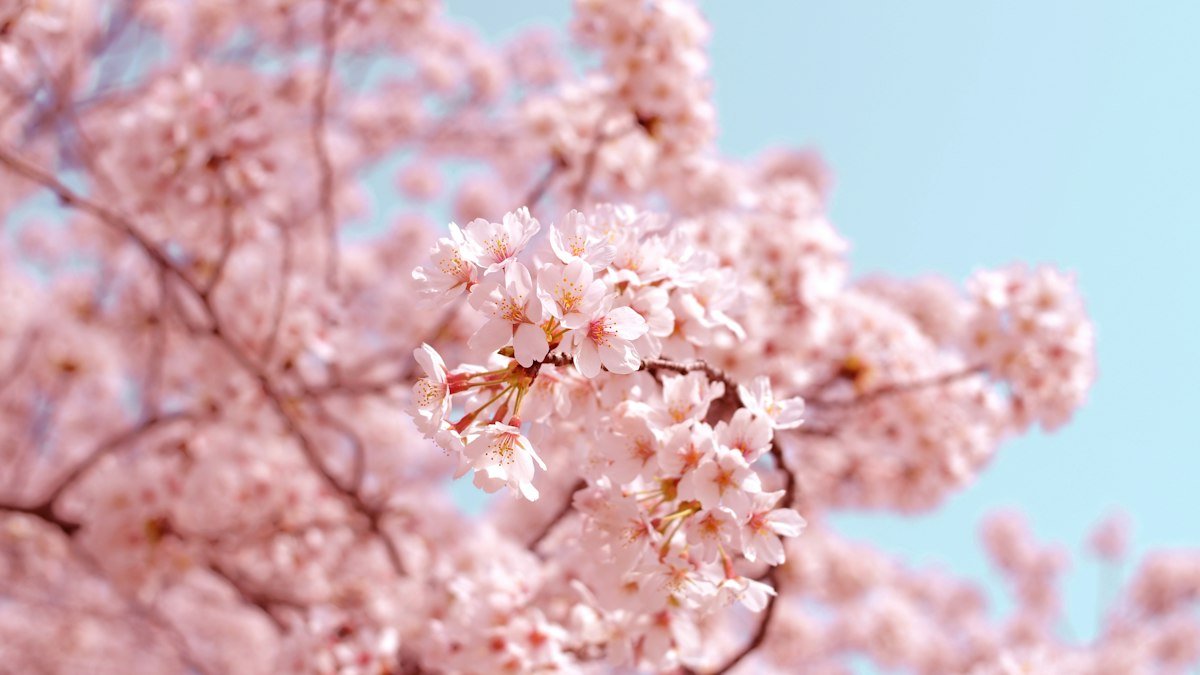
Ornamental cherries are grown for blossom rather than fruit. They are the trees that fill parks and streets with pink and white flowers in spring, and they can be a good choice if you want the display without the work of a fruit crop. Some produce small, inedible fruit, and some produce almost none at all.
Within sweet cherries there is a wide range of varieties, ripening across the early and middle summer in most temperate gardens. Early varieties fruit first, late varieties extend the season, and planting two with different ripening times can stretch the harvest over several weeks.
Best for: fresh eating straight from the tree, choose a sweet cherry; for cooking and preserving, choose a sour cherry; for blossom alone, choose an ornamental variety.
Choosing the right cherry tree for your garden
Size is the decision that matters most. A standard cherry tree can grow very large — tall and wide enough to shade a whole garden — and it needs a big space. Most home gardens are better served by a dwarf or semi-dwarf tree, grown on a rootstock that keeps it smaller, typically reaching around two to three metres for a dwarf and around three to four metres for a semi-dwarf, depending on the variety and the soil.
Pollination is the second question to settle before buying. Most sweet cherry trees are not self-fertile, which means they need another cherry variety flowering at the same time nearby to set fruit. A few varieties are self-fertile, so if you only have room for one tree, ask for one of those. Sour cherries are generally self-fertile, which makes them a simpler choice for a small garden.
| Type | Best for | Pollination | Typical size |
|---|---|---|---|
| Sweet cherry | Eating fresh | Usually needs a partner | Large unless dwarf |
| Sour cherry | Cooking, pies, jam | Usually self-fertile | Smaller than sweet |
| Ornamental cherry | Spring blossom | Not grown for fruit | Varies by variety |
| Dwarf sweet cherry | Small gardens, pots, netting | Check the variety | About 2–3 metres |
Best for: small gardens and first-time growers, a dwarf or semi-dwarf self-fertile variety keeps the tree manageable and the harvest within reach.
How to plant a cherry tree
Plant in a sunny, sheltered spot with well-drained soil. Cherries dislike wet feet, and a tree sitting in waterlogged ground is likely to struggle or fail, so avoid hollows where water gathers after rain. A gentle slope or a raised spot is better than a dip, and a wall or fence that breaks the wind will help the blossom survive spring gusts.
The best planting time in most temperate regions is late autumn or early winter, while the tree is dormant, although container-grown trees can go in during spring as well. Dig a hole wider than the root ball, loosen the soil at the bottom, and set the tree so that the graft union — the knobbly join near the base of the trunk — sits a few centimetres above soil level. Backfill with the dug soil, firm it gently, and water well.
Stake a young tree for its first year or two, tying it loosely so the trunk can still move a little in the wind. Mulch around the base with compost or bark, keeping the mulch clear of the trunk itself, to hold moisture and suppress weeds. Keep grass away from the base of a young tree, since grass competes for water and food in the first seasons.

Best for: planting in late autumn on a sunny, sheltered spot with free-draining soil, with the graft union above ground level.
Caring for a cherry tree through the year
Watering matters most in the first two or three years. A young cherry tree needs regular, deep watering during dry spells, enough to soak the root zone rather than a light sprinkle on the surface. Once established, a cherry tree is fairly tolerant of dry periods, but it will still fruit better with water during a dry spring and early summer.
Feeding should be light. A mulch of compost in spring is usually enough for a garden tree, and a general balanced feed in early spring can help a tree that is growing slowly or cropping lightly. Avoid heavy feeding with high-nitrogen fertiliser, which encourages soft leafy growth at the expense of fruit.
Pruning is best done in summer, after fruiting, rather than in winter. Cherries pruned in the dormant season are more open to a fungal disease known as silver leaf, so summer pruning is the standard advice in many regions. Remove dead, damaged or crossing branches, open the centre of the tree so light and air can reach the fruit, and keep the shape balanced. Young trees need only light formative pruning; heavy cutting back is rarely a good idea.
For more on growing food at home, the guide to burdock root covers another useful garden plant from planting to harvest. If your cherry harvest leaves you with fruit to use up, the guide to eating healthier with cooked vegetables has practical ideas for seasonal produce. And for fruit eaten fresh as a snack, the roundup of trending healthy snacks is a handy reference.
Best for: a light annual routine — mulch in spring, water young trees deeply, prune in summer, and leave established trees largely alone.
Harvest: when and how to pick cherries
A young cherry tree will not fruit heavily at once. Most trees take a few years to settle in, with a small crop first and a fuller harvest as the tree matures. That wait is normal, and a tree that fruits lightly in its second or third year is on track rather than failing.
Pick sweet cherries when they are fully coloured, firm and sweet to taste. Colour is a better guide than size, and a single taste from a ripe-looking fruit will tell you more than any calendar date. Pick with the stalk attached, which helps the fruit keep longer, and handle the fruit gently to avoid bruising.
Birds are the main rival at harvest time. They often take fruit just as it ripens, so netting a small tree a week or two before picking is the most reliable protection. Drape the net over the whole tree, secure it at the base, and check it regularly so wildlife does not get caught.
Best for: picking in the cool of the morning, tasting as you go, and netting the tree before the birds find the fruit.
Common problems and how to deal with them
Most cherry tree problems are manageable once you know what to look for. Aphids cluster on young shoots in spring, curling the leaves; they can often be dealt with by encouraging birds and ladybirds, or by washing them off with water. Cherry fruit fly can damage the fruit in some regions, and removing fallen fruit promptly helps reduce the problem next year.
Fungal diseases are the other common trouble. Brown rot can affect blossom and fruit in wet weather, and bacterial canker can cause sunken patches and gum on branches. Good air flow, summer pruning and removing affected wood all help, and buying a variety known to do well in your area reduces the risk from the start.
Poor fruiting has several causes, and it is worth working through them in order: a tree too young to crop well, a missing pollination partner, frost damage to the blossom, or a tree in too much shade. Birds taking the fruit before you notice it is also common, and it is often mistaken for a tree that did not fruit at all.
- Choose a variety suited to your climate, with a pollination partner if needed.
- Plant in full sun with well-drained soil and shelter from strong wind.
- Water young trees deeply during dry spells in the first two or three years.
- Mulch in spring and keep grass clear of the base.
- Prune in summer, removing dead, damaged or crossing wood.
- Net the tree before harvest to keep the fruit for yourself.
- Remove fallen fruit and prune out diseased wood promptly.
Best for: prevention over cure — the right variety, the right spot and a little summer pruning solve most cherry problems before they start.
Frequently asked questions
How long does a cherry tree take to fruit?
Most cherry trees begin to fruit within a few years of planting, with a light crop first and fuller harvests as the tree matures. Dwarf trees often fruit sooner than standard trees, but a few seasons of patience is normal.
Do I need two cherry trees for fruit?
Often, yes, for sweet cherries. Most sweet varieties need another cherry flowering at the same time nearby. Sour cherries and a few self-fertile sweet varieties can fruit alone, so check the label before you buy.
Can I grow a cherry tree in a pot?
Yes, if you choose a dwarf variety and a large container with good drainage. Potted trees need more frequent watering and feeding than trees in the ground, and they will need repotting or root pruning as they grow.
When should I prune a cherry tree?
Summer, after fruiting, is the usual advice. Pruning in winter leaves the tree more open to silver leaf disease, so keep winter pruning to removing clearly dead or damaged wood only.
Why did my cherry tree not fruit this year?
The common causes are a young tree, frost damage to the blossom, a missing pollination partner, too much shade, or birds taking the fruit early. Work through them in turn before assuming the tree is at fault.
How big does a cherry tree get?
A standard sweet cherry can grow very large over many years. Dwarf trees stay around two to three metres, and semi-dwarf trees around three to four metres, depending on the variety, the rootstock and the soil.
Conclusion
A cherry tree asks for a sunny spot, well-drained soil and a few years of patience, and it repays that with blossom in spring and fruit in summer. Choose the right type for your garden, plant it well, prune it in summer and protect the harvest from birds. Your next step is simple: pick a variety that suits your space, and plant it in the best sunny corner you have.