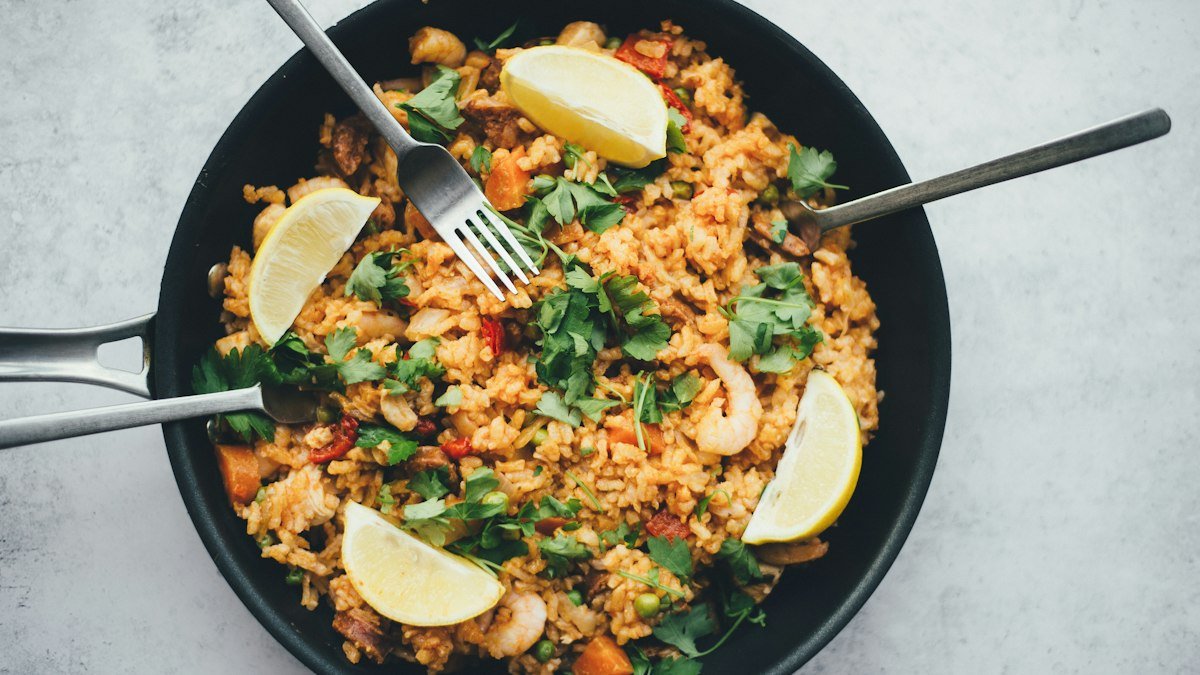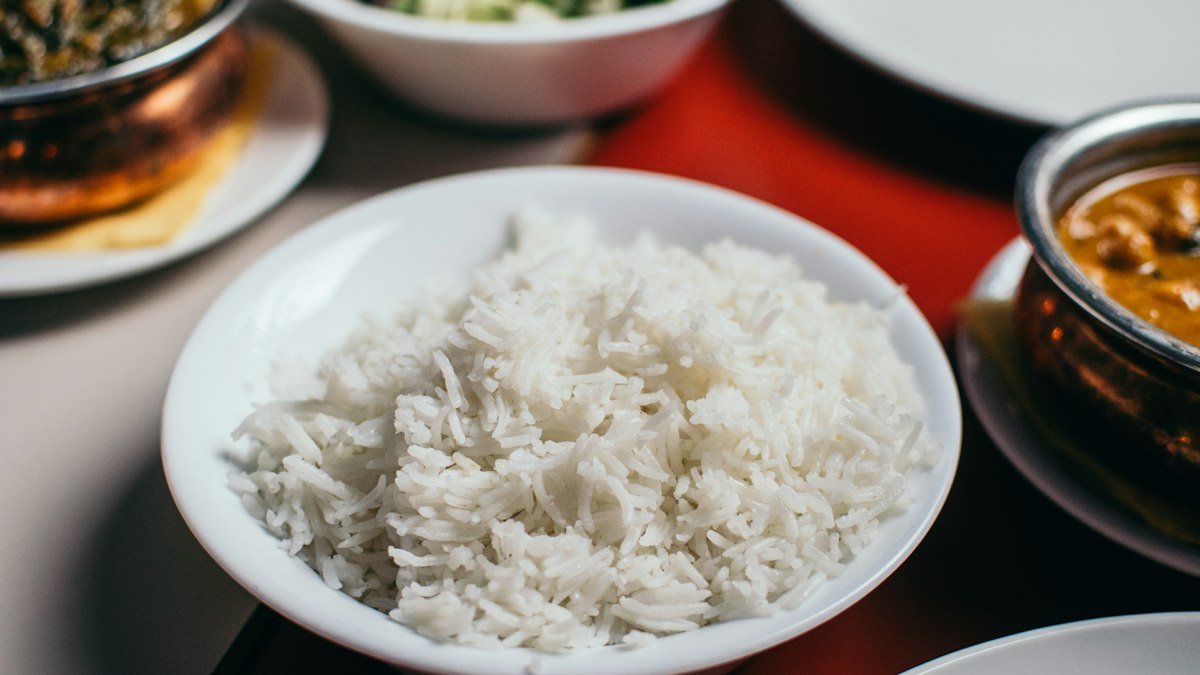
The best rice cooker is the one that makes good rice without demanding your attention, and that is the first thing most buyers notice about owning one. A rice cooker does a single job — turning dry grain and water into fluffy, evenly cooked rice — and the best models do it the same way every time, whether the rice is jasmine, basmati or short-grain. The central question is simple — which one should you buy? — and the honest answer is that the best rice cooker for most kitchens is a fuzzy-logic model from a Japanese or Korean specialist, with a simple one-button cooker suiting small households and a multi-cooker suiting cooks who want one appliance to do more.
This guide covers rice cookers as a whole, not one brand alone. The famous Japanese names deserve their place, but the market beyond them is where the best everyday buying happens: the simple cookers that cost little and last years, the induction models that cook with remarkable evenness, and the multi-cookers that steam, slow-cook and make rice in one pot. A good choice matches the cooker to how often you eat rice, and rarely needs the most expensive model on the shelf.
Key takeaways
- The best rice cooker for most kitchens is a fuzzy-logic model from a Japanese or Korean specialist such as Zojirushi, Tiger or Cuckoo.
- Fuzzy logic adjusts time and temperature as the rice cooks, which suits households that cook different grains.
- Induction models heat the whole pot evenly and suit cooks who want the most consistent results.
- Simple one-button cookers suit small households and occasional rice eaters, and cost far less.
- Multi-cookers such as the Instant Pot suit cooks who want rice plus steaming and slow cooking in one appliance.
How a rice cooker works
A rice cooker works by bringing rice and water to the boil, then holding the temperature steady while the grain absorbs the water. A sensor watches the temperature of the pot: while water is still being absorbed, the temperature stays near boiling point, and when the water is gone the temperature rises, which tells the cooker to switch to a gentle keep-warm mode. That simple feedback loop is what separates a rice cooker from a saucepan, where the same judgement has to be made by the cook.
The differences between models sit on top of that loop. Simple cookers use a single thermostat and one switch. Fuzzy-logic cookers add a small computer chip that adjusts the heat in stages, sensing how the rice is progressing and changing the timing as it goes. Induction cookers replace the heating plate with a magnetic field that heats the whole pot at once. Each step adds control, and each step adds cost, which is why the right choice depends on how much control your cooking actually needs.
Best for: cooks who want range — consistent everyday rice, different grains and hands-off cooking — without watching a pot.
| Type | Best for | Cooking | Effort |
|---|---|---|---|
| One-button cooker | Small households, occasional rice | Simple, reliable | Low |
| Fuzzy-logic cooker | Most kitchens, mixed grains | Adjusts as it cooks | Low |
| Induction cooker | Consistent results, enthusiasts | Even, precise heat | Low |
| Pressure cooker | Fast cooking, brown rice | Sealed, high heat | Low |
| Multi-cooker | One appliance for many jobs | Rice plus more | Medium |
Fuzzy logic: Zojirushi and Tiger
Fuzzy-logic cookers are the heart of the rice cooker market, and Zojirushi is the name most buyers meet first. The Japanese maker’s Neuro Fuzzy range is the classic of the form: a cooker with a computer chip that senses the rice and adjusts the heat through the cooking cycle, with settings for white rice, brown rice, porridge and more. It is the cooker to buy for a household that eats rice several times a week, and it rewards owners who use the different settings rather than cooking everything on one programme.
Tiger is the other essential Japanese name. Its Micom cookers use the same fuzzy-logic idea, with a reputation for sturdy build and a keep-warm mode that holds rice well for hours without drying it out. The two brands are close rivals, and the choice between them usually comes down to which settings, pot shape and size suit your kitchen. Together, they show what fuzzy logic does best: rice that comes out the same way every time, in a cooker that asks nothing of the cook once the lid is closed.
Best for: most households, mixed grains, and cooks who want the best balance of quality and simplicity.
Induction and pressure: the premium end
Induction cooking is the premium end of the rice cooker market, and it suits cooks who want the most even results. Zojirushi’s induction models heat the inner pot from all sides at once, rather than from a plate underneath, which means the rice cooks evenly from edge to centre. The difference is subtle in a single serving and obvious across a full pot, which is why induction suits larger households and cooks who notice texture.
Pressure rice cookers, led by the Korean maker Cuckoo, take a different route to the same goal. Cooking under pressure raises the temperature inside the pot, which cooks brown rice and mixed grains faster and more thoroughly than an ordinary cooker manages. Cuckoo’s pressure models are popular with cooks who eat brown rice, barley and other grains regularly, and the sealed lid also keeps the kitchen quiet while the rice cooks. Both approaches cost more than a fuzzy-logic cooker, and both repay the extra money only if you cook rice often enough to notice.

The premium end also suits a slower pace of buying. These are appliances that last for years, and the best time to choose one is when you know your own habits: how often you cook rice, which grains you buy, and how many people you feed. A household that eats rice daily will notice the difference every evening; a household that eats it once a month will not.
Best for: daily rice eaters, brown rice and mixed grains, and cooks who want the most consistent results.
Simple cookers and multi-cookers: the practical choices
Simple one-button cookers are the most honest appliances in the kitchen. Brands such as Panasonic and Aroma make cookers with a single switch, a non-stick pot and a keep-warm light, and they cook white rice well for years with almost nothing to go wrong. They suit small households, students and occasional rice eaters, and they cost a fraction of a fuzzy-logic model. The trade is control: there are no grain settings, no timers and no fine adjustments, so brown rice and mixed grains need more attention.
Multi-cookers are the practical answer for cooks who want one appliance to do more. The Instant Pot Duo, the best-known of them, includes a rice programme alongside pressure cooking, slow cooking and steaming, which makes it a strong choice for a small kitchen with limited cupboard space. The rice it makes is good rather than exceptional, and the settings need a little learning, but the versatility is real: one pot that makes rice on Monday, soup on Tuesday and steamed vegetables on Wednesday. Together, the simple cookers and the multi-cookers show the range of what practical buying looks like: spend little and cook simply, or spend once and cook widely.
The choice also depends on size. A cooker that is too large for a single person wastes energy and space, while a cooker that is too small for a family means cooking in batches. Think in servings rather than specifications: a small cooker suits one or two people, a mid-size cooker suits a family, and the largest models suit households that cook rice for guests as well as themselves.
Best for: small households, tight budgets, and cooks who want one appliance for many jobs.
How to choose the best rice cooker
Choosing well means matching the cooker to your habits rather than to the shelf. Start with how often you eat rice, then think about which grains you buy, then think about size. The checklist below keeps it simple.
- Count how often you eat rice — daily eaters benefit most from fuzzy logic or induction.
- List the grains you cook — brown rice and mixed grains suit pressure and induction models.
- Choose size by servings, not by the box — a mid-size cooker suits most families.
- Check the keep-warm mode if rice sits for hours — the better models hold it without drying.
- Look for a steaming tray if you steam vegetables or fish alongside the rice.
- Read the manual before first use — water ratios differ between grains and models.
For a sense of how a rice cooker fits into a wider kitchen, the guide to the best restaurants with a view is a useful companion for the evenings when you eat out instead. If the kitchen grows beyond rice, the guide to the best Keurig coffee maker covers the other countertop essential. And for the bigger picture of how a city eats beyond its kitchens, the guide to the best restaurants in Springfield, Missouri shows a smaller city with the same home-cooking logic.
Frequently asked questions
What is the best rice cooker for most people?
A fuzzy-logic cooker from Zojirushi or Tiger is the best choice for most households. It handles white rice, brown rice and mixed grains well, adjusts as it cooks, and holds rice warm without drying it out.
Is an induction rice cooker worth it?
It is worth it for daily rice eaters and larger households, where the even heating shows across a full pot. For occasional cooking, a fuzzy-logic model gives most of the benefit for less money.
Can a rice cooker cook brown rice well?
Yes, if it has a brown rice setting. Fuzzy-logic and pressure models handle brown rice best, because they give it the longer cooking time and higher heat it needs. Simple one-button cookers can struggle with it.
How much water should I use in a rice cooker?
Follow the lines inside the inner pot or the manual for your model, because ratios differ between grains and cookers. As a starting point, most white rice cooks well at roughly equal parts rice and water, adjusted to taste.
How do I clean a rice cooker?
Remove the inner pot and wash it with warm soapy water, wipe the heating plate and the inside of the lid, and let everything dry before reassembling. Avoid scouring the non-stick surface, and clean the steam vent regularly.
Can I cook other grains in a rice cooker?
Yes. Most fuzzy-logic and multi-cookers handle quinoa, barley and oats, and many have dedicated settings for them. Check the manual for water ratios, which differ from white rice.
Conclusion
The best rice cooker is the one that matches how often you eat rice. Choose a fuzzy-logic model from Zojirushi or Tiger for everyday cooking, an induction or pressure model if you eat rice daily or cook brown rice often, and a simple one-button cooker or a multi-cooker if you want value or versatility. Read the manual, learn your water ratios, and let the cooker do the watching. A short safety note: the lid and steam vent get very hot during cooking, so keep hands and faces clear when opening the cooker, unplug it when not in use, and keep the cord away from children.