The best rice steamer is the one that makes fluffy, evenly cooked rice without fuss, and that is the first thing most buyers notice about owning one. Steaming cooks rice gently, with hot vapour rather than direct heat, which keeps the grains separate, preserves their texture, and makes it hard to burn the pot. The central question is simple — which steamer should you buy? — and the honest answer is that the best rice steamer for most kitchens is a bamboo basket set for traditional cooking, with an electric steamer suiting busy households and a multi-cooker suiting cooks who want steaming plus more in one appliance.
This guide covers rice steamers as a whole, not one type alone. The bamboo baskets deserve their place, but the market beyond them is where the best everyday buying happens: the electric steamers that time themselves, the microwave steamers that suit small kitchens, and the multi-cookers whose steaming trays turn rice night into a full meal. A good choice matches the steamer to how often you cook rice, and rarely needs the most expensive option on the shelf.
Key takeaways
- The best rice steamer for most kitchens is a bamboo basket set for traditional cooking, or an electric steamer for hands-off timing.
- Bamboo baskets steam gently and stack, which suits cooks who steam rice and vegetables together.
- Electric steamers add timers and keep-warm modes, which suit busy households and beginners.
- Microwave steamers suit small kitchens and single servings, with almost nothing to store.
- Multi-cookers such as the Instant Pot suit cooks who want rice steaming plus pressure cooking in one appliance.
How a rice steamer works
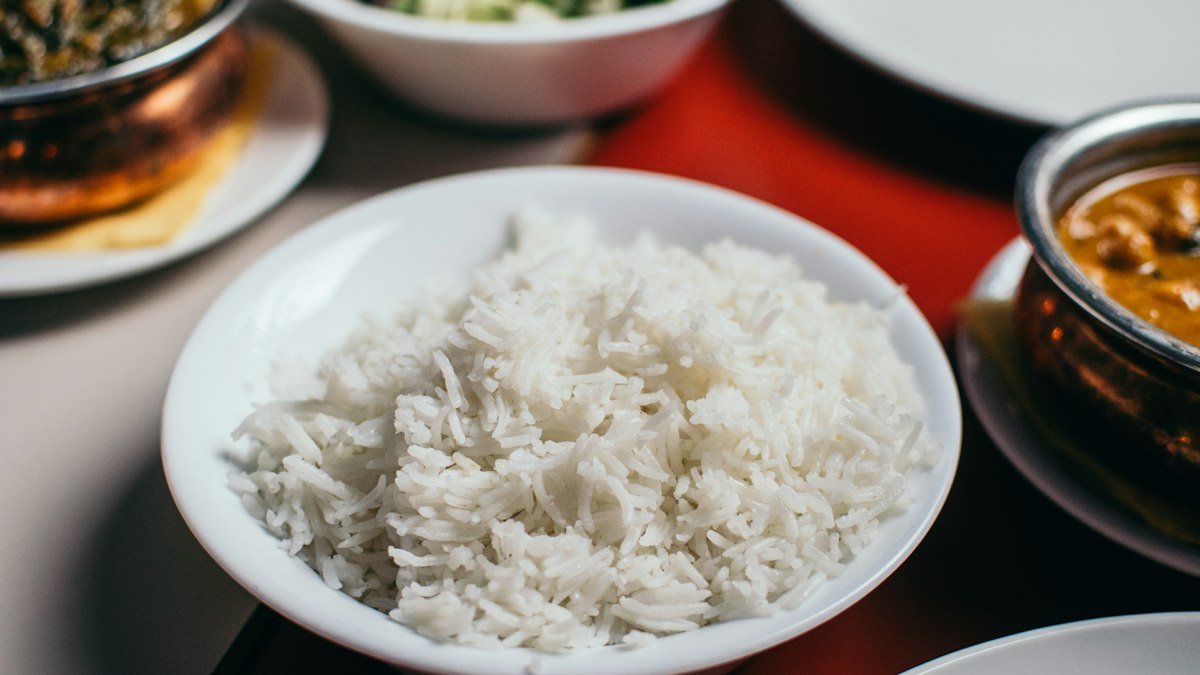
A rice steamer works by holding rice above boiling water so that hot steam cooks the grain from all sides. The rice sits in a basket or tray, the water boils below it, and the steam rises through the grain, cooking it evenly without the rice ever touching the heat directly. That separation is what gives steamed rice its texture: separate grains, no sticking, and no scorched layer at the bottom of the pot.
The differences between steamers sit on top of that idea. Bamboo baskets rely on the cook to manage the heat and the time. Electric steamers add a heating element, a water reservoir and a timer that switches the steamer off or to keep-warm when the water runs low. Microwave steamers use the microwave as the heat source, with a vented container doing the rest. Each step adds convenience, and each step changes the flavour and texture slightly, which is why the right choice depends on how you like your rice.
Best for: cooks who want range — fluffy everyday rice, steamed vegetables alongside, and gentle cooking — without watching a pot.
| Type | Best for | Cooking | Effort |
|---|---|---|---|
| Bamboo basket | Traditional cooking, mixed steaming | Gentle, aromatic | Medium |
| Electric steamer | Busy households, beginners | Timed, hands-off | Low |
| Microwave steamer | Small kitchens, single servings | Fast, compact | Low |
| Stovetop steamer pot | Families, large batches | Sturdy, roomy | Medium |
| Multi-cooker tray | One appliance for many jobs | Steaming plus more | Medium |
Bamboo baskets: the traditional choice
Bamboo steamer baskets are the oldest rice steamers still in everyday use, and they remain the best choice for cooks who value flavour and control. A set of woven baskets stacks over a wok or a pot of boiling water, with each layer holding rice, vegetables, dumplings or fish, so a whole meal can steam at once. The bamboo absorbs some of the moisture as it cooks, which keeps the rice from going soggy, and it adds a faint, woody aroma that no plastic or metal steamer reproduces.
The trade is attention. Bamboo baskets need the cook to watch the water level, manage the heat and judge the time, and they need care after cooking: rinse them, dry them fully, and store them somewhere airy so they do not go musty. They suit cooks who enjoy the ritual and cook rice often enough to learn the timing by feel. For everyone else, the convenience of an electric steamer is usually worth the trade in character.
Best for: traditional cooking, steaming rice and vegetables together, and cooks who enjoy hands-on methods.
Electric steamers: the hands-off choice
Electric steamers are the most practical choice for busy households, and Hamilton Beach makes the best-known of them. Its digital food steamer is the classic of the form: a tiered electric steamer with a timer, a water reservoir and a keep-warm mode, where the rice goes in one tier and vegetables or fish in another. It suits cooks who want to set the timer and walk away, and it rewards owners who use the tiers rather than steaming one thing at a time.
Other electric steamers follow the same pattern with different details: some use rice bowls that sit inside the steamer, some use larger single tiers for family servings, and some add delayed starts for cooks who want rice ready when they get home. The cooking is consistent across them, because the timer and the water level do the work that a bamboo basket leaves to the cook. The trade is storage: an electric steamer is a bulky appliance, and it earns its cupboard space only if it is used often.

The electric end of the market also suits a slower pace of buying. These are appliances that last for years, and the best time to choose one is when you know your own habits: how often you steam rice, whether you steam vegetables with it, and how many people you feed. A household that steams rice daily will use the timer every evening; a household that steams it once a month will not.
Best for: busy households, beginners, and cooks who want timed, hands-off steaming.
Microwave steamers and multi-cookers: the compact choices
Microwave steamers are the most compact rice steamers of all. A vented container goes into the microwave with rice and water, the microwave provides the heat, and the steam does the cooking in minutes. They suit single people, students and small kitchens, and they cost little and store almost anywhere. The trade is capacity: a microwave steamer makes one or two servings well and struggles with a family batch, and the texture can be less even than a bamboo basket or an electric steamer manages.
Multi-cookers are the practical answer for cooks who want one appliance to do more. The Instant Pot, the best-known of them, includes a steaming tray alongside its pressure cooking, slow cooking and rice programmes, which makes it a strong choice for a small kitchen with limited cupboard space. Rice can be steamed on the tray while a curry or stew cooks below, which turns one pot into a whole meal. The rice it makes is good rather than exceptional, and the settings need a little learning, but the versatility is real: one pot that steams rice on Monday, cooks soup on Tuesday and slow-cooks on Wednesday. Together, the microwave steamers and the multi-cookers show the range of what compact buying looks like: spend little and steam simply, or spend once and steam widely.
The choice also depends on the rice itself. Long-grain rice such as basmati steams beautifully in any steamer, short-grain rice suits bamboo baskets and electric steamers, and brown rice needs longer steaming whatever the method. Rinsing the rice before steaming matters in every case: it washes away surface starch, which is what keeps the grains separate.
Best for: small kitchens, single servings, and cooks who want one appliance for many jobs.
How to choose the best rice steamer
Choosing well means matching the steamer to your habits rather than to the shelf. Start with how often you steam rice, then think about whether you steam vegetables with it, then think about size. The checklist below keeps it simple.
- Count how often you steam rice — daily steamers benefit most from electric or bamboo models.
- Decide whether you steam vegetables or fish alongside — tiered steamers suit whole meals.
- Choose size by servings — a small steamer suits one or two people, a tiered model suits a family.
- Check the timer and keep-warm mode if rice sits for a while — the better models hold it without drying.
- Rinse the rice before steaming — it keeps the grains separate in every type of steamer.
- Read the manual before first use — water levels and times differ between rice types and models.
For a sense of how a steamer fits into a wider kitchen, the guide to the best rice cooker is the natural companion, comparing the other way to cook rice well. If the kitchen grows beyond rice, the guide to the best Keurig coffee maker covers the other countertop essential. And for the evenings when you eat out instead, the roundup of the best pizza and brew pairings is a handy reference for feeding a group without fuss.
Frequently asked questions
What is the best rice steamer for most people?
A bamboo basket set is the best choice for traditional cooking, and an electric steamer is the best choice for hands-off timing. Most households will be happy with either, and the deciding factor is usually whether you enjoy managing the heat yourself.
Is steamed rice healthier than boiled rice?
Steaming and boiling are similar nutritionally, since both cook rice in water or steam without added fat. The advantage of steaming is texture and control rather than nutrition: separate grains and no risk of scorching.
Can I steam vegetables with rice?
Yes, and it is one of the best reasons to own a tiered steamer. Put the rice in the lower tier and quicker-cooking vegetables above it, so everything finishes at the same time.
How long does rice take to steam?
It depends on the rice and the steamer, but white rice usually takes around twenty to thirty minutes, while brown rice takes considerably longer. Check the manual for your model and rice type, and taste before serving.
How do I clean a bamboo steamer?
Rinse it with hot water and a soft brush, without soap if you can, and dry it fully before storing. Never soak a bamboo basket for long, and store it somewhere airy so it does not go musty.
Can I cook brown rice in a steamer?
Yes, but give it more time and more water than white rice. Electric steamers and multi-cookers handle brown rice best, because they hold a steady temperature for the longer cooking time it needs.
Conclusion
The best rice steamer is the one that matches how often you steam rice. Choose a bamboo basket set for traditional cooking, an electric steamer for timed, hands-off meals, and a microwave steamer or a multi-cooker if you want compactness or versatility. Rinse the rice, learn your timings, and let the steam do the work. A short safety note: steam is very hot and invisible at the lid, so open steamers away from your face, use oven gloves when lifting hot tiers, and keep children away from the steamer while it is running.