The best restaurants on the Upper East Side are the ones that have survived the neighbourhood’s own test: decades of regulars, museum crowds and families who eat out often and remember everything. This is one of New York’s oldest dining neighbourhoods, a stretch of Manhattan between Central Park and the East River where French dining rooms, Austrian cafes and old-school burger counters sit within a few blocks of each other. The central question is simple — where should you actually eat? — and the honest answer is that the best meals here split between the grand dining rooms of the East 60s and 70s, the brunch tables of Madison Avenue, and the unfussy neighbourhood rooms further east, with each doing something the others cannot.
This guide covers the Upper East Side as a whole, not one avenue alone. The famous rooms deserve their place, but the neighbourhood beyond them is where the best everyday eating happens: the breakfast tables that fill up on Saturday mornings, the Italian rooms that have served the same families for generations, and the cafes tucked into the museum district. A good day here moves between the two, and rarely needs a reservation made weeks ahead outside the grandest rooms.
Key takeaways
- Upper East Side dining splits into grand dining rooms, Madison Avenue brunch tables and unfussy neighbourhood rooms further east.
- The East 60s and 70s hold the most famous tables, including Daniel and The Mark, and reward booking ahead.
- Madison Avenue suits slow mornings, with Sarabeth’s and Café Sabarsky anchoring the brunch scene.
- York Avenue and the side streets hold the neighbourhood favourites, from burgers at JG Melon to Italian cooking at Elio’s.
- Museum Mile makes a natural anchor for a day of eating: lunch near the museums, dinner further south.
How Upper East Side dining works
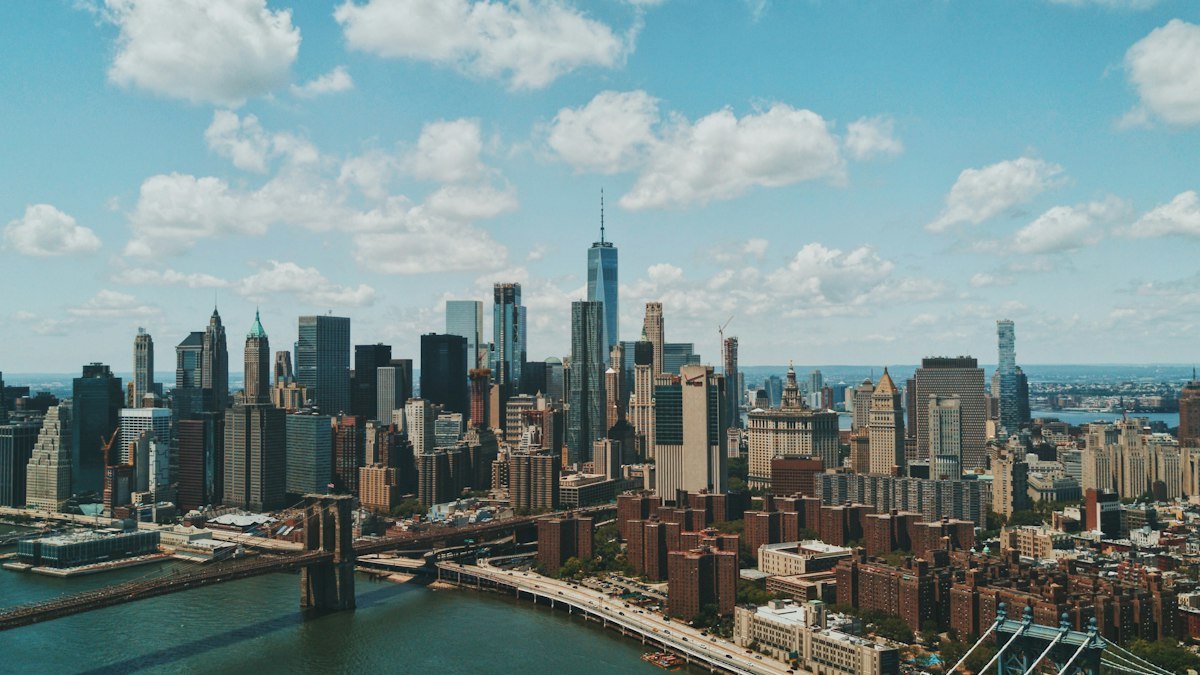
The Upper East Side runs roughly from East 59th Street to East 96th Street, between Central Park and the East River, and its dining scene follows that geography. The grandest rooms sit in the East 60s and 70s, close to the park and the hotels. Madison Avenue carries the shopping and brunch trade. Further east, towards York Avenue and the river, the rooms get smaller, friendlier and more local. Distances are short, the streets are calm by Manhattan standards, and most of the best-known restaurants sit within a walkable grid.
The food reflects the people who live here. This is a neighbourhood of long-term residents, and its restaurants are built for repeat visits rather than one-off spectacles. Menus change with the seasons, dining rooms stay elegant without shouting about it, and the best tables are the ones where the staff recognise returning guests. That steadiness is the thread that runs through the neighbourhood’s best cooking, from French dining rooms to breakfast counters.
Best for: travellers who want range — grand dining rooms, classic brunch tables and neighbourhood cooking — in a calm, walkable part of Manhattan.
| Area | Best for | Mood | Booking |
|---|---|---|---|
| East 60s and 70s | Grand dining rooms, special occasions | Polished, formal | Book well ahead |
| Madison Avenue | Brunch, cafes, museum days | Bright, leisurely | Walk-ins usually fine |
| York Avenue and the East 80s | Neighbourhood rooms, burgers, Italian cooking | Easygoing, local | Walk-ins usually fine |
| Museum Mile | Lunch between museums, coffee stops | Cultured, unhurried | Walk-ins usually fine |
The grand dining rooms: Daniel, The Mark and Sant Ambroeus
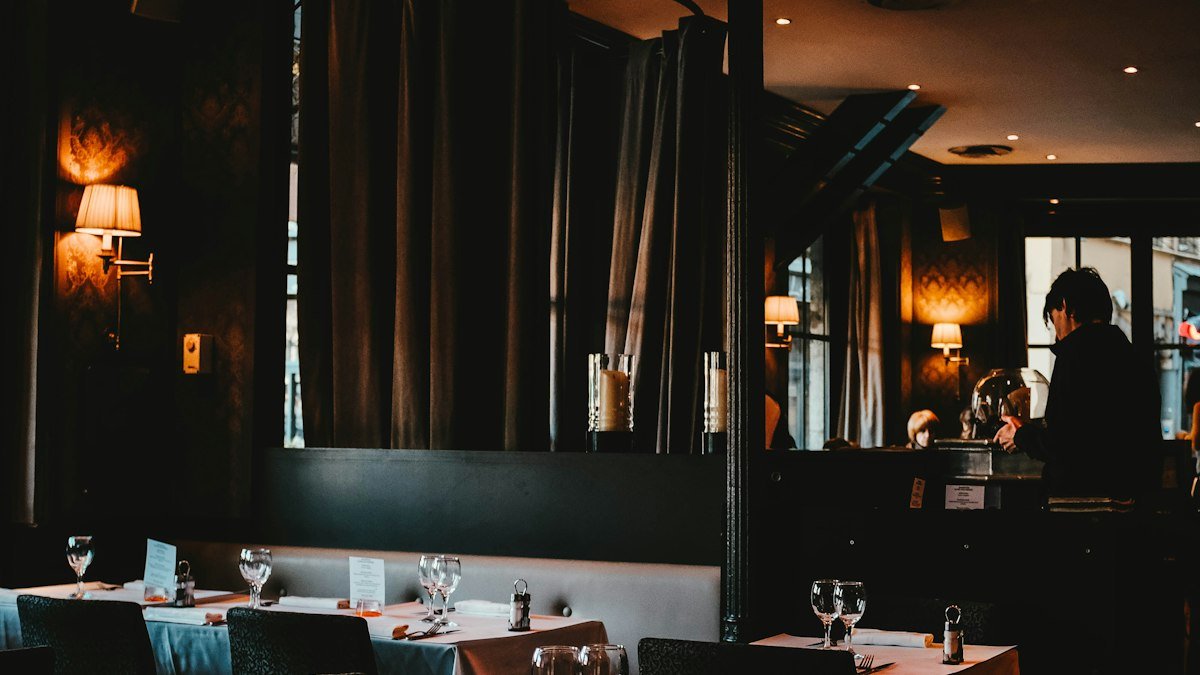
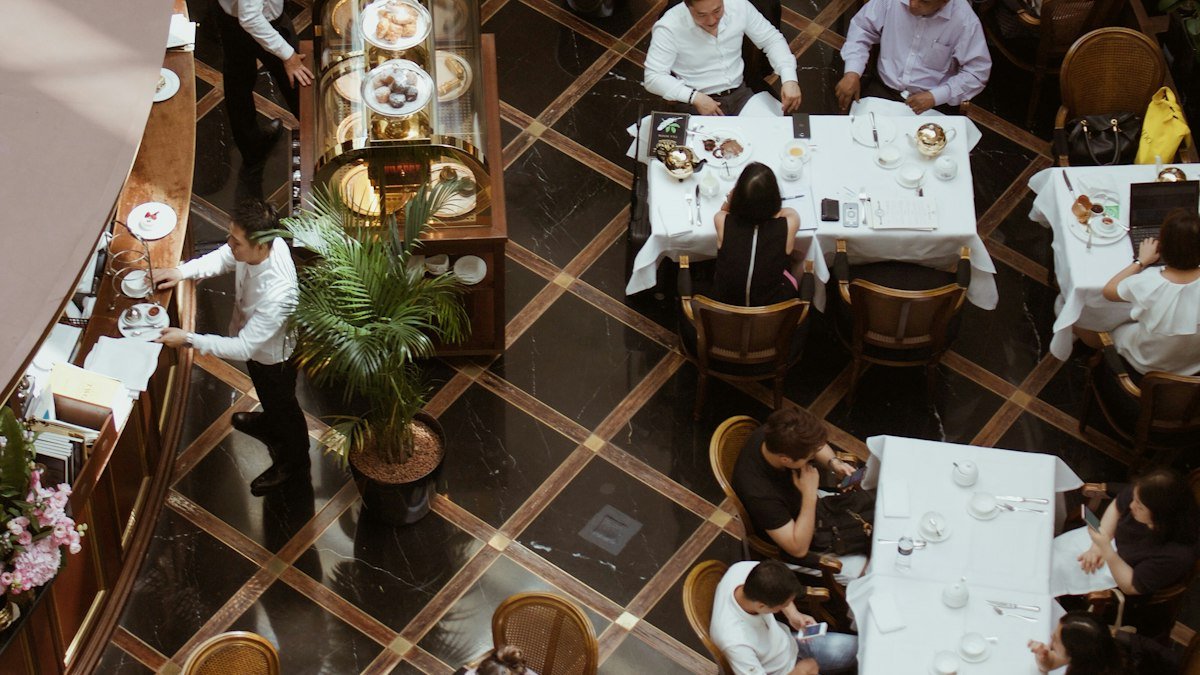
The grand dining rooms are where the Upper East Side’s reputation was made. Daniel, on East 65th Street, is the neighbourhood’s most famous French restaurant, a formal dining room from chef Daniel Boulud where the cooking is classical, the service is exact, and the room itself — high ceilings, soft light, white tablecloths — sets the tone for the whole evening. It is the table to book for a milestone, and it rewards diners who treat it as the occasion it is.
The Mark, in the hotel of the same name on East 77th Street, is the modern counterpoint: a Jean-Georges Vongerichten dining room that is polished without being stiff, with a menu that moves between French technique and lighter, contemporary cooking. Sant Ambroeus, on Madison Avenue, is the third pillar of this group, a Milanese cafe and restaurant that has served the neighbourhood for generations, equally suited to a long lunch and a quiet dinner. Together, the three rooms show what the grand side of the neighbourhood does best: cooking that respects tradition, in rooms that have earned their calm.
Best for: special occasions, classic French and Italian cooking, and travellers who want the Upper East Side at its most polished.
Brunch and daytime: Sarabeth’s and Café Sabarsky
Brunch is one of the best meals on the Upper East Side, and the neighbourhood’s daytime tables are worth planning around. Sarabeth’s, on Madison Avenue, is the classic of the form: a bright, busy room known for its breakfast cooking and its jams, where weekend mornings fill up early and the crowd mixes locals with visitors who have done their research. It is the kind of place that makes a slow morning feel like the main event of the day.
Café Sabarsky, inside the Neue Galerie on East 86th Street, is the other essential daytime table. The room is modelled on a Viennese cafe, with marble tables, dark wood and a pastry case that draws its own queue, and the cooking leans Austrian: strudels, schnitzels and coffee served properly. It sits at the top of Museum Mile, which makes it a natural stop during a day among the museums, and the room is beautiful enough to be a destination on its own.

The daytime scene also suits a slower pace. The cafes along Madison Avenue fill up after the museums open, and the walk from the Metropolitan Museum of Art down towards East 70th Street is one of the pleasantest in the city, with bookshops, galleries and coffee counters along the way. It is the side of the neighbourhood that feels most like a village, and it is worth a morning even if dinner happens elsewhere.
Best for: slow weekend mornings, museum days, and travellers who want the classic Upper East Side brunch.
Neighbourhood favourites: JG Melon, Elio’s and the side streets
The side streets east of Madison Avenue hold the rooms that locals actually eat in most often. JG Melon, on East 74th Street, is the best-known of them: a small, wood-panelled burger counter that has served the neighbourhood for decades, where the burgers are simple, the portions are generous, and the room feels unchanged in the best way. It is the counterpoint to the grand dining rooms, and it is every bit as essential to understanding how the neighbourhood eats.
Elio’s, on East 84th Street, is the Italian answer to the same idea: a warm, old-school room serving the kind of Italian-American cooking that has kept the neighbourhood’s families coming back for years. The dining room is intimate, the menu is built around familiar dishes done well, and the atmosphere is the point as much as the food. Together, the two rooms show the range of what the side streets do best: honest, filling food in rooms that welcome everyone, without ceremony.
The streets further east reward wandering. York Avenue and the avenues around it hold delis, coffee shops and small restaurants that serve the people who live in the neighbourhood rather than the people passing through it. The cooking is less famous than the grand rooms, but it is often more relaxed, and the tables are calmer, easier to reach and friendlier to families and groups.
Best for: casual dinners, burgers and Italian cooking, and travellers who want the local side of the Upper East Side.
How to plan a day of eating on the Upper East Side
A day is enough to eat well across the Upper East Side if you plan by area rather than by craving. Use Museum Mile for a late morning, Madison Avenue for brunch, a grand dining room for the big dinner, and a side-street room for a calm lunch. The checklist below keeps it simple.
- Start with brunch on Madison Avenue — it sets the tone for the whole day.
- Book ahead for Daniel and The Mark, especially on Friday and Saturday nights.
- Use Museum Mile for a late morning, with Café Sabarsky as the natural break.
- Try the neighbourhood classics at least once: a burger at JG Melon and a long lunch at Sant Ambroeus.
- Keep a casual backup in mind for every evening, so a full restaurant never means a missed meal.
- Check opening days and hours before you travel — some local rooms close one or two days a week.
For a sense of how the Upper East Side compares with other American dining neighbourhoods, the guide to the best restaurants in St. Louis is a useful companion: both scenes mix classic cooking with strong local traditions. If the day ends with a casual night in, the roundup of the best pizza and brew pairings is a handy reference for feeding a group without fuss. And for the bigger picture of how a city eats beyond its centre, the guide to the best restaurants in Sedona shows a smaller city with the same neighbourhood logic.
Frequently asked questions
Where should I eat on my first night on the Upper East Side?
The grand dining rooms are the best bet for a first night: Daniel and The Mark show the polished side of the neighbourhood, and Sant Ambroeus is a calmer alternative if you want the same quality without the formality.
What food is the Upper East Side known for?
The neighbourhood is known for classic French dining, Milanese cafes, Austrian coffee-house cooking and old-school American rooms. Brunch is a particular strength, and the burger counters and Italian rooms carry the local side of the scene.
Do I need to book restaurants on the Upper East Side in advance?
The grand dining rooms need booking ahead, especially on weekend evenings. Most neighbourhood restaurants and brunch tables are walk-in friendly, though Sarabeth’s fills up early on weekend mornings.
Is the Upper East Side good for families?
Yes. The neighbourhood is full of family restaurants, casual kitchens and brunch rooms, especially on Madison Avenue and the side streets. The grand dining rooms suit older children best, while the museums make a family day easy to plan.
Which museums are on Museum Mile?
Museum Mile runs along Fifth Avenue from East 82nd to East 105th Street and includes the Metropolitan Museum of Art, the Guggenheim, the Neue Galerie and several smaller museums. It is the natural spine for a day that mixes culture with eating.
How expensive is eating out on the Upper East Side?
It varies, but the neighbourhood covers the full range. Casual meals on the side streets and at brunch tables are moderate, while the grand dining rooms cost considerably more. Menus change often, so check them online before you go.
Conclusion
The best restaurants on the Upper East Side reward visitors who eat across the whole neighbourhood. Start with brunch on Madison Avenue, use Museum Mile for a late morning, save a grand dining room for the big evening, and fit in a side-street burger and an Italian dinner for good measure. Check menus and opening hours before you travel, and book ahead for the grand rooms. Your next step is simple: pick your first brunch, and make it on Madison Avenue.