What if the hardest part of planning an American trip isn’t the budget or the flights, but simply picking where to go? The United States spans 50 states, dozens of major national parks, and thousands of miles of coastline. That range is a gift and a problem at the same time.
This roundup keeps things concrete. Each entry below names a specific place, explains who it suits, what it does best, and where it falls short. A comparison table comes first so readers can scan fast, then the destinations, then a short guide to choosing between them.
Quick Comparison of the Top US Destinations
| Destination | Best for | Standout draw | Main limitation |
|---|---|---|---|
| New York City, New York | First-timers, culture seekers | Skyline views and walkable neighborhoods | Crowds and high costs |
| Grand Canyon, Arizona | Big-scenery travelers | A mile-deep canyon visible from space | Views require effort to reach |
| New Orleans, Louisiana | Food and music lovers | Creole cuisine and live music | Summer heat and humidity |
| Sedona, Arizona | Hikers and photographers | Red rock formations against evergreen brush | Limited trails for casual walkers |
| Great Smoky Mountains, Tennessee/North Carolina | Budget-conscious nature trips | Mist-covered peaks | Heavy traffic in peak season |
| Bar Harbor, Maine | Seafood and coastal scenery | Lobster rolls plus Acadia National Park | Short summer window |
| Cape Cod, Massachusetts | Summer family vacations | Beaches, lighthouses, whale watching | Seasonal crowds |
| Moab, Utah | Adventure travelers | Desert wonderlands and rock formations | Extreme summer heat |
| Waikiki, Oahu, Hawaii | Beach lovers | Two miles of iconic sand below Diamond Head | Very busy beach |
| Anchorage, Alaska | Wildlife and wilderness | Mountain trails and Native heritage sites | Short warm season |
| Michigan’s Upper Peninsula | Road trippers | Rocky beaches and mineral-streaked cliffs | Long drives between stops |
| Greenville, South Carolina | Families and foodies | Downtown falls and Southern fare | Smaller scale than big cities |
1. New York City, New York

New York suits first-time visitors who want a dense, walkable dose of American culture. The city’s biggest strength is vertical: skyline views from observation decks and the classic climb to the 86th floor of the Empire State Building, more than 1,000 feet up. Hop-on hop-off buses and free walking tours make orientation easy for newcomers.
The limitation is obvious to anyone who has been. Prices run high and popular attractions fill up, so booking observation decks in advance matters more than most travelers expect. A common mistake is packing five major sights into one day; two is realistic.
2. Grand Canyon, Arizona
The Grand Canyon suits travelers chasing scale they cannot get anywhere else. It runs 277 miles long and a mile deep, and one traveler who has visited all 50 states and every major national park calls standing at its edge a genuinely humbling experience. A helicopter flight from the South Rim reveals the full canyon in a way the rim view cannot.
The catch is that the canyon is easy to miss. There is no gradual transition; the plateau simply ends and the canyon begins. Visitors who drive past without planning a proper stop see nothing. Budget time for the rim, and book aerial tours early because seats are limited.
3. New Orleans, Louisiana
New Orleans suits food lovers and music fans who want a city with a personality unlike anywhere else in the country. Creole cuisine, live music, and charming neighborhoods form the core of the experience. Mardi Gras season, running from January 6 until the day before Ash Wednesday, turns the city into parades, lights, and color.
The limitation is timing. Outside festival season the city is calmer, and summer brings heavy heat and humidity that can flatten a walking itinerary. The same traveler who has been to all 50 states lists New Orleans alongside New York as a place everyone should experience at least once.
4. Sedona, Arizona
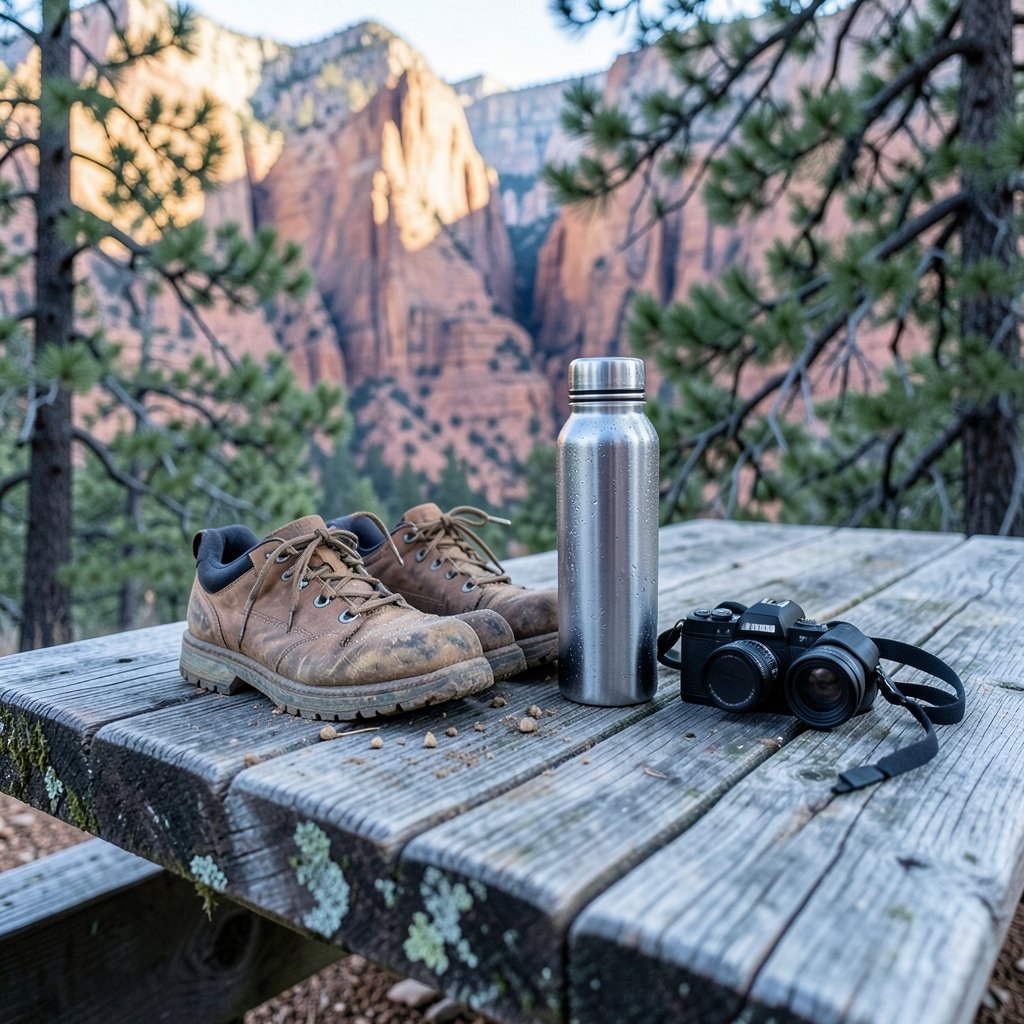
Sedona suits hikers, photographers, and anyone who wants dramatic scenery without a strenuous expedition. The contrast between deep orange red rocks and evergreen brush makes the area instantly recognizable. Adventure sports and short walks along hundreds of trails are both on the table.
The weak spot is accessibility for casual visitors. Some of the best-known trails are longer or rougher than they look in photos, and the town itself gets busy on weekends. Travelers with mobility limits should confirm trail surfaces before committing.
5. Great Smoky Mountains, Tennessee and North Carolina
The Great Smoky Mountains suit budget-conscious travelers who want mist-covered peaks and forested drives. The range sits within a day’s drive of much of the eastern US, which makes it a practical long-weekend destination.
Its limitation is popularity. Scenic roads and trailheads clog during fall foliage season, and parking fills early. Arriving before 8 a.m. is the difference between a peaceful hike and a circling car. For readers weighing a move toward outdoor work and travel, resources on a career as a young entrepreneur and how to start offer useful context on building flexible income around travel.
6. Bar Harbor, Maine
Bar Harbor suits seafood lovers and coastal wanderers. The sleepy bayside town wakes up in summer, when visitors crowd the seafood restaurants for fresh fish stew and lobster rolls. A boat ride around the Cranberry Islands offers a quiet counterpoint, and Acadia National Park next door delivers granite peaks and rocky beaches.
The limitation is the season. Bar Harbor’s appeal collapses into a few warm months, and summer prices reflect that. Book lodging well ahead or accept a smaller choice of rooms.
7. Cape Cod, Massachusetts
Cape Cod suits families and summer vacationers. The hook-shaped peninsula delivers lighthouses, whale watching, seafood shacks, and soft beaches, plus wineries and breweries for adults. Provincetown, at the northern tip, adds art galleries, nightlife, and the bustle of Commercial Street.
The limitation is crowding. Cape Cod is a summer destination, and the season shows. Parking at popular beaches and the Cape Cod National Seashore fills early, and the drive onto the Cape can add hours on summer weekends.
8. Moab, Utah
Moab suits adventure travelers who want desert wonderlands and red rock formations. It pairs well with a broader Utah road trip and rewards travelers who plan around sunrise and sunset rather than midday.
The limitation is heat. Summer afternoons can be punishing on exposed trails, and water crossings and shade are scarce. Travelers who hate early alarms should consider spring or fall instead.
9. Waikiki, Oahu, Hawaii
Waikiki suits beach lovers who want convenience alongside scenery. The two-mile stretch of sand sits below the volcanic peak of Diamond Head, with historic hotels like the Moana Surfrider and the Royal Hawaiian along the waterfront. Surf lessons, outrigger canoe rides, and waterfront restaurants fill the days.
The limitation is that Waikiki is not a quiet beach. It draws thousands of visitors at once, so travelers seeking solitude should look at other parts of Oahu. Evening options are strong, including a concentration of nightspots.
10. Anchorage, Alaska
Anchorage suits travelers who want wilderness and wildlife without giving up city comforts. Key attractions include Flattop Mountain, the Alaska Native Heritage Center, the Anchorage Museum, Potter Marsh Bird Sanctuary, and the Alaska Wildlife Conservation Center.
The limitation is the calendar. The warm season is short, and many outdoor experiences depend on it. Travelers should also budget generously, since Alaska trips tend to cost more than equivalent days in the lower 48.
11. Michigan’s Upper Peninsula
Michigan’s Upper Peninsula suits road trippers who want coastlines without ocean prices. The region holds an astounding number of inland lakes, including three of the Great Lakes, and drivers get rocky beaches, sandstone cliffs, and jewel-toned water along the way.
The highlight is Pictured Rocks National Lakeshore on Lake Superior, known for colorful mineral streaks in the cliffs. Rock collectors hunt agate, amethyst, and fluorescent Yooperlites that glow under ultraviolet light. The limitation is distance: stops are spread out, and a rushed itinerary means hours behind the wheel.
12. Greenville, South Carolina
Greenville suits families and foodies looking for a walkable Southern city. Falls Park on the Reedy sits just off the tree-lined main street, where pathways link city blocks to cascading rocks. A children’s museum, a small zoo, and Southern restaurants round out the appeal.
The limitation is scale. Greenville is a compact city, not a week-long destination on its own. It works best as a base for exploring South Carolina’s Upcountry.
How to Choose Between These Destinations
Start with the season, not the photos. Cape Cod and Bar Harbor are summer plays, Alaska has a narrow warm window, and Moab and Sedona punish midday summer heat. If dates are fixed, let weather narrow the list first.
Then match the trip to the traveler. First-timers often get the most from New York City or New Orleans, where culture is dense and walkable. Nature-focused travelers should choose one main natural destination, such as the Grand Canyon or the Smoky Mountains, rather than stringing together several.
Finally, be honest about logistics. National park trips require early starts for parking, observation decks and aerial tours need advance booking, and remote regions like the Upper Peninsula demand realistic driving times. Travelers who want to earn while they travel can explore remote jobs without experience to start today and check regularly updated Twitter trending topics in the USA for destination chatter, while those planning longer stints abroad or between trips may find the best job portals for remote jobs in 2025 useful for keeping income steady.
Conclusion
The best places to visit in the USA depend less on a ranking than on fit. New York and New Orleans reward culture hunters, the Grand Canyon and the Smoky Mountains reward scenery chasers, and Cape Cod, Bar Harbor, and Waikiki reward anyone willing to plan around a short season. Pick one anchor destination, respect its limits, and book the pieces that sell out first. That approach beats a longer list every time.
Frequently Asked Questions
What is the single best place to visit in the USA for a first trip?
New York City is the safest first pick for most travelers. It offers iconic skyline views, easy orientation through bus tours and walking tours, and a dense concentration of things to do. Travelers who prefer nature should swap it for the Grand Canyon.
When is the best time to visit Cape Cod and Bar Harbor?
Both are summer destinations. Cape Cod’s beaches, whale watching, and Provincetown nightlife peak in warm months, and Bar Harbor comes alive in summer when its seafood restaurants fill. Expect higher prices and heavier crowds in both places during that window.
How long does it take to see the Grand Canyon properly?
Plan at least a full day at the rim, and add time for an aerial tour if the budget allows. The canyon is 277 miles long and a mile deep, and it is possible to pass close by without ever seeing it. Booking a helicopter flight from the South Rim gives the clearest sense of scale.
Is Waikiki good for a quiet beach vacation?
Not really. Waikiki’s two-mile beach is gorgeous, framed by Diamond Head, but it draws large crowds. Travelers who want solitude should look at other parts of Oahu while keeping Waikiki for dining, nightlife, and surf lessons.
What should families know about visiting Greenville, South Carolina?
Greenville is walkable and family-friendly, with Falls Park on the Reedy just off the main street, plus a children’s museum, a small zoo, and Southern restaurants. It works best as a shorter stop or a base for exploring the Upcountry rather than a week-long trip.
Which destinations require the most advance planning?
National park trips and seasonal coastal towns. Parking at the Smoky Mountains and Cape Cod fills early, Alaska’s warm season is short, and observation decks in New York sell out. Book lodging and timed entries first, then build the rest of the itinerary around them.