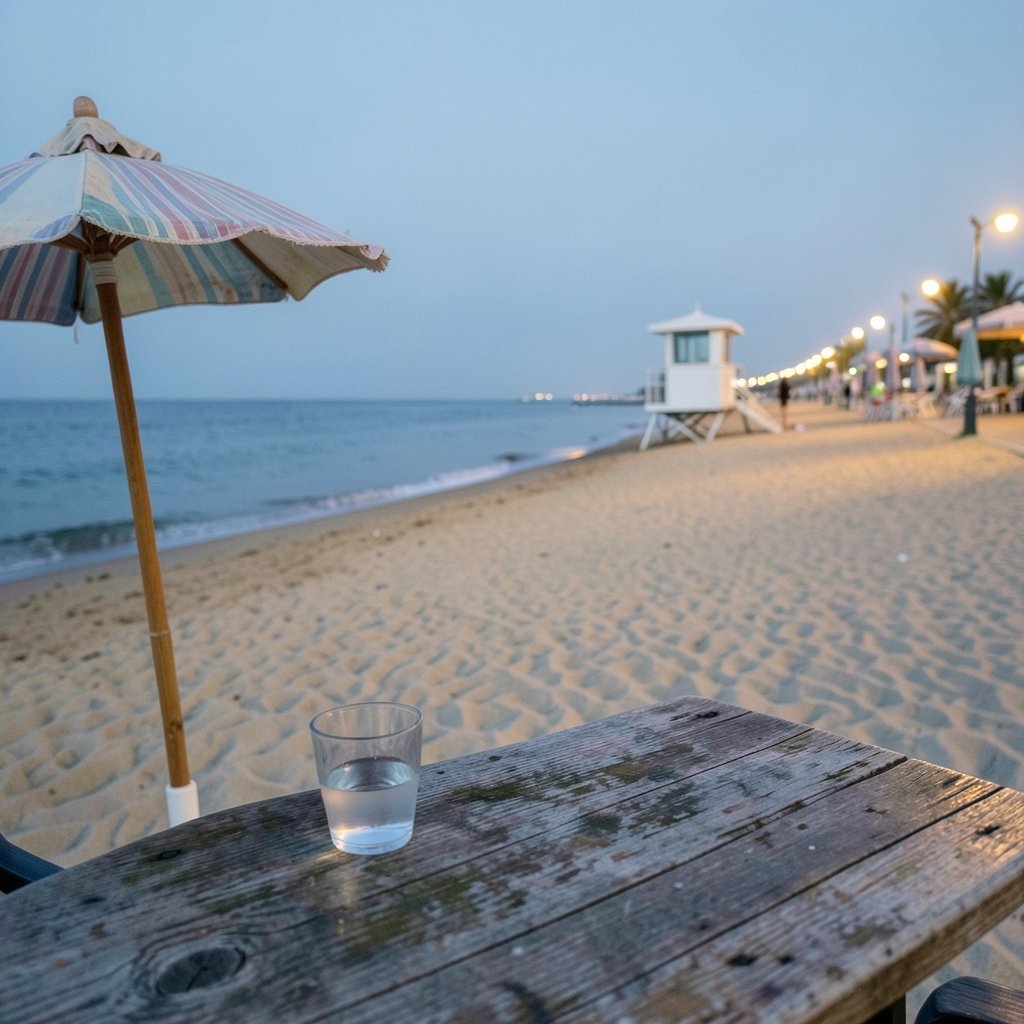
Which Spanish beach actually fits your trip? That question gets harder every year, because Spain keeps collecting awards. The country now holds 677 Blue Flag beaches, more than any other nation, according to The Local. The Valencia region, home to the Costa Blanca, has the most of any region. With almost 5,000 km of coastline, two island groups and wildly different seas, the shortlist below cuts straight to named beaches that suit real trips.
Quick Comparison of the Top Picks
| Beach | Region | Best for | Watch out for |
|---|---|---|---|
| Platja de Sant Sebastià | Barcelona, Catalonia | City break plus swim | Busy, urban backdrop |
| Caló des Moro | Mallorca, Balearics | Tiny cove scenery | Very small, fills early |
| L’Illa Roja | Begur, Costa Brava | Scenic day trip | Pebbles, summer crowds |
| Ses Salines | Ibiza, Balearics | Facilities plus buzz | Party-heavy afternoons |
| Maspalomas | Gran Canaria, Canaries | Winter sun, families | Wind and dune paths |
| Playa del Bajondillo | Torremolinos, Costa del Sol | Old-school resort ease | Less wild, more built-up |
| El Saler | Valencia | Long walks, space | Outside the city centre |
| Rodas | Cíes Islands, Galicia | Caribbean-style white sand | Boat access, limited space |
| Sopelana | Basque Coast | Surf and sunsets | Atlantic water, pebbles in spots |
| Playa El Tesorillo | Costa Tropical | Small-scale charm | Pebbly, just 75 m long |
Platja de Sant Sebastià, Barcelona: The City Beach That Actually Works
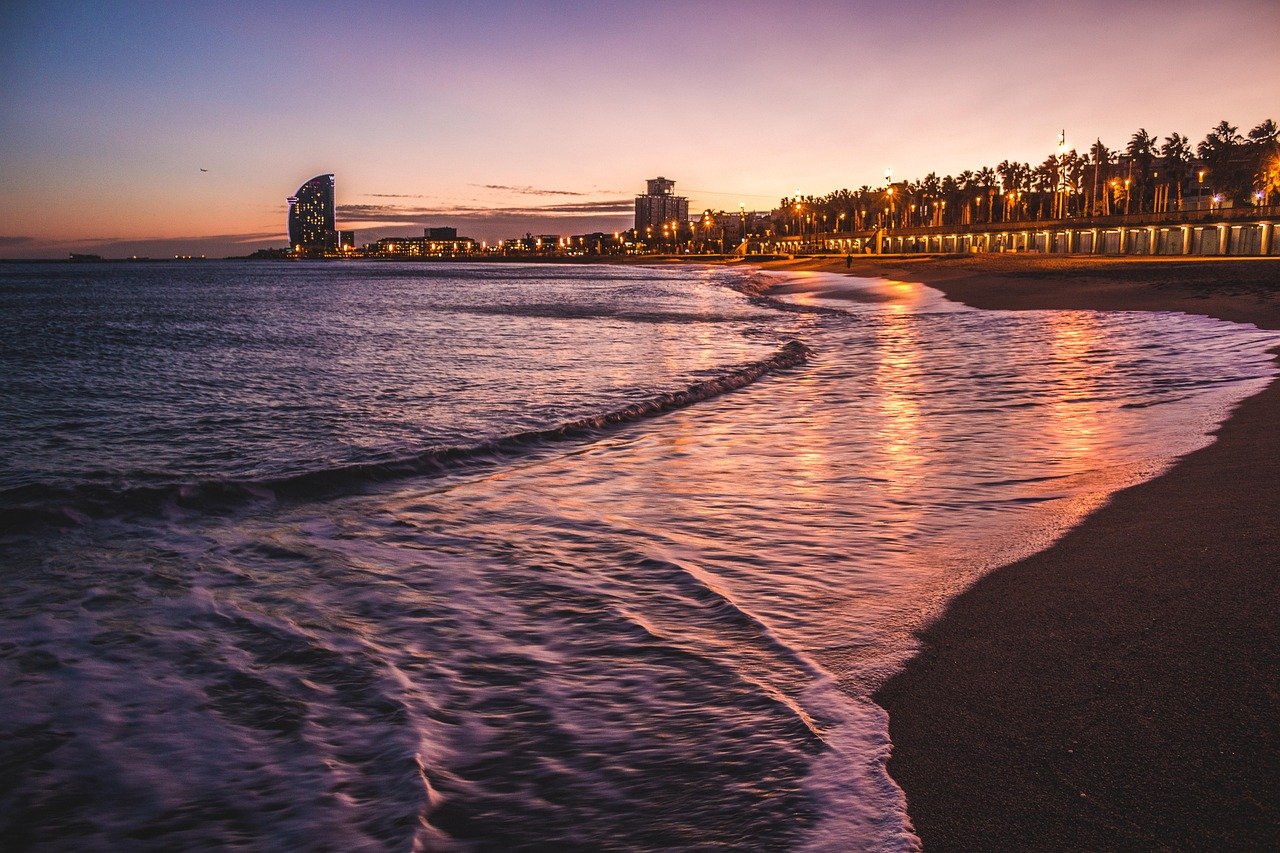
Most city beaches feel like an afterthought. This one does not. Tucked between the sail-shaped W Barcelona hotel and Platja de Sant Miquel, Sant Sebastià has restaurants and bars right behind the sand, so you can swim, eat and be back in the Gothic Quarter on foot. Look for Rebecca Horn’s L’Estel Ferit, a 10 m sculpture of four stacked, twisted cubes with windows, marking the boundary between Sant Sebastià and Sant Miquel.
It suits travellers who refuse to choose between culture and coast. The limitation is obvious: this is a working city shoreline, not a postcard cove, and summer weekends are packed. Nearby Platja de Bogatell, about a 20-minute stroll away, has one of the city’s most upbeat rooftop scenes if you want a second option.
Caló des Moro, Mallorca: Small, Famous and Worth the Early Alarm
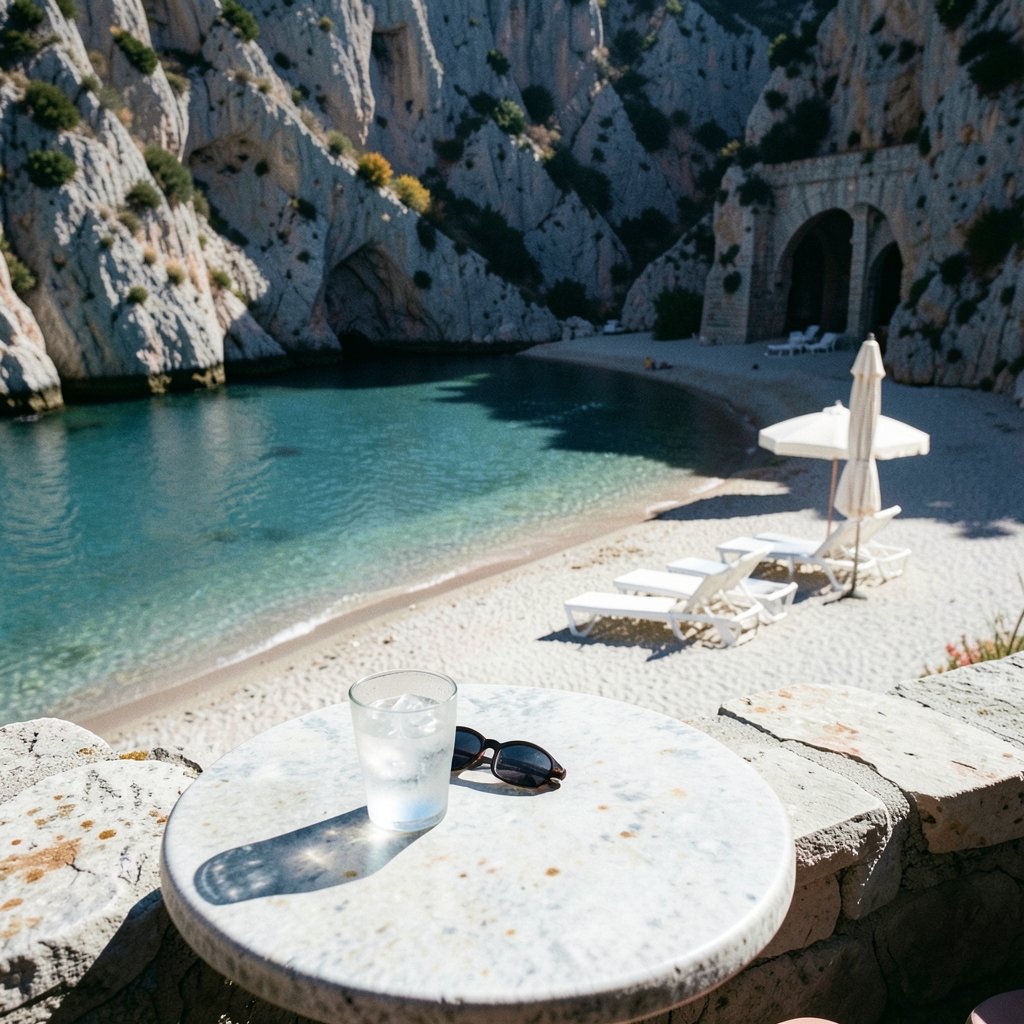
Travel + Leisure calls this “a tiny slice of paradise” on Mallorca, and the description holds. The cove is genuinely small, which is both the appeal and the problem. Arrive after mid-morning in high season and you may be looking at the water from the path rather than lying beside it.
It suits couples and photographers chasing turquoise water framed by rock. It does not suit anyone who needs loungers, umbrellas and a bar within arm’s reach. Bring water, shade and patience. If you want a Mallorcan beach with room to spread out, the long pale sands near Campos, backed by low dunes and working salt pans, run nearly two miles with barely a building in sight. Facilities there are minimal by design, so pack accordingly.
L’Illa Roja, Begur: The Costa Brava at Its Most Photogenic
A Condé Nast Traveler survey ranked L’Illa Roja in Begur ninth among Spain’s best beaches, according to Time Out, which notes it sits about an hour and a half by car from Barcelona. The Baix Empordà district around Begur is famous for dreamlike coves, and this is the one voters picked.
It suits day-trippers who want the Costa Brava’s film-set scenery without committing to a full coastal stay. Two practical warnings: the sand is mixed with pebbles in places, so bring proper shoes, and summer parking around Begur fills fast. Go early or go in June and September.
Ses Salines, Ibiza: Facilities, Pine Woods and a Party Crowd
Ibiza has cliff-lined coves like Cala d’en Serra and Es Portixol, but Ses Salines wins on the combination of natural setting, accessibility and mixed crowds. It sits less than 10 minutes from Ibiza Town by car or bus and runs 1.5 km across the south of the island, backed by pine woods. There is a small supermarket and pedal boat and kayak rental, and the southern end is quieter.
It suits groups who want a full-service beach day with options. The limitation is the crowd itself: partygoers dominate many afternoons, filling the restaurants and chiringuitos. Families should head for the calmer southern section.
Maspalomas, Gran Canaria: The Winter-Sun Safe Bet
For cold-month sunshine, the Canary Islands are the answer, and Maspalomas is the flagship. The beach sweeps 1.8 miles around the southern tip of Gran Canaria, backed by 400 hectares of rolling dunes dotted with native Canarian bushes. The Atlantic contrasts brilliantly with the golden sand.
It suits families with small children, who can spend hours in the dunes, and anyone escaping a northern winter. One real limitation: the dunes are a protected reserve, and walking off the marked paths damages the ecosystem. Pack binoculars for birdlife around La Charca de Maspalomas, the brackish lagoon near the Faro de Maspalomas at the western end.
Playa del Bajondillo, Costa del Sol: Old-School Resort Comfort
Torremolinos does not pretend to be undiscovered, and that is precisely its charm. Bajondillo is under a mile long, half an hour’s drive south of Málaga, with a waterfront jammed with tapas restaurants and beach bars and neat rows of sunloungers and parasols on powdery sand.
It suits first-timers, older travellers and anyone who wants a sunbed, a menu and a lift back to the hotel without logistics. The limitation is authenticity: this is a built-up resort strip, not a wild coast. If you want the Costa del Sol’s quieter side, use Torremolinos as a base and drive out.
El Saler, Valencia: Three Kilometres of Breathing Room
The Valencia region leads Spain on Blue Flag count, and El Saler shows why the coast here earns those marks. The beach stretches roughly 3 km, which means you can usually find space even in August. It sits within a protected natural park south of the city, so the backdrop is pine forest rather than high-rises.
It suits walkers, runners and anyone allergic to crowded sand. The limitation is distance: you need a car or a bus from Valencia’s centre, and facilities are thinner than at city beaches. Combine it with a paella lunch in the surrounding villages.
Rodas, Cíes Islands: Spain’s Closest Thing to the Caribbean
Rodas sits in the Cíes Islands off southern Galicia and was once named the world’s best beach by The Guardian. Soft white sand and crystal-clear water in a protected natural setting explain the comparison to the Caribbean.
It suits travellers who will trade convenience for scenery. The limitation is access: you reach the islands by boat, numbers are controlled in peak season, and you must book ahead. Check the official islands booking page before planning your day. Water here is Atlantic-cold even in summer, so pack a rash vest for kids.
Sopelana, Basque Coast: Surf, Sunsets and Pintxos
The Basque Coast is Spain’s food capital, and Sopelana is practically Bilbao-on-Sea, 12 miles (20 km) north of the city. In summer much of Bilbao decamps here at weekends, though outsiders barely know it. A series of beaches runs from the spacious Arrietara-Atxabiribil sands to the pebble cove at Meñakoz, with surf breaks in abundance. The 750 m stretch at Barinatxe, known as La Salvaje (“the wild one”), draws paragliders who swoop off the cliff edge.
It suits surfers, food lovers and anyone who finds the Mediterranean too tame. The limitation is the Atlantic: cooler water, changeable weather and pebbles at some spots. Take the Metro from Bilbao, a 40-minute ride, and get off at Larrabasterra. Afterwards, rest at El Peñón de Sopelana above Atxabiribil for pintxos, cold txakoli and sea views.
Playa El Tesorillo, Costa Tropical: The Small Treasure
Tesorillo means “small treasure” in Spanish, and Almuñécar’s cove lives up to the name. Neatly bookended by two rocky outcrops, this 75 m stretch of pebbly sand is loved by locals precisely because it stays small.
It suits couples and anyone craving a cove that feels hand-made. The limitation is size: 75 m fills quickly, and the pebbles demand reef shoes. Pair it with a morning in Almuñécar’s old town.
How to Choose Between Them
Work backwards from your constraints rather than from photos.
- Decide your season. For winter sun, go to the Canary Islands. Mediterranean beaches are at their best from June to September.
- Match the region to your priority. For food, the Basque Coast. For quiet coves, the Costa Brava or Menorca. For the most Blue Flag beaches in one region, Valencia.
- Check access honestly. City beaches such as Barcelona’s need no car. Cíes, Caló des Moro and L’Illa Roja reward early starts and pre-booked transport.
- Respect the environment. Dune paths at Maspalomas and boat limits at the Cíes exist for good reasons.
- Verify facilities before booking. Blue Flag status signals cleanliness, safety and sustainability standards, but it does not promise a bar or a lifeguard at every hour.
One plan covers the mainland and both island groups if you are island-hopping, which makes combining a city beach with a Canary or Balearic stay simpler than it sounds.
Conclusion
Spain’s best beach depends entirely on the trip you are taking. Barcelona’s Sant Sebastià wins for city breaks, Maspalomas for winter sun, Sopelana for surf and pintxos, and Rodas for the kind of white sand that makes people check their map twice. Pick two or three from the shortlist, check access and season, and let the coastline do the rest. For more practical travel planning, visit marianoiduba.com.
FAQ
Which Spanish region has the most Blue Flag beaches?
The Valencia region, home to the Costa Blanca, has the most Blue Flag beaches of any region in Spain. Spain overall holds 677 Blue Flag beaches, more than any other country.
Where should I go in Spain for winter sun on the beach?
The Canary Islands. Maspalomas on Gran Canaria offers 1.8 miles of golden sand backed by 400 hectares of dunes and enjoys year-round sunshine.
Are there good beaches in Barcelona itself?
Yes. Platja de Sant Sebastià sits between the W Barcelona hotel and Platja de Sant Miquel, with restaurants and bars right behind the sand. Platja de Bogatell is about a 20-minute walk away.
Which beach in Spain is best for families?
Maspalomas suits families with small children thanks to its long sand and dunes. Ses Salines in Ibiza also works, especially the quieter southern section, because it has facilities including a small supermarket and kayak rental.
Do I need a boat to reach the Cíes Islands?
Yes. Rodas beach sits in the Cíes Islands off Galicia, and access is by boat. Book ahead, since visitor numbers are controlled in peak season.
What should I pack for a pebble beach in Spain?
Reef shoes or sandals with grip. Playa El Tesorillo is a 75 m pebbly cove, and parts of the Costa Brava around Begur mix pebbles with sand, so proper footwear makes the day far more comfortable.
Finally, consider timing over location: even Spain’s most famous beaches empty out on weekday mornings in early June and late September, when water is warm and queues are short. Book accommodation near your shortlisted beach rather than splitting a trip between too many coasts, and check tide times for Atlantic beaches such as Sopelana and Rodas, where the shoreline shifts dramatically between high and low water. A single well-chosen base beats a frantic tour every time.