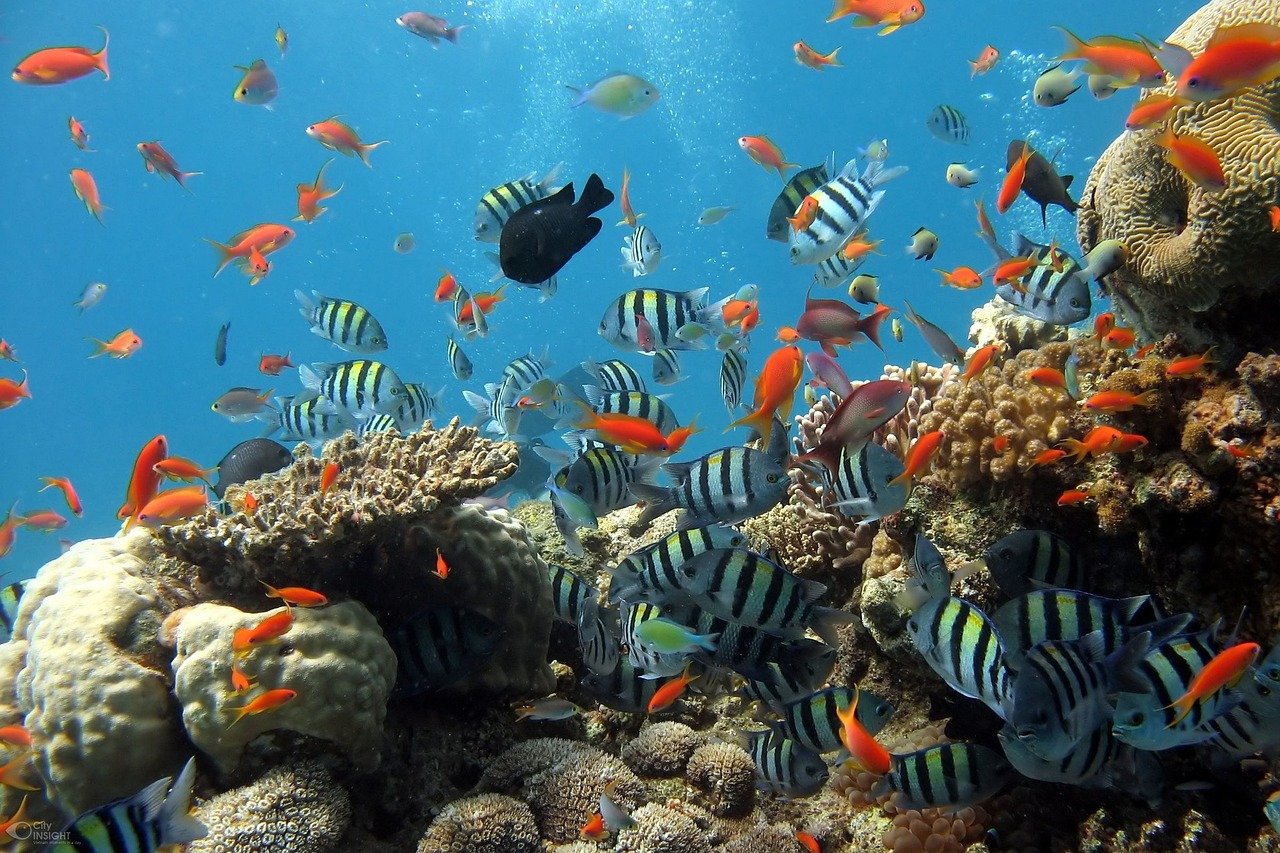
What if the most spectacular aquarium on Earth had no glass, no ticket booth, and no ceiling? It exists. It covers roughly 70 percent of the planet, and you only need a mask, a snorkel, and the willingness to float. The catch is that not every coastline delivers the same show. Some reefs are bleached and crowded; others hum with turtles, parrotfish, and coral in colors that look almost fake.
This roundup cuts to the chase. Ten named spots, each with a clear reason to book a flight, plus the honest drawback nobody mentions in the brochure photos. Use the table to shortlist, then dig into the details.
Quick Comparison of the Top Snorkeling Destinations
| Destination | Best for | Signature sighting | Main limitation |
|---|---|---|---|
| Great Barrier Reef, Australia | First-timers and families | Giant clams, reef fish clouds | Long boat rides to the outer reef |
| Maldives | Resort-based ease | Manta rays, reef sharks, turtles | House reef quality varies by island |
| Sipadan, Malaysia | Serious snorkelers | Sea turtles, humphead parrotfish | Permits and dive-first culture |
| Hanauma Bay, Hawaii | Beginners and short trips | Neon fish in a volcanic crater | Timed entry and closure days |
| Fiji (Mamanuca Islands) | Soft coral lovers | Soft corals, reef sharks | Weather-dependent visibility |
| Belize | Reef-and-culture trips | Nurse sharks, rays | Sargassum seaweed in some months |
| Dominica | Adventurous snorkelers | Sperm whales, volcanic vents | Fewer direct flights |
| Red Sea, Egypt | Budget and family trips | Dugong, sea turtles, dolphins | Resort reefs can be busy |
| French Polynesia | Honeymooners and lagoon lovers | Rays, sharks in shallow lagoons | High cost of everything |
| Okinawa, Japan | Off-the-radar travelers | Coral gardens, reef life | Typhoon season interruptions |
Great Barrier Reef, Australia
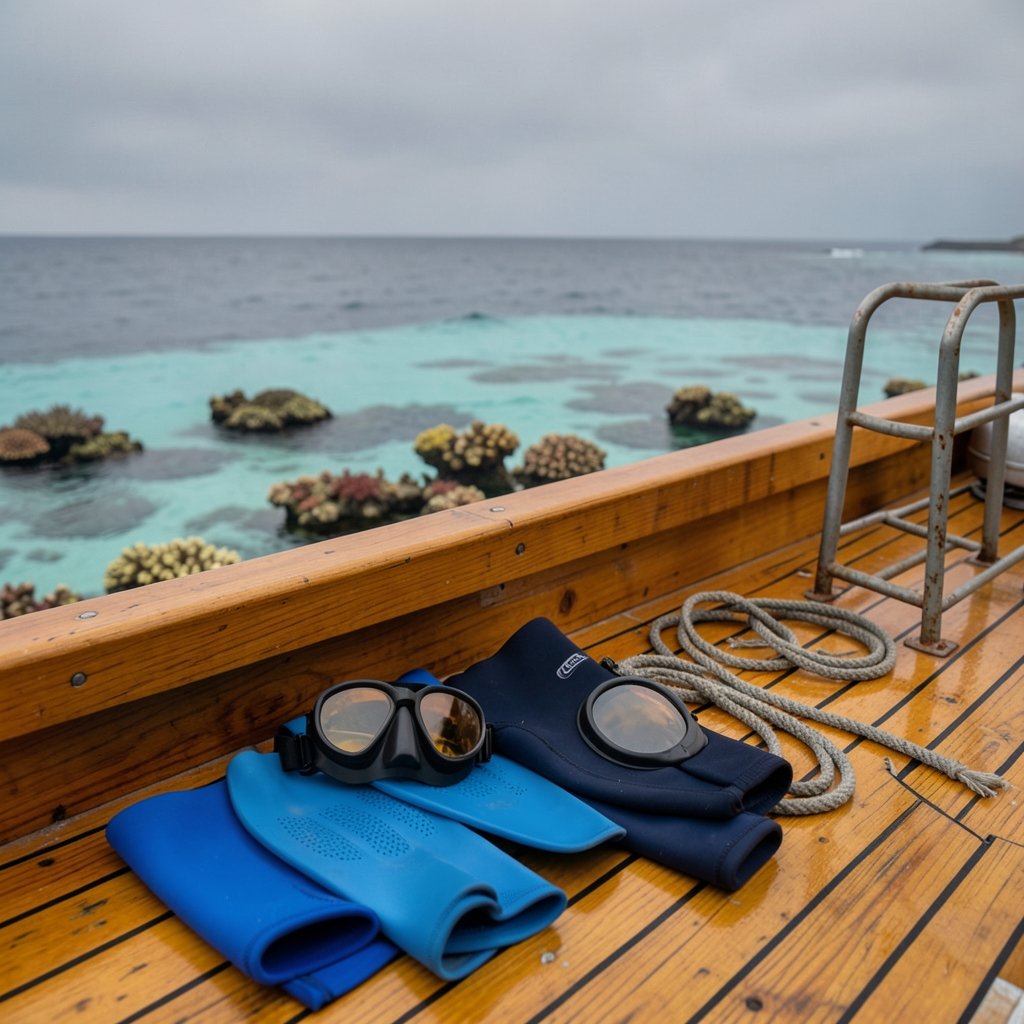
The Great Barrier Reef stretches about 1,430 miles (2,300 kilometers) along Queensland’s coast and ranks as the largest living structure on Earth. That scale is the appeal and the problem. You cannot wade in from the beach and see the good stuff; the outer reef requires a boat, often a fast one, and a full day.
Who it suits: first-timers who want a guided, safe, checked-box experience. Operators out of Cairns run superyacht day trips to two outer-reef sites, with lunch and gear included, which removes every logistics headache.
What it does well: variety. Shallow coral gardens sit close enough to the surface for nervous swimmers, while drop-offs reward confident ones.
The limitation: crowds at popular moorings, and a long, bumpy crossing that can turn a calm morning queasy. If you get seasick, pick a pontoon-based trip or a closer island departure.
Maldives
The Maldives is the fantasy version of snorkeling: shallow lagoons, warm water, and reef life visible from the sand. Resorts in North Ari Atoll, for example, sit on house reefs packed with coral and rainbow-splashed fish, and on smaller islands you can swim the entire circumference in one go.
Who it suits: travelers who want the reef at the end of a jetty. Some resorts stock snorkeling gear on their boats and run tailor-made excursions, so you never carry equipment.
What it does well: big-animal encounters. Turtles and rays appear in the shallow lagoon, and reef sharks and manta rays patrol the outer edges.
The limitation: house reef quality swings wildly between islands. A five-star price tag does not guarantee a five-star reef. Check recent guest photos of the house reef before booking, not the marketing shots.
Sipadan, Malaysia
Oceanographer Jacques Cousteau reportedly called Sipadan an untouched work of art, and the Celebes Sea location off Sabah still delivers. Coral formations stack in tiers, sea turtles are almost guaranteed, and humphead parrotfish cruise past like slow buses.
Who it suits: snorkelers who are comfortable in open water and want world-class marine life without a scuba certification.
What it does well: density of life. This is one of the few places where a snorkeler sees what divers rave about.
The limitation: access. Sipadan is a dive-first destination with daily visitor caps, so snorkelers often tag along on dive boats or base themselves nearby. Book through a reputable operator and confirm snorkeling time is actually included.
Hanauma Bay, Hawaii
Hanauma Bay sits inside an ancient volcanic crater on Oahu, backed by palm trees and holding a coral reef roughly 7,000 years old. Wading into the calm, shallow water reveals hundreds of neon-colored fish species, plus coral, eels, and sea turtles, all within easy reach of a white-sand beach.
Who it suits: absolute beginners, kids, and anyone with limited time. It is the rare world-class site you can reach from a hotel by bus.
What it does well: accessibility and safety. The bay is a formal nature preserve and marine-life conservation area, which keeps the water calm and the fish tame.
The limitation: it is popular, and the preserve closes on set days with timed entry. Reserve online in advance and arrive early; the first hour is magic, the third hour is a crowd. Slightly stronger swimmers should head beyond the main reef to the crevices and caves.
Fiji’s Mamanuca Islands
Fiji topped one ranking of the world‘s best snorkeling destinations, ahead of Belize and Sipadan, and the Mamanuca Islands are the accessible heart of it. Soft corals sway in currents, and reef sharks patrol the channels.
Who it suits: travelers who want a mix of resort comfort and genuine reef quality, plus the friendliest water-based hospitality in the Pacific.
What it does well: soft coral color. Fiji’s reefs are famous for pastel coral gardens rather than one headline animal.
The limitation: visibility depends on weather and currents. A windy week can turn a bucket-list reef into a murky swim, so build in a buffer of days.
Belize
Belize placed second in the same global ranking, and the barrier reef system justifies it. Nurse sharks and rays gather in shallow water at spots like Shark Ray Alley, and the reef sits close enough to shore for short boat rides.
Who it suits: travelers who want reef time paired with jungle, ruins, and a Caribbean culture fix.
What it does well: combining snorkeling with a broader trip. You are not stuck on a boat for six hours.
The limitation: sargassum seaweed can choke some beaches and shallows in certain months. Ask your lodge which season brings it before you commit.
Dominica
Dominica outperformed Bora Bora and Hawaii in one world ranking, and the reasons are unusual. This rugged Caribbean island hosts the world‘s first sperm whale reserve, spread across 300 square miles, and it is one of the few places where snorkelers can legally swim with sperm whales. Champagne Reef bubbles with volcanic vents, and Douglas Bay holds flourishing reefs.
Who it suits: adventurous snorkelers who value weird and wild over polished.
What it does well: volcanic geology. Bubbling vents and hot springs under the surface are unlike anywhere else on this list.
The limitation: fewer direct flights and less developed tourism infrastructure. Plan transfers carefully.
The Red Sea, Egypt
Egypt is the value pick. Between Hurghada and Giftun Island, marine parks shelter schools of multicolored fish and, with luck, playful dolphins. Farther south, Abu Dabbab Bay is known for shallow seagrass meadows where sea turtles graze and the rare dugong appears.
Who it suits: families and budget travelers. Many hotels have their own house reef reachable from a jetty, so you can see plenty without paying for a single boat trip.
What it does well: price-to-quality ratio. Nowhere else on this list delivers reef this good for this little.
The limitation: resort reefs take a beating from foot traffic, and some coastal development has damaged near-shore coral. Choose a hotel with a genuinely protected house reef.
French Polynesia
The lagoons of French Polynesia are the postcard: turquoise flats, stingrays gliding past your knees, and blacktip sharks cruising water shallow enough to stand in.
Who it suits: honeymooners and lagoon lovers who want snorkeling folded into a luxury trip.
What it does well: lagoon snorkeling without a boat. The shallows themselves are the attraction.
The limitation: cost. Flights, transfers, and accommodation add up fast, and the best lagoon excursions are pricey add-ons.
Okinawa, Japan
Okinawa is the sleeper hit. Travelers consistently describe it as underrated, with coral gardens, reef fish, and warm water that surprises anyone who associates Japan with snow. A stand-up paddleboard and snorkel tour off the main island makes an easy half day.
Who it suits: travelers who want a snorkeling trip with excellent food, transport, and culture attached.
What it does well: combining a reef day with a real destination. Rainy-season days have backups.
The limitation: typhoon season can wipe out boat trips with little warning. Travel with flexibility and a plan B.
How to Choose Your Snorkeling Spot
Work through these in order, and the shortlist writes itself.
- Match the site to your comfort level. Shallow, protected bays like Hanauma suit beginners; Sipadan and outer-reef sites reward confident swimmers.
- Decide whether you want a house reef or a boat trip. A house reef means snorkeling before breakfast. Boat trips reach healthier coral but cost more and depend on calm seas.
- Check the season for both weather and wildlife. Manta and whale encounters are seasonal, and seaweed or monsoon months can ruin visibility.
- Verify recent reef health. Coral bleaching has hit reefs worldwide. Look for guest photos from the past year, not glossy brochures.
- Budget for gear and park fees. Many marine parks charge entry, and rental masks often leak. A mask that fits your face is worth buying before you fly.
Practical tips that actually work
- Test your mask at home. Press it to your face and inhale gently through your nose; if it sticks, it seals.
- Skip the full-face mask. They fog, restrict breathing, and are banned at some sites.
- Snorkel early. Wind picks up by late morning, and tour boats arrive with it.
- Never stand on coral. It is alive, fragile, and slow to recover. Float instead.
- Use reef-safe sunscreen or a rash guard. Chemicals and direct contact both harm reefs.
Common mistakes to avoid
The biggest one is booking a resort purely on star rating and assuming the reef matches. The second is treating snorkeling as a spare-hour activity; the good sites deserve a full morning. The third is chasing a single famous animal. Whale and manta encounters are wildlife, not appointments, so choose destinations where the everyday reef is spectacular even if the headline species skips your visit.
Conclusion
The best snorkeling spots in the world split into two camps: the easy ones and the extraordinary ones. Hanauma Bay, the Maldives, and Egypt’s Red Sea deliver reef life with minimal effort, ideal for families and first-timers. Sipadan, Dominica, Fiji, and the Great Barrier Reef ask more of your time and money, and give back encounters you will describe for decades. Pick by comfort level first, season second, and budget third. Then pack a mask that fits, arrive at the water early, and let the reef do the rest.
Frequently Asked Questions
What is the single best snorkeling spot in the world?
There is no universal winner, but Fiji’s Mamanuca Islands topped one global ranking, with Belize and Sipadan close behind. For beginners, Hanauma Bay in Hawaii is hard to beat for accessibility and calm water.
Do you need to be a strong swimmer to snorkel?
No. Snorkeling happens at the surface, and many top sites sit in shallow, protected lagoons. That said, open-water spots like Sipadan and outer Great Barrier Reef sites require comfort in deep water and currents. (Richest rappers world net worth)
What is the cheapest place to snorkel well?
Egypt’s Red Sea offers the best value on this list. Many hotels have house reefs reachable from a jetty, so you can see turtles, rays, and dense fish life without paying for boat trips.
When is the best time to snorkel in the Maldives?
Aridity and visibility vary by atoll, so confirm with your resort before booking. Generally, manta and whale shark sightings follow plankton patterns rather than a fixed calendar, so ask which months suit your target species.
Can you snorkel with whales anywhere?
Dominica is one of the few places where snorkelers can legally swim with sperm whales, thanks to its 300-square-mile sperm whale reserve. Book with a licensed operator, as access is regulated.
How do I protect coral while snorkeling?
Never touch or stand on coral, keep fins off the reef, use reef-safe sunscreen or a rash guard, and keep a respectful distance from wildlife. Choose operators that brief guests on reef etiquette before entering the water.