Which Puerto Rico beach fits your day: the postcard one, the calm one, or the one locals hit on a Sunday?
The island packs nearly 300 beaches into 270 miles of coastline, so “best” depends entirely on what you plan to do when you get there. Some shores are bathwater-calm and reef-protected. Others look gorgeous and hide rip currents. A few come with parking, bathrooms, and lifeguards for a few dollars. Others demand a hike and reward you with silence.
This roundup names ten specific beaches, says who each one suits, and flags the catch you should know before you pack the cooler. Prices and fees appear only where they’re documented; for anything else, check the beach’s official page before you go.
The Best Beaches in Puerto Rico at a Glance
| Beach | Region | Best For | The Catch |
|---|---|---|---|
| Flamenco Beach | Culebra | Postcard scenery, swimming | Requires a ferry or short flight |
| Playa El Escambrón | San Juan | Snorkeling, easy city access | Small; fills up fast |
| Isla Verde Beach | San Juan | City-plus-sand convenience | Urban noise and traffic |
| Luquillo Beach (Balneario de Luquillo) | East coast | Families, food kiosks | Crowded on weekends |
| Playa Sucia | Cabo Rojo | Dramatic scenery, photos | Rough access road, no facilities |
| Crash Boat Beach | Aguadilla | Snorkeling, sunsets, local food | Busy on weekends |
| La Chiva (Blue Beach) | Vieques | Seclusion, clear water | No amenities; bring everything |
| Zoni Beach | Culebra | Quiet beauty, fewer crowds | No facilities; seaweed at times |
| Carolina Public Beach | Carolina | Families, calm water | Day-use fee per vehicle |
| Playa Escondida | North coast | Adventure, hidden-cove feel | Rough trail; not for weak swimmers |
1. Flamenco Beach, Culebra
Who it suits: travelers who want the beach that ends up as their phone wallpaper.
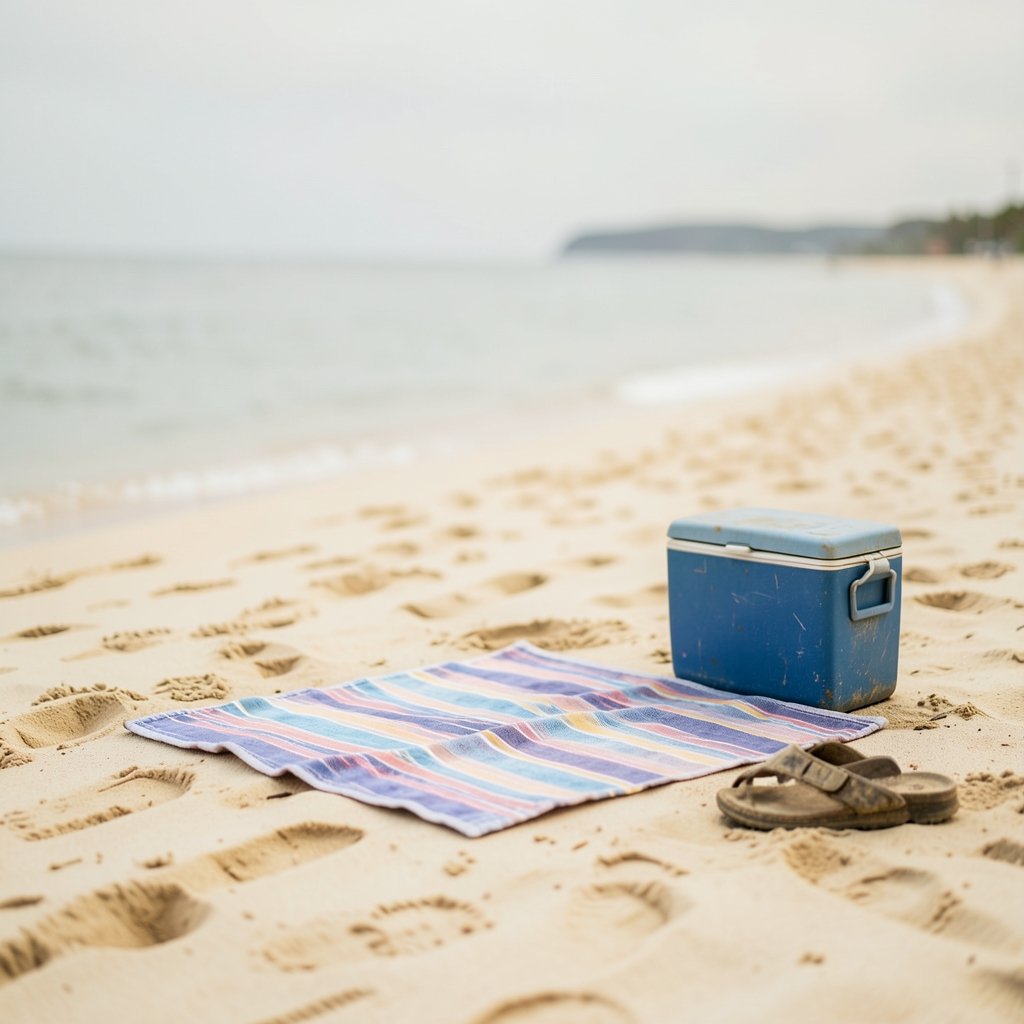
Flamenco is the name that shows up on nearly every list of Puerto Rico’s best beaches, and for good reason. The sand is white and soft, the water runs clear and warm, and the whole curve of the bay reads like a postcard. It sits on Culebra, a small island off the east coast, so getting there takes a ferry ride or a short flight.
What it does well: swimming in calm, clear water and doing absolutely nothing for a full afternoon.
The limitation: the journey. Ferries fill up, especially in high season, and day-trippers need to plan around boat schedules. The beach has basic amenities, but it is not a resort strip.
2. Playa El Escambrón, San Juan
Who it suits: snorkelers and anyone staying in San Juan without a rental car.
El Escambrón is the rare urban beach that actually works. Golden sand, a strip of palm trees for shade, and coral reefs offshore that keep the water generally calm. Snorkelers regularly spot sea turtles and other marine life in the protected water.
What it does well: combining a beach morning with a city afternoon. It sits next to Luis Muñoz Rivera Park, so green space abounds, and restaurants and shopping are minutes away.
The limitation: it is compact and popular. Arrive early on weekends or you will be sharing a small patch of sand. There is parking nearby for a small fee.
3. Isla Verde Beach, San Juan
Who it suits: travelers who want the San Juan skyline in their beach photos.
Isla Verde blends city buzz with actual beach vacation. Golden sand, swaying palms, and rows of food vendors and restaurants right behind the sand mean you never have to choose between convenience and coastline. It is minutes from the airport, which makes it a smart first or last stop on a trip.
What it does well: flexibility. You can swim, eat, shop, and be back at your hotel within an hour.
The limitation: it is a city beach. Expect traffic, crowds, and less of the castaway feeling you get on the offshore islands.
4. Luquillo Beach (Balneario de Luquillo), East Coast
Who it suits: families and anyone who wants facilities within walking distance.
Luquillo is a balneario, which in Puerto Rico means a government-maintained beach with bathrooms, showers, picnic tables, and snack bars. Some balnearios add lounge chair rentals, lifeguards, and campsites. Expect to pay $3-5 per vehicle to get in, and expect crowds on weekends and holidays.
What it does well: easy family days. The sand is golden, the water is typically calm, and the famous food kiosks nearby turn lunch into the main event.
The limitation: the weekend scene. Locals love it too, so go on a weekday if you want elbow room.
5. Playa Sucia, Cabo Rojo
Who it suits: photographers and travelers who value scenery over services.
Playa Sucia sits in the southwest, near the Cabo Rojo lighthouse, and it delivers the kind of dramatic coastline that makes people pull over. Think cliffs, salt flats, and water in shades of turquoise that look edited even when they aren’t.
What it does well: scenery and photography. It is also a genuine wilderness beach, meaning remote and without development.
The limitation: the access road is rough, and there are no facilities. Bring water, snacks, and a vehicle that can handle unpaved surfaces. Check conditions before you commit.
6. Crash Boat Beach, Aguadilla
Who it suits: snorkelers, sunset chasers, and travelers who want local food with their swim.
Crash Boat on the west coast is a favorite for clear water, good snorkeling, and a lively local scene. Food stands and vendors give it a festive feel, and the sunsets are the kind you plan an evening around.
What it does well: mixing water activities with a genuinely Puerto Rican beach day. The old pier structures make it photogenic too.
The limitation: weekends bring crowds and parking gets tight. Go early, and keep an eye on conditions, since the west coast can get surf.
7. La Chiva (Blue Beach), Vieques
Who it suits: travelers who want solitude and don’t mind packing in their own supplies.
La Chiva, often called Blue Beach, is on Vieques and is known for turquoise water, soft sand, and a fraction of the crowds you’ll find at Flamenco. It is the kind of place where you claim a stretch of sand and hear nothing but waves.
What it does well: seclusion and swimming in remarkably clear water.
The limitation: no amenities. No food, no rentals, no shade unless you bring it. Vieques requires a ferry or flight, so this is a full-day commitment, not a quick stop.
8. Zoni Beach, Culebra
Who it suits: repeat visitors and travelers who want Flamenco’s beauty without Flamenco’s crowds.
Zoni sits on Culebra’s quieter side. Reviewers consistently call it less frequented than Flamenco, with pristine white sand and crystal-clear water. The entrance and parking are free.
What it does well: peaceful, beautiful beach days with room to breathe.
The limitation: it lacks amenities, and seaweed sometimes washes ashore. That’s nature at work, not a defect, but set expectations accordingly.
9. Carolina Public Beach (Balneario de Carolina)
Who it suits: families near San Juan who want a supervised, low-stress swim.
Carolina Public Beach, also called Balneario de Carolina, offers white sand and calm water near Isla Verde and the airport. As a balneario, it comes with the standard facilities and a per-vehicle entry fee in the $3-5 range.
What it does well: easy, safe family mornings with bathrooms and lifeguards on hand.
The limitation: it gets busy on weekends and holidays, and the fee applies per car, so carpool if you can.
10. Playa Escondida, North Coast
Who it suits: adventurous travelers who want a story with their swim.
Playa Escondida, as the name suggests, rewards those who put in a little effort. It is a secluded swimming spot reached by a rough trail, and it feels a world away from the balneario scene.
What it does well: the hidden-cove experience. Quiet water, fewer people, and a sense of discovery.
The limitation: the trail is not for everyone, and the north coast is known for strong currents in places. Check local conditions and never swim alone at a remote beach.
How to Choose the Right Beach
Start with your vehicle and your patience level. If you have a car and one free day, pick a beach within 90 minutes of your base. If you’re staying in San Juan without a car, El Escambrón, Isla Verde, and Carolina are your realistic options.
Next, match the beach to your group. Families with small kids do best at balnearios, where lifeguards, bathrooms, and calm water come standard. Snorkelers should prioritize reef-protected water like El Escambrón. Photographers should head west or south for cliffs and salt flats.
Then check the calendar. Weekends and holidays transform balnearios into local gathering spots. If you want quiet, go Tuesday.
Finally, respect the water. Some beaches, especially along the north coast, are rife with strong currents. They’re beautiful to look at but not safe for swimming. One thing every beach in Puerto Rico shares is public access: there is no such thing as a private beach on the island. That’s good news for your itinerary and a reason to treat every shoreline with care.
For more practical travel planning around the island, including how to structure a multi-stop trip, see Marianoiduba.com.
Conclusion
The best beach in Puerto Rico is the one that matches your day. Flamenco wins on pure beauty, El Escambrón wins on convenience, Luquillo and Carolina win for families, and La Chiva and Zoni win for anyone chasing quiet. Pick two or three, check the access and the fees before you drive, and leave room for the beach you didn’t plan for. Those are usually the ones you remember.
Frequently Asked Questions
What is the most famous beach in Puerto Rico?
Flamenco Beach on Culebra is the most consistently named beach across major rankings and travel guides. It is known for white sand, clear water, and a postcard-ready bay, though reaching it requires a ferry or short flight.
Which Puerto Rico beach is best for families?
Luquillo Beach and Carolina Public Beach are the strongest family picks because both are balnearios, meaning they have bathrooms, showers, picnic tables, snack bars, and sometimes lifeguards. Expect a $3-5 per-vehicle entry fee.
Are there private beaches in Puerto Rico?
No. All beaches in Puerto Rico are accessible to the public. Some sit in front of resorts, but the sand itself remains open to everyone.
Do I need a car to reach the best beaches?
Not for the San Juan options. El Escambrón, Isla Verde, and Carolina are all close to the city and the airport. For Flamenco, Playa Sucia, Crash Boat, and La Chiva, you will need a car plus, in some cases, a ferry or flight.
Which beaches are best for snorkeling?
El Escambrón in San Juan is a top pick because coral reefs protect the shore and keep the water calm, and sea turtles are often seen there. Crash Boat in Aguadilla is another solid choice for clear water and marine life.
Is it safe to swim at every beach in Puerto Rico?
No. Some beaches, particularly along the north coast, have strong currents and are better for looking than swimming. Others, like Flamenco and El Escambrón, are generally calm. Check conditions locally, swim near lifeguards when available, and never swim alone at a remote beach.