What if the hardest part of a Portugal trip isn’t the flight or the budget, but simply deciding where to point the rental car? The country is small enough to cross in a day and packed enough to fill a month. That is exactly the problem.
This roundup solves it. Below are twelve specific places, each with a clear answer to three questions: who it suits, what it does better than anywhere else, and where it falls short. A comparison table comes first so you can scan, shortlist, then read only the entries that matter to you.
Comparison Table: Portugal’s Best Places at a Glance
| Place | Best for | Main draw | Watch out for |
|---|---|---|---|
| Lisbon | First-timers, city breaks | Alfama lanes, Tram 28, Belém | Queues and pickpockets on trams |
| Sintra | Palace and garden lovers | Pena Palace, Moorish Castle | Crowds; go early |
| Porto | Wine and river evenings | Douro riverside, port lodges | Steep hills |
| Douro Valley | Scenery and wine | Terraced vineyards, river views | Needs a car or tour |
| Algarve | Beaches and families | Cliffs, sea caves, boardwalks | Summer crowds |
| Évora | History and food | Roman temple, Alentejo cooking | Very hot in midsummer |
| Óbidos | A romantic overnight | Walkable walls, ginjinha bars | Day-trip crowds |
| Monsaraz | Slow travel | Whitewashed fortress village | Limited dining |
| Monsanto | Offbeat photographers | Boulders built into houses | Remote, few facilities |
| Comporta | Bohemian beach days | Pine groves, rice paddies, cycling | Quiet to a fault |
| Madeira | Active island holidays | Levada walks, dramatic coast | Weather varies by altitude |
| The Azores | Nature and hiking | Volcanic landscapes, whale-watching | No sandy resort beaches |
1. Lisbon: The Easiest First Stop
Who it suits: anyone landing in Portugal for the first time, especially on a short city break.
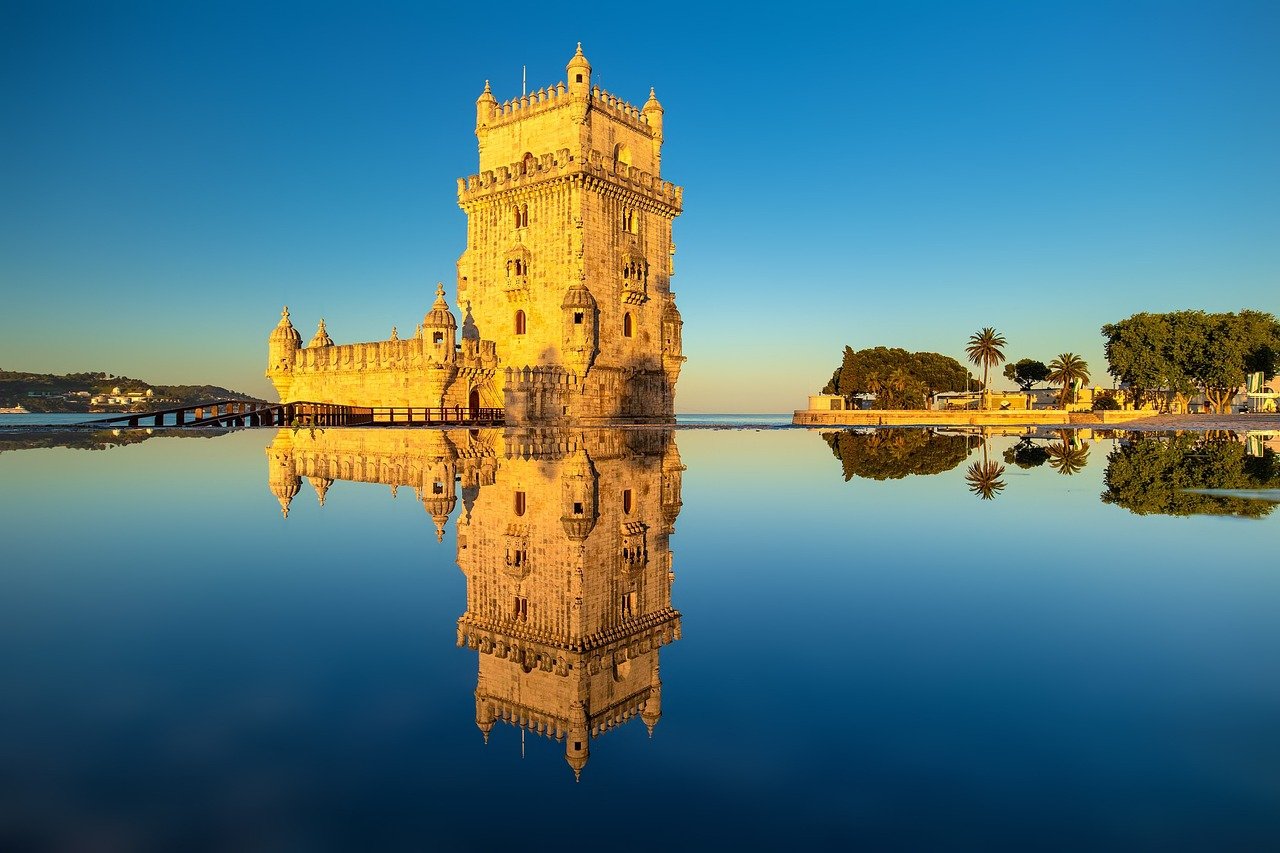
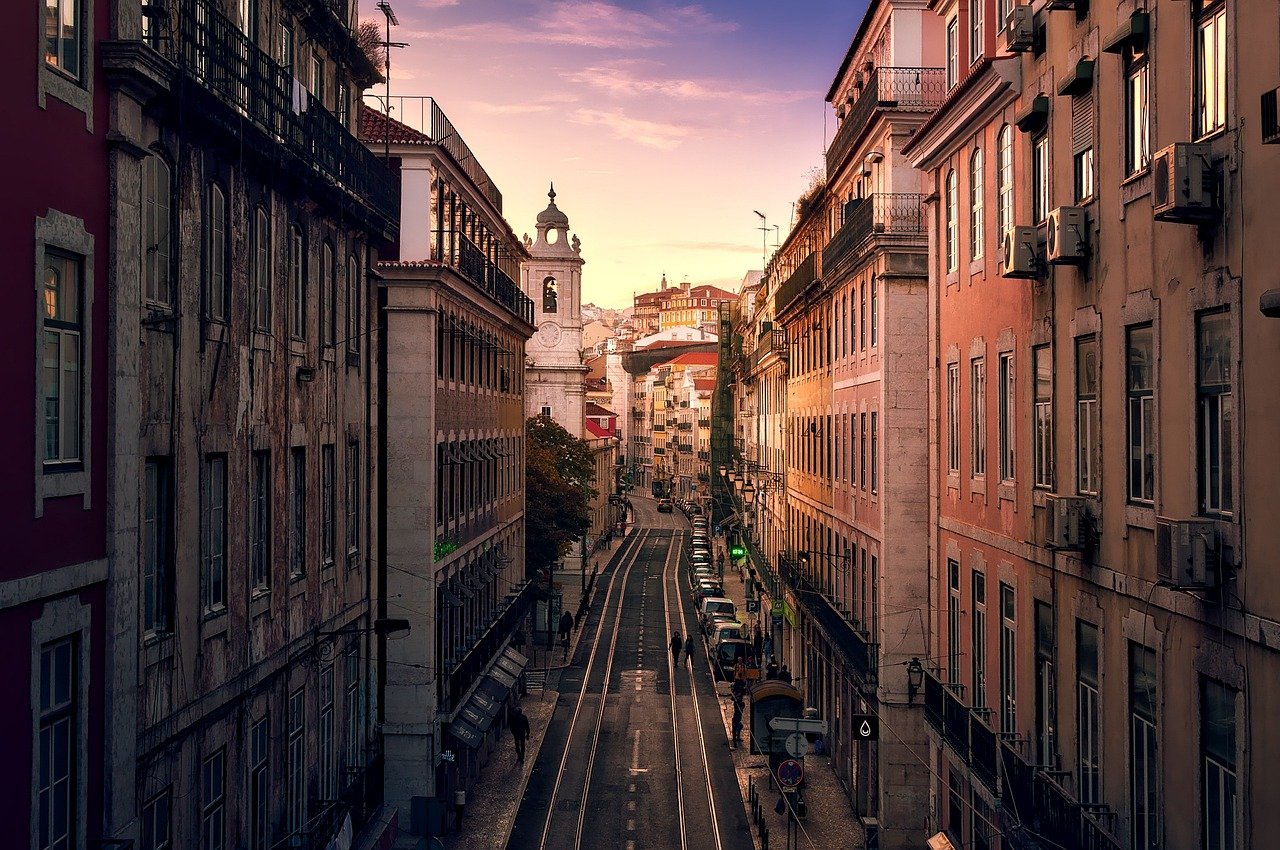
Lisbon earns its place at the top of nearly every list, and the reasons are practical. The capital spreads over hills above the Tagus River, with historic neighborhoods like Alfama and Bairro Alto, viewpoints known as miradouros, and the riverside monuments of Belém. The Jerónimos Monastery and Belém Tower have held UNESCO World Heritage status since 1983, and fado, the city’s mournful song, joined UNESCO’s intangible heritage list in 2011.
What it does well: walkability combined with variety. You can spend a morning in a monastery and an evening in a tiny fado bar without crossing town.
The real limitation: Tram 28. The vintage yellow tram is iconic and also a magnet for queues and pickpockets. Ride it early in the morning before the crowds build, and keep your belongings close.
Practical tip: many visitors treat Lisbon as a hotel base and day-trip outward. That works, but it drains the city of the slow evenings that make it memorable. Give it at least two nights of its own.
2. Sintra: Palaces in the Forest
Who it suits: travelers who would rather see one spectacular thing properly than five average things quickly.
Less than an hour from Lisbon, Sintra is a hilltop town of palaces and gardens set in forest, including the colorful Pena Palace and the Moorish Castle. Its cultural setting has been a UNESCO World Heritage Site since 1995.
What it does well: atmosphere. Mist rolling through the trees around painted palace walls is the postcard image of Portugal for good reason.
The limitation is timing. Sintra is one of the most popular day trips from Lisbon, so mid-morning arrivals meet the worst of it. Go early, or stay overnight and see the town after the buses leave.
Common mistake: buying tickets for three palaces in one day. The hills between them are steep and the queues are real. Two is plenty.
3. Porto: River Evenings and Port Wine
Who it suits: couples, wine drinkers, and anyone who likes a city that feels lived-in.
Porto pairs a historic waterfront with the serious business of port wine. Stroll along the Douro River, visit the historic lodges, and taste the fortified wine that made the city famous. Sunset over the river is the moment most visitors remember. Travelers consistently mention how comfortable they feel walking around Porto in the evening and how welcoming locals are across the country.
What it does well: compact charm with substance. The riverfront, the bridges, and the wine cellars sit within a manageable radius.
The limitation: hills. Porto is vertical in places, and cobblestones punish thin-soled shoes. Wear proper footwear and plan shorter walking days than you would in Lisbon.
4. The Douro Valley: Portugal’s Best Scenery
Who it suits: road-trippers, photographers, and wine lovers who want the vineyards rather than the cellars.
The Douro is the vineyard country behind Porto, terraced into steep river banks. Travel designers who plan Portugal itineraries regularly name the Douro Valley alongside Lisbon and the Algarve as a top recommendation for scenery and wine.
What it does well: the drive itself. Viewpoints along the river road deliver the kind of scenery that makes you pull over repeatedly.
The limitation: logistics. Public transport is thin, so you need a car, a driver, or an organized tour. If you plan to taste, book a driver. The roads are winding and the wine is generous.
5. The Algarve: Beaches Done Properly
Who it suits: families, surfers, and anyone who measures a holiday in swims.
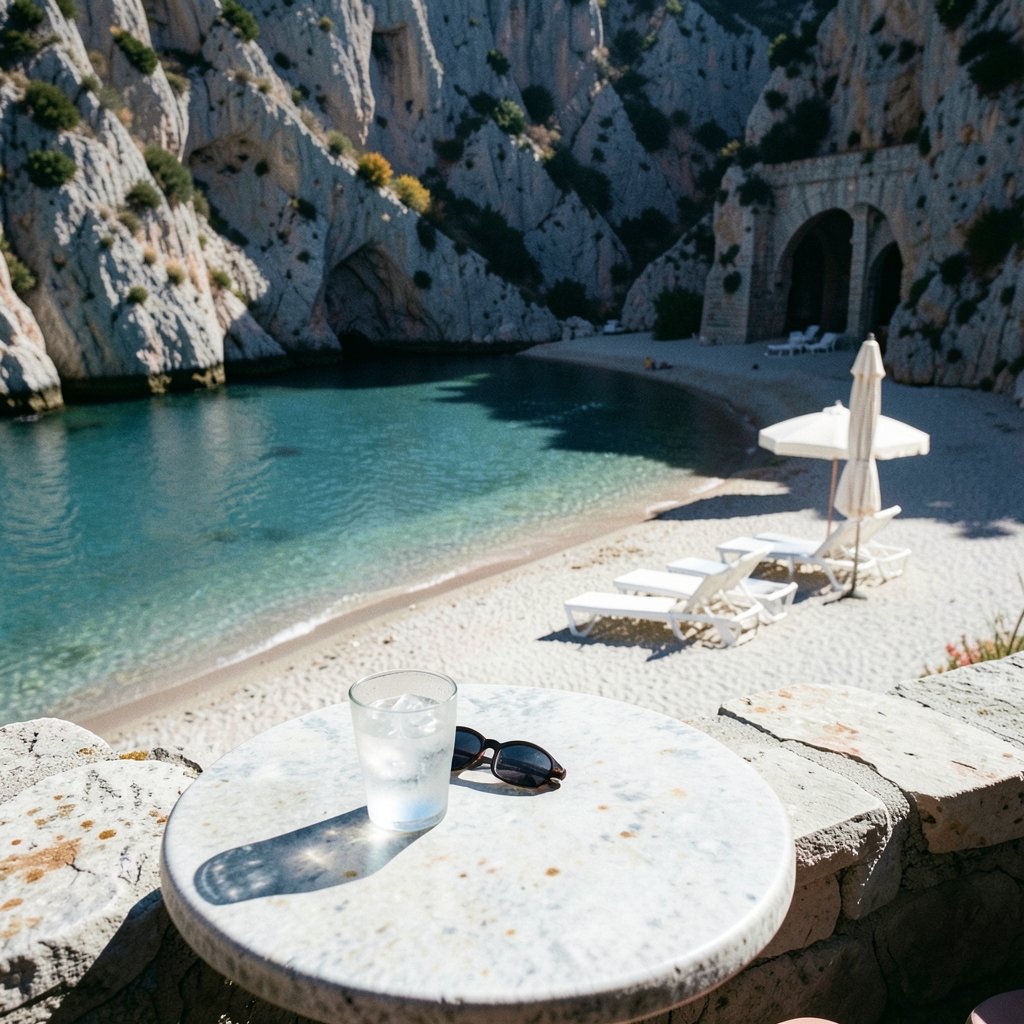
The Algarve delivers sunny beaches and magnificent cliffs, with water that looks almost unreal in photographs. It is the beach resort region of Portugal, and it knows it.
A specific highlight worth planning around: the passadiços of Carvoeiro, a wooden boardwalk of roughly 650 yards that snakes alongside the cliffs. It is wheelchair accessible and stroller-friendly, which makes it rare among dramatic coastal walks. The contrast between the deep blue Atlantic and the yellow limestone below is the reason cameras exist.
What it does well: variety of coastline. Sheltered coves, surf beaches, and cliff walks sit within short drives.
The limitation: July and August. The Algarve is popular, and the popular parts get crowded. May, June, September, and October offer the same cliffs with fewer elbows.
6. Évora: Alentejo History and Food
Who it suits: travelers who want Portugal’s interior and its cooking, rather than only its coast.
Évora is the classic Alentejo stop, a walled city of Roman remains and whitewashed streets surrounded by cork forests and plains. The region’s food and wine are among the country’s most authentic pleasures.
What it does well: pairing. A morning of history and an afternoon of long lunch is the correct rhythm here, and Évora makes both easy.
The limitation: summer heat. The Alentejo bakes in midsummer, so plan sightseeing for mornings and evenings, or visit in spring and autumn.
7. Óbidos: The Walled Town Worth Sleeping In
Who it suits: romantics, festival-goers, and anyone who wants a medieval town after dark.
Óbidos is one of Portugal’s most beautiful villages, and one of the most visited. Walking atop the walls at sunset is dreamy, sleeping in the castle (now a pousada open only to guests) is enchanting, and a seat in the ginjinha cherry-liquor bars along the Rua Direita is the perfect way to end the evening.
What it does well: festivals. March brings an International Chocolate Festival, July an all-encompassing Mercado Medieval, and the International Literature Festival arrives in September or October, fitting for a UNESCO City of Literature.
The limitation: day-trippers. Óbidos sits on the standard Lisbon circuit and gets crowded midday. Arrive later, stay overnight, and the town becomes yours.
8. Monsaraz: The Fortress Above the Plains
Who it suits: slow travelers and road-trippers heading toward Spain.
One of the oldest settlements in Portugal, the fortified village of Monsaraz rises above the Alentejo plains close to the Spanish border. Whitewashed walls, a handful of streets, and enormous skies define it.
What it does well: stillness. This is a place to sit, look, and do very little.
The limitation: thin infrastructure. Dining and accommodation options are limited, so book ahead and treat it as a night on a longer Alentejo route rather than a base.
9. Monsanto: The Village Built Into Boulders
Who it suits: photographers and travelers chasing the unusual.
Monsanto was once awarded the title of the “most beautiful Portuguese village” by the government, and it earns the oddity: giant granite boulders balance precariously above and between the houses, with some buildings constructed around the rocks.
What it does well: a genuinely strange, memorable place you will not find elsewhere in Europe.
The limitation: remoteness. Facilities are few, the climb is steep, and it suits a half-day visit or one quiet night rather than a long stay.
10. Comporta: Bohemian Beach Days
Who it suits: design-minded travelers who want beaches without resort energy.
Tucked between pine groves and rice paddies an hour south of Lisbon, secluded Comporta has a laid-back rhythm beloved by celebrities and royals. Slow days are spent cycling boardwalks and eating simply.
What it does well: restraint. No high-rise, no waterpark, no neon.
The limitation: quiet is the product, and quiet has a price. Dining and lodging skew upmarket and limited, so book well ahead.
11. Madeira: The Active Island
Who it suits: hikers and anyone who wants an island holiday with a pulse.
Madeira is the archipelago’s main island, known for levada walks along irrigation channels, dramatic coastal roads, and gardens. It is a place to move through rather than lie on.
What it does well: walking infrastructure and year-round mildness.
The limitation: weather that changes with altitude. Pack layers even in summer, and check conditions before committing to a ridge walk.
12. The Azores: Remote Nature, No Resort Polish
Who it suits: hikers, whale-watchers, and travelers who prefer landscapes to loungers.
The Azores are much more remote than Madeira. There are no ultra-luxe resorts or fully staffed villas, no 24-hour concierge service or sandy beaches with lounge chairs. What the islands offer instead is breathtaking natural beauty: hiking, biking, whale-watching, and kayaking.
For a slower-paced trip, stay on the main island of São Miguel. To see more, base yourself on Faial and take day trips by ferry to Pico and São Jorge.
What it does well: raw scenery and active days.
The limitation: comfort expectations. If your holiday requires beach loungers and room service, this is the wrong island chain. If it requires volcanic craters and empty trails, it is the right one.
How to Choose Where to Go
Work through these in order rather than browsing endlessly.
- Decide the trip type first: city break, beach, wine, hiking, or a mix. That single answer eliminates half the list.
- Match your season. The Algarve and Alentejo in August are a different experience from May. The Azores and Madeira reward flexibility.
- Count your nights honestly. Under seven nights, pick two bases maximum. Lisbon plus Sintra and Porto plus the Douro are the cleanest pairings.
- Choose one interior stop. Évora, Monsaraz, or Monsanto adds the Portugal that the coastline does not show you.
- Book the constrained pieces early: Sintra palaces, Óbidos accommodation, Comporta lodging, and Douro tastings with a driver.
- Leave one day unplanned. Portugal rewards wandering, and a rigid itinerary punishes it.
A common mistake is treating Lisbon and Porto as interchangeable. They are not. Lisbon is hills and viewpoints; Porto is river and wine. If you can only do one, choose based on whether you want to look at the city or drink beside it.
For more practical travel planning and destination writing, see
Conclusion
The best places to visit in Portugal depend less on rankings than on the trip you actually want. Lisbon and Porto anchor a first visit. Sintra and Óbidos reward an overnight. The Douro and the Algarve deliver the two great Portuguese landscapes, vines and cliffs. Évora, Monsaraz, and Monsanto show the interior. Comporta, Madeira, and the Azores serve travelers who want quiet, altitude, or remoteness instead of crowds.
Pick two anchors, add one interior stop, and leave room to change your mind. Portugal is small enough that a good plan bends without breaking.
FAQ
When is the best time to visit Portugal?
Spring and early autumn suit most regions best, with milder heat and thinner crowds. The Algarve and Alentejo are hottest in midsummer, so shift sightseeing to mornings and evenings if you travel then. The Azores and Madeira are year-round destinations, though weather varies with altitude.
How many days do you need in Portugal?
A week covers two bases comfortably, such as Lisbon with Sintra, or Porto with the Douro Valley. Ten days to two weeks allows a coastal stop, an interior stop like Évora, and a slower pace. Island trips need their own allocation because flights eat into short breaks.
Is Lisbon or Porto better for a first trip?
Lisbon suits first-timers who want monuments, viewpoints, and day trips like Sintra. Porto suits travelers who prefer riverfront evenings, port wine, and a compact historic center. Both are comfortable to walk in the evening, and both reward at least two nights.
Do you need a car to visit the Douro Valley and Alentejo?
A car helps considerably in both regions, since public transport is limited and the best viewpoints sit on rural roads. If you plan to taste wine in the Douro, book a driver or a tour instead of driving yourself. Alentejo towns like Monsaraz and Monsanto are easiest by car.
Which Portuguese islands should you pick, Madeira or the Azores?
Choose Madeira for levada walks, gardens, and a more developed tourism base. Choose the Azores for remoteness, volcanic scenery, whale-watching, and hiking, accepting that there are no sandy resort beaches or ultra-luxe resorts. São Miguel suits a slower trip; Faial works as a base for ferry day trips to Pico and São Jorge.
What are the most common mistakes visitors make in Portugal?
Overpacking the itinerary is the big one. Others include visiting Sintra and Óbidos midday with the day-trip crowds, attempting three palaces in one day, wearing thin shoes in Porto’s hills, and riding Tram 28 at peak time with valuables loose. Book constrained stops early and leave one day unplanned.