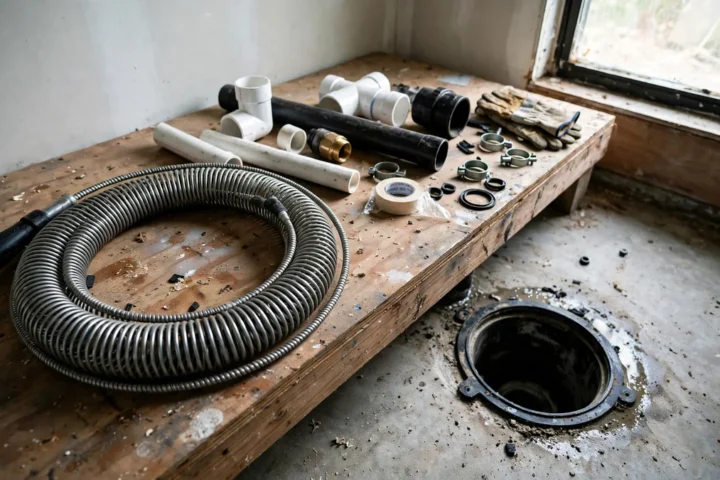

Septic system repair is something most homeowners never think about until a drain runs slowly or a strange smell drifts across the garden. The central question is simple: how do you know when your septic system needs repair, and what should you do first? Watch for slow drains, gurgling pipes, smells near the tank or drain field, and soggy patches of grass, then cut back on water use and call a licensed septic professional for an inspection before the problem grows.
A septic system is a quiet workhorse. Buried out of sight, it treats all the wastewater from a home that is not connected to a main sewer, and it does the job day after day with almost no attention. That invisibility is also its weakness: small faults can develop for months before symptoms appear.
Key takeaways
- Slow drains, gurgling sounds, smells and soggy ground are the classic early warnings of septic trouble.
- Most septic systems have three parts: a tank, a drain field and the pipes that join them.
- Cut back on water use as soon as you suspect a problem, and avoid flushing anything that is not toilet paper.
- Never enter a septic tank or breathe the gases inside it; sewer gas is dangerous and tanks can be deadly.
- Regular pumping and inspection by a licensed professional prevent most expensive repairs.
- Keep vehicles, heavy equipment and deep-rooted trees away from the tank and drain field.
How a septic system works
A conventional septic system has three main parts. Wastewater from toilets, baths, showers, sinks and washing machines flows through a single pipe into the septic tank, a buried, watertight container usually made of concrete, fibreglass or plastic. Inside the tank, heavy solids sink to the bottom as sludge, while oils and grease float to the top as scum. The liquid in the middle, known as effluent, flows out into the drain field.
The drain field, sometimes called a leach field, is a network of shallow trenches or pipes buried in soil. Effluent trickles out through small holes and soaks into the ground, where soil microbes break down the remaining germs and nutrients. The soil is the final stage of treatment.
Baffles or filters inside the tank keep solids and scum from escaping into the drain field, where they would clog the soil. A vent pipe on the roof lets gases escape safely. The whole arrangement relies on gravity in most homes, although some properties use a pump to move effluent uphill or to a raised drain field.
Warning signs that repair is needed
The earliest sign of trouble is usually inside the house. Drains that empty slowly, toilets that flush weakly and sinks that gurgle when another tap runs all suggest that wastewater is not moving freely. A single slow drain usually points to a blocked pipe in that room, but when several fixtures misbehave at the same time, the fault is more likely in the septic system itself.
Smells are another clear warning. A faint sewage smell near the tank lid, around the drain field or coming back through drains means gases or effluent are escaping where they should not. Do not ignore it or cover it with air freshener; it is the system telling you that something has changed.
Outside, look at the ground above the drain field. Grass that is suddenly much greener and lusher than the rest of the lawn, or patches of ground that stay soggy long after rain, can mean effluent is surfacing instead of filtering down through the soil. Standing water with a smell needs professional attention quickly. Sewage backing up into baths, showers or the lowest toilet is the most urgent symptom of all: stop using water and call a professional straight away.
What can go wrong
Septic problems fall into a few broad groups. The tank itself can crack or leak, letting groundwater in or effluent out, and concrete tanks can corrode over many years. Baffles can break, allowing solids into the drain field, and pipes can crack, sag or become blocked by roots.
The drain field is often the most expensive part to repair, because the soil itself can fail. When too much water enters the field, or when solids escape from the tank, the soil pores clog and the field can no longer absorb effluent. This is known as a failed drain field, and it usually shows up as surfacing effluent or sewage backing up into the house.
Household habits matter more than most people realise. Flushing wet wipes, cotton buds, sanitary products, nappies or cooking fat puts a strain on the tank, because these things do not break down and can block pipes and filters. Pouring strong chemicals, paint or large amounts of bleach down the drain can kill the helpful bacteria that break waste down. Even a dripping tap, left for months, adds hundreds of litres of extra water the drain field must absorb.

Common septic problems compared
Different symptoms point to different faults, and knowing which is which helps you describe the problem clearly when you call a professional. The table below sums up the most common situations.
| Problem | Typical signs | Usual response |
|---|---|---|
| Full tank | Slow drains throughout the house, gurgling pipes | Pumping by a licensed professional |
| Blocked pipe | One fixture drains slowly, localised smell | Inspection and clearing of the pipe |
| Damaged baffle | Solids reaching the drain field, recurring blockages | Baffle repair or replacement |
| Clogged drain field | Soggy ground, lush grass, surfacing effluent | Professional assessment, possible field repair |
| Cracked tank | Smells near the tank, unexplained wet patches | Tank inspection and repair or replacement |
| Tree root damage | Repeated blockages, cracked or shifted pipes | Root removal and pipe repair |
What a repair visit usually involves
A repair visit normally begins with questions and an inspection. The professional will ask when the symptoms started, which fixtures are affected and when the tank was last pumped. They will locate the tank and drain field, lift the access covers and check the liquid level inside the tank.
From there, the work depends on what is found. Pumping the tank is the most common first step, and it often reveals the state of the baffles and the inlet and outlet pipes. A camera inspection can show cracks, root damage or collapsed sections inside the pipes without digging, and small test holes can show whether the soil in the drain field is still absorbing water.
Some repairs are straightforward: replacing a baffle, clearing a blocked pipe or fitting a new filter. Others are bigger jobs, such as replacing a section of pipe or rebuilding part of a drain field. A good professional will explain what they found and what the options are before starting work.
What homeowners can and cannot do themselves
There is plenty a homeowner can safely do. You can watch for warning signs, keep a record of pumping dates, spread out laundry loads so the system is not flooded in a single day, and keep the area above the tank and drain field free of vehicles, heavy equipment and new planting. Fix leaking taps and running toilets quickly.
There are also firm limits. Never open a septic tank yourself beyond lifting an access cover with proper care, and never climb into a tank or lean over an open tank to look inside. Septic tanks contain sewer gas, which can be poisonous and can displace oxygen, and the walls can be slippery and unstable. People have died entering tanks that looked harmless from above. Leave all tank work to a licensed professional with the right equipment.
The same caution applies to chemicals. Products sold as septic additives or drain cleaners are not a substitute for pumping or repair, and strong chemicals can harm the bacteria the system depends on. If a drain is blocked, a plunger may clear a local blockage, but repeated blockages are a sign to call a professional rather than keep adding chemicals.
Your septic system repair checklist
Keep this list with your household records and run through it once a year.
- Note the date of the last tank pumping and book the next one before it is overdue.
- Walk the drain field after rain and look for soggy patches or unusually lush grass.
- Check that all drains run freely and listen for gurgling when taps run.
- Fix leaking taps and running toilets promptly to reduce the load on the system.
- Flush only toilet paper and human waste; nothing else goes down the toilet.
- Keep cars, caravans and heavy equipment off the tank and drain field.
- Do not plant trees or deep-rooted shrubs near the tank, pipes or drain field.
- Spread laundry across the week instead of running many loads in one day.
- Keep the tank access covers visible and marked so a professional can find them.
- At the first sign of sewage backing up, stop using water and call a professional.
Frequently asked questions
How do I know if my septic system needs repair or just pumping?
Pumping is routine maintenance, and a tank that is simply full will usually return to normal once emptied. If slow drains, smells or soggy ground continue after pumping, or if sewage has backed up into the house, the problem is more likely a damaged pipe, a failed baffle or a struggling drain field, and a repair assessment is needed.
How often should a septic tank be pumped?
There is no single answer, because it depends on the size of the tank and how many people live in the house. Many households pump every three to five years, but a small tank with a large family may need it sooner. A professional can advise on the right interval after inspecting the tank and measuring the sludge level.
Can I repair a septic system myself?
Simple household steps, such as fixing leaks and keeping the drain field clear, are safe for homeowners. Anything involving opening the tank, entering it or digging up pipes should be left to a licensed professional, because of the risks from sewer gas, unstable ground and buried services.
What causes a drain field to fail?
A drain field usually fails because the soil becomes clogged with solids or overloaded with water. Solids escape when a tank is not pumped or a baffle breaks, and overloading happens when too much water enters the system at once.
Is a sewage smell in the house always a septic problem?
Not always. A dry trap under a sink or bath can let smells back into a room, and a blocked roof vent can cause similar symptoms. If the smell is near the tank or drain field, or if several drains are affected at once, a septic fault is more likely and a professional inspection is the sensible next step.
What should I do if sewage backs up into my home?
Stop using water immediately, including taps, toilets, showers and washing machines, and keep children and pets away from the affected area. Call a licensed septic professional as soon as possible, and avoid contact with the sewage, which can carry harmful germs.
The bottom line
Septic system repair is usually less frightening once you understand the system and catch problems early. Watch for slow drains, smells and soggy ground, cut back on water use when trouble appears, and call a licensed professional rather than hoping the problem will clear on its own. For more home care reading, see our guide to emergency septic pumping near me, our advice on sewer line repair, and our guide to plumbing repair.
This article is general information only and is not a substitute for professional advice. Septic tanks contain sewer gas, which can be dangerous, and tanks should never be entered. Always use a licensed professional for inspection, pumping and repair, and follow local rules for septic systems in your area.