
Plumbing repair is one of the most useful skills a homeowner can learn, because small faults are common and most of them are simple. A dripping tap, a toilet that will not stop running, a slow drain or a leaking trap can usually be fixed in under an hour with a few basic tools and a little patience. The trick is knowing which jobs are safe to tackle and which ones belong to a professional.
This guide covers the repairs that most homeowners can do themselves, the tools worth owning, and the warning signs that mean it is time to put the wrench down and call a plumber. It also covers the safety rules that matter most: finding your water shut-off before you start, and never touching gas pipework.
Key takeaways
- Most common plumbing faults are small, and many are safe for a careful homeowner to fix.
- Always find your main water shut-off valve before you start any repair.
- Dripping taps are usually caused by a worn washer or a tired cartridge.
- A running toilet is often a faulty flapper or a fill valve set too high.
- Slow drains usually respond to a plunger or a drain snake before chemicals are needed.
- Gas pipework, burst mains and sewage backups are jobs for a qualified professional.
Before you start: shut the water off
Every plumbing repair begins in the same place: the water supply. Find your main shut-off valve before anything goes wrong, not after a pipe has burst. In most homes it is near where the water main enters the house, often under the kitchen sink, in a utility cupboard, or near the water meter. Turn it clockwise to close it, and check that the taps run dry.
Many fixtures have their own isolation valves as well, small taps on the supply pipes beneath a sink or behind a toilet. These let you shut off one fixture while the rest of the house keeps working. Keep a bucket, old towels and a torch within reach before you undo anything, because even a drained pipe holds some water.
The tools worth owning
You do not need a plumber’s van to handle the common jobs, but a small kit makes the work far easier. An adjustable wrench and a pair of slip-joint pliers cover most nuts and fittings. A plunger, a drain snake and a bucket handle most blockages. Plumber’s tape, also called PTFE tape, seals threaded joints, and a set of spare tap washers costs very little and solves the most common drip.
Keep your tools in one box so you are not hunting through drawers with water on the floor. Avoid the wrong tool for the job: pliers on a chrome fitting will chew the finish, and an oversized wrench on a small plastic nut will crack it. Gentle, steady pressure beats force in plumbing almost every time.
Fixing a dripping tap
A tap that drips after you have turned it off is the most common plumbing complaint in any home, and it is usually a worn washer or a tired cartridge. On a traditional tap, the washer is a small rubber disc that presses against a seat to stop the flow, and it hardens and wears with age. Turn off the water, remove the handle and the valve assembly, and replace the washer at the bottom, matching the size at a hardware shop.
Modern lever taps and mixer taps usually have a ceramic cartridge instead of a washer. These last longer, but when they fail the tap drips or becomes stiff. Replacing one is similar work: shut off the water, remove the handle, lift out the old cartridge and fit an identical replacement. If the tap body itself is cracked or corroded, replacing the whole tap is the better answer.

Fixing a running toilet
A toilet that runs on after flushing is usually wasting far more water than a dripping tap, and it is often a ten-minute fix. Lift the lid off the cistern and watch what happens after a flush. If water keeps flowing into the bowl, the flapper or flush valve is probably not sealing. The flapper is the rubber disc that lifts to let water into the bowl; if it is warped or perished, it will not sit flat. A new flapper of the same size usually fixes it.
If the water level in the cistern is too high and water is running down the overflow tube, the fill valve needs adjusting. Most fill valves have a float that rises with the water and shuts the valve off; lowering the float slightly drops the shut-off level. If the fill valve itself is faulty and will not shut off at all, it can be replaced with a universal fill valve, and you should check for leaks around the base afterwards.
Clearing a slow drain
Slow drains are almost always a build-up problem: hair and soap in a bathroom basin or shower, grease and food in a kitchen sink. Start with the simplest fix. A plunger works by pushing and pulling the blockage, and it is most effective when there is some water in the basin to form a seal. Work the plunger firmly for twenty seconds before lifting it to check the flow.
If the plunger does not clear it, a drain snake is the next step. Feed the coiled wire into the drain, turning the handle as you go, and pull back the debris it catches. A basin trap can also be unscrewed by hand and emptied into a bucket. Chemical drain cleaners should be a last resort: they are harsh, they can damage older pipes, and they make a later visit from a plumber more hazardous. Never mix chemical cleaners, and never plunge a drain after pouring chemicals in.
Common repairs compared
Not every repair is equal in difficulty, cost or risk. The table below compares the jobs most homeowners meet, so you can judge what to attempt on a Saturday morning and what to leave alone.
| Repair | Usual cause | Main tool | Difficulty | Call a plumber if |
|---|---|---|---|---|
| Dripping tap | Worn washer or cartridge | Adjustable wrench | Easy | Tap body is cracked or corroded |
| Running toilet | Faulty flapper or fill valve | Hands, adjustable wrench | Easy | Cistern or bowl is cracked |
| Slow drain | Hair, soap or grease build-up | Plunger or drain snake | Easy to moderate | Several drains back up at once |
| Leaking trap | Loose or perished seal | Slip-joint pliers, bucket | Easy | Pipework is corroded or broken |
| Low water pressure | Blocked aerator or supply fault | Hands, pliers | Easy to hard | Pressure drops across the whole house |
| Burst pipe | Frost or age | None: shut water off | Do not attempt | Always: shut off water and call a professional |
Leaks, pressure and other faults
A leak under a sink is often a loose trap, the curved section of pipe that holds water to block smells from the drain. Put a bucket underneath, tighten the slip nuts by hand and then a quarter turn with pliers, and dry the joint to see whether it still weeps. If the pipe itself is cracked or corroded, replace the section rather than wrapping it in tape and hoping.
Low pressure at a single tap is often a blocked aerator, the small mesh fitting at the end of the spout. Unscrew it, soak it in vinegar to dissolve mineral deposits, rinse it and refit it. Low pressure across the whole house is a different matter: it can mean a supply fault, a partially closed main valve, or a leak somewhere in the system. That is a job for a professional, as is water that is discoloured or smells odd; stop using it for drinking and call your water supplier and a plumber.
When to call a professional
The line between a home repair and a professional job is not about confidence; it is about risk. Call a plumber when more than one drain backs up at once, because that usually means a blockage in the main drain or the sewer line, and the equipment needed is beyond a household snake. Call one for any burst pipe, any leak inside a wall or ceiling, and any sign of sewage coming back into the house.
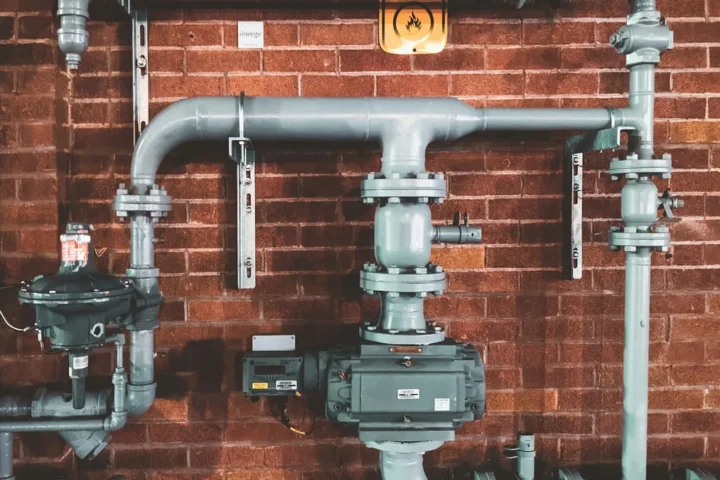
Gas is the hardest line of all. Never touch gas pipework, a gas meter or a gas appliance. Gas work must be left to a qualified professional, and in many countries it is illegal for an unqualified person to do it. The same caution applies to a water heater that is leaking or producing discoloured water. A little knowledge is genuinely useful in plumbing, but knowing when to stop is what keeps a small job from becoming a flooded kitchen.
Your plumbing repair checklist
- Find your main water shut-off valve before any repair, and check that it works.
- Close the isolation valves of the fixture you are working on.
- Keep a bucket, towels and a torch within reach before you undo anything.
- Match replacement washers and cartridges by taking the old part to the shop.
- Use plumber’s tape on threaded joints to help them seal.
- Cover the overflow when plunging so the pressure goes down the drain.
- Try a plunger or a drain snake before reaching for chemical cleaners.
- Never mix chemical drain cleaners, and never plunge after using them.
- Dry every joint after a repair and check it again an hour later.
- Call a professional for burst pipes, sewage backups and anything involving gas.
Frequently asked questions
What causes a tap to drip?
Usually a worn washer or a tired cartridge. In a traditional tap, the rubber washer hardens and stops sealing against its seat. In a modern lever tap, the ceramic cartridge wears out. Both parts are cheap and can be replaced once the water is shut off.
Why does my toilet keep running?
Most often the flapper is warped or perished and does not seal. It can also be a fill valve set too high, so water runs down the overflow tube. Check the flapper first, then the water level in the cistern.
Is it safe to use chemical drain cleaner?
It should be a last resort. Chemical cleaners are harsh, they can damage older pipes, and they make any later work on the drain hazardous for a plumber. Try a plunger or a drain snake first, and never mix different chemical cleaners together.
How do I find my main water shut-off valve?
It is usually near where the water main enters the house, often under the kitchen sink or near the water meter. Turn it clockwise to close it. If it is seized, ask a plumber to free or replace it rather than forcing it.
When should I call a plumber instead of fixing it myself?
Call one when several drains back up at once, when a pipe has burst, when there is a leak inside a wall or ceiling, when sewage comes back into the house, and for anything involving gas.
Can I repair a gas pipe myself?
No. Gas pipework, meters and appliances must be left to a qualified professional. In many countries it is illegal for an unqualified person to do gas work. If you smell gas, leave the building and call for help from outside.
The bottom line
Plumbing repair rewards a calm, methodical approach. Shut the water off, find the real cause, use the right tool, and check your work twice. Dripping taps, running toilets, slow drains and leaking traps are all within reach of a careful homeowner with a small kit, and fixing them promptly saves water, money and damage. The skill that matters most, though, is knowing when to stop: burst pipes, sewage and anything involving gas belong to a professional. Once the work is done, our guide to stress relief techniques covers unwinding, our guide to the best tea brands covers a proper brew, and our guide to the best water bottles covers staying hydrated.