
A muscle spasm is a sudden, involuntary tightening of a muscle or part of a muscle, and it can arrive without warning in the middle of the night, halfway through a run, or while you are simply reaching for a shelf. The short answer is that a muscle spasm is usually harmless and passes within minutes, but it can be intensely painful while it lasts, and repeated spasms are often a sign that a muscle is tired, dehydrated, or being asked to do more than it is ready for.
Key takeaways
- A muscle spasm is an involuntary contraction that you cannot control, and it usually eases within a few minutes.
- Common triggers include overuse, dehydration, holding one position for too long, and exercising in heat.
- Gentle stretching, heat, and massage are usually the fastest ways to ease a spasm.
- Low levels of minerals such as magnesium, calcium, and potassium are sometimes linked to cramps.
- Most spasms are harmless, but some need medical attention, especially if they are frequent or severe.
- Regular movement, fluids, and a gradual build-up in exercise help prevent spasms coming back.
What is a muscle spasm?
A muscle spasm happens when a muscle contracts and stays contracted, even though you are not trying to use it. Normally, your brain sends a signal for a muscle to tighten and then another for it to relax, and the two work together smoothly. During a spasm, that control is interrupted: the muscle keeps firing, the fibres stay bunched together, and the area can feel hard, knotted, or visibly tense under the skin. The spasm may last a few seconds or several minutes, and the muscle can feel sore afterwards.
Spasms can affect almost any muscle, but some are more prone than others. The calf is the classic site, which is why so many people wake at night with a charley horse, but spasms also commonly strike the feet, thighs, hands, back, neck, and abdomen. A spasm in the back can feel very different from one in the calf: it may spread across a wide area, make it hard to stand up straight, and linger as stiffness for a day or two. The Wikipedia page on muscle spasm gives a clear overview of how these involuntary contractions are described in medical terms.
What causes muscle spasms?
The most common cause is simple overuse. When a muscle works harder or longer than it is used to, its fibres become fatigued, and fatigued muscles are more likely to contract without being asked. This is why spasms often appear near the end of a long walk, a hard training session, or a day spent doing unfamiliar physical work such as gardening or moving furniture.
Dehydration is another frequent contributor. Muscles need fluid to work properly, and when you lose a lot of sweat without replacing it, the balance of fluid and minerals around the muscle fibres changes. Heavy sweating, a stomach upset, or simply not drinking enough during a hot day can all tip that balance far enough to trigger a spasm.
Holding one position for a long time can also set a spasm off. Sitting at a desk with poor posture, sleeping with your foot pointed in an awkward position, or standing still for hours can leave a muscle in a shortened state, and when you finally move, it may seize up rather than lengthening smoothly. This is one reason night cramps are so common: the foot often rests in a pointed position under the covers, leaving the calf shortened for hours.
Some medicines are linked to cramps as a side effect, including certain diuretics, cholesterol-lowering statins, and some asthma medicines. If cramps began soon after starting a new medicine, mention it to your doctor or pharmacist rather than stopping the medicine on your own. Nerve problems can also cause spasms: a compressed nerve in the spine can make the muscles it supplies twitch or cramp. Pain that spreads or tingles is always worth noting, and a guide to carpal tunnel syndrome symptoms explains how a trapped nerve can produce tingling and cramping in the hand and wrist.
How to stop a muscle spasm quickly
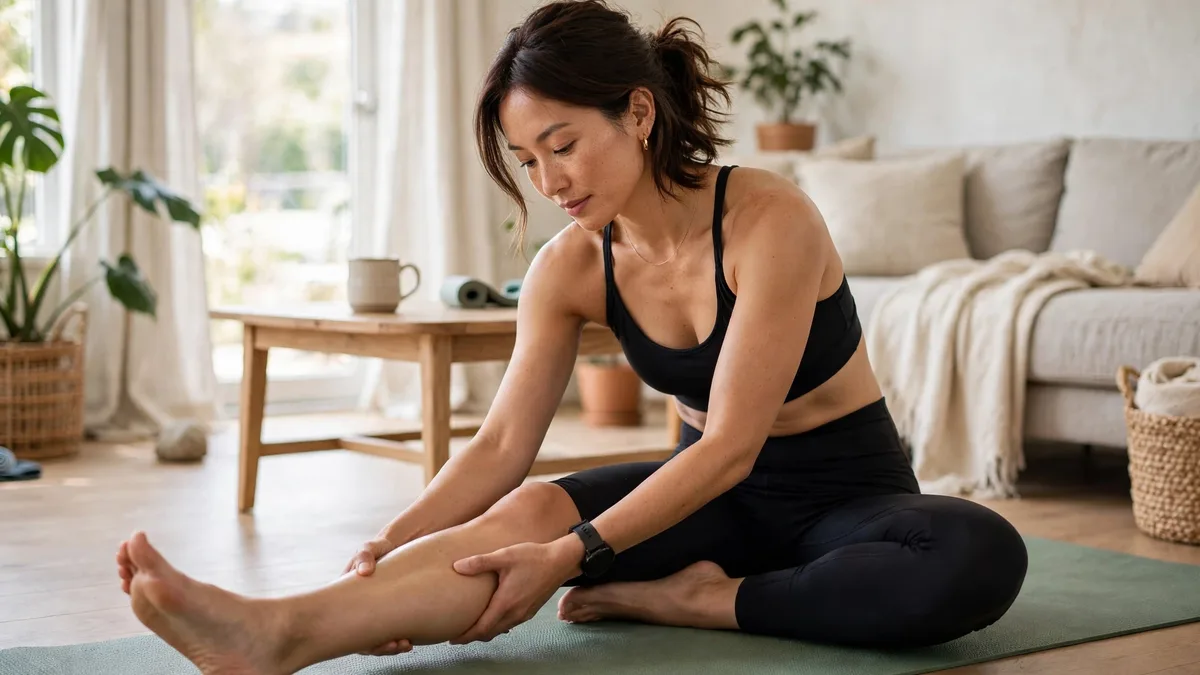
When a spasm strikes, the first step is to stop what you are doing and let the muscle relax. For a calf cramp, straighten the leg and gently pull the toes towards your shin, holding the stretch until the muscle softens. For a foot cramp, stand and press the foot flat on the floor, or sit and gently pull the toes back. For a spasm in the thigh, a slow, gentle stretch of the front or back of the thigh works in the same way.
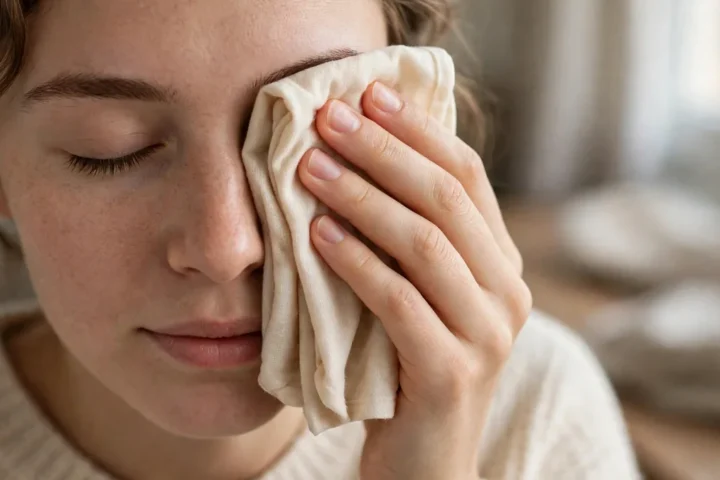
Massage is the next step. Use firm, slow pressure with your thumbs or the heel of your hand, working along the muscle rather than jabbing at the hardest point. The aim is to encourage blood flow and persuade the muscle to let go, not to force it. Some people find that a warm cloth or a hot water bottle helps, because heat relaxes muscle fibres and increases blood flow to the area. Others prefer a cold pack, especially if the spasm followed an injury, and either approach is reasonable for a simple cramp.
Muscle spasm: where it strikes and what helps
Different muscles cramp for slightly different reasons, and what helps fastest depends on where the spasm is. The table below sets out the most common sites, their usual triggers, and the first thing to try.
| Where the spasm strikes | Usual triggers | What usually helps first |
|---|---|---|
| Calf | Night-time shortening, dehydration, hard exercise | Straighten the leg and pull the toes towards the shin |
| Foot | Standing for hours, tight shoes, pointing the toes | Stand flat on the foot or gently stretch the toes back |
| Thigh | Running, cycling, sudden sprints | Slow stretch of the front or back of the thigh |
| Back | Heavy lifting, poor posture, sudden twisting | Heat, gentle movement, and rest from lifting |
| Hands and fingers | Repetitive gripping, writing, cold weather | Spread the fingers wide, then make a slow fist |

When should you see a doctor?
Most muscle spasms are a nuisance rather than a danger, and they settle with rest, stretching, and fluids. There are, however, some signs that deserve a medical opinion. If spasms happen very often, last longer than a few minutes despite stretching, or keep coming back in the same muscle over weeks, it is worth asking your doctor about them.
Seek urgent care if a spasm comes with symptoms that suggest something more serious, such as chest pain, breathlessness, or a leg that is suddenly very swollen and painful, because those can be signs of other conditions that need prompt treatment. A guide to heart disease explains why chest symptoms should always be taken seriously and checked promptly. Also seek advice if cramps began after starting a new medicine, or if you are pregnant and the cramps are severe or frequent.
Your doctor may check blood levels of minerals such as calcium, magnesium, and potassium, review your medicines, and look for signs of nerve compression or circulation problems. In most cases, no test finds a single cause, and the advice is practical: more fluids, better sleep positions, and a steadier exercise routine.
How to prevent muscle spasms
Prevention starts with warming up properly. A few minutes of gentle movement before exercise raises blood flow to the muscles and gives them time to prepare, and a slow cool-down afterwards lets them lengthen gradually rather than tightening up as they cool. Stretching for a few minutes each day keeps muscles supple, especially the calves, hamstrings, and feet.
Fluids matter just as much. Aim to drink regularly through the day rather than waiting until you feel thirsty, and drink more when the weather is hot or you are exercising. Eating a varied diet with fruit, vegetables, dairy or fortified alternatives, nuts, and whole grains provides the minerals muscles need, including potassium from bananas and potatoes, magnesium from leafy greens and nuts, and calcium from dairy foods. Supplements are sometimes suggested for cramps, but the evidence is mixed, so talk to a doctor or pharmacist before taking them.
Building up exercise gradually is the third piece of prevention. A sudden jump in distance, weight, or intensity is one of the surest ways to invite cramps, so increase training by small steps and give your body rest days to recover. Good footwear also helps, particularly for foot cramps. Joint pain can make people move less, which in turn makes muscles stiffer and more cramp-prone, so keeping joints comfortable matters too — a guide to gout symptoms describes how joint pain can limit movement and what to do about it.
A checklist for easing and preventing muscle spasms
- Stop the activity and stretch the affected muscle gently until it softens.
- Massage the muscle with slow, firm pressure and apply heat if it helps.
- Drink water, and replace salts with a sports drink after heavy sweating.
- Stretch the calves, thighs, and feet for a few minutes every day.
- Warm up before exercise and cool down slowly afterwards.
- Build up training gradually instead of jumping to a much harder session.
- Eat a varied diet with fruit, vegetables, nuts, and dairy or fortified alternatives.
- See a doctor if spasms are frequent, severe, or keep returning in the same muscle.
What is the fastest way to stop a muscle spasm?
Gentle, steady stretching of the affected muscle is usually the fastest relief. For a calf cramp, straighten the leg and pull the toes towards your shin and hold the stretch until the muscle softens, then massage it gently and apply heat if it still feels tight.
Why do muscle spasms happen at night?
Night cramps often happen because the foot rests in a pointed position under the covers, leaving the calf muscle shortened for hours. Dehydration, a long day on your feet, and exercising late in the day can also make them more likely.
Does dehydration cause muscle spasms?
It can contribute. Muscles need fluid and a steady balance of minerals such as sodium, potassium, calcium, and magnesium to contract and relax properly, and heavy sweating or not drinking enough can disturb that balance.
Are muscle spasms a sign of something serious?
Usually not. Most spasms come from overuse, dehydration, or holding one position too long, and they pass quickly. Frequent, severe, or long-lasting spasms, or spasms with weakness, swelling, or chest symptoms, should be checked by a doctor.
Can low magnesium cause muscle spasms?
Low magnesium is sometimes linked to cramps, along with low calcium or potassium, but it is only one possible cause among many. A varied diet usually provides enough magnesium, and supplements should be discussed with a doctor or pharmacist first.
Should I exercise with a muscle spasm?
Not while the spasm is happening. Wait until the muscle has relaxed, then move it gently through its normal range before returning to full activity. Exercising hard through a cramp can make it worse and may strain the muscle.
The bottom line
A muscle spasm is your body telling you that a muscle is tired, dry, or overworked, and in most cases a gentle stretch, some massage, and a drink of water will settle it within minutes. Pay attention when spasms keep coming back, build your activity up gradually, and get medical advice if cramps are frequent, severe, or come with other symptoms you cannot explain.
This article is for general information only and is not medical advice. Muscle spasms are usually harmless, but only a doctor who knows your medical history can judge whether yours need investigation, so seek medical advice if you are worried or if symptoms persist.