
Gout symptoms usually arrive without much warning: sudden severe pain in a joint, most often the big toe, with hot, swollen, red skin over the joint. Gout is a form of arthritis caused by a build-up of uric acid in the blood, which forms sharp crystals inside a joint and triggers painful inflammation. This guide explains the signs, the pattern of attacks, and when to seek medical care.
The information here follows the guidance published by the NHS and is general information only, not medical advice. Gout can resemble other joint problems, including infection, so a proper diagnosis matters. If you recognise the symptoms described below, the right next step is to speak to your doctor rather than trying to diagnose yourself.
Key takeaways
- The main gout symptoms are sudden severe joint pain, swelling, heat and red skin.
- The big toe is the most common site, but ankles, knees, wrists and elbows can be affected.
- Attacks often start at night, develop over a few hours and last days.
- Gout is caused by urate crystals forming in a joint when uric acid levels stay high.
- See a doctor if you have symptoms for the first time or usual treatments stop helping.
- Seek urgent care if joint pain worsens alongside fever or feeling unwell.
What gout is
Gout is a type of inflammatory arthritis. Uric acid, also called urate, is a chemical produced when the body breaks down purines, substances found in the body and in some foods and drinks. Usually uric acid dissolves in the blood and leaves the body in urine, but when levels stay too high, tiny grit-like crystals can form and collect in a joint, irritating the tissues and triggering inflammation.
High uric acid alone does not always cause gout. Many people have raised levels without ever having an attack, while others develop gout at levels that look only mildly raised. Genes, body weight, kidney function, some medicines and diet all influence the picture, and attacks can be set off by illness, injury to a joint, or surgery. Gout is not simply a matter of eating the wrong foods, and blaming yourself for an attack is rarely fair or useful.
Gout is common and it is treatable. Attacks are usually treated with anti-inflammatory medicines, and longer-term treatment to lower uric acid can prevent attacks for people who get them repeatedly. The condition tends to be undertreated, partly because people put up with attacks or assume nothing can be done, when in fact a doctor can usually bring it under control.
The main symptoms of an attack
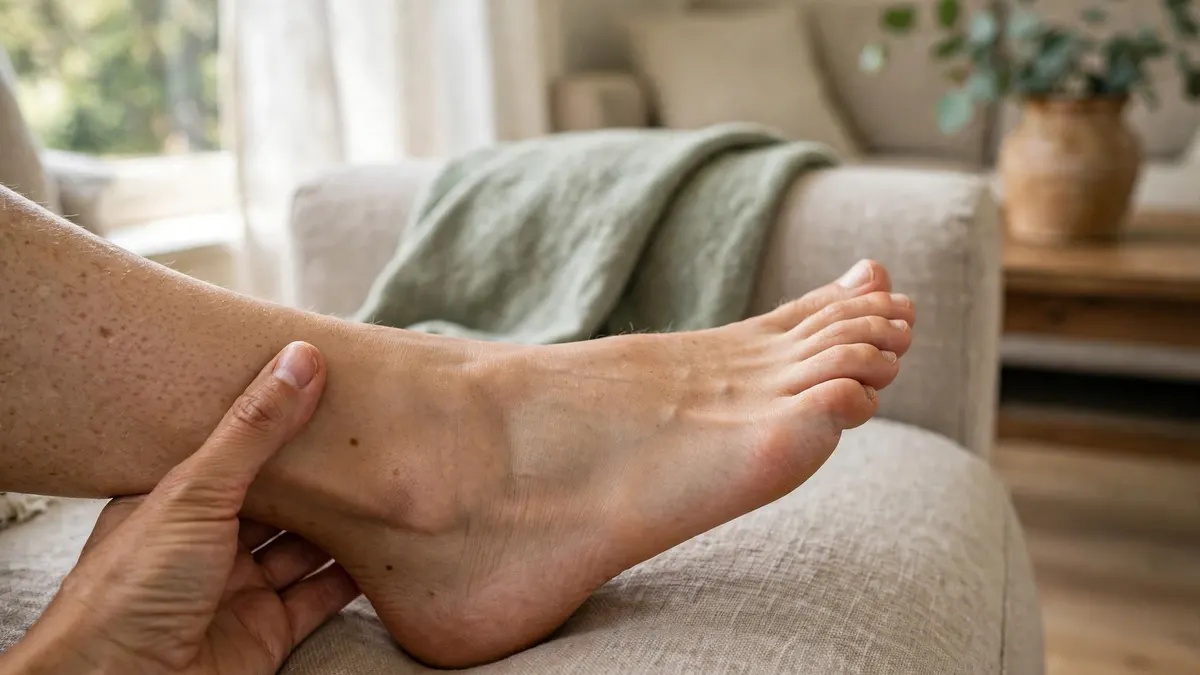
According to the NHS, the main symptoms of gout are sudden severe pain in a joint, usually the big toe, but it can be in other joints in the feet, ankles, hands, wrists, elbows or knees, and hot, swollen, red skin over the affected joint. Redness may be harder to see on black or brown skin, so swelling, heat and tenderness matter just as much as colour. The pain is often described as the worst joint pain the person has felt, and the joint can be so tender that even resting a sheet on it is unbearable.
Attacks tend to follow a pattern. They often start at night, although they can happen at any time, develop quickly over a few hours, and last between three and ten days, with the joint gradually returning to normal afterwards. Without treatment an attack usually lasts one to two weeks. Attacks may come back every few months or years, and they can become more frequent over time if gout is not treated.
Between attacks, the joint usually feels normal, which is one reason gout can be confusing. Some people have only one attack in their lives. Others find attacks cluster, and over years of repeated attacks, hard lumps called tophi can form under the skin, usually on the ears, fingers or elbows. Tophi are usually painless but can occasionally become infected, so they are worth mentioning to a doctor.
Which joints gout affects
The base of the big toe is the classic site, and it is where most first attacks happen. The joint at the base of the toe bears weight with every step, which is why walking can become very painful during an attack. Other joints in the foot, including the mid-foot and the ankle, are also common, as are the knee, the wrist, the hand and the elbow.
Usually one joint is affected at a time, especially in early gout, but two or more joints can be involved, and later attacks may affect different joints from the first. Noting which joint, how long it lasted, and what seemed to precede it helps a doctor see the pattern and decide on treatment.
It is worth knowing that gout pain can be mistaken for other problems. A sudden hot, swollen joint can also be caused by infection inside the joint, which needs urgent treatment, or by other forms of arthritis. New joint pain with swelling should be assessed by a clinician rather than assumed to be gout, even if you have had gout before.
What raises the risk
Several factors make gout more likely. Being male and being older raise the risk, as does having close relatives with gout. Carrying extra weight, drinking alcohol, especially beer, and eating a diet rich in red meat, offal and some seafood can raise uric acid levels. Drinks sweetened with fructose have also been linked with higher levels.
Some medicines raise uric acid, including certain water tablets used for blood pressure, while kidney problems can reduce how much uric acid the body clears. Other health conditions often travel with gout, including high blood pressure, diabetes and kidney disease, so a new diagnosis of gout is a good reason for a general health check.
None of this means an attack is your fault. Many people with gout eat carefully and still have attacks, because genes and kidney function matter more than any single meal. Diet changes can help, but medicines that lower uric acid are often the most effective way to prevent attacks in the long term.
When to seek care
The NHS advises seeing a GP if you have symptoms of gout for the first time, or if you have gout and your usual treatments are not helping. A first attack deserves assessment because the diagnosis needs confirming, other causes need ruling out, and treatment started early can shorten the attack and reduce the chance of joint damage.
Ask for an urgent GP appointment, or get help from NHS 111, if you have sudden pain and swelling in a joint and the pain is getting worse, you also have a very high temperature or you feel hot, cold or shivery, or you also feel sick or cannot eat. These symptoms could mean an infection inside the joint, which needs urgent medical help.
At an appointment, a doctor will usually ask about your symptoms, examine the joint, and may arrange a blood test to measure uric acid.
Living between attacks
Once an attack settles, the focus shifts to preventing the next one. Keeping a healthy weight, staying hydrated, limiting alcohol and avoiding long periods without food all help keep uric acid steadier. Regular movement matters too, but during an attack the joint needs rest, elevation and something cold against it, with care to protect the skin from direct ice.
Many people find it helps to keep a simple record: the date, the joint, how long the attack lasted, and anything unusual beforehand. This record is useful at appointments and can reveal patterns you would otherwise miss, helping a doctor judge whether preventive treatment is worth starting.

Gout symptoms at a glance
The table below summarises the signs the NHS lists for gout, where they appear, and how they usually behave, so you can compare what you are feeling with the typical pattern.
| Symptom | What it feels like | Typical pattern |
|---|---|---|
| Sudden severe pain | Sharp, intense joint pain | Starts over a few hours |
| Swelling | Joint looks and feels puffy | Peaks early in the attack |
| Heat and redness | Hot skin, red or darker | Over the affected joint |
| Extreme tenderness | Even light touch hurts | Bedclothes can be painful |
| Reduced movement | Joint stiff and hard to use | Walking may be difficult |
| Recurring attacks | Flares return over time | Every few months or years |
Your gout symptoms checklist
- Note which joint hurts, when the pain started, and how severe it is.
- Check for swelling, heat, redness and tenderness over the joint.
- Rest the joint, raise it on a cushion, and avoid putting weight on it.
- Keep a record of attacks, including dates and possible triggers.
- See a doctor if this is your first attack or treatments stop helping.
- Seek urgent care if pain worsens with fever, shivering or feeling sick.
- Ask your doctor about a blood test for uric acid levels.
- Discuss preventive treatment if attacks keep coming back.
- Stay hydrated and keep a healthy weight between attacks.
- Tell family or colleagues that flares can limit walking for days.
Frequently asked questions
How can I tell gout from other joint pain?
Gout usually starts suddenly, often at night, with severe pain in one joint, most often the big toe, plus swelling, heat and redness. Other arthritis tends to build up more gradually. Even so, only a clinician can be sure, because infection and other conditions can look similar, so new joint pain with swelling should always be assessed.
How long does a gout attack last?
According to the NHS, an attack usually lasts one to two weeks if left untreated, with the worst pain in the first day or two. With treatment started early, attacks often settle faster, although some stiffness can linger for a short while afterwards.
What causes gout?
Gout is caused by a build-up of uric acid in the blood, which forms sharp crystals in the joints. The crystals irritate the joint and trigger inflammation. Genes, kidney function, body weight, some medicines and diet all influence uric acid levels, so the cause is usually a combination rather than a single food or habit.
Can gout be cured?
There is no single cure, but gout can usually be controlled well. Treatment for attacks eases pain and swelling, while longer-term medicines that lower uric acid can prevent attacks and protect the joints. Many people on preventive treatment have few or no further attacks.
What should I do during an attack?
Rest the joint, keep it raised, and avoid putting weight on it. A cold pack wrapped in a cloth can help, and your doctor or pharmacist can advise on suitable pain relief. Drink water, avoid alcohol, and contact your doctor if the pain is worsening, you develop a fever, or you feel unwell.
Do I need to change my diet if I have gout?
Diet can help, but it is rarely enough on its own. Limiting alcohol, especially beer, cutting back on red meat and some seafood, staying hydrated and keeping a healthy weight all support lower uric acid. Your doctor can advise whether preventive medicine is also needed if attacks are frequent.
The bottom line
Gout symptoms are hard to miss once you know them: sudden severe pain, a hot swollen joint, and tenderness so sharp that even a bedsheet hurts. The big toe is the usual site, but any joint can be affected, and attacks that return deserve proper medical attention rather than silent endurance. See a doctor for a first attack, and seek urgent care if pain worsens alongside fever or feeling unwell. For related reading, see our guides on eating healthier with cooked vegetables, home workouts to try, and stress relief techniques that actually help.
Please note: this article gives general information only and is not medical advice. If you have joint pain, swelling or a fever, please see a doctor promptly.