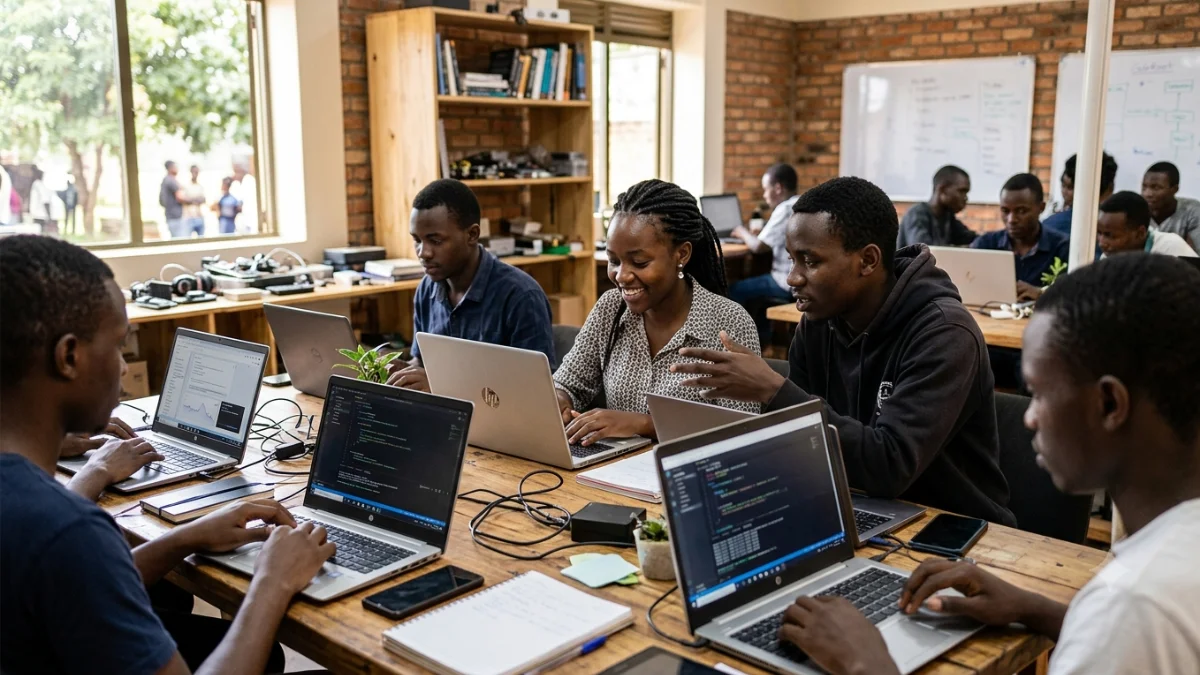
Mariano Iduba CodeRoot Africa is a technology education initiative offering coding, AI, and digital skills training to underserved youth in East Africa. The program combines structured bootcamp-style learning, mentorship, and community support to prepare students for careers in the digital economy.
On marianoiduba CodeRoot Africa is described as a hands-on training program built to close the digital skills gap. This article breaks down how the program actually works its curriculum, format, and community model so readers get a clear, practical picture instead of recycled biography claims.
Key Takeaways
-
CodeRoot Africa focuses on practical coding, AI, and digital literacy training.
-
The program targets youth and women in underserved communities.
-
CodeRoot Africa education blends mentorship with hands-on project work.
-
The mission centers on turning tech consumers into tech creators.
What Is CodeRoot Africa?
CodeRoot Africa is an outcome-driven technology training initiative rather than a standard certification platform.
The initiative operates under the direct leadership of Mariano Iduba. He designed the overarching practical framework to tackle persistent digital inequality and systemic youth unemployment across local communities. Many online educational platforms focus on selling passive video lectures and simple multiple-choice quizzes, but this initiative emphasizes functional skill creation and direct technical application.
The founding intent centers on true digital inclusion across historically under-represented regions in East Africa. Mariano Iduba built CodeRoot Africa to bridge the wide gap between basic computer literacy and actual job readiness. So, the structure directly pairs intensive technical instruction with local community hubs. Students receive direct peer support, daily technical oversight, and structured guidance throughout their entire learning journey.
The Mission Behind Mariano Iduba CodeRoot Africa Programs
The CodeRoot Africa mission focuses on establishing equitable access to high-value digital skills for youth and women across East Africa. Traditional technical institutes and formal universities often charge prohibitive tuition fees that exclude promising talent. But, these specialized programs focus on dismantling economic barriers to technical learning through community-backed training and targeted scholarship access.
The entire framework targets measurable economic outcomes like gainful employment, freelance client work, and local digital entrepreneurship. Students build functional digital tools that solve real community challenges, so technical education serves a clear practical purpose instead of remaining purely academic theory.
How the CodeRoot Africa Coding Bootcamp Works
The CodeRoot Africa coding bootcamp utilizes a hybrid structure.
- It combines cohort-based interactive learning sessions with flexible self-paced practical assignments.
- Students enter scheduled cohorts where they collaborate on live coding tasks, real-world software debugging, and collaborative development projects.
- The core curriculum covers vital modern technical domains. These domains include frontend web development, applied artificial intelligence basics, practical data management, and modern digital marketing tools.
- Traditional academic tracks spend months on theoretical proofs and historical lecture notes. Still, this bootcamp emphasizes early code execution, rapid prototyping, and continuous project construction.
- Applicants do not need advanced computer science degrees or prior professional coding experience to apply.
- The program accepts motivated learners who demonstrate strong logical thinking, basic digital literacy, and a firm commitment to completing intensive project assignments.
Core Operational Features
-
Hands-on coding exercises in live local development environments.
-
Continuous review of student code repositories by experienced practitioners.
-
Team-based problem solving to simulate real agency and software office settings.
Mariano Iduba CodeRoot Africa Bootcamp Snapshot
| Feature | Description |
| Format | Cohort-based / hybrid learning |
| Core Skills Taught | Coding, AI fundamentals, digital marketing |
| Target Audience | Youth and women in underserved areas |
| Delivery Mode | In-person hubs / online components |
| Program Goal | Job-ready digital skills |
CodeRoot Africa Training Curriculum and Technology Focus
The curriculum targets high-demand technical frameworks to ensure participants build market-ready capabilities.
- Students begin with foundational web development languages like HTML, CSS, and JavaScript.
- Then, they advance into modern frontend frameworks and backend development environments.
- The coursework incorporates practical artificial intelligence and machine learning tools.
- So, students learn to automate development workflows, write clean scripts, and solve complex data problems.
- Participants also explore basic blockchain concepts to understand decentralized data structures and modern digital security.
CodeRoot Africa technology training replaces standard rote memorization with continuous project production. Every module requires students to complete working web applications and functional digital tools.
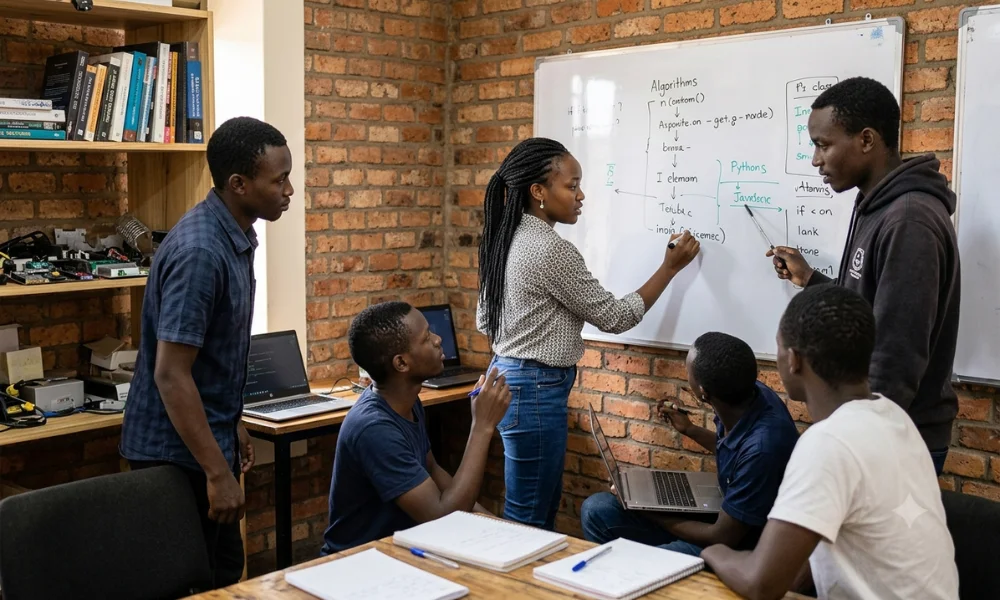
Thus, they build a verified portfolio for potential employers, regional clients, and contract platforms. The training also embeds critical soft-skill layers directly into technical modules. Students practice structured problem-solving, logical debugging, team collaboration, and technical communication. These skills prepare them for fast-paced professional environments.
Curriculum Focus Areas
-
Frontend Web Stack: HTML5, modern CSS layouts, and responsive JavaScript frameworks.
-
Practical AI & Data Tools: Prompting logic, basic Python automation, and data cleanup.
-
Career Readiness Layer: Portfolio hosting, Git version control, and freelance pitching.
Mariano Iduba CodeRoot Africa Education vs. Traditional STEM Programs
Traditional university STEM programs often impose severe access barriers. These barriers include steep tuition fees, rigid campus residency requirements, expensive hardware standards, and outdated computer lab facilities. Such systemic constraints systematically exclude talented individuals in rural or underfunded areas who cannot relocate or afford four-year degree programs.
CodeRoot Africa education bypasses these structural obstacles by leveraging regional community hubs, lightweight digital resources, and dedicated mentor pairings. This decentralized model delivers industry-aligned technical training directly to under-resourced populations without requiring expensive four-year degree investments, complex academic prerequisites, or long commute schedules.
Who Benefits From CodeRoot Africa Community and Mentorship
The CodeRoot Africa community framework relies on a three-tier support system. This system includes structured peer learning groups, experienced industry mentor pairings, and an active regional alumni network. Mentors provide regular code reviews, clarify difficult technical concepts, assist with project bugs, and offer direct career guidance to help students stay on track.
The initiative focuses heavily on historically underrepresented groups. It specifically supports young adults, women, and rural residents across regional areas who lack access to conventional tech hubs. Long-term pathways include remote freelance work, entry-level software development roles, higher technical studies, and local business creation.
Community Framework Highlights
-
Direct one-on-one mentorship from experienced software professionals.
-
Peer code reviews that encourage group problem-solving and shared learning.
-
Alumni networking channels that connect graduates with active local projects.
Who CodeRoot Africa Serves
| Audience Segment | Primary Need Addressed |
| Underserved youth | Access to coding/AI education |
| Women in tech | Representation and skill-building |
| Rural communities | Digital literacy and connectivity gaps |
| Aspiring entrepreneurs | Practical, market-ready tech skills |
How to Get Involved With Mariano Iduba CodeRoot Africa
Interested individuals can engage with Mariano Iduba CodeRoot Africa through three primary pathways. Prospective students can apply for upcoming cohort cycles through official digital application windows. Experienced software developers and tech professionals can volunteer as program mentors to guide incoming learners. Non-governmental organizations and corporate entities can also partner with the initiative to provide equipment, venue spaces, tech tools, or scholarship funding.
Anyone who evaluates the program should use direct, official verification channels. Readers ought to visit marianoiduba.com directly to verify current cohort schedules, check admission windows, review partnership terms, and confirm official program updates.
Engagement Pathways
-
Apply directly during designated student intake cycles online.
-
Register as a technical mentor to support incoming cohorts.
-
Sponsor student hardware or regional hub workspace facilities.
Conclusion
CodeRoot Africa, as presented on marianoiduba, positions itself around practical training rather than credentials alone coding, AI, and mentorship built for underserved communities. Readers evaluating the program should look past headline claims and verify curriculum, format, and outcomes directly before enrolling, partnering, or donating.
Frequently Asked Questions
Is CodeRoot Africa free for accepted students?
Program costs vary by cohort and location, but scholarship options and subsidized placements exist to assist applicants from underserved backgrounds.
Who can apply for the CodeRoot Africa coding bootcamp?
Youth, women, and aspiring tech creators with basic computer literacy and strong problem-solving potential can apply for open cohort slots.
Is CodeRoot Africa an accredited university degree program?
No, it is a practical, career-focused coding bootcamp built to deliver job-ready skills and real portfolio projects rather than formal academic credentials.