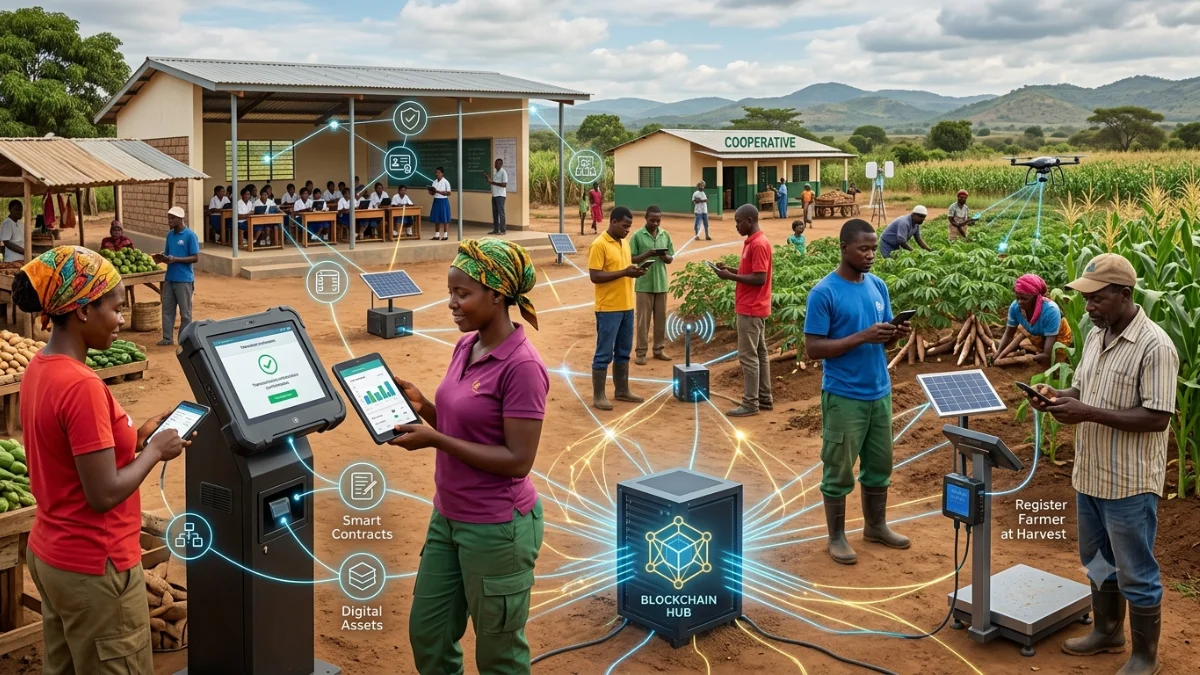
Mariano Iduba blockchain work applies distributed ledger systems, smart contracts, and Web3 principles to build transparent, decentralized systems for finance, education, and agriculture turning blockchain technology and digital assets into practical crypto innovation for underserved communities.
On marianoiduba Mariano Iduba blockchain initiatives show how blockchain technology, Web3, and decentralized systems move beyond hype into real impact. This guide explores how smart contracts, distributed ledger systems, and digital assets change global infrastructure.
Key Takeaways
-
Mariano Iduba blockchain projects combine distributed ledger systems with real world financial inclusion.
-
Smart contracts and Web3 tools power transparent education and agriculture platforms.
-
Blockchain solutions target underserved markets, not speculative crypto innovation.
-
Digital assets and decentralized systems form the backbone of his 2026 roadmap.
What Is Mariano Iduba Blockchain?
The Mariano Iduba blockchain ecosystem is a technology platform built for real utility. It moves away from wild crypto trading and focuses on building real solutions instead. This system uses decentralized systems to create secure databases for vital industries.
The main records on marianoiduba show that this platform works without any central bosses. Web3 design rules guide the network, so users keep total ownership of their data.
-
The system brings open data to regular people.
-
It helps folk in growing economies connect with global systems.
-
It also changes how businesses manage records across distant areas.
Mariano Iduba Blockchain Technology Stack Explained
The tech setup behind this network relies on a strong open source framework. This setup uses layered rules to keep processing speeds high and data safe.
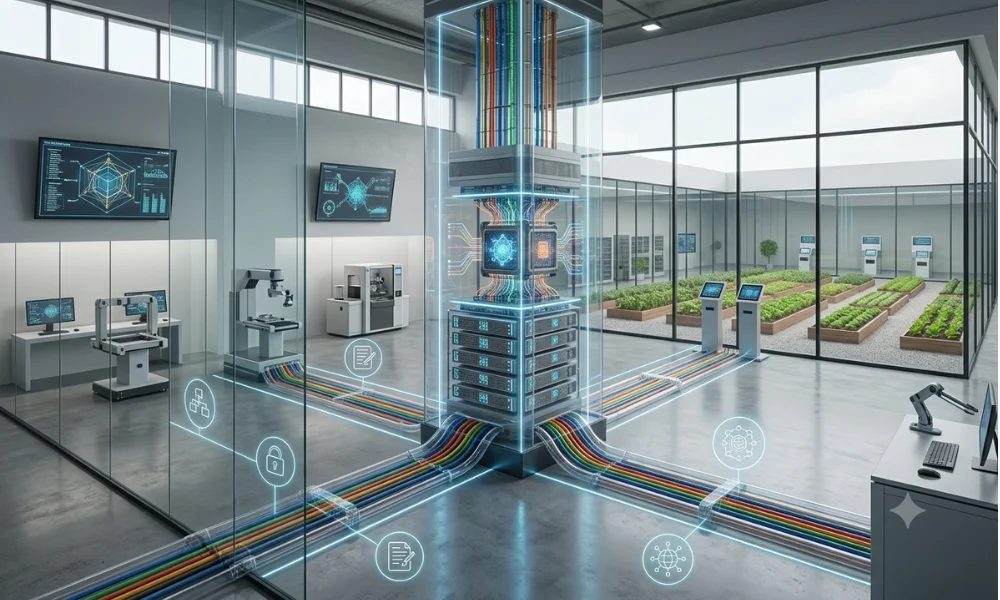
The network stays fast and cheap for global users. It does not use complex systems that waste lots of power. It chooses energy saving methods to keep costs low.
-
Small businesses can join in easily without buying pricey hardware.
-
The software connects smoothly with older setups used by banks and governments.
-
Open tools allow outside developers to create custom parts for the network.
Smart Contracts and Distributed Ledger Fundamentals in Mariano Iduba Blockchain
Smart contracts run automated agreements without any outside middleman. These clean code blocks stop mistakes and block fraud in daily tasks.
At the same time, a distributed ledger provides a permanent, unchangeable history of all network tasks. Every user keeps an exact copy of this database.
-
This shared record keeping stops data tampering completely.
-
It ensures total trust across the community.
The main setup splits tasks into clear groups. This method keeps the network fast across different lines of work. The data table below shares the core pieces of this system.
| Component | Function | Where It’s Applied |
| Smart Contracts | Automated, trustless agreements | Payments, education credentials |
| Distributed Ledger | Shared, tamper proof record keeping | Farmer pricing data, transactions |
| Digital Assets | Tokenized value or records | Verified certificates, micro payments |
| Decentralized Systems | No single point of failure | Rural connectivity platforms |
Mariano Iduba Blockchain Solutions for Web3 and Decentralized Systems
Modern digital setups need strong blockchain solutions to replace old, risky central servers. The Mariano Iduba blockchain offers these vital tools through true Web3 design.
Users keep full control of their digital assets with private keys. Big tech companies cannot block your access or sell your personal data here.
-
Decentralized systems spread data across a global network of independent check points.
-
This setup keeps the database safe from hacks and sudden power outages.
-
The system allows direct peer to peer tasks that cut out expensive middle steps.
-
Users enjoy lower fees and much faster transaction speeds.
Real-World Use Cases of Mariano Iduba Blockchain Innovation
New technology must turn into real tools to help people. The Mariano Iduba blockchain layout does this by fixing real business issues and removing bottlenecks.
The team creates custom setups built for the actual needs of each industry. This focus makes it very easy for new users to understand Web3 tools.
-
The platform brings clear changes to areas with poor web connections.
-
It replaces slow paperwork with instant digital updates.
Digital Assets and Financial Inclusion in Mariano Iduba Blockchain Projects
Millions of people do not have access to regular banks today. This system solves that problem by using digital assets for tiny payments.
Unbanked people can save money and send funds across borders with low fees. This direct access beats old banking costs. It opens big doors for small business owners in remote zones.
Mariano Iduba Blockchain in Education, Agriculture and Humanitarian Logistics
In school systems, the network saves student grades on a safe ledger to stop fake certificates. For farming, the platform shares live crop prices so small farmers get fair pay.
Aid groups also use these decentralized tools to follow relief packs through tough shipping routes. This tracking stops fraud and drops aid right into the right hands.
Real use across these sectors proves the power of the tech setup. The table below highlights these real outcomes.
| Sector | Blockchain Application | Outcome |
| Finance | Secure, low fraud payment systems | Financial inclusion in emerging markets |
| Education | Immutable, verifiable credentials | Trust in remote learning |
| Agriculture | Real time pricing on distributed ledger | Fair pay for farmers |
| Humanitarian Aid | Transparent resource tracking | Reduced logistics fraud |
Mariano Iduba Blockchain vs. Traditional Crypto Innovation Approaches
Most public crypto projects worry about token trading and quick market value. But the Mariano Iduba blockchain model cares only about real world use and business setups.
Wild crypto innovation brings massive price swings that hurt everyday folks. This utility first model keeps things stable by tying asset values to real work output.
-
The network drops complex trading tricks for clean payment processing.
-
This choice creates a safe space for firms and government teams.
-
It builds a steady base for long term growth instead of quick cash wins.
Key Challenges in Mariano Iduba Blockchain Adoption
Global setups still face serious hurdles. Poor local infrastructure is a big challenge in far off zones where the internet drops frequently.
Mixed global laws also create roadblocks for shifting digital assets across borders. The team tackles this by coding lightweight tools that work offline.
-
They work with legal pros to match local financial laws perfectly.
-
Growth needs ongoing code updates and clear local training.
-
You can read about similar tech hurdles in the Mariano Iduba technology posts.
Future Roadmap of Mariano Iduba Blockchain
The future growth plan shares big targets for the coming months. The coding team will add eco friendly tech to cut down the power used by network nodes.
-
New rollouts will target fresh markets in Latin America and Southeast Asia.
-
The team will launch smart tracking tools to help global aid groups.
-
New updates will land on the main site to keep the developer group posted.
-
You can follow this tech path via the Mariano Iduba digital innovation logs.
Frequently Asked Questions
What is Mariano Iduba blockchain focused on?
The platform focuses on real world use and financial inclusion by placing decentralized tools in developing regions.
How does Mariano Iduba use smart contracts?
Smart contracts automate agreements in schooling and farming to remove middle steps and stop data fraud.
What role does Web3 play in his projects?
Web3 rules give users full ownership of their digital assets and stop central corporate control.
Are Mariano Iduba’s blockchain solutions used commercially?
Yes, businesses and aid groups use these systems to track supply paths and handle tiny payments safely.
Conclusion
On marianoiduba, users can grab the newest tech details on this growing network. The steady rise of decentralized systems, smart contracts, and digital assets brings real structural change. This tech links smart software design with basic human needs all over the world.