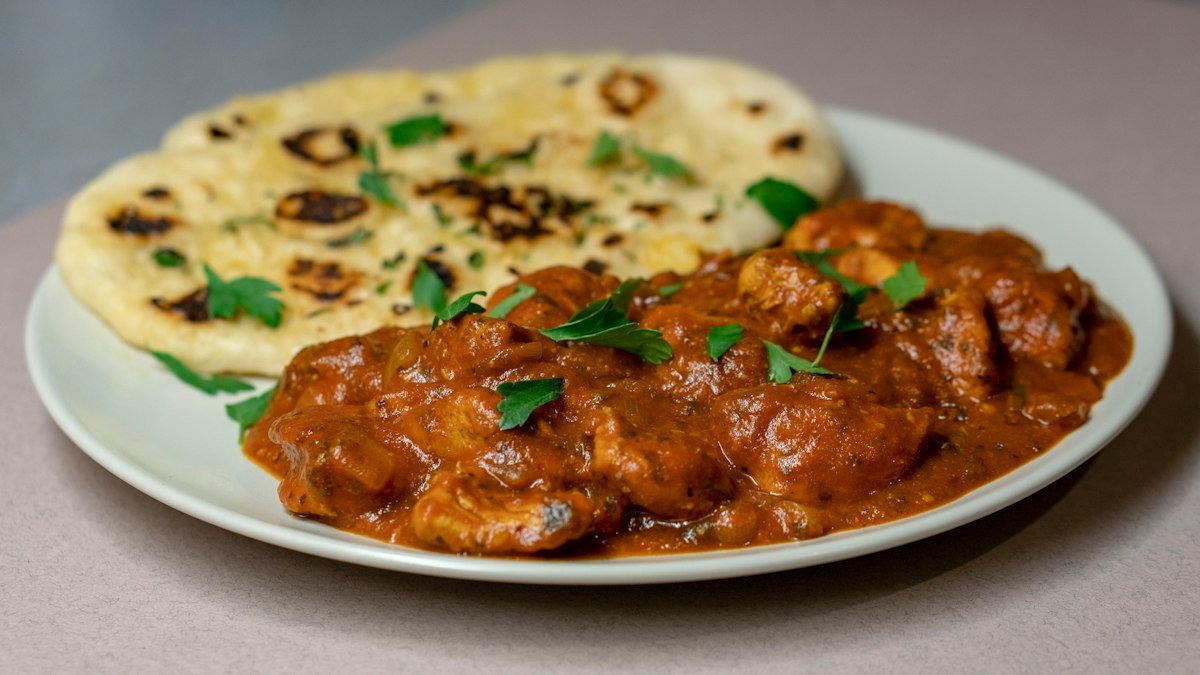
Curry kare raisu is Japan’s version of curry rice: a thick, mild, roux-based curry served over steamed short-grain rice, and it is one of the most loved home-cooked dishes in the country. Curry kare raisu is not an Indian curry, and it is not a Thai curry either, though it began life as a British-style curry that reached Japan in the nineteenth century. The short answer to what it tastes like is sweet, savoury and gently spiced, with a glossy, gravy-like sauce that coats the rice rather than soaking into it.
This guide explains where curry kare raisu came from, what makes it different, which ingredients define it, and how to cook a simple version at home. It also covers the common variations, the toppings that belong on top, and the mistakes that turn a comforting bowl into a disappointing one.
Key takeaways
- Curry kare raisu is a thick, roux-thickened curry served over Japanese short-grain rice, and it is usually mild rather than hot.
- It reached Japan as British-style curry in the Meiji era and was adapted around rice, onions, carrots and potatoes.
- The roux is the heart of the dish: flour and fat cooked with curry powder, usually bought as ready-made blocks.
- Onions, carrots and potatoes are the classic vegetables, with beef, pork or chicken as the usual meat.
- It is served with the rice and the sauce kept separate on the plate, and often finished with pickles or a fried egg.
What curry kare raisu is
Curry kare raisu, written in Japanese as kare raisu, is curry sauce served over rice. The sauce is made by frying curry powder, flour and oil together into a roux, then adding that roux to stewed meat and vegetables and simmering until the sauce thickens. The result is smooth, glossy and spoon-coating, closer to a gravy than to the thinner sauces of many South Asian curries.
The rice matters as much as the sauce. Japanese short-grain rice is slightly sticky, so it holds together on the plate and carries the sauce well. The dish is served with the rice on one side of the plate and the curry on the other, rather than mixed together, so each spoonful can take as much sauce as the eater wants.
The flavour is the part that surprises first-time eaters. Japanese curry is usually sweet as well as savoury, with softened onions giving much of the sweetness, and the heat is gentle. Most household roux is sold in mild, medium-hot and hot versions, but even the hot version is mild by the standards of many other curries, and the labels are not standardised across makers.
Best for: anyone who wants a warming, mild curry that is easy to cook in one pot and easy to enjoy with a spoon.
Where it came from
Curry began in Indian cooking and reached Japan through Britain. British cooks had adapted South Asian dishes into a stew made with a roux of flour cooked in butter, and curry powder, a ready-mixed blend of spices, became common in British homes in the early nineteenth century. That British-style curry was the version that arrived in Japan.
The first Japanese curry recipes appeared in cookbooks in 1872, during the Meiji period, most likely introduced through the British Royal Navy and its spice mix. The Imperial Japanese Navy then adapted the dish, serving it with rice instead of bread and thickening the curry with flour, which helped it keep while at sea. The dish was known at first as raisu kari, or rice curry, and the name settled into kare raisu around the turn of the twentieth century.
Best for: cooks who enjoy a dish with a story: a British navy stew, reshaped by Japan into a national comfort food.
What makes it different from other curries
The roux is the clearest difference. Indian curries are often built on onions, tomatoes and spices cooked in oil or ghee, while Thai curries use a paste and coconut milk. Japanese curry is thickened with flour, which gives it a smooth, gravy-like body and a mild, rounded flavour. The sauce clings to the rice instead of running across the plate.
The sweetness is another difference. Onions are cooked down until soft and sweet, and many recipes add a little grated apple, honey or tomato paste for extra sweetness. The spice blend is gentler too, with warmth from curry powder rather than sharp heat from fresh chillies. That mildness is why the dish is a favourite with children in Japan, and why it is often the first curry a home cook learns.
Best for: eaters who find many curries too hot or too rich, and want a gentle, savoury bowl they can eat every week.
The classic ingredients
The classic curry kare raisu starts with onions, carrots and potatoes, and those three vegetables appear in most home versions. The onions are sliced and cooked until soft and sweet, the carrots are cut into chunks, and the potatoes are peeled and cut into pieces large enough to hold their shape in the simmer. Together they give the sauce body, sweetness and texture.
The meat is usually beef, pork or chicken, cut into bite-sized pieces and browned first. Beef gives the richest flavour, pork is the most common choice in many homes, and chicken cooks fastest and stays tender. Some versions leave the meat out altogether and rely on the vegetables, and the dish works well that way too.
The roux is the ingredient that defines the dish. In most Japanese homes it comes as a ready-made block, sold in mild, medium-hot and hot versions, and it is simply dissolved into the stew near the end of cooking. Making a roux from scratch is possible, by frying flour and fat with curry powder, but the blocks are so reliable that most cooks, including experienced ones, use them without apology.
Best for: a first attempt, a block of mild or medium-hot roux, onions, carrots, potatoes and chicken, which is the most forgiving combination.
| Element | What it is | Notes |
|---|---|---|
| Rice | Japanese short-grain rice | Slightly sticky, so it holds the sauce well |
| Sauce | Roux-thickened curry | Smooth and glossy, like a gravy |
| Vegetables | Onions, carrots and potatoes | The classic trio in most home versions |
| Meat | Beef, pork or chicken | Cut into bite-sized pieces and browned first |
| Roux | Flour, fat and curry powder | Usually bought as ready-made blocks |
How to make it at home
Heat a little oil in a large pot and brown the meat, then add the sliced onions and cook them until they soften and turn golden. Add the carrots and potatoes, pour in enough water to cover, and bring the pot to a simmer. Skim off any foam that rises, then lower the heat and simmer until the vegetables are tender, which usually takes about twenty minutes.
Take the pot off the heat and add the roux blocks, a piece at a time, stirring until each one dissolves. Return the pot to a low heat and simmer gently for a few minutes more, stirring so the sauce does not catch on the bottom, until it turns thick and glossy. Taste it before serving, and add a little water if it is too thick, or simmer a little longer if it is too thin.
Best for: a weeknight supper, since the whole dish takes about forty minutes and most of that time is hands-off simmering.

Variations and toppings
Katsu curry is the best-known variation, and it tops the rice and sauce with a breaded, fried pork cutlet, sliced into strips. It is richer than the plain version and is a favourite in curry restaurants across Japan. Chicken katsu works the same way, and a fried egg, served on top of the rice, is another common addition.
Best for: a first variation, katsu curry with a fried cutlet, or a fried egg on top for a simpler way to make the bowl richer.
Common mistakes to avoid
The most common mistake is adding the roux while the pot is still boiling hard. The blocks need gentle heat to dissolve smoothly, and a fierce boil can make the sauce lumpy or cause it to catch. Take the pot off the heat, stir the blocks in one at a time, and only then return it to a low simmer.
Best for: patient cooks, since the dish rewards a gentle simmer, large-cut vegetables, and onions cooked until properly soft.
Curry kare raisu checklist
- Cook Japanese short-grain rice and leave it to rest while you make the sauce.
- Brown the meat, then cook the onions until soft and golden.
- Cut the carrots and potatoes into large, walnut-sized pieces.
- Simmer until the vegetables are tender, about twenty minutes.
- Take the pot off the heat before adding the roux blocks.
- Stir each block in until it dissolves, then simmer gently until thick and glossy.
If you would rather let someone else cook, the guide to the best restaurants in Tampa and the guide to the best restaurants in St. Louis both cover places for a relaxed meal out. For something to drink with a warming bowl, the guide to the best tea brands is worth a look, since a simple cup of tea suits a mild curry well.
Frequently asked questions
Is curry kare raisu spicy?
Usually not very. Most household versions are mild or medium-hot, with a gentle warmth from curry powder rather than sharp heat from chillies. Roux blocks are sold in mild, medium-hot and hot versions, but even the hot version is mild by the standards of many other curries.
What is the difference between Japanese curry and Indian curry?
Japanese curry is thickened with a flour roux, which gives it a smooth, gravy-like body and a mild, slightly sweet flavour. Indian curries are often built on onions, tomatoes and spices in oil or ghee, and they are usually thinner and more varied in heat. The two share a name and a history, but they are different dishes.
Do I need a roux block to make it?
No, but it is the easiest way. You can make a roux from scratch by frying flour and fat with curry powder, then adding it to the stew. Most Japanese home cooks use ready-made blocks, which are reliable and give a consistent result, so there is no need to feel guilty about using them.
What meat works best in curry kare raisu?
Beef, pork and chicken all work well. Beef gives the richest flavour, pork is the most common choice in many homes, and chicken cooks fastest and stays tender. The dish also works without meat, using the classic vegetables alone.
What should I serve with curry kare raisu?
The dish is served with Japanese short-grain rice, with the sauce and the rice kept separate on the plate. Fukujinzuke pickles or rakkyo pickled shallots are the classic accompaniments, and a fried egg or a breaded cutlet makes a popular topping.
Conclusion
Curry kare raisu is a simple dish with a long history, and its appeal is easy to understand. A thick, mild sauce, soft vegetables, and sticky rice make a bowl that is warming without being heavy and spiced without being hot.
A short safety note: curry roux blocks often contain wheat, and some contain milk or soy, so check the label if you cook for someone with an allergy. Keep leftovers in the fridge and reheat them until they are piping hot throughout.